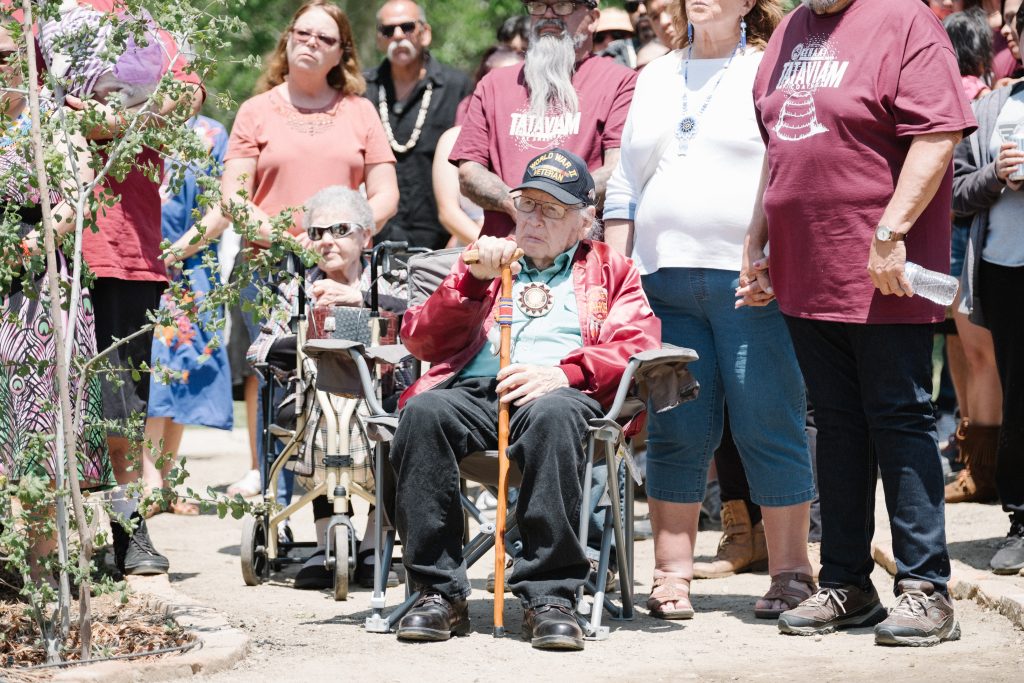
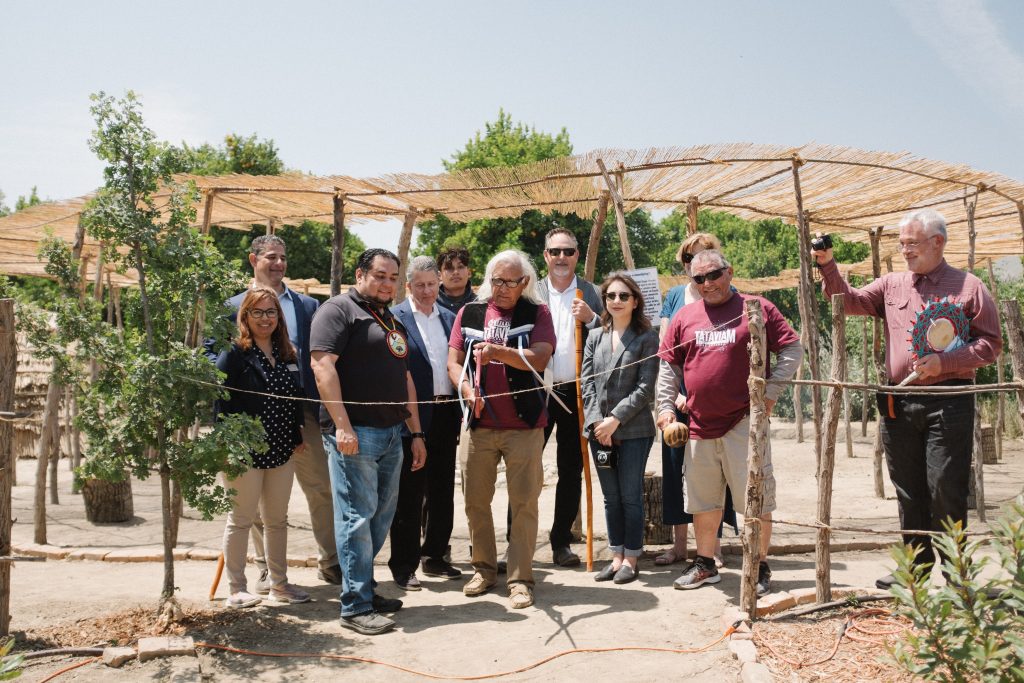
Piru, California. On Saturday, May 4, 2019, the newly completed Tataviam Interpretive Village on the grounds of Coaynga (Rancho Camulos Museum) was dedicated by representatives of the Fernandeño Tataviam Band of Mission Indians and the Tribe’s nonprofit Pukúu Cultural Community Services.
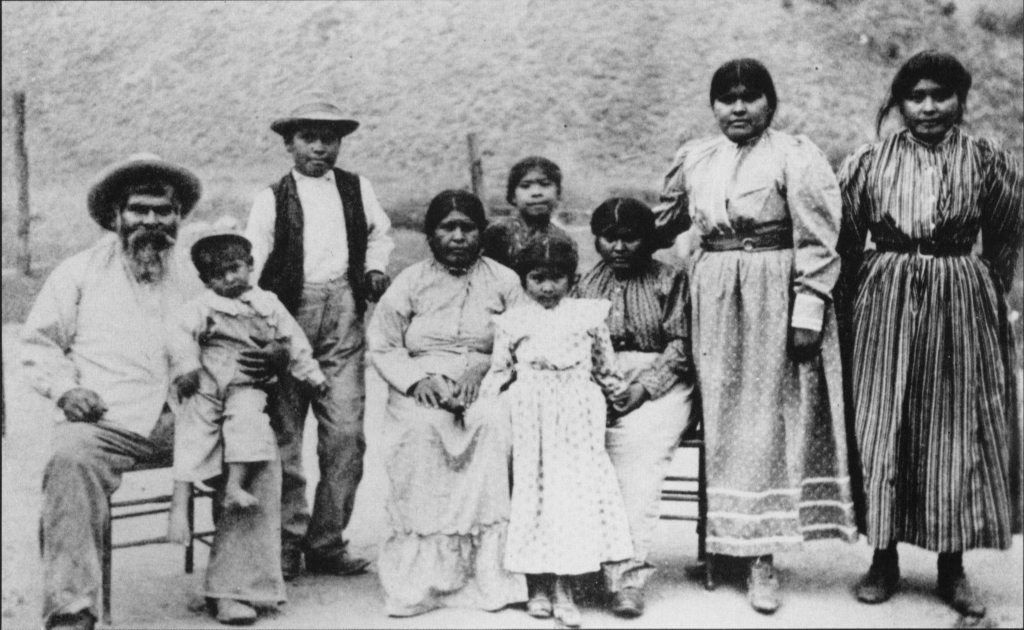
On hand to witness the formal unveiling were museum board members and tour guides, corporate sponsors of the village, community members, and dozens of Tribal citizens, some of whom descend from ancestors who lived in the Pi’iruknga (Piru)/wa’atnga (Camulos) area prior to the arrival of the first European settlers in the 1700s.
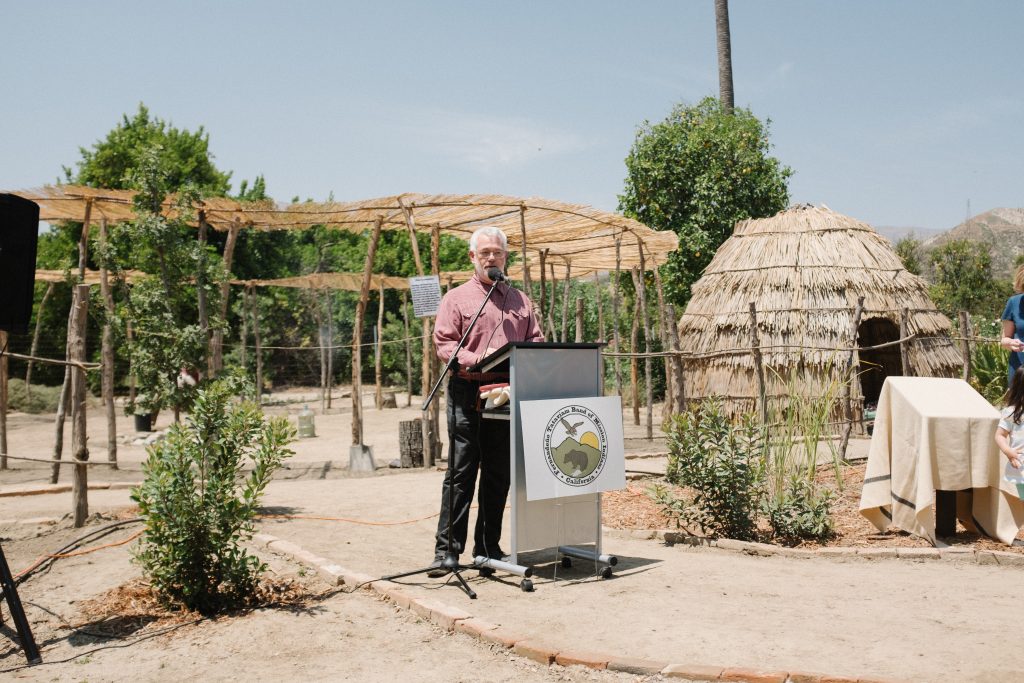
Museum President Leon Worden opened Saturday’s ceremony with a summary of the history of Native Americans in the region and introducted Tribal President Rudy J. Ortega Jr.
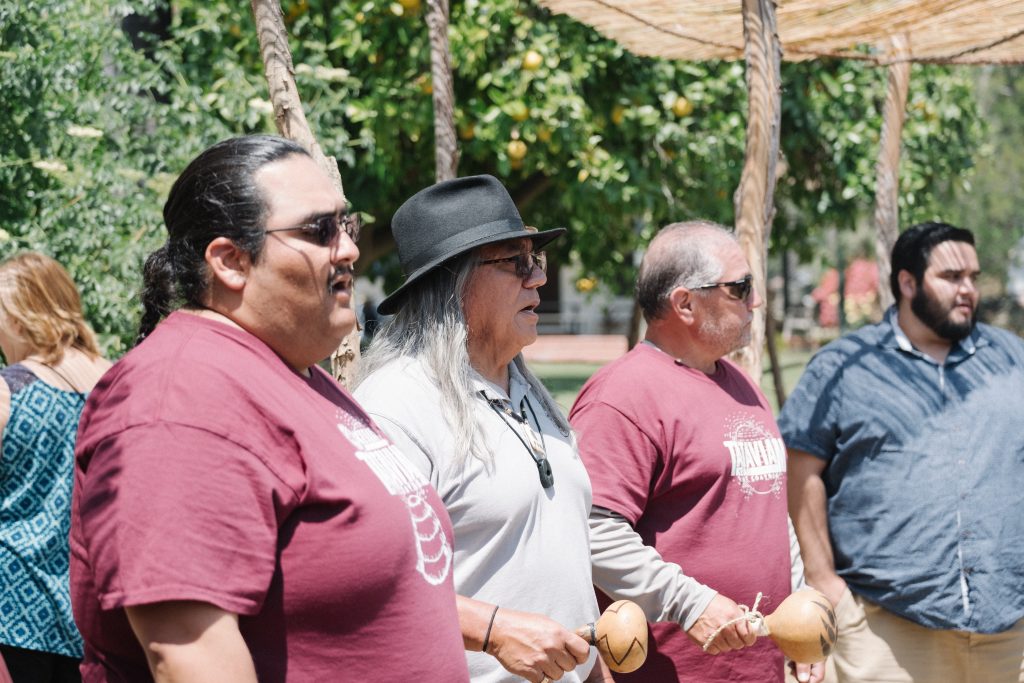
Together with Tribal Vice President Mark Villaseñor, Ortega acknowledged sponsors and gave special recognition to Alan Salazar, Chairman of the Elders Council, who spearheaded the design and construction of the village from traditional plant materials.
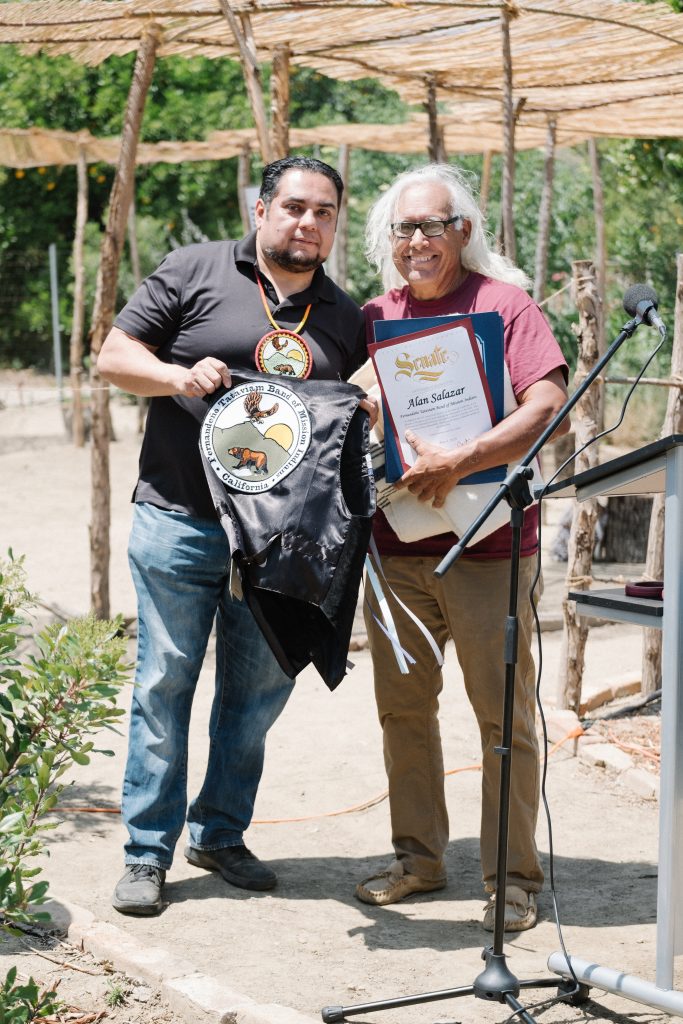
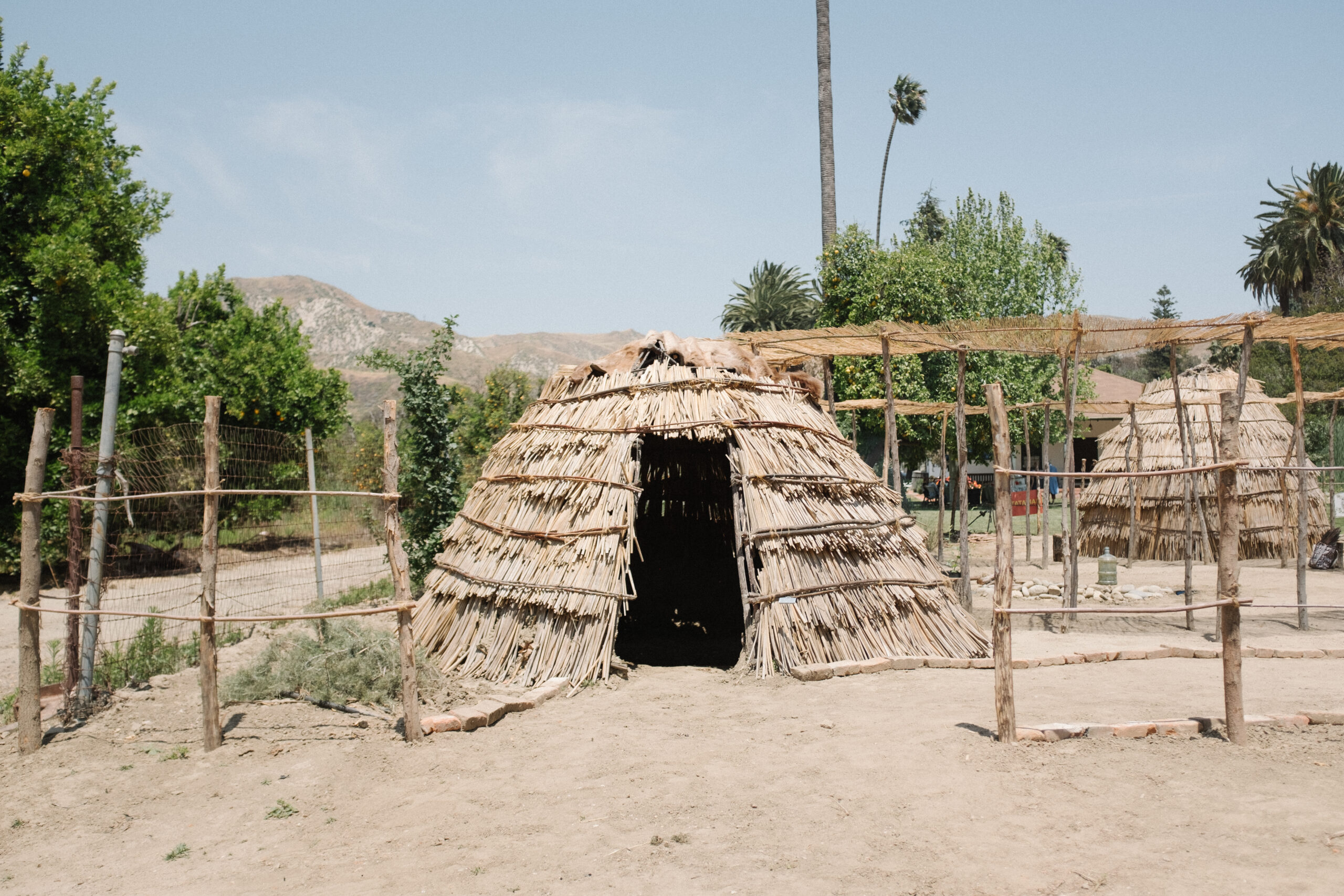
The Tataviam Interpretive Village features a kitc, or traditional dwelling; a hoyatsu, or traditional sweat house; a haramokngna, or gathering place; and native plants that are used culturally.
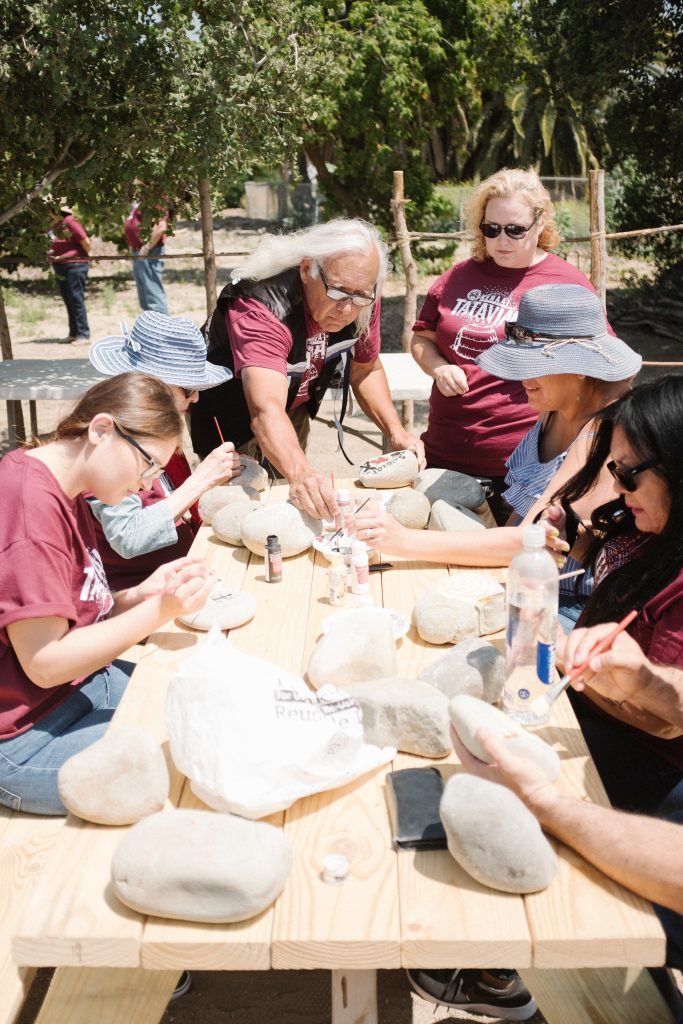
Ortega and Salazar acknowledged the contributions of numerous tribal citizens, community members and museum docents who assisted with the creation of the village over the last two years.
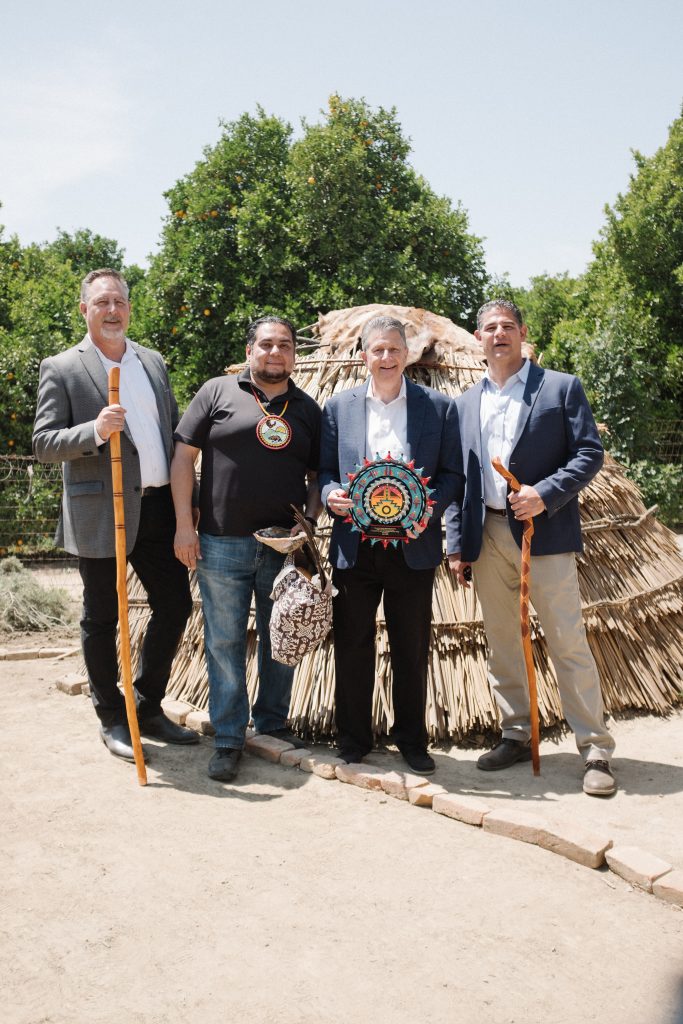
Acknowledging FivePoint for their sponsorship. Center: Donald Kimball, FivePoint Community President 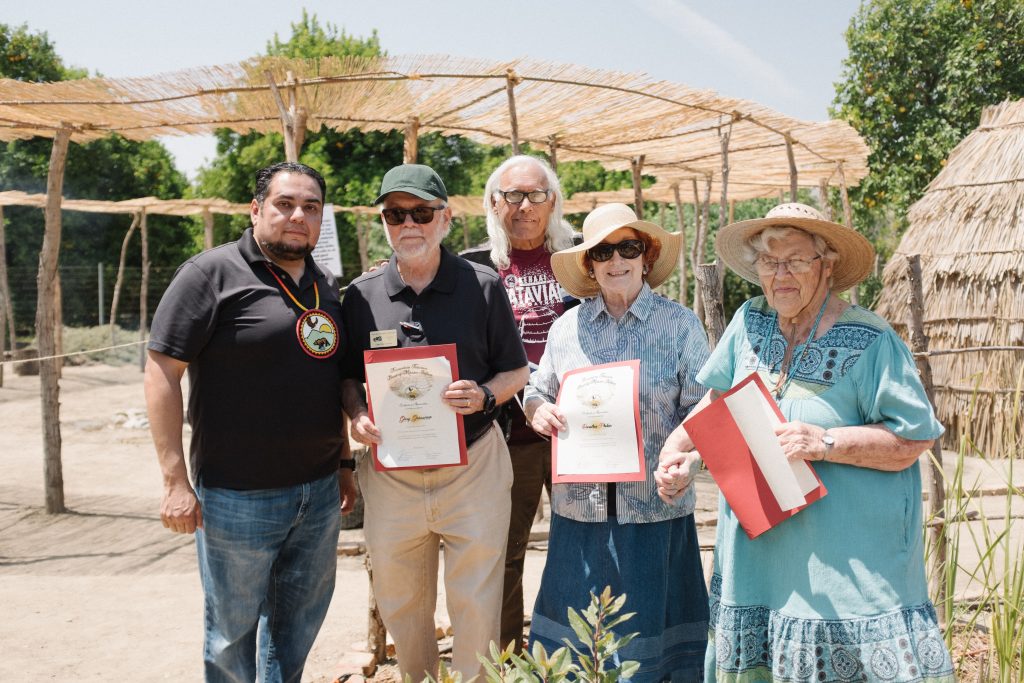
Acknowledging Rancho Camulos Museum docents
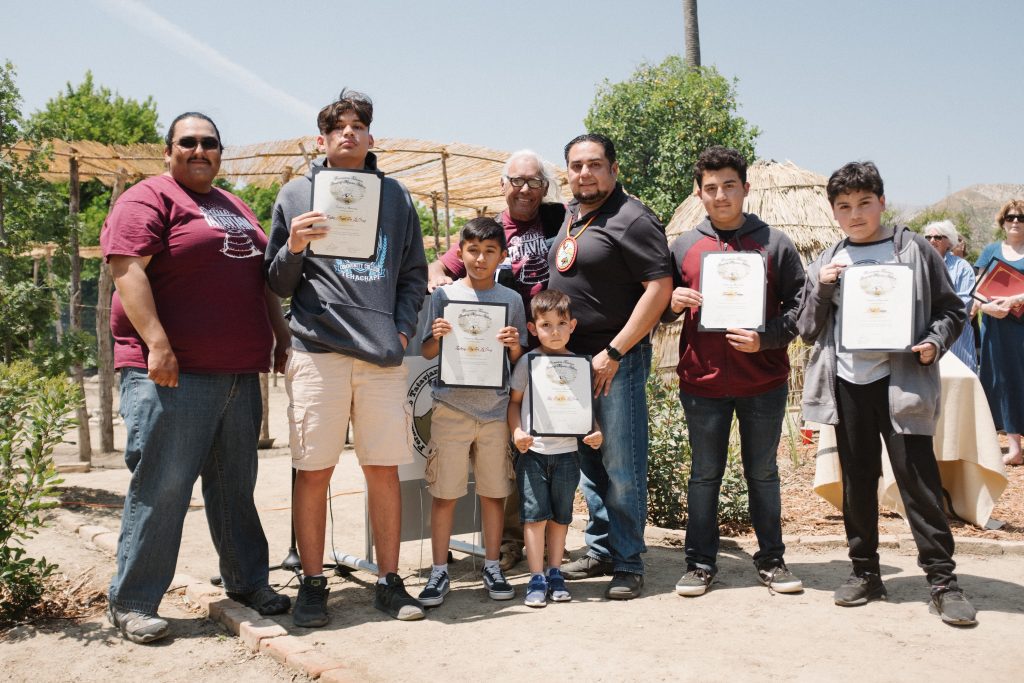
Built at the direction of Tribal citizens, the new village provides a cultural space that can be utilized by the Tribe for cultural and spiritual purposes, as well as an educational space that can be enjoyed by the public.
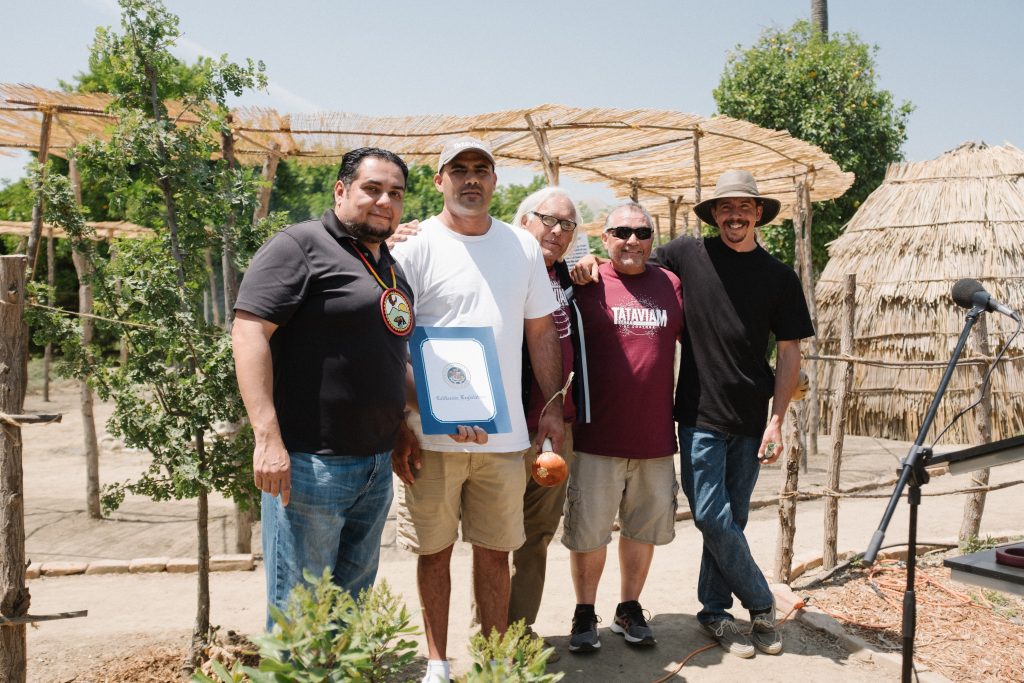
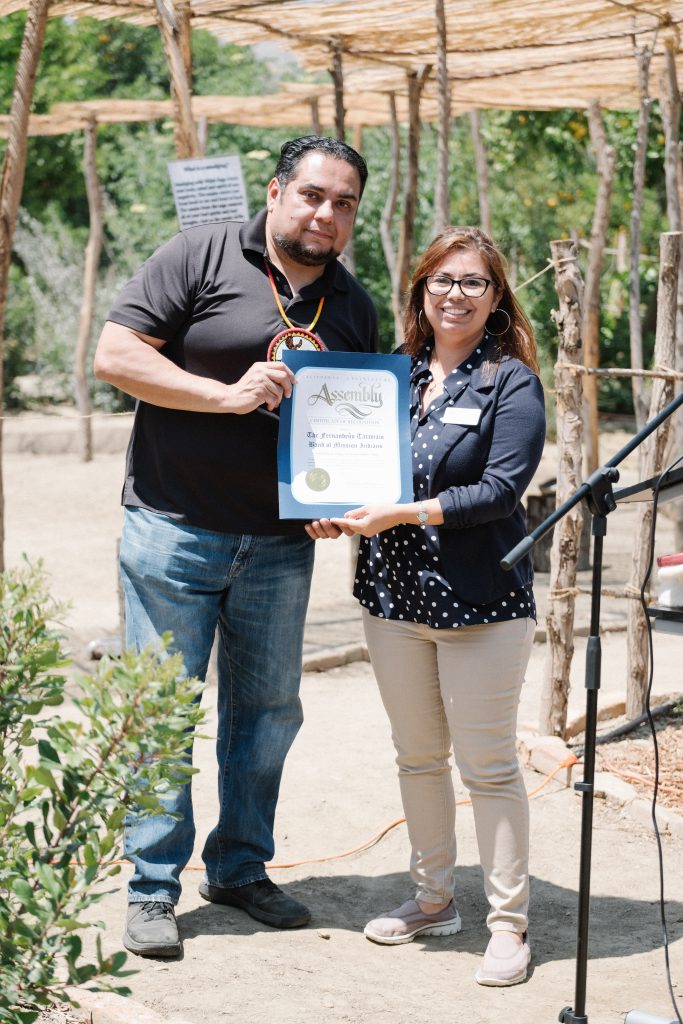
Michelle Kampbell, Field representative for Assemblywoman Christy Smith representing the 38th Assembly District 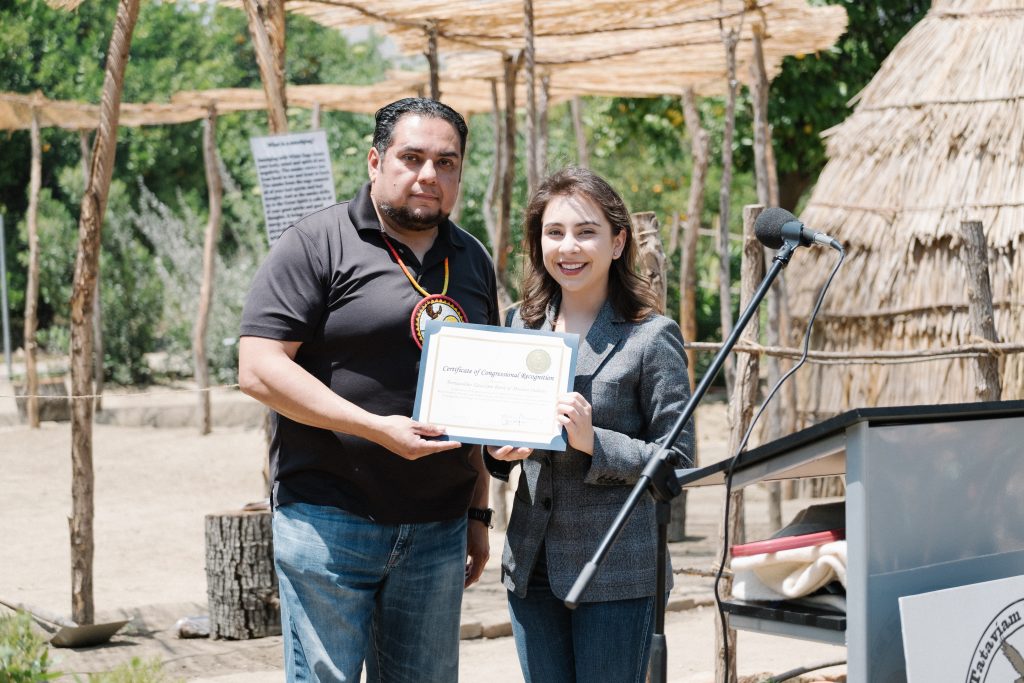
Ashley Orozco , Field representative for Congresswoman Julia Brownley’s office is present, representing 26th Congressional District of California.
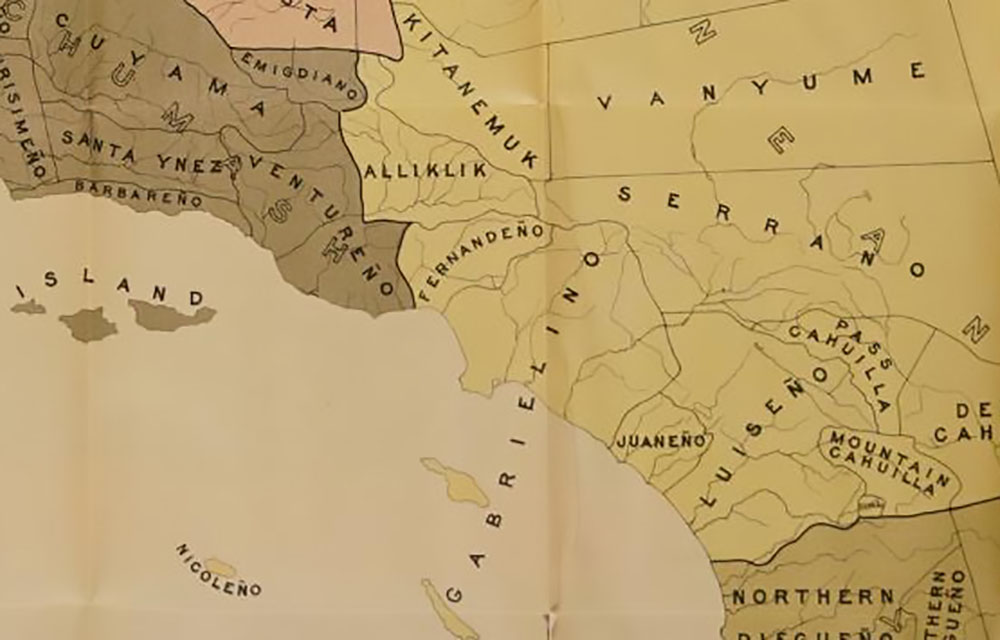
Camulos was once known as Coaynga, an ancient Tataviam village that translates to the “place of food.” Coaynga was held by the tribe’s Tataviam-speaking ancestors until enslavement at Mission San Fernando in the first decade of the 1800s. In the 1850s, ancestors of current tribal members provided construction labor for the adobe hacienda that is now the centerpiece of the museum, and subsequently worked as agricultural laborers and domestic servants for the ranch owners.