Tribal Captain
Antonio Maria Ortega

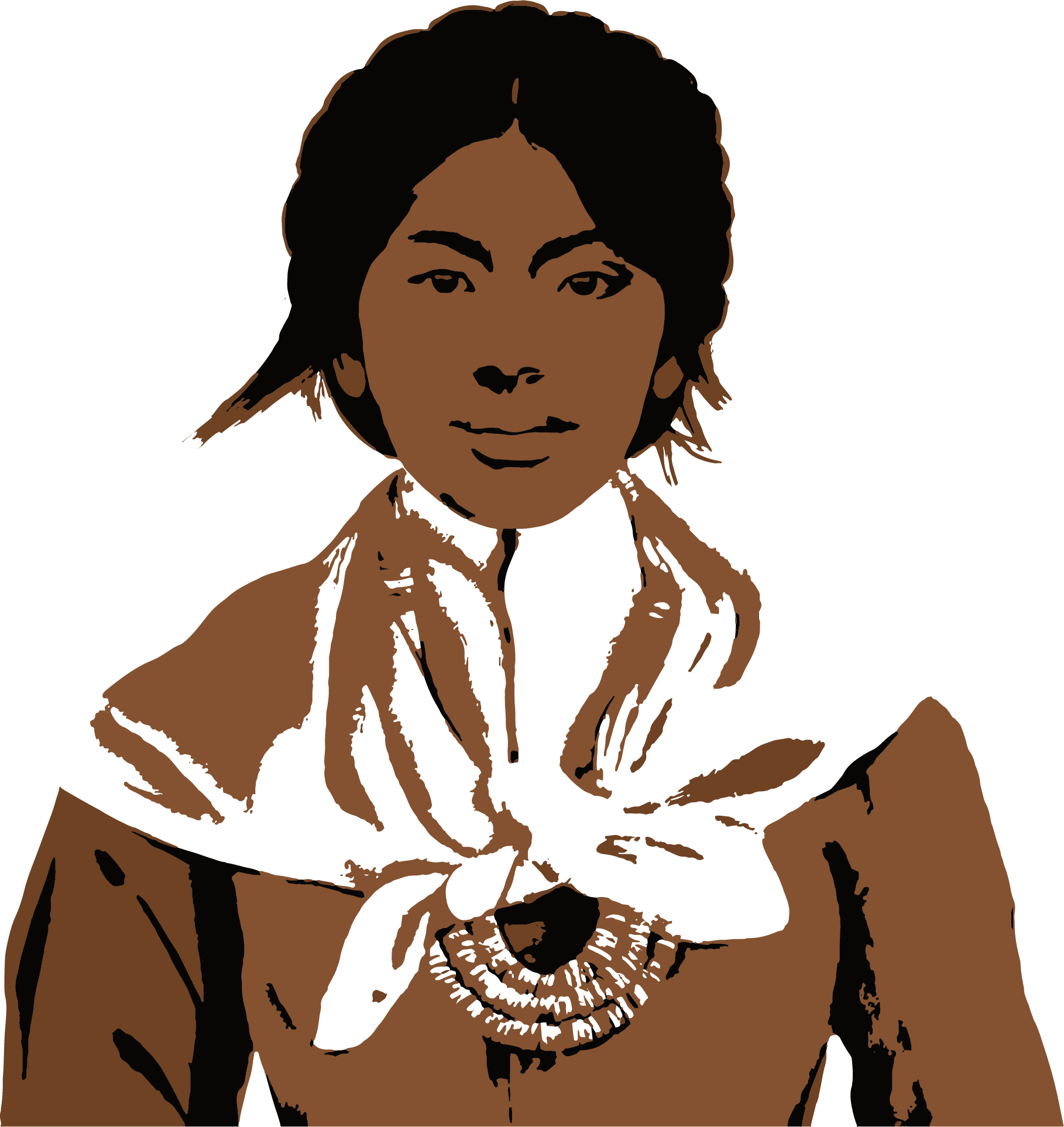
Antonio Maria Ortega, baptized in the mission of San Fernando, was a Tribal Captain of the Fernandeño Historical Indian Tribe.
In the mid-1800s, a pandemic swept across the San Fernando Valley. By 1865, Antonio lost both of his parents to the pandemic. An 8-year old Antonio moved to San Fernando where he worked for the Geronimo Lopez Family at the Lopez Station.
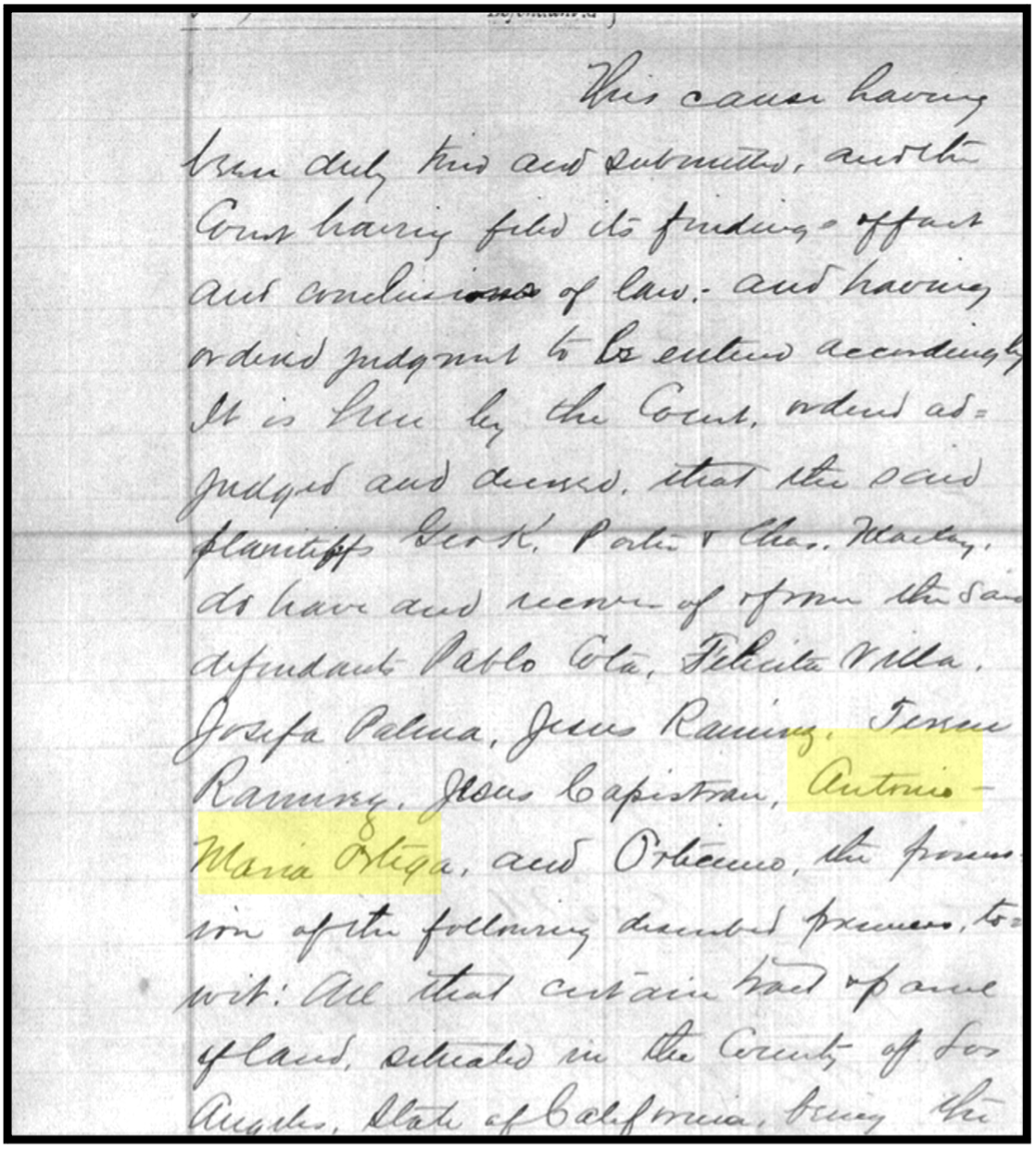
At just 18 years old, Antonio Maria Ortega joined Tribal Captain Rogerio Rocha and a group of Fernandeño ancestors to occupy a tract of land that was owned by local land developer and ex-California Senator Charles Maclay and George Porter. The Fernandeños were sued twice by Maclay for illegally occupying their own homelands. The lawsuits resulted in the well-publicized eviction of the Fernandeños from San Fernando and generational debt inherited by Antonio Maria Ortega and Fernandeños.
A Line of Leaders
Antonio Maria Ortega’s maternal gandfather Francisco Pababubaba, along with two other natives Roque and Roman, petitioned for a deed to one square league of Rancho Encino at present-day Los Encinos State Historic Park and jointly, they received 4,460 acres of Rancho Encino on July 24, 1845 for their lineage and the Fernandeños. Antonio’s mother, Maria Rita Alipas, was Headperson of her lineage at Siutcanga, now known as Encino, Ca. After the passing of her father Francisco, she eventually inherited ownership of Rancho Encino. At just 24 years old, she fought to protect the land grant decades before women were given the right to vote and in a time of a state and federally funded campaign to exterminate Native peoples.
The Fernandeños were ultimately evicted from Rancho Encino by an ex-Los Angeles Town Councilman named Vicente De La Osa who owned the neighboring Rancho Providencia land grant and practiced sharp business methods. The lineage at Rancho Encino became landless by 1857, and by 1865, many Fernandeños had passed away from the pandemic or were forced to relocate, some to Captain Rocha’s land grant in the northeast San Fernando Valley.
As an 8-year-old orphan, Antonio moved in with the Geronimo Lopez Family in San Fernando, where he worked and lived until his death in 1940s. In 1876, he represented Fernandeño land interests in court at 18 years old. In 1935, the Bureau of Indian Affairs acknowledged Antonio as a Tribal leader under the name of “Jose Rosario,” his baptismal name.
A Line of Leaders
Antonio Maria Ortega’s maternal gandfather Francisco Pababubaba, along with two other natives Roque and Roman, petitioned for a deed to one square league of Rancho Encino at present-day Los Encinos State Historic Park and jointly, they received 4,460 acres of Rancho Encino on July 24, 1845 for their lineage and the Fernandeños. Antonio’s mother, Maria Rita Alipas, was Headperson of her lineage at Siutcanga, now known as Encino, Ca. After the passing of her father Francisco, she eventually inherited ownership of Rancho Encino. At just 24 years old, she fought to protect the land grant decades before women were given the right to vote and in a time of a state and federally funded campaign to exterminate Native peoples.
The Fernandeños were ultimately evicted from Rancho Encino by an ex-Los Angeles Town Councilman named Vicente De La Osa who owned the neighboring Rancho Providencia land grant and practiced sharp business methods. The lineage at Rancho Encino became landless by 1857, and by 1865, many Fernandeños had passed away from the pandemic or were forced to relocate, some to Captain Rocha’s land grant in the northeast San Fernando Valley.
As an 8-year-old orphan, Antonio moved in with the Geronimo Lopez Family in San Fernando, where he worked and lived until his death in 1940s. In 1876, he represented Fernandeño land interests in court at 18 years old. In 1935, the Bureau of Indian Affairs acknowledged Antonio as a Tribal leader under the name of “Jose Rosario,” his baptismal name.


Fernandeño Dialect Speaker
American ethnologist John Peabody Harrington visited the Mission San Fernando area to research the local natives. Harrington was referred to Captain Ortega as the fluent Fernandeño speaker. Though Harrington tried to interview Antonio, he was unsuccessful because Antonio refused to speak with outsiders due to the fear of being sent to reservations. Harrington was left with interviewing an informant who knew Antonio and Fernandeños words, and his notes are accessible online via the Smithsonian.
Fernandeño Dialect Speaker
American ethnologist John Peabody Harrington visited the Mission San Fernando area to research the local natives. Harrington was referred to Captain Ortega as the fluent Fernandeño speaker. Though Harrington tried to interview Antonio, he was unsuccessful because Antonio refused to speak with outsiders due to the fear of being sent to reservations. Harrington was left with interviewing an informant who knew Antonio and Fernandeños words, and his notes are accessible online via the Smithsonian.