

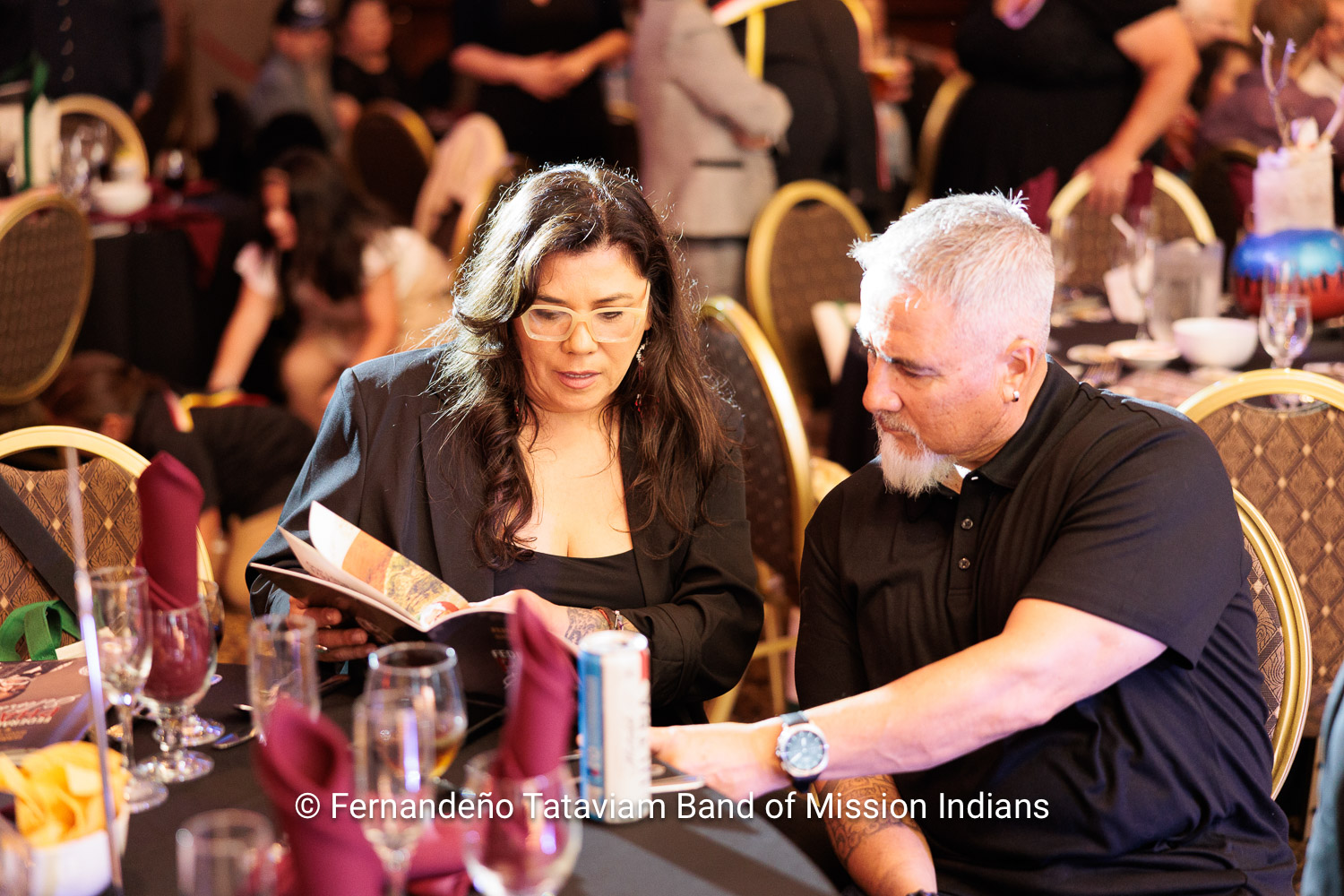
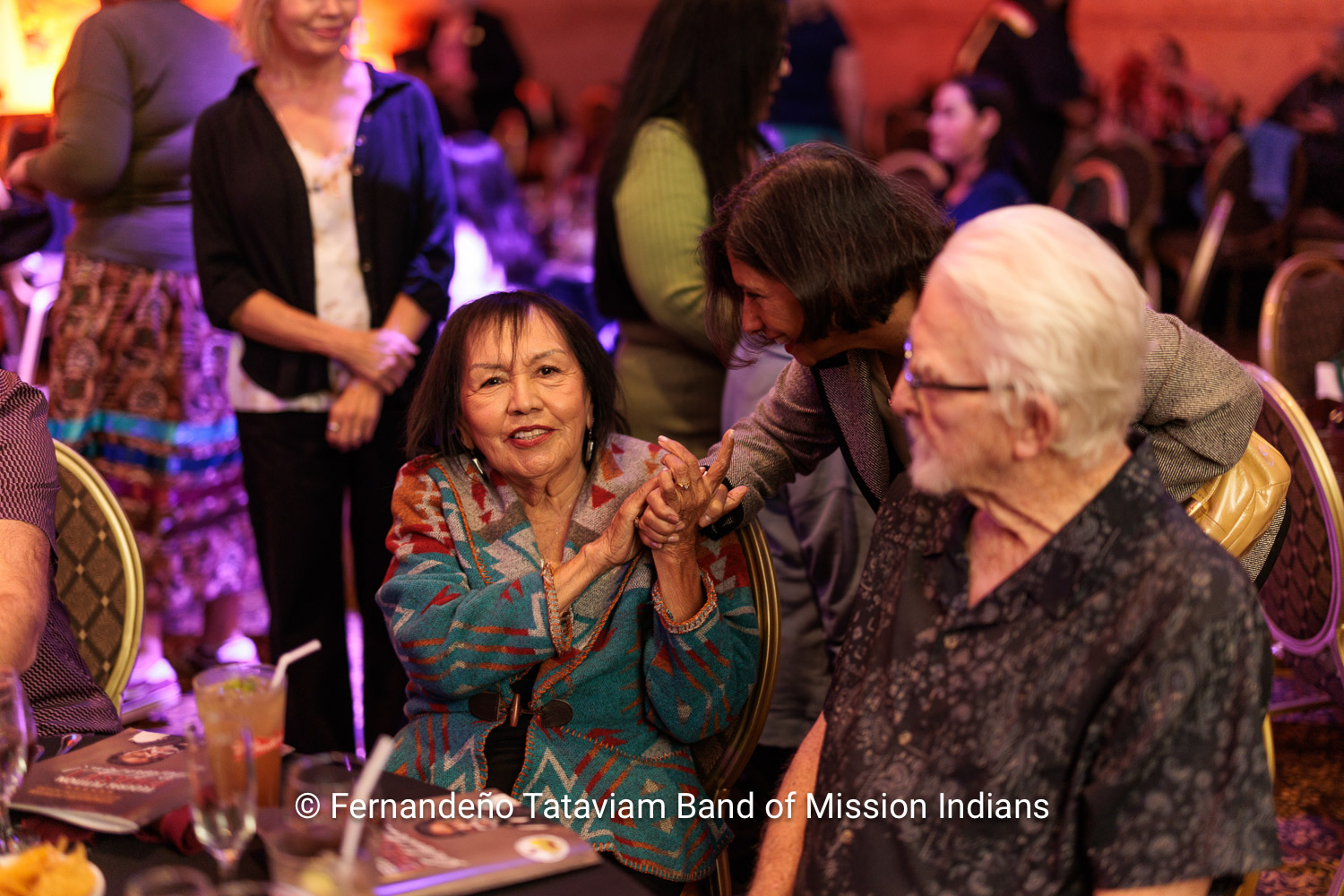
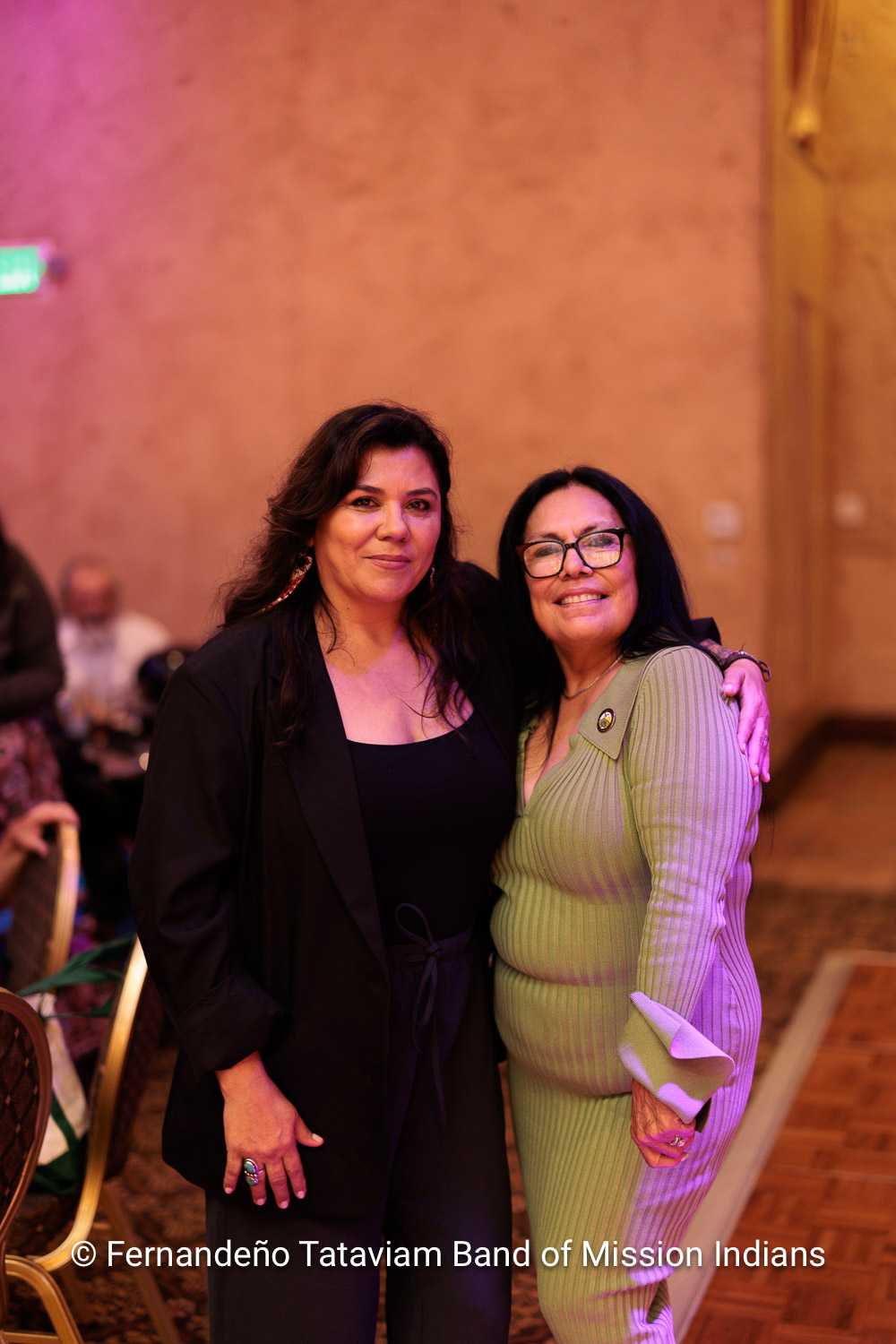
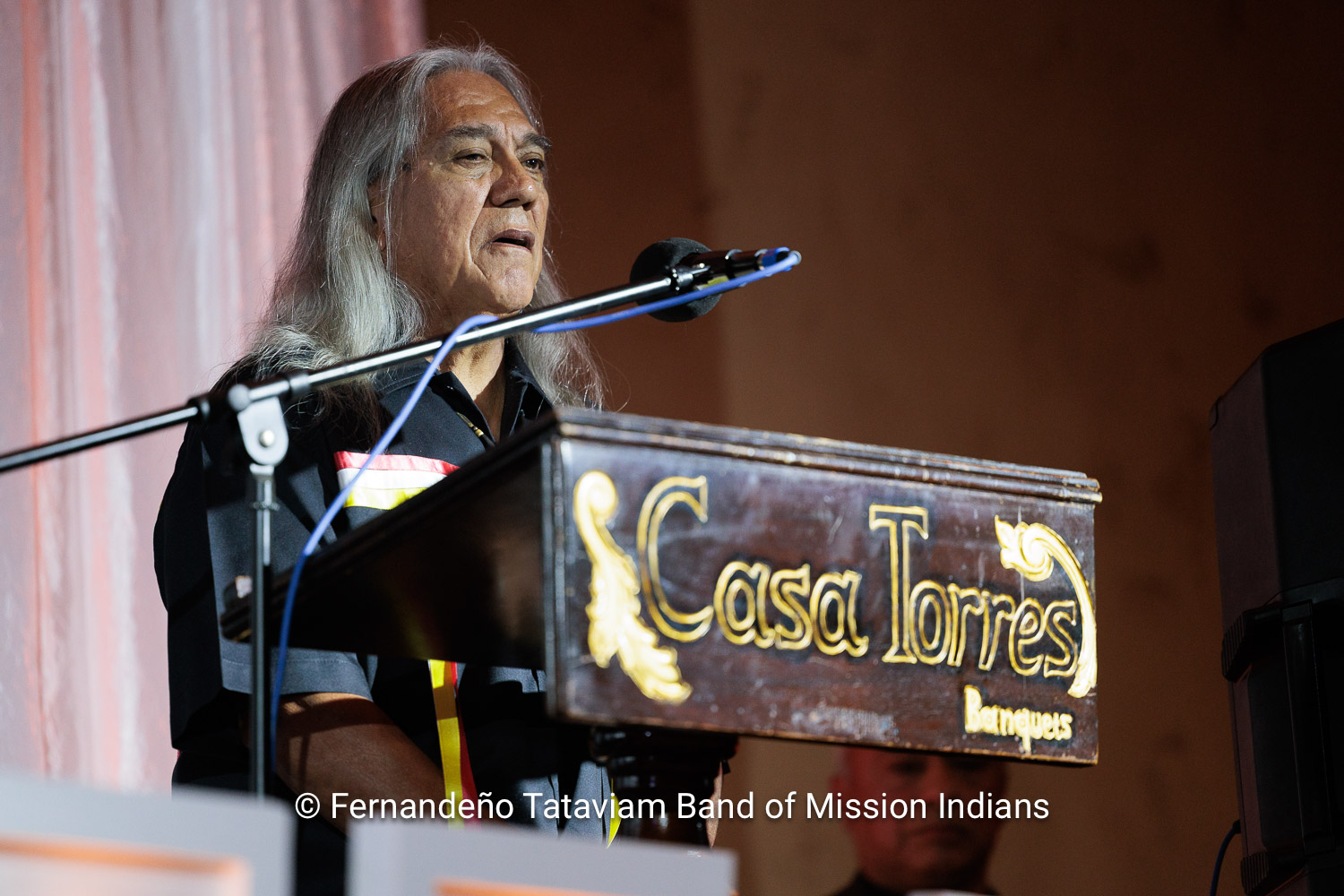
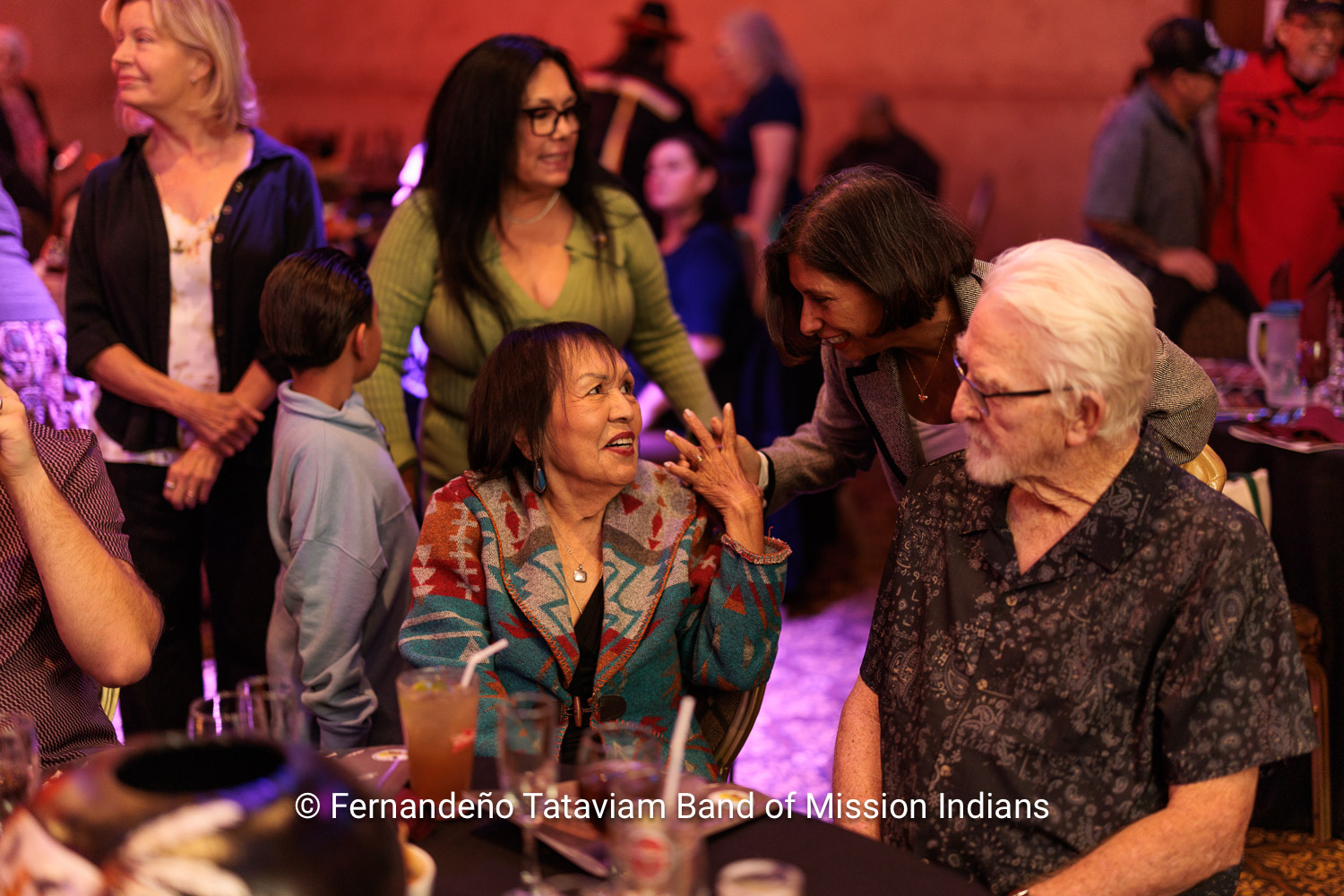
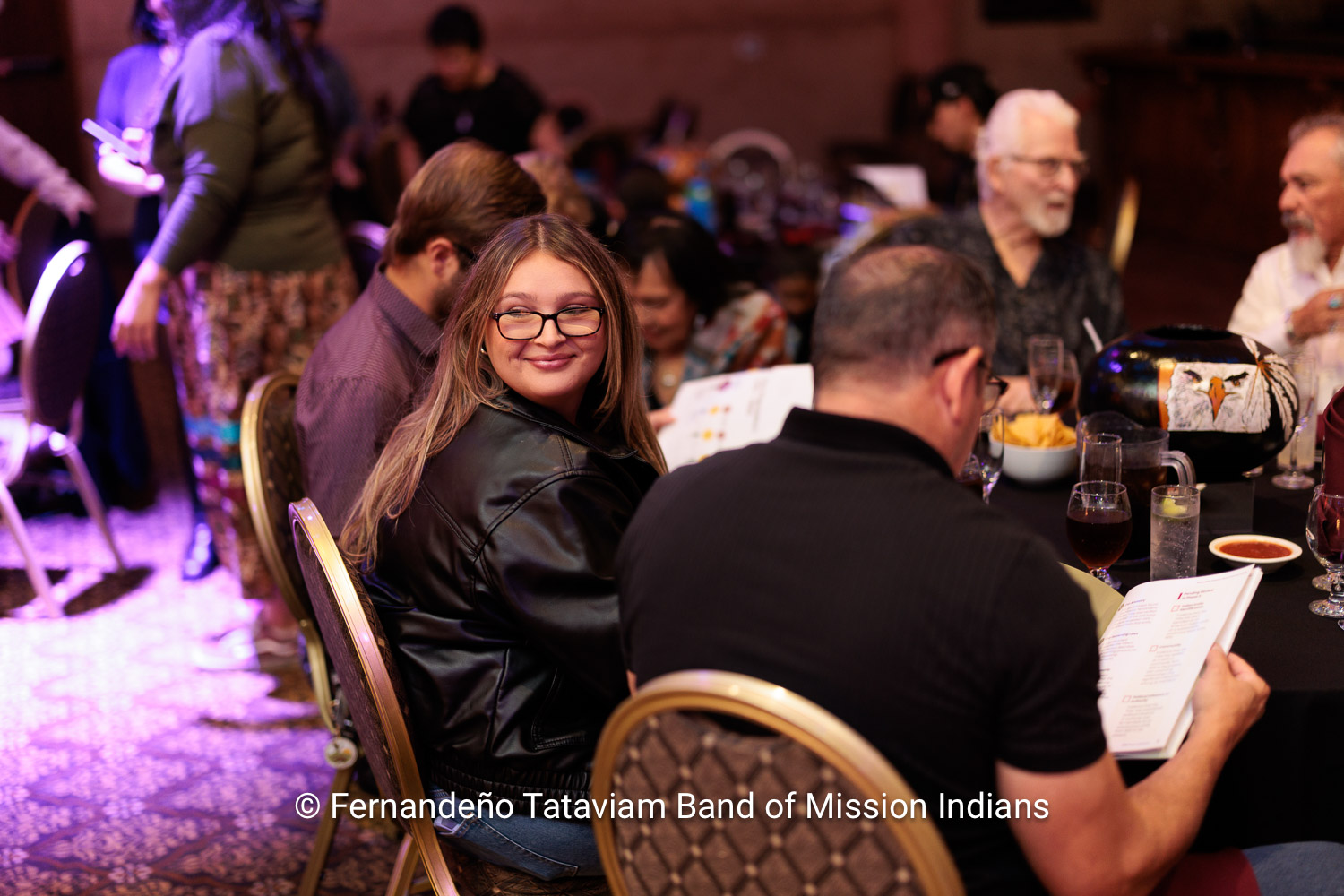
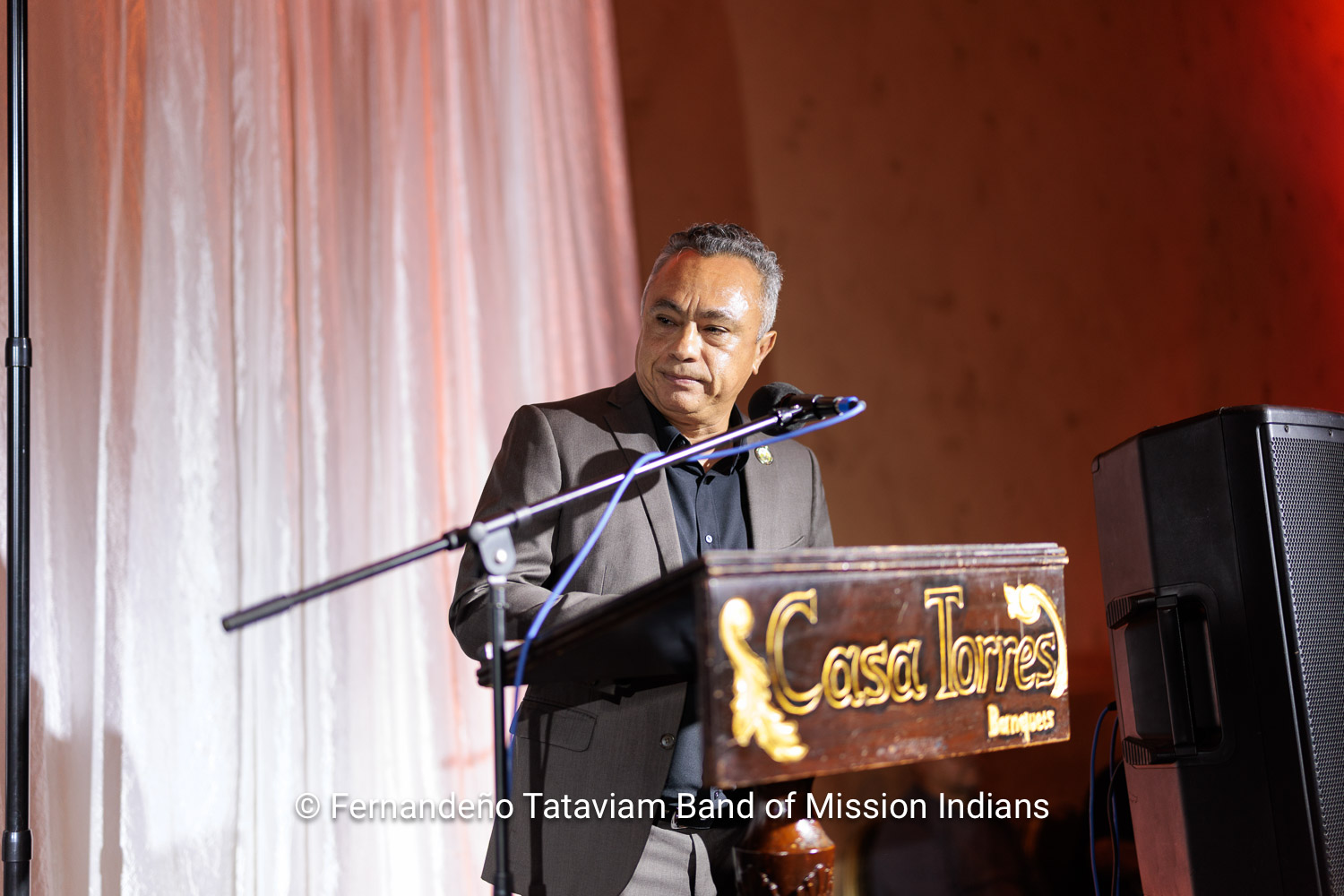
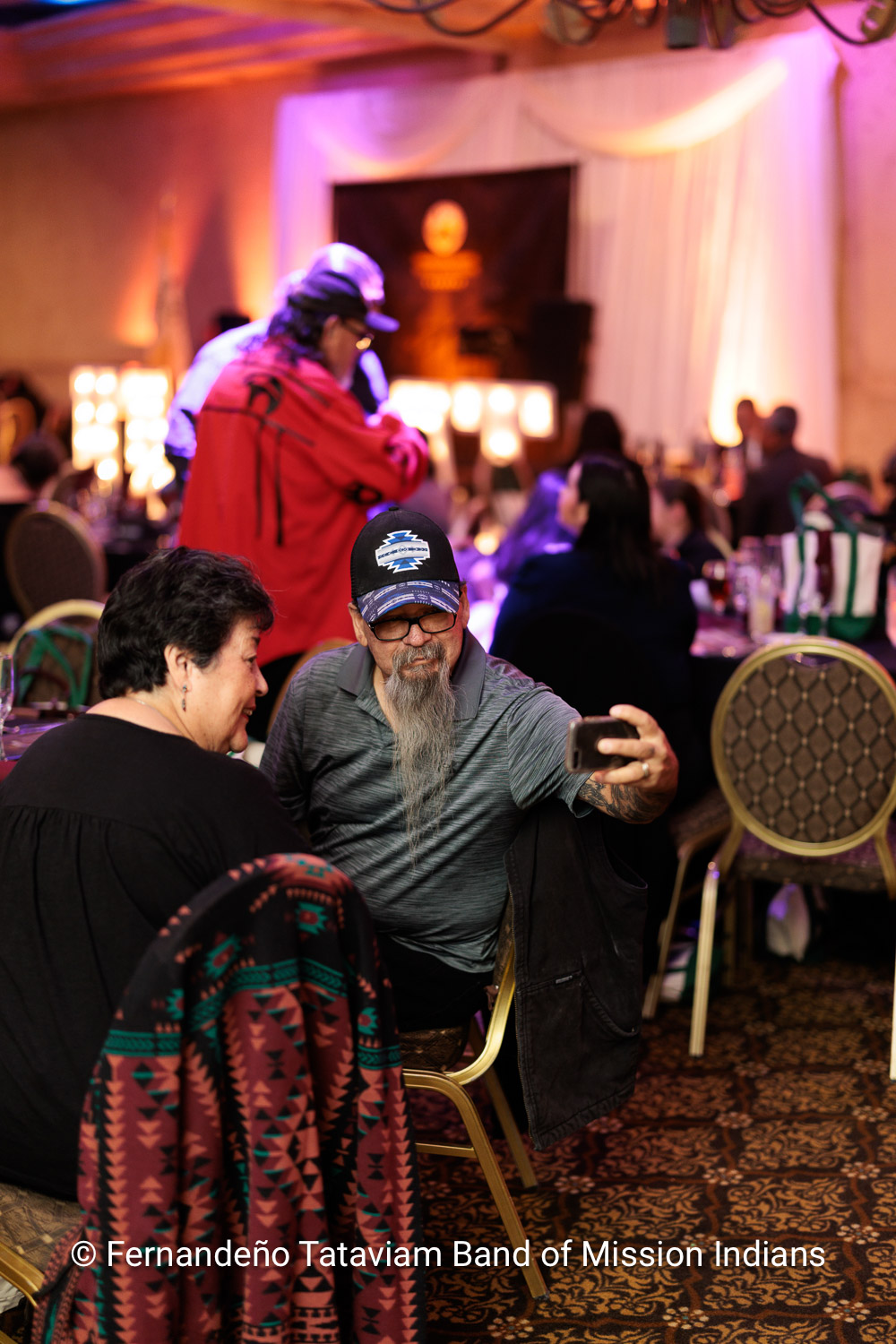
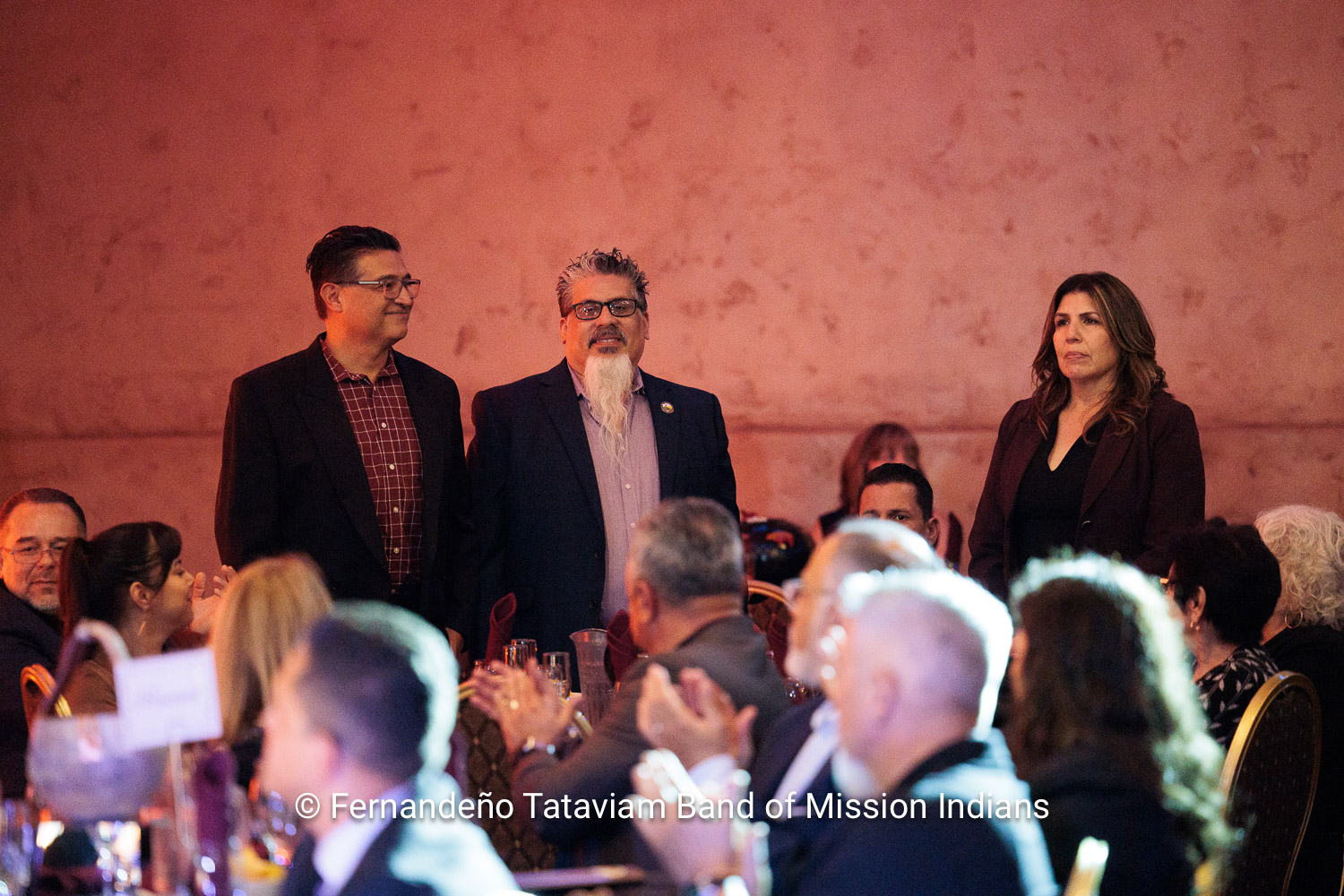
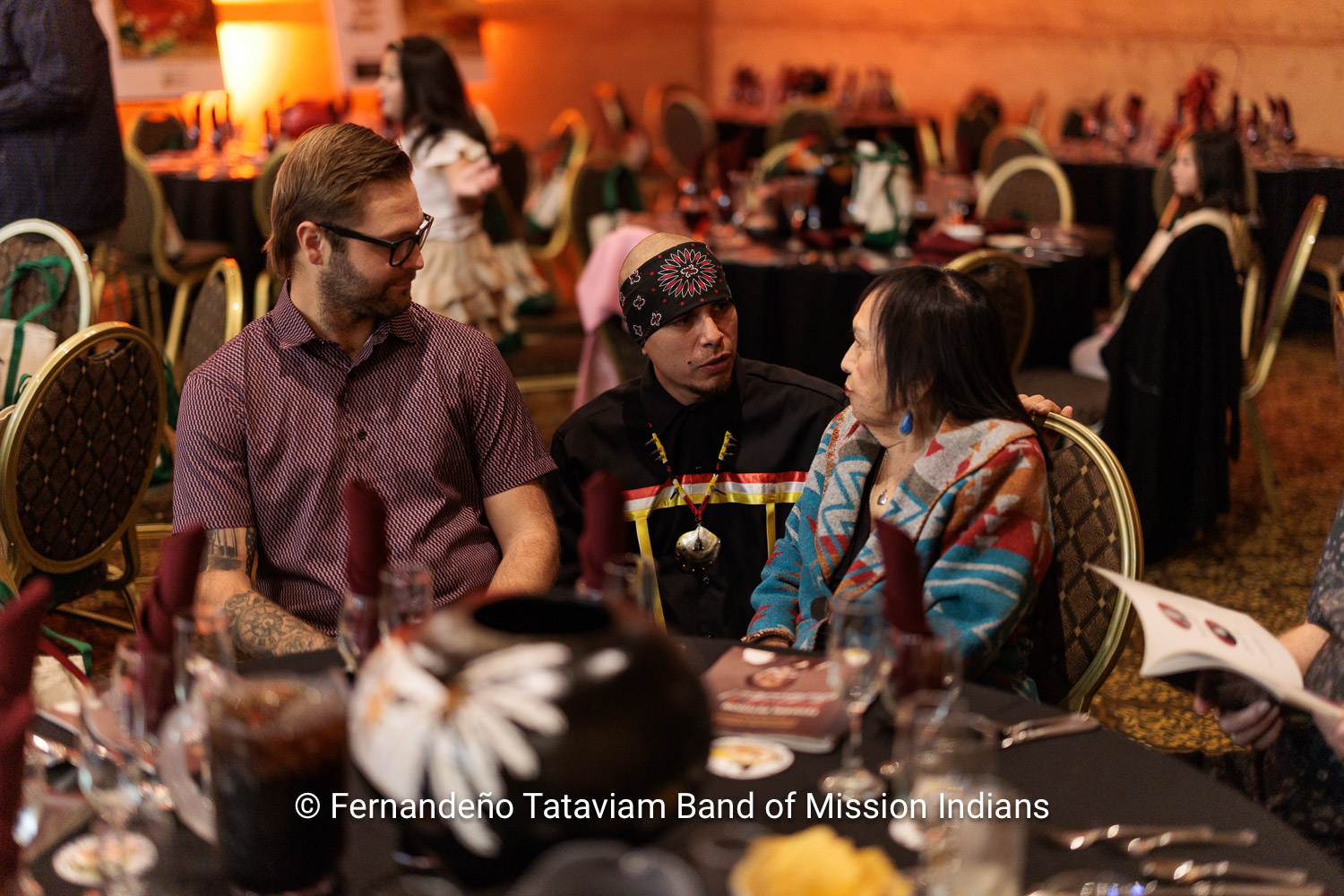
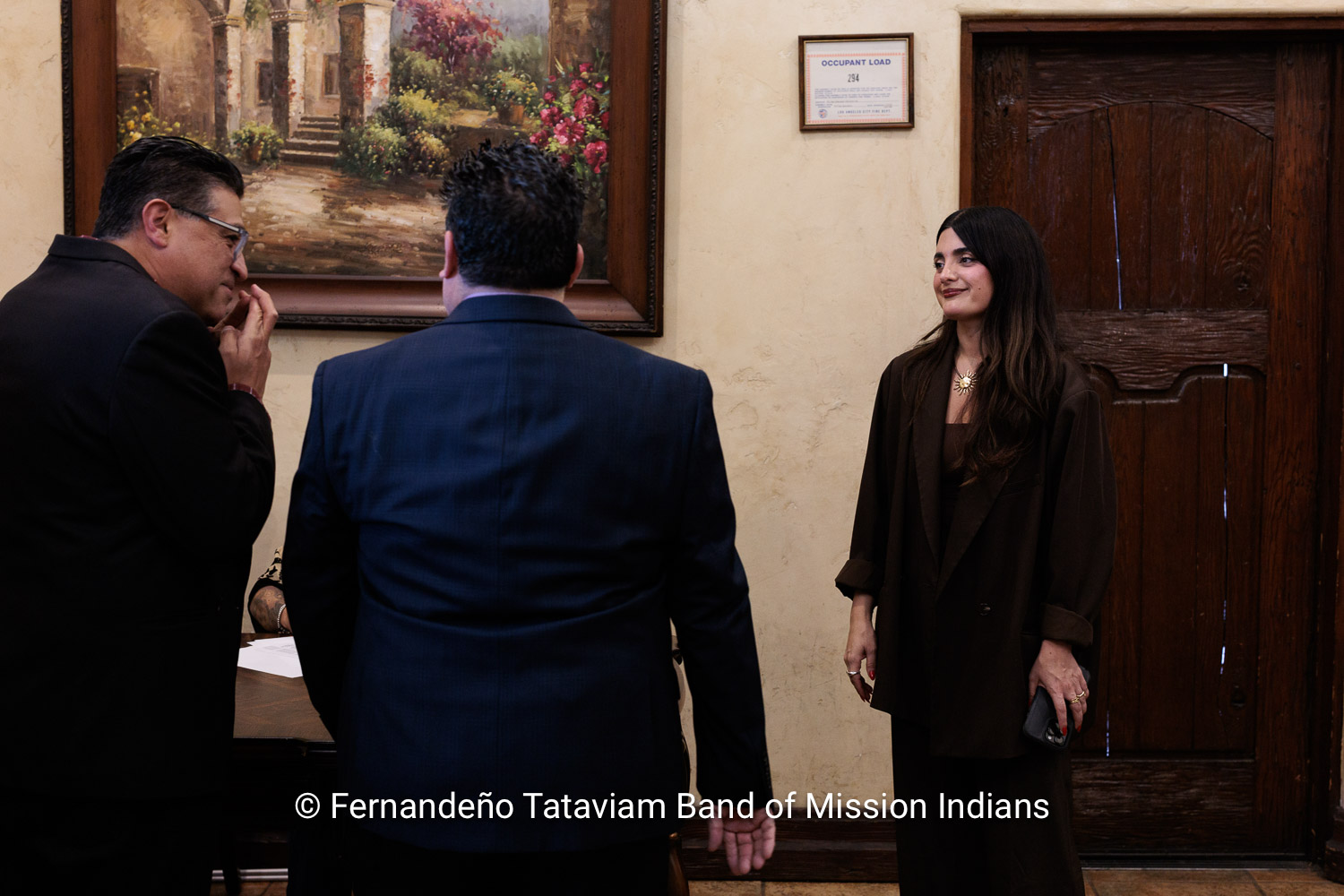
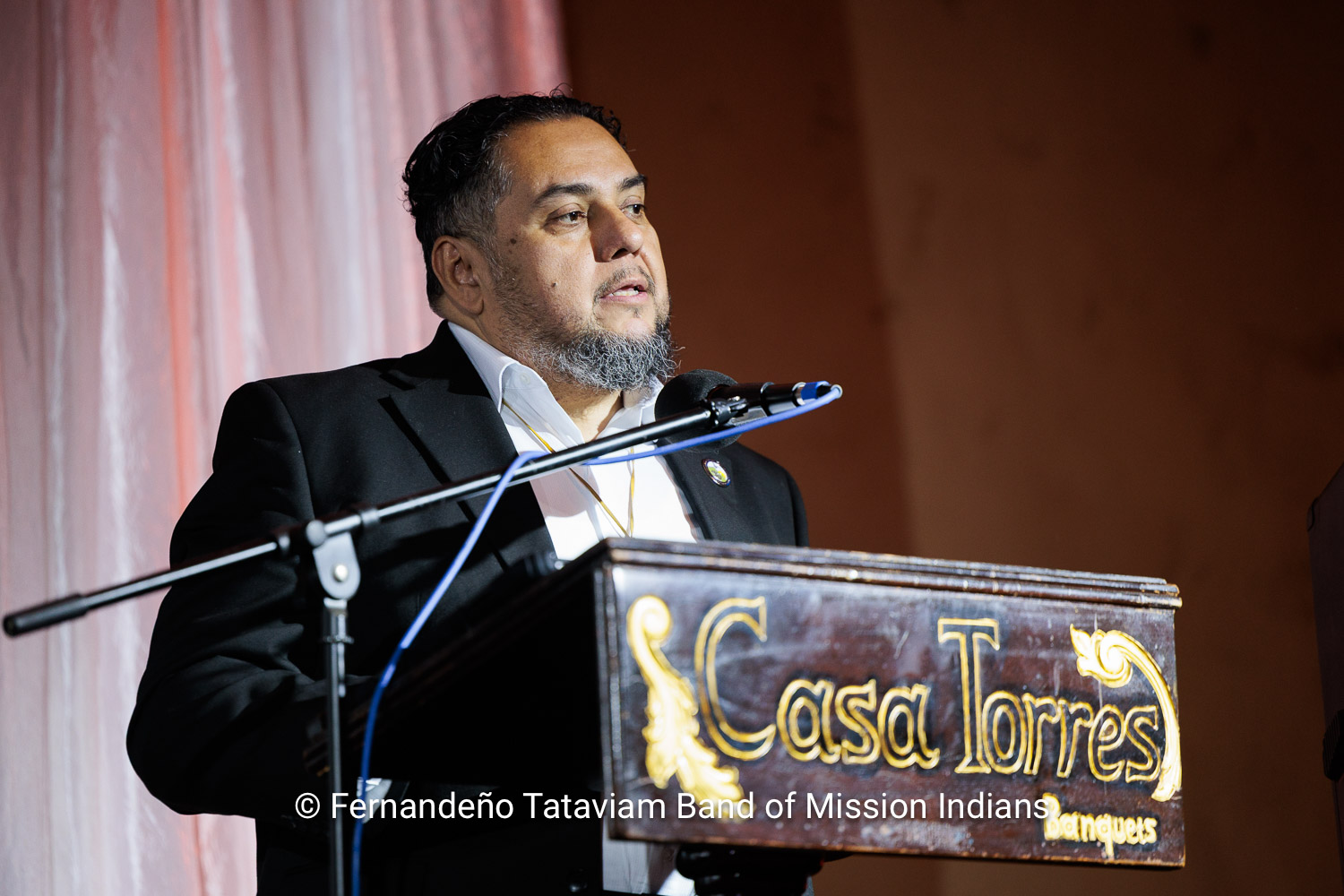
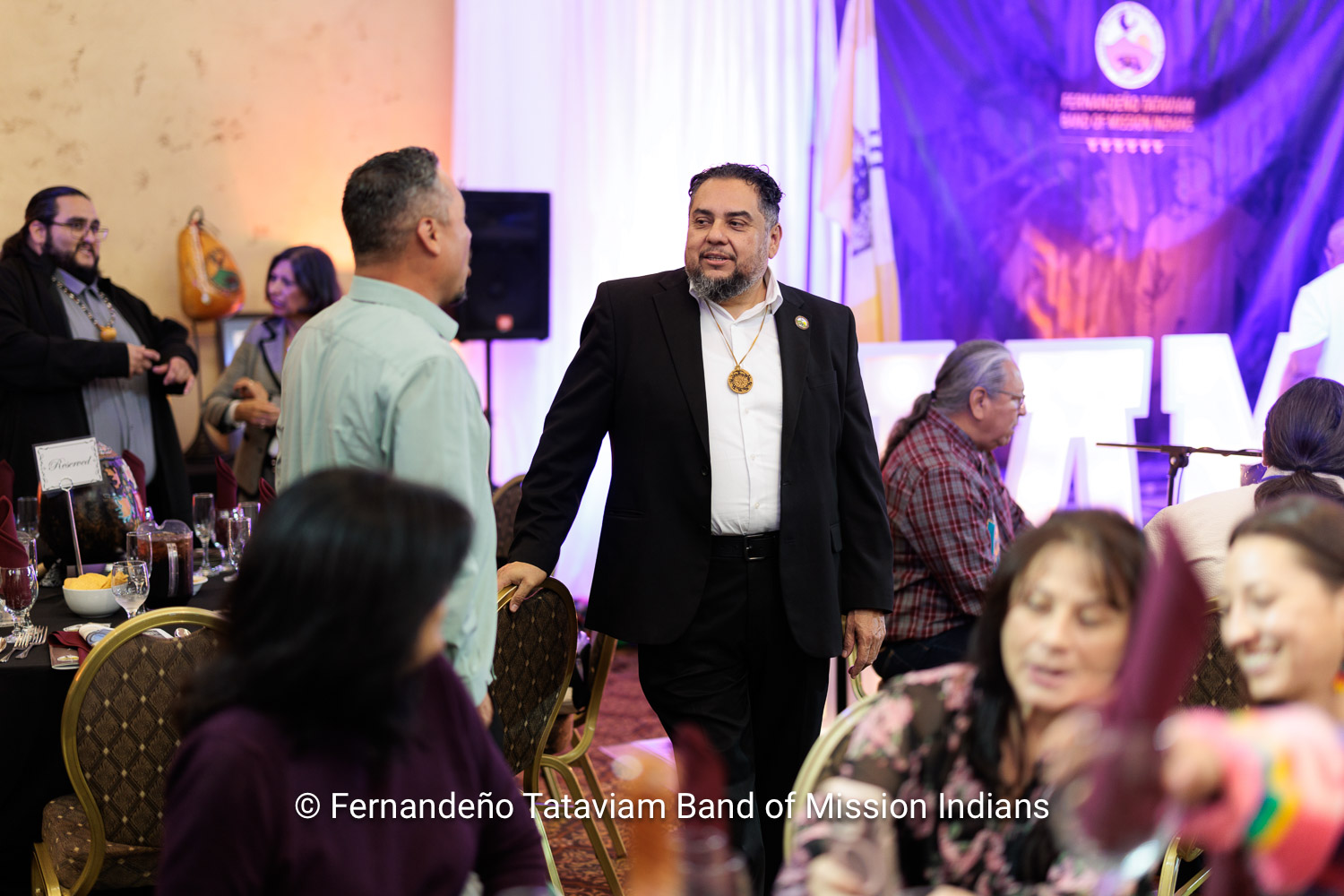
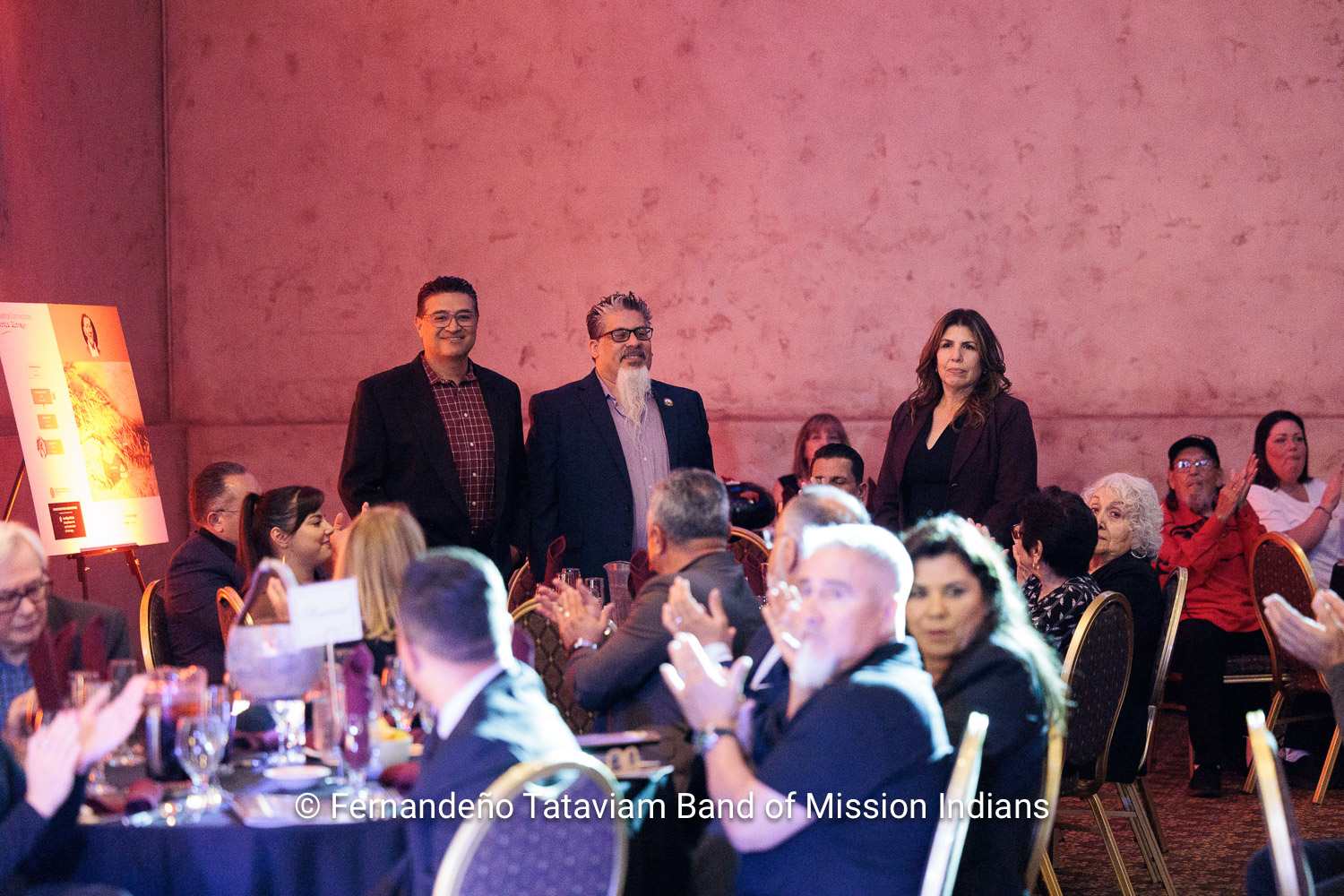
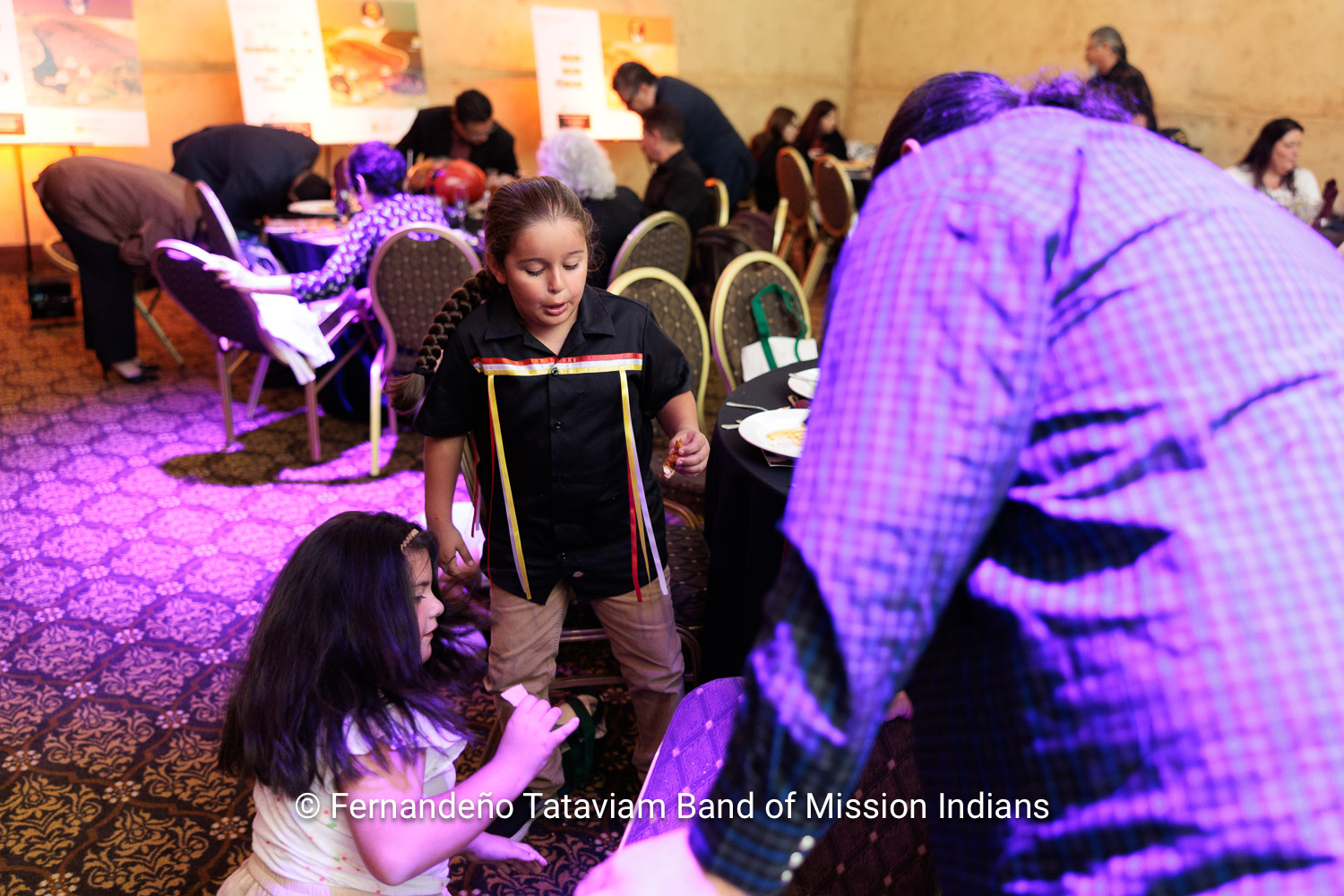
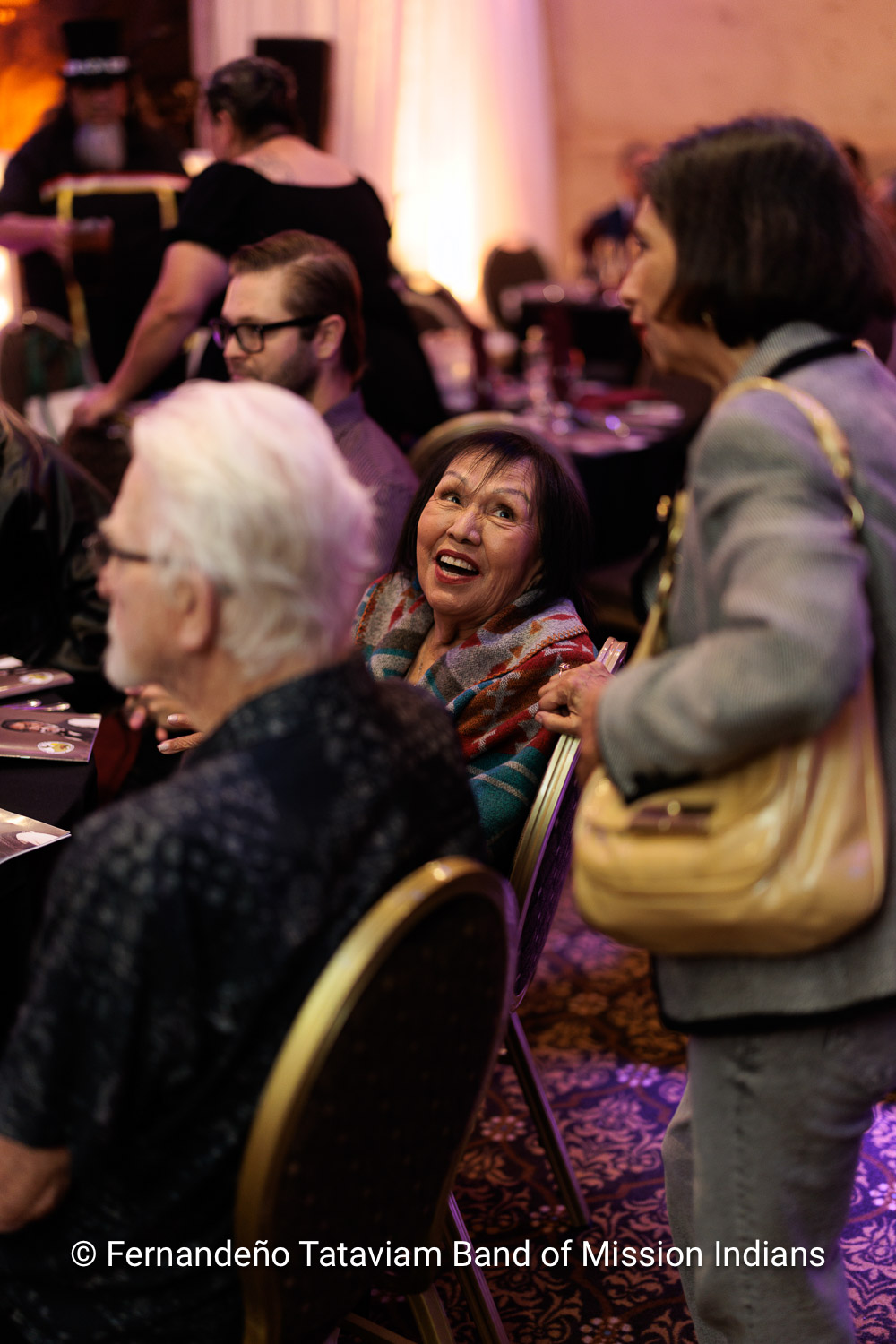
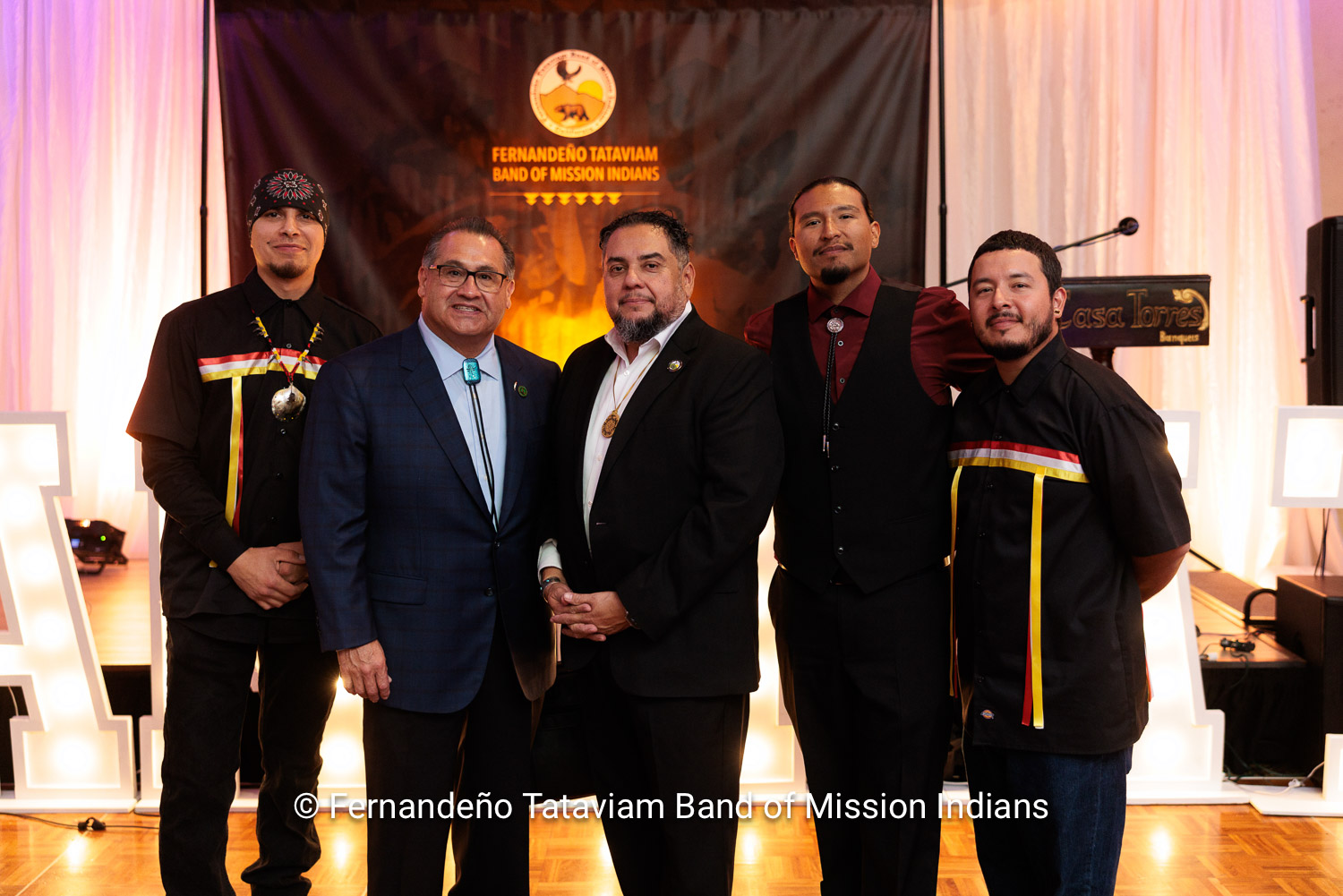
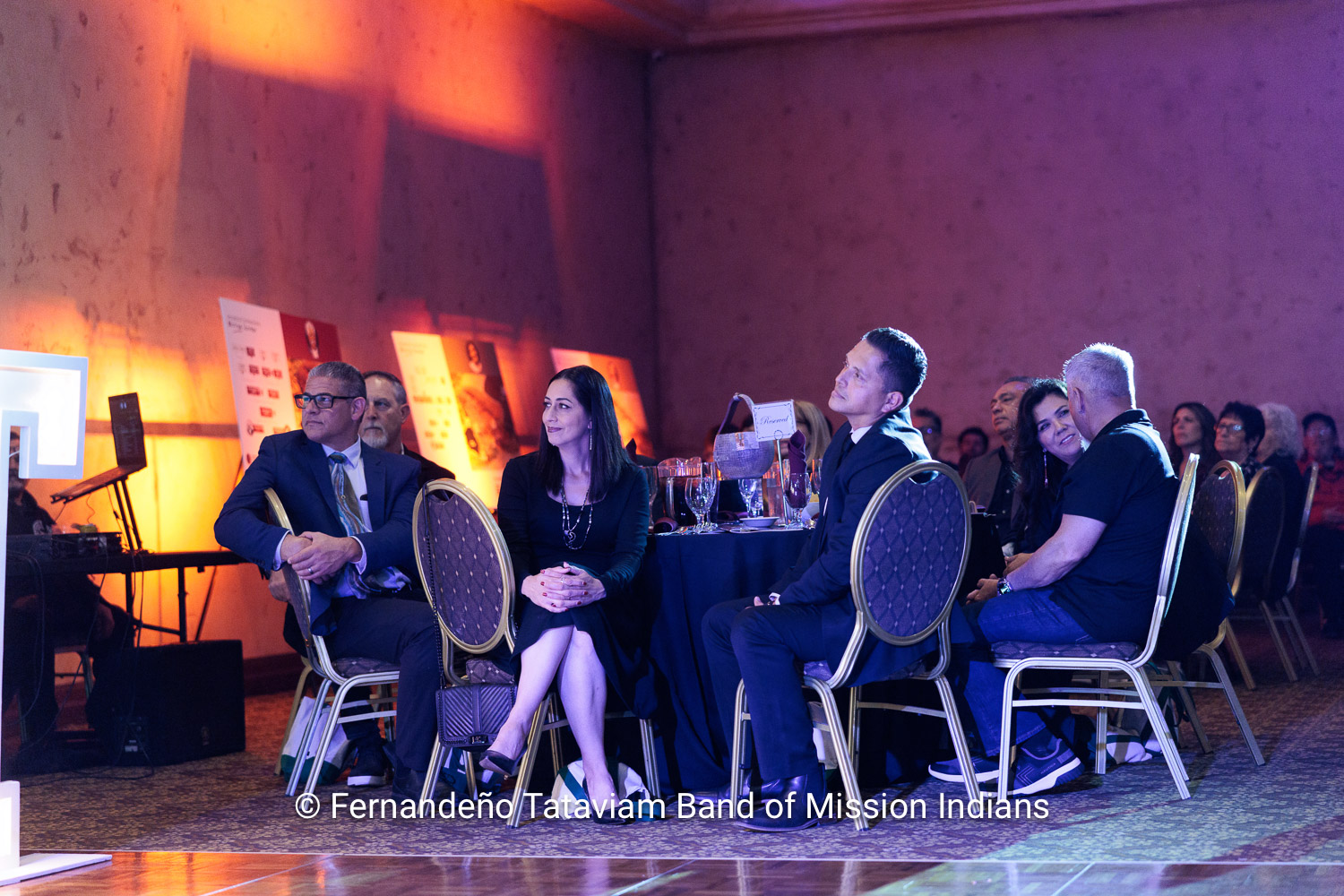
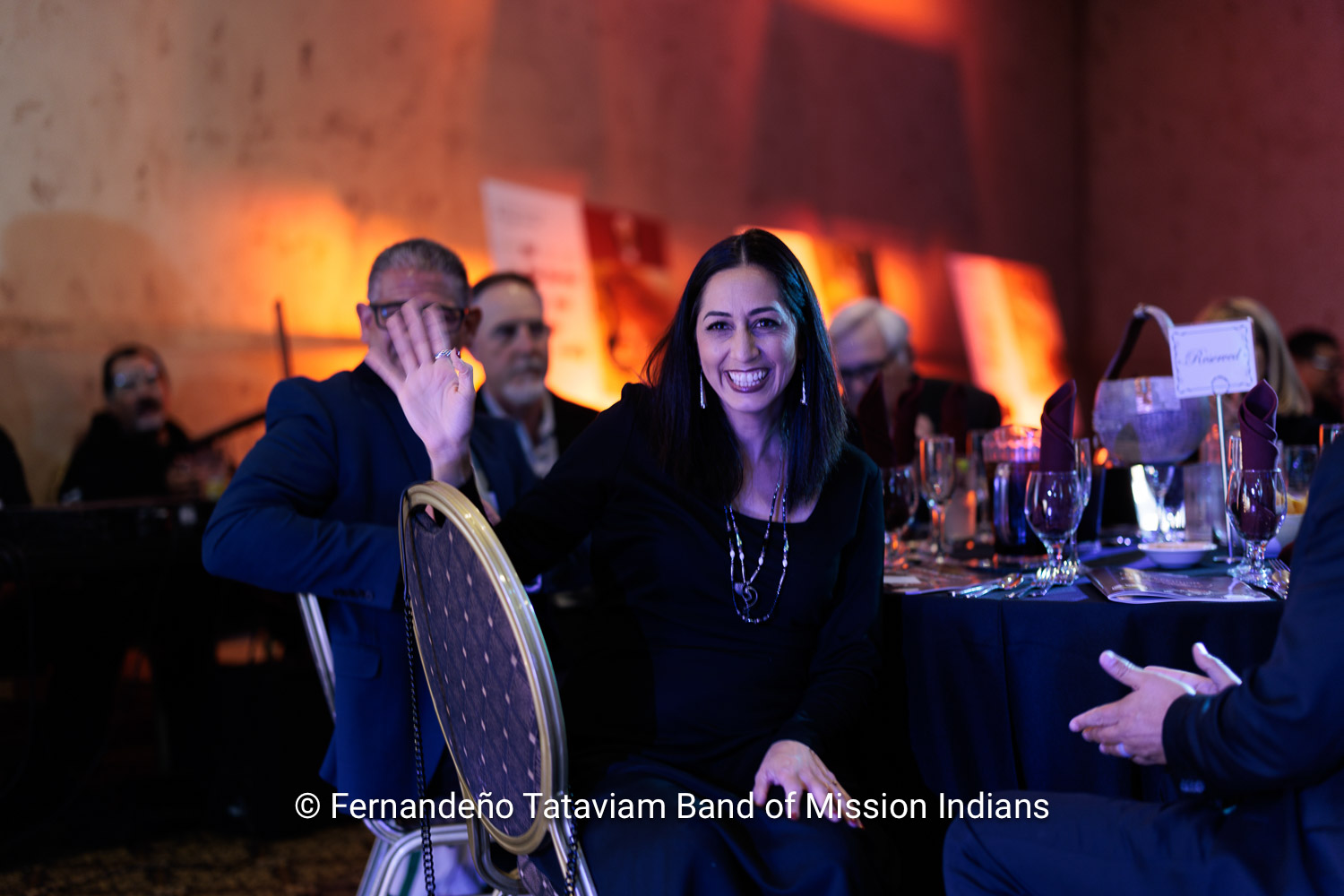
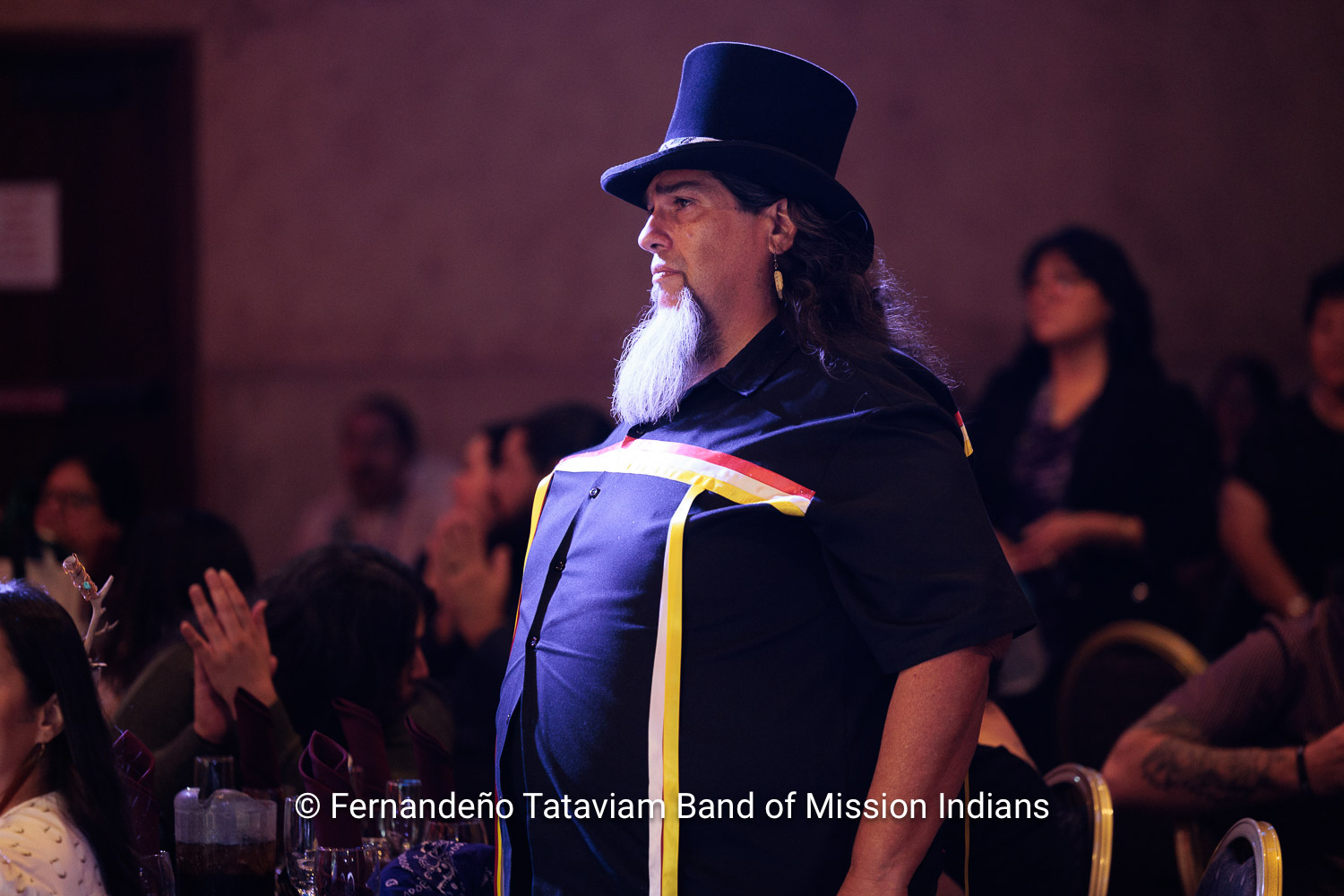
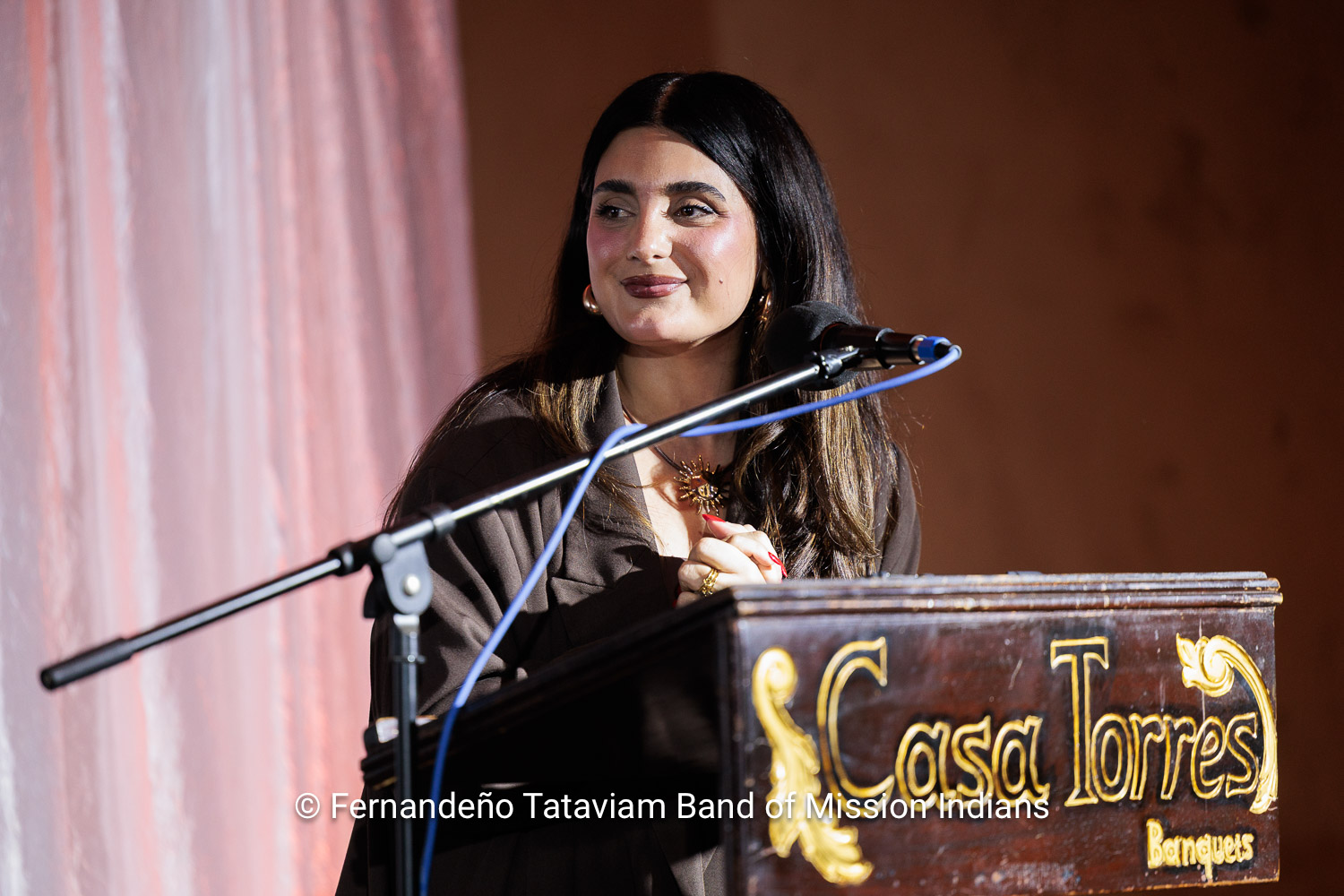
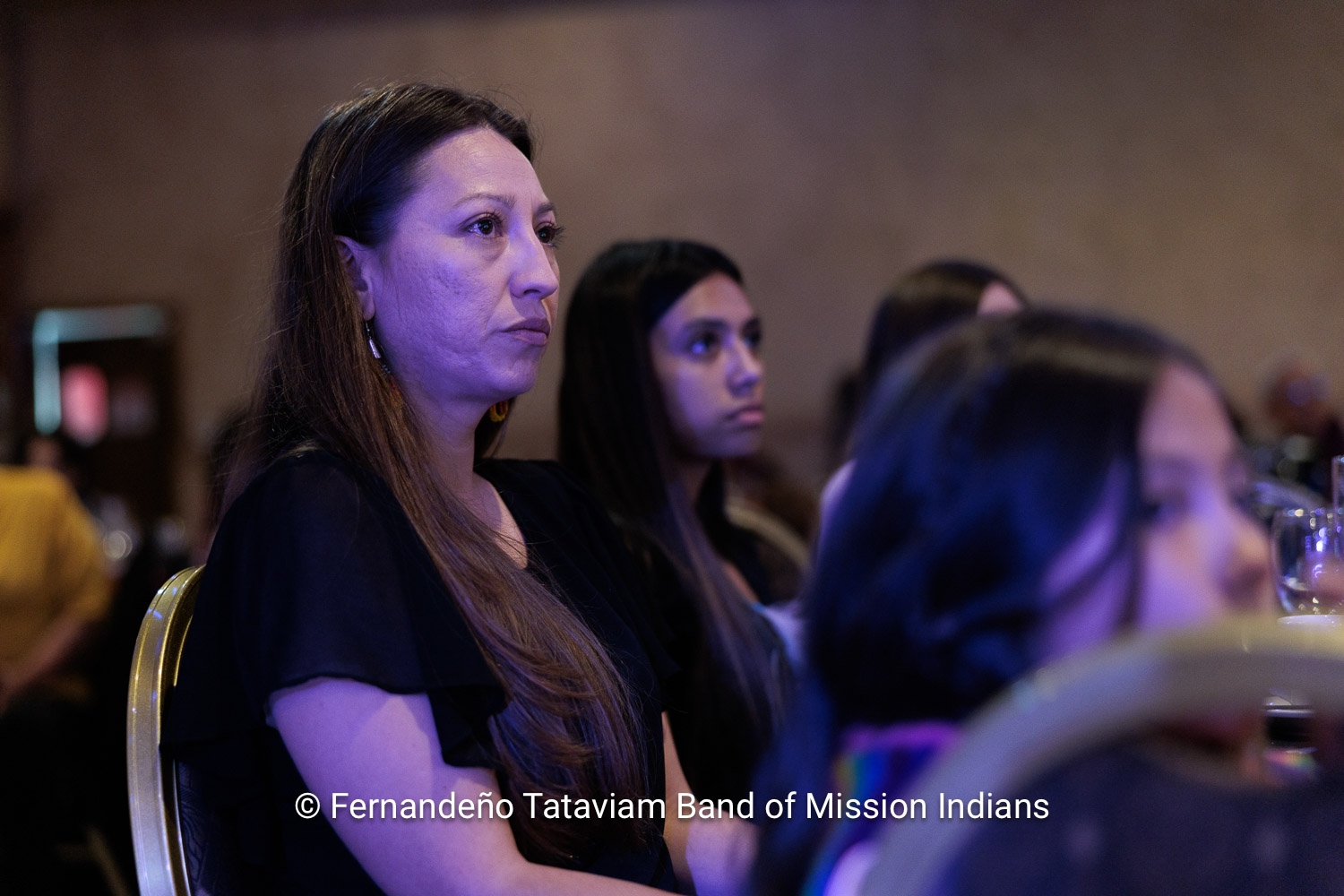
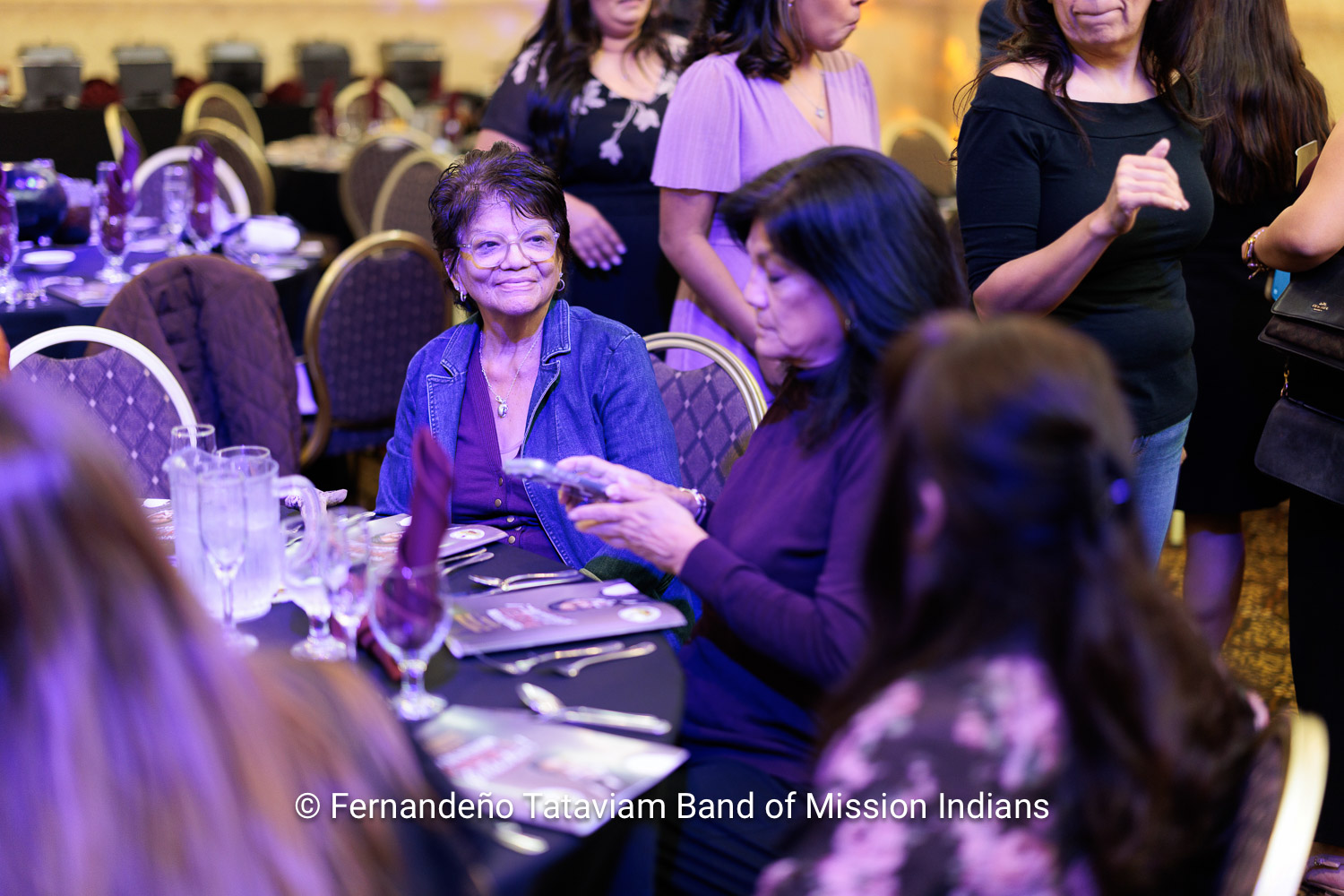
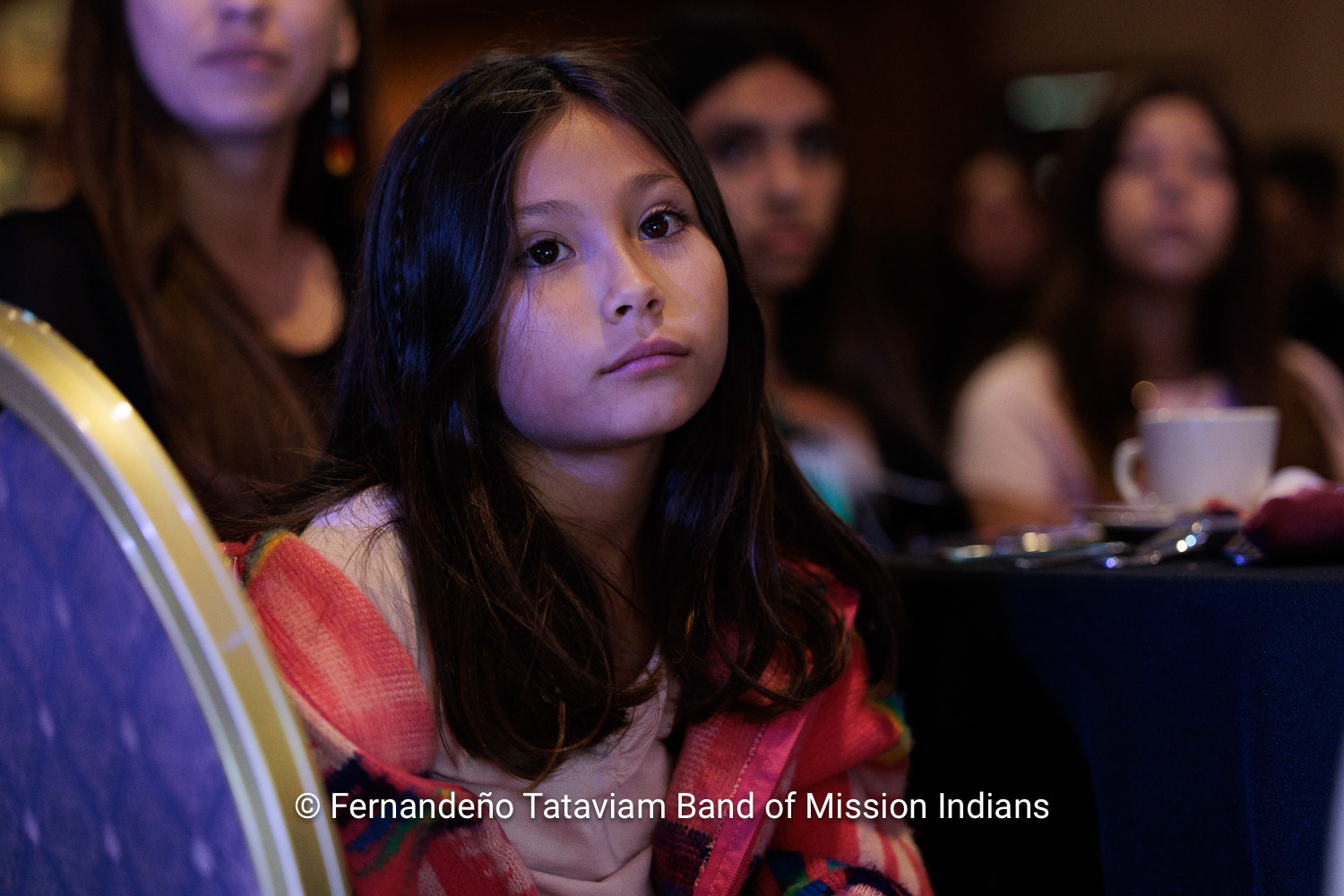
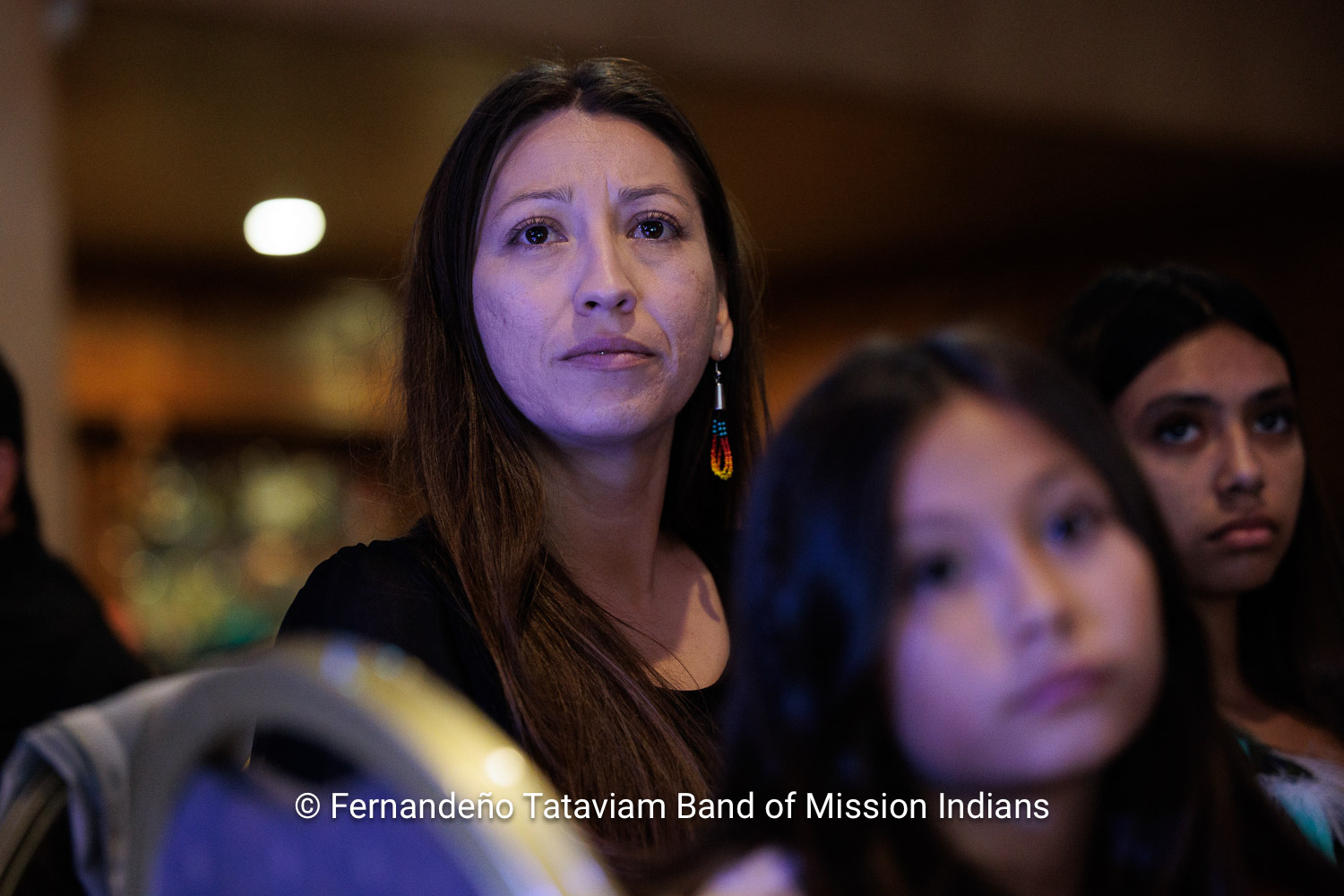
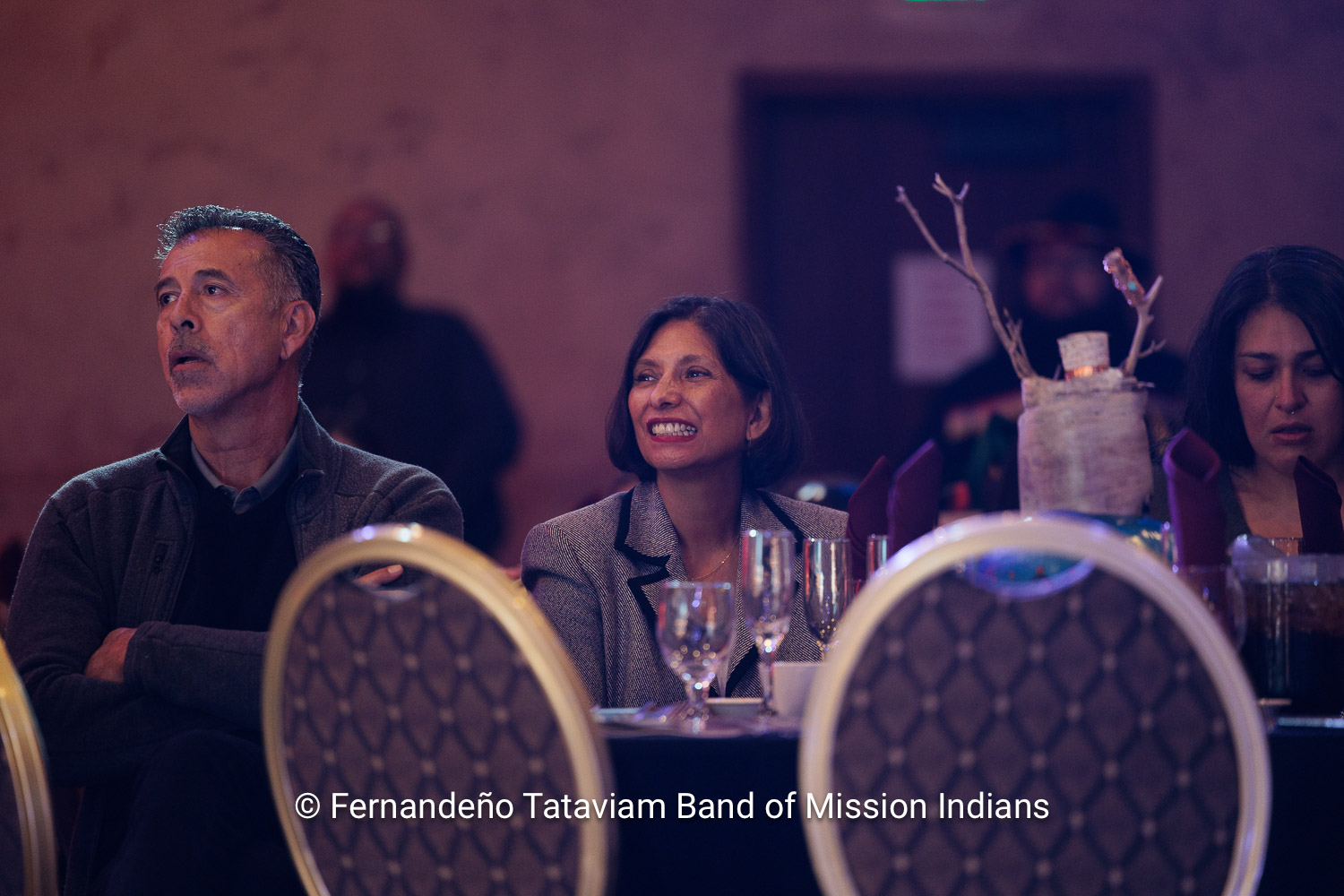
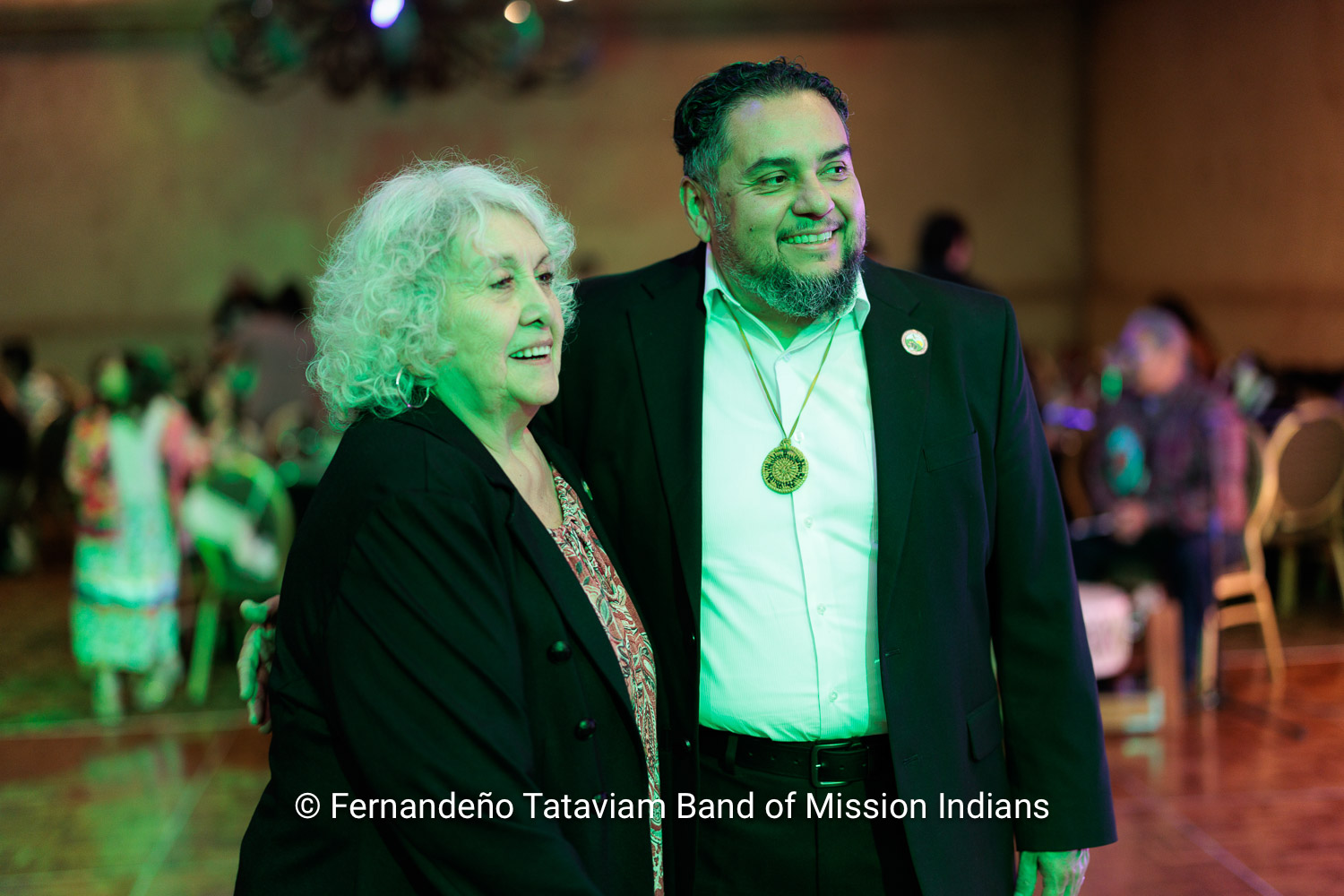
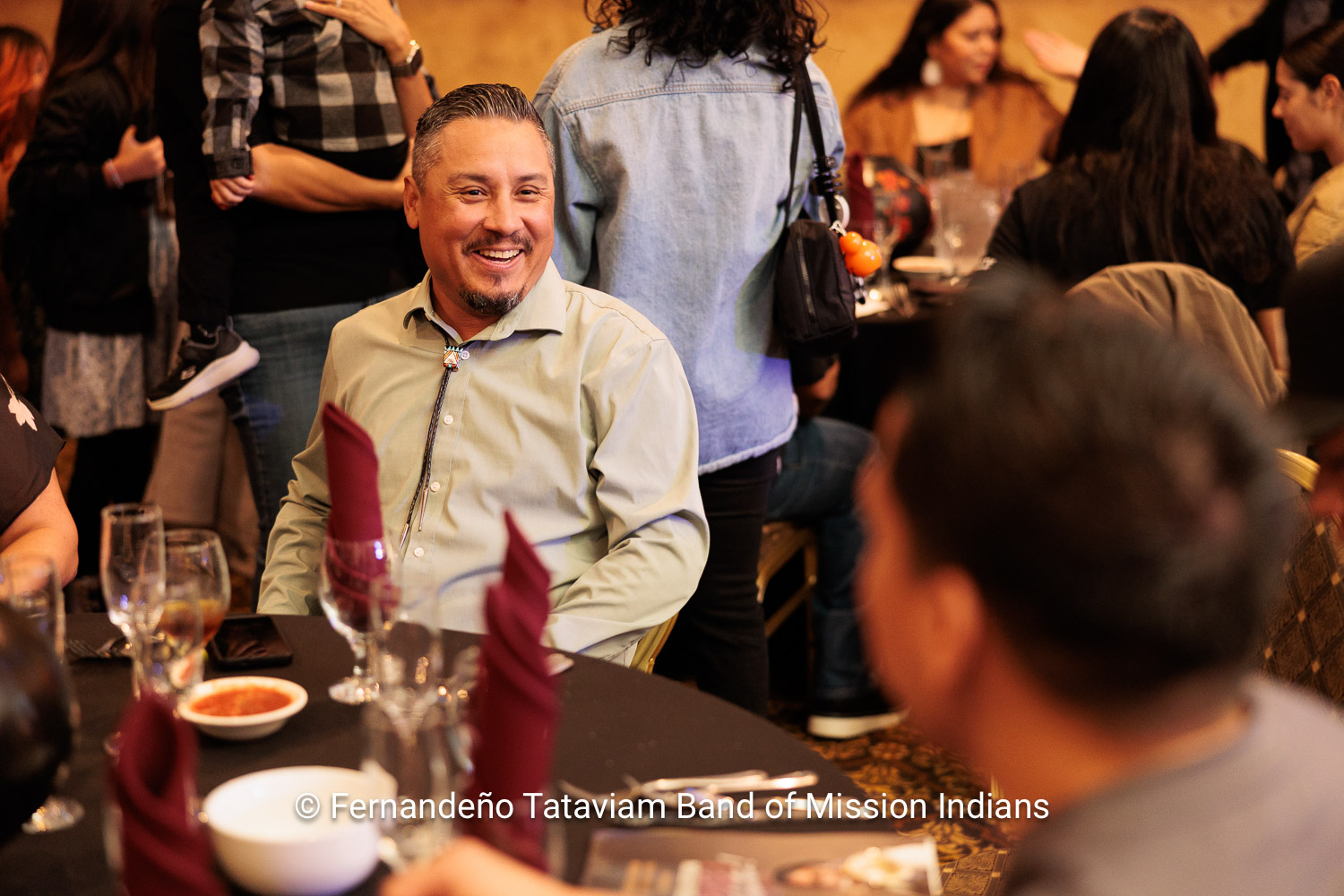
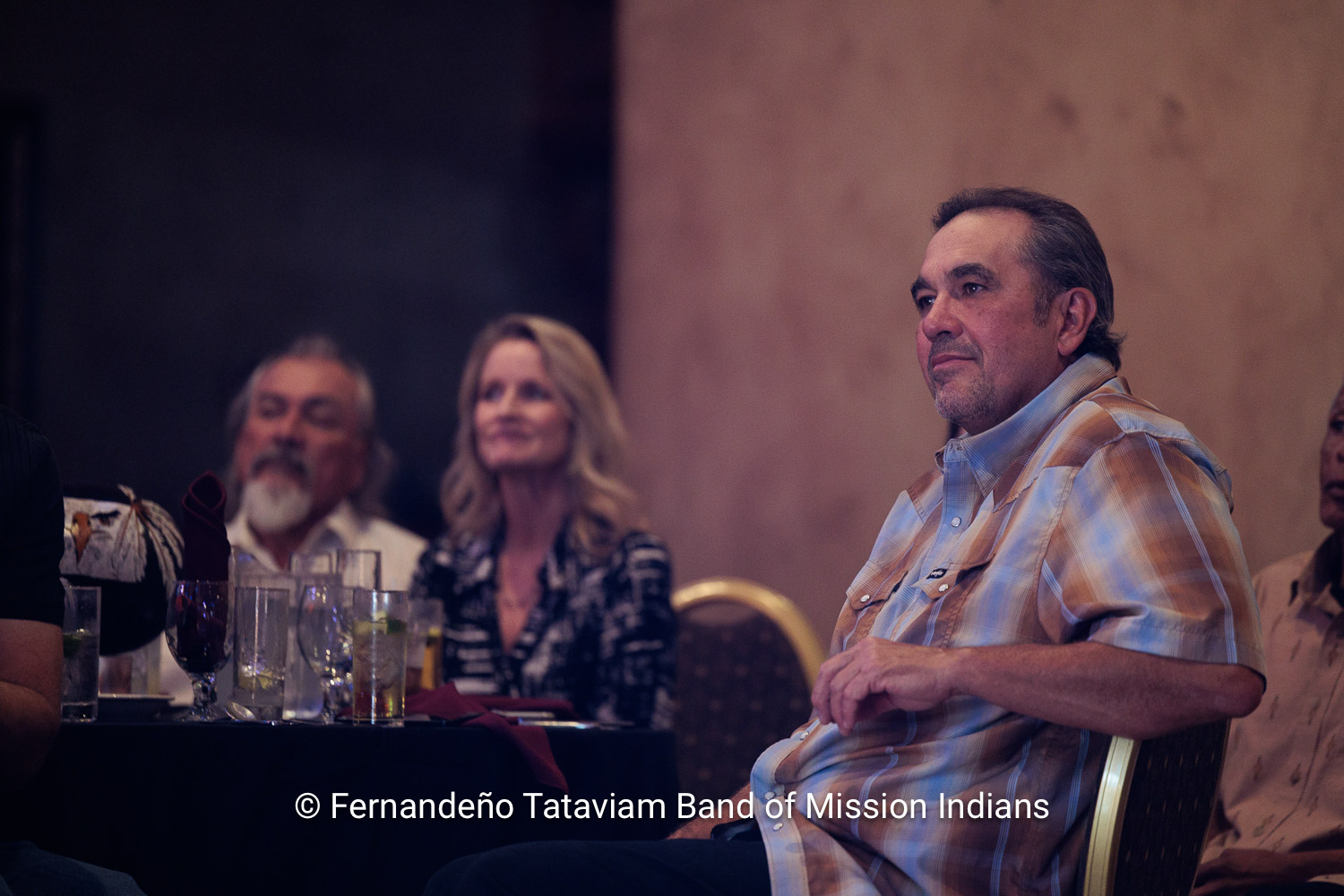
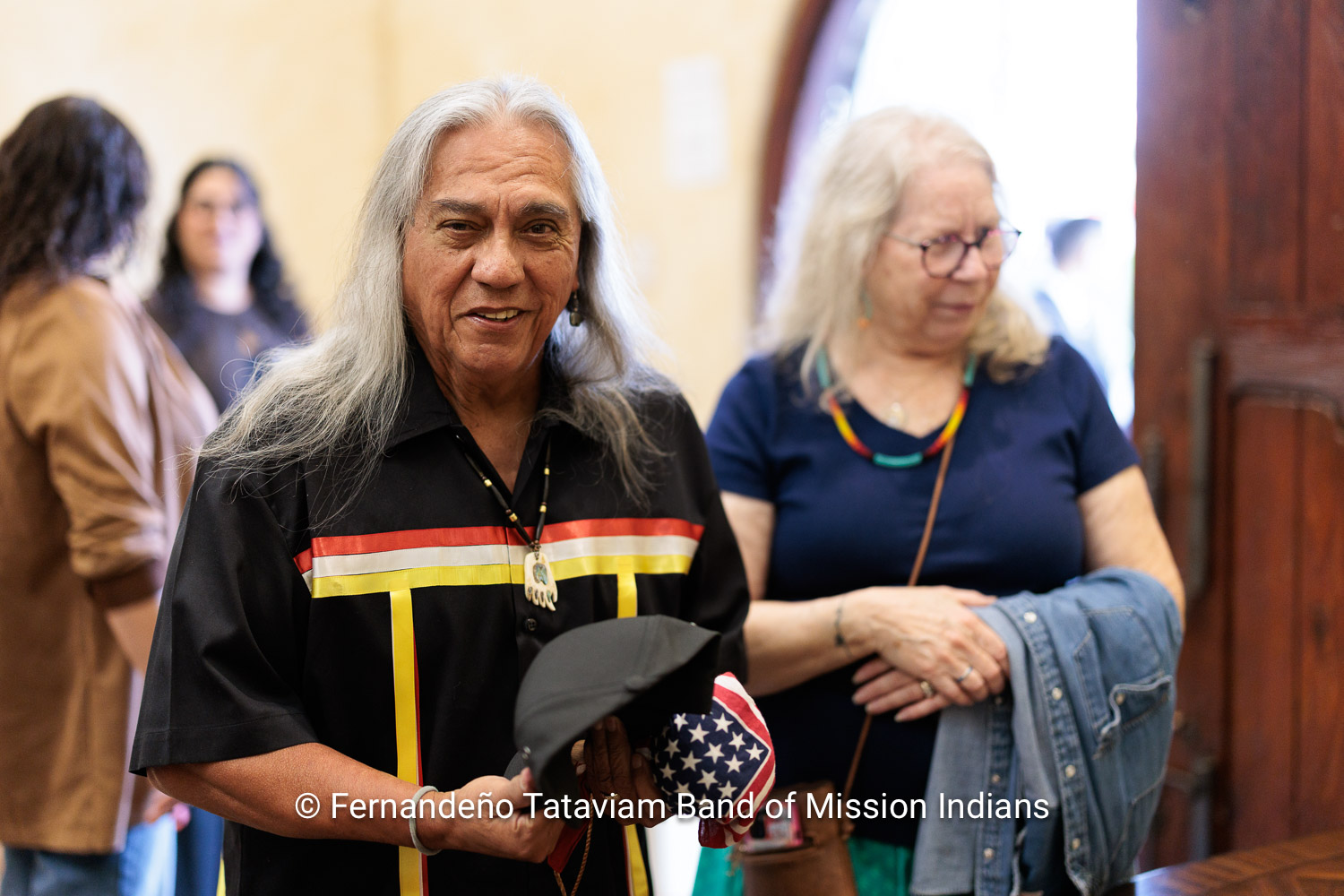
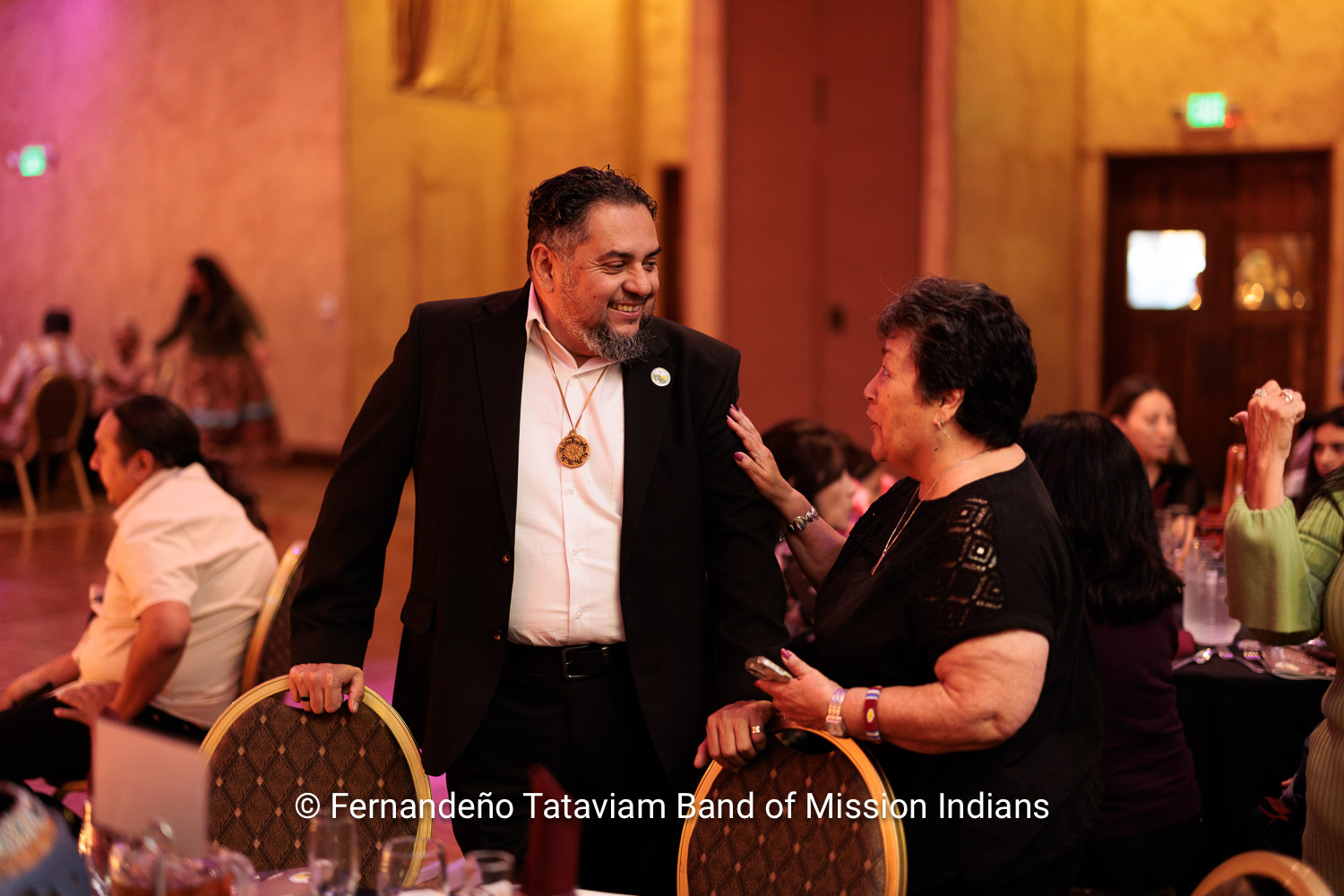
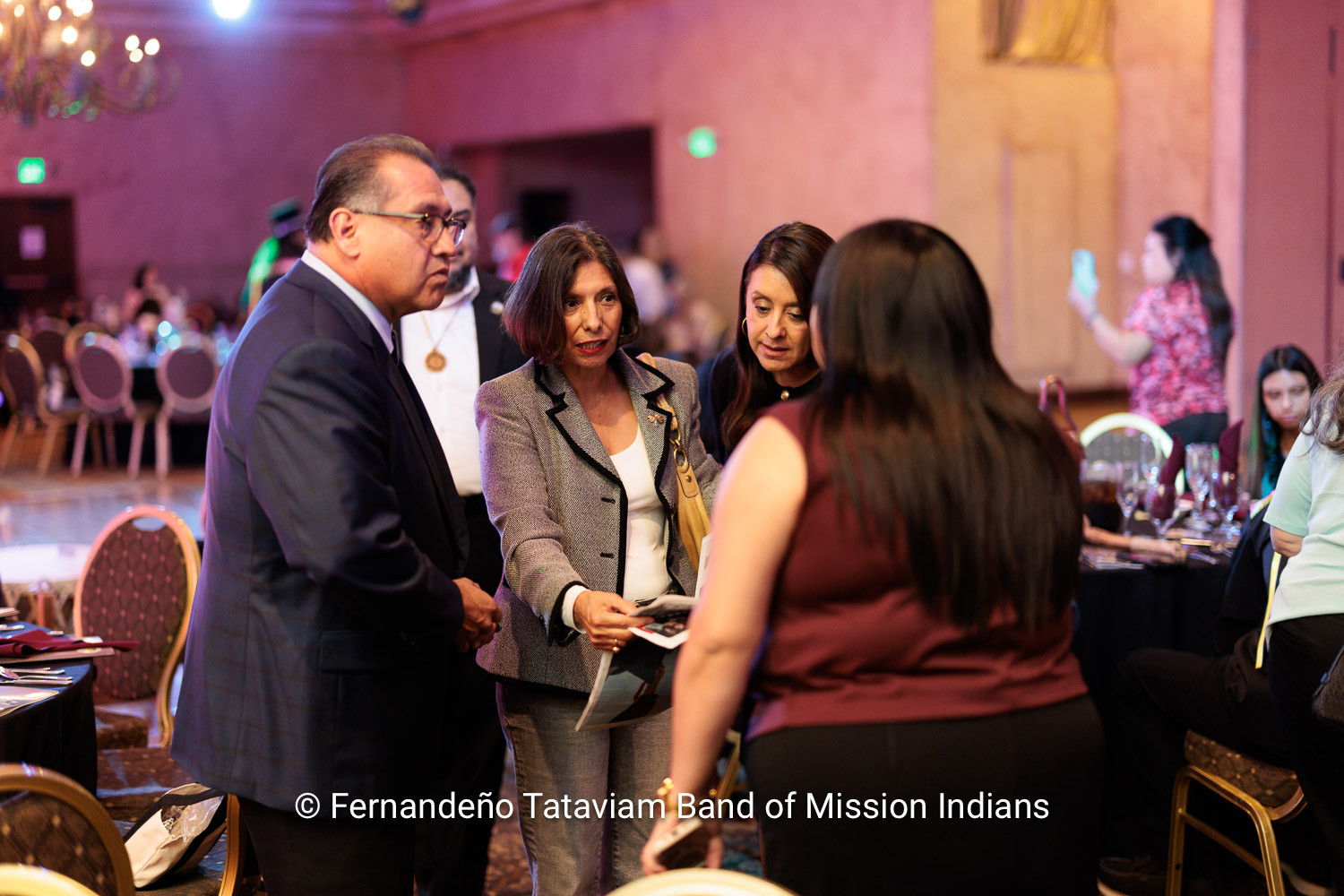
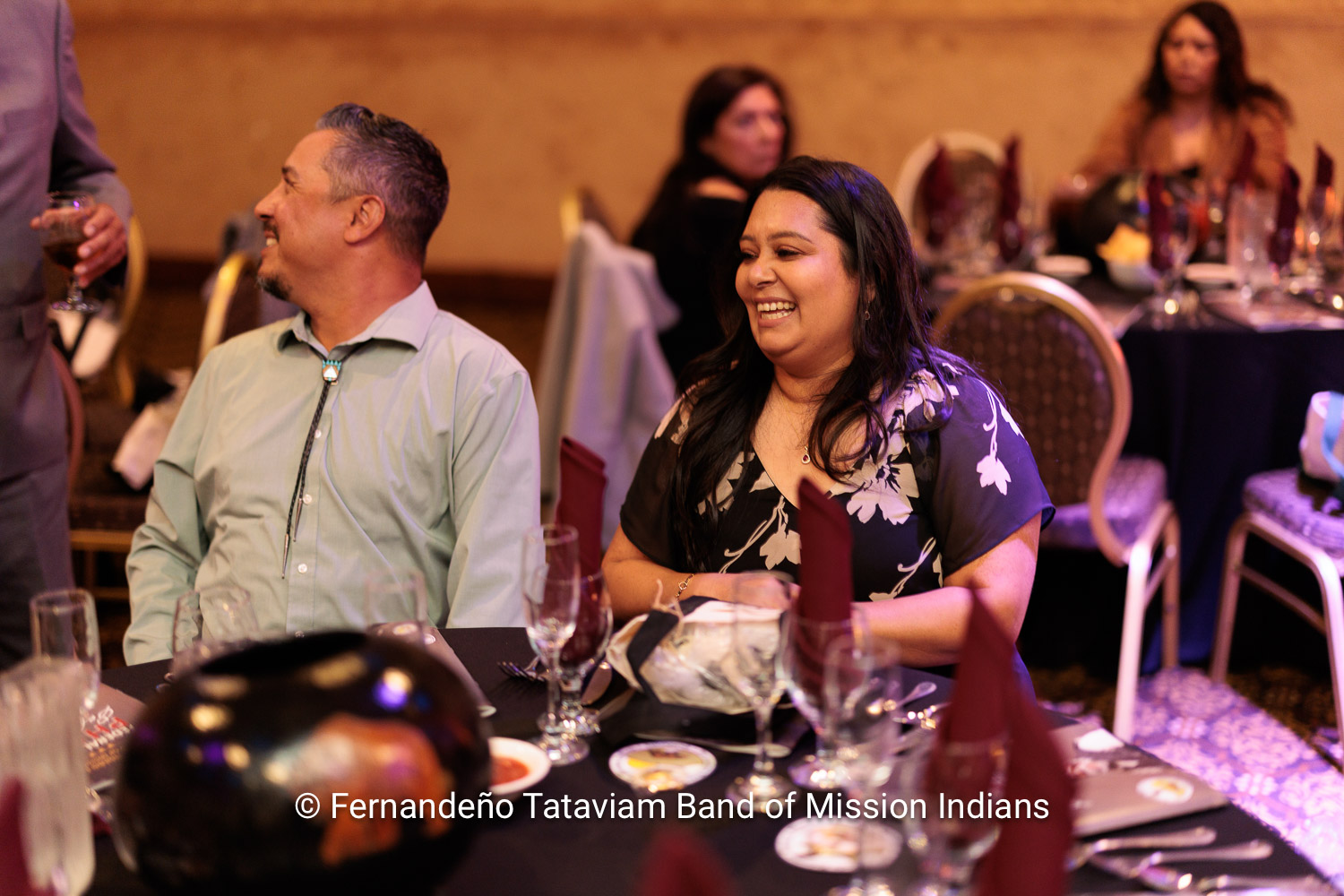
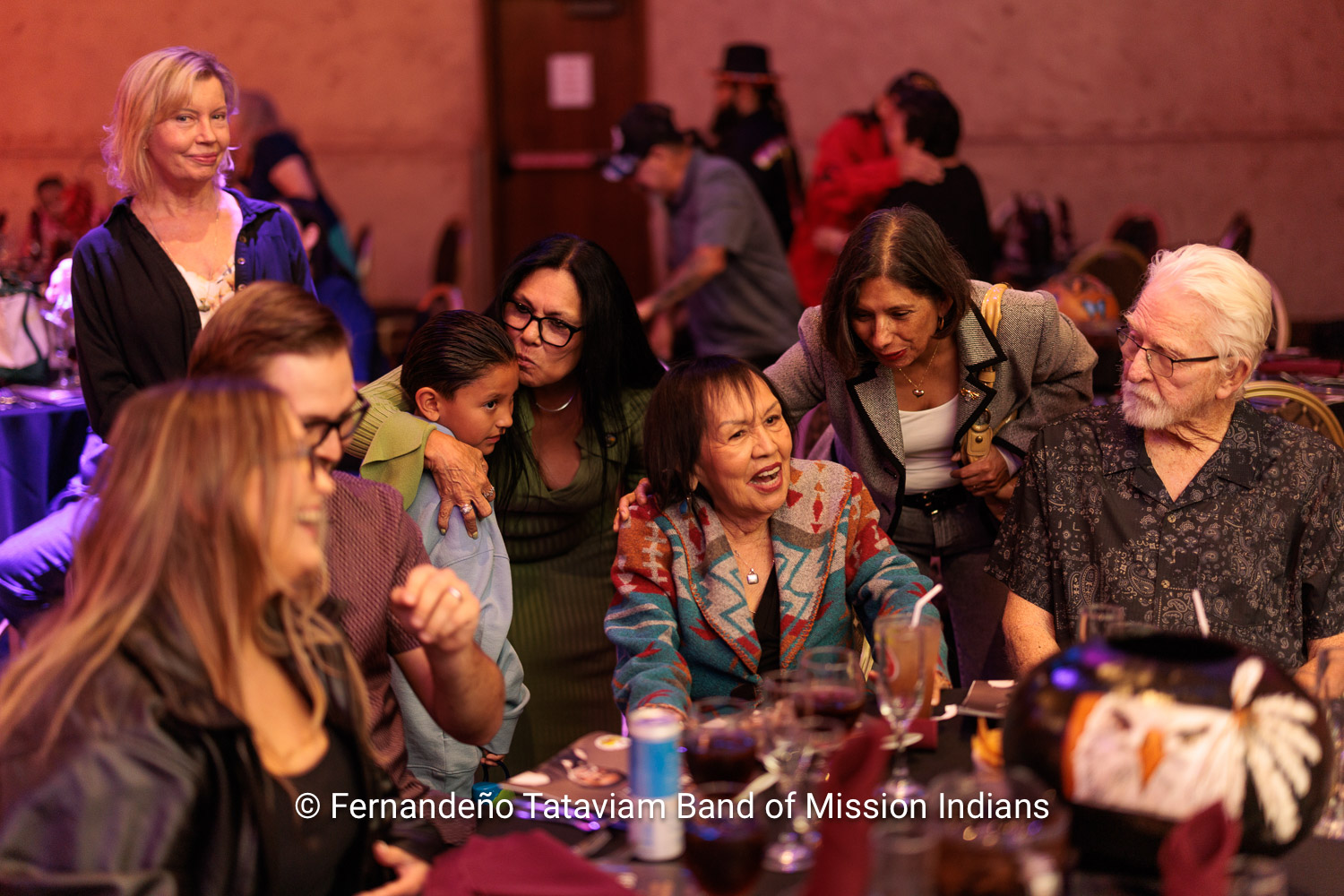
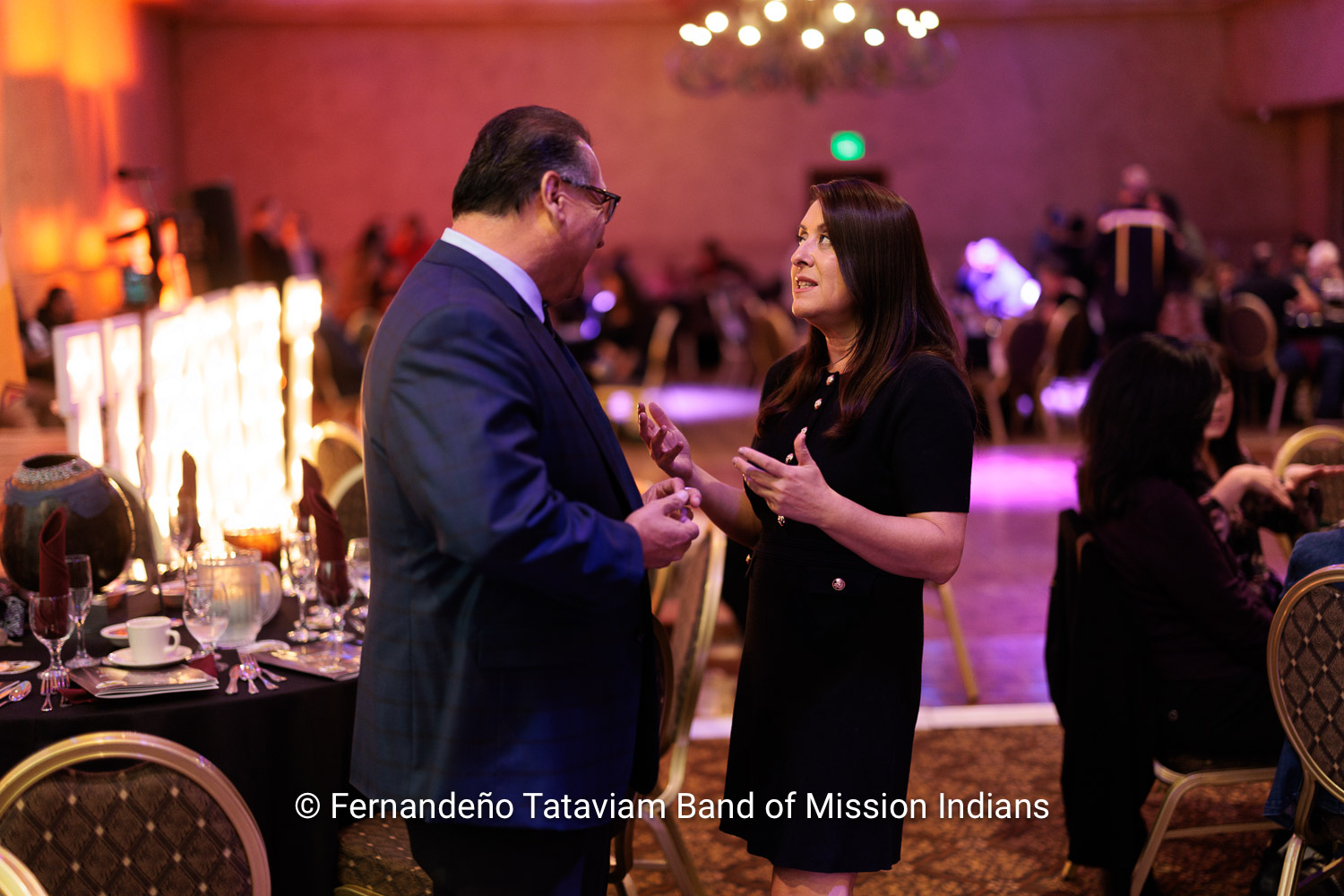
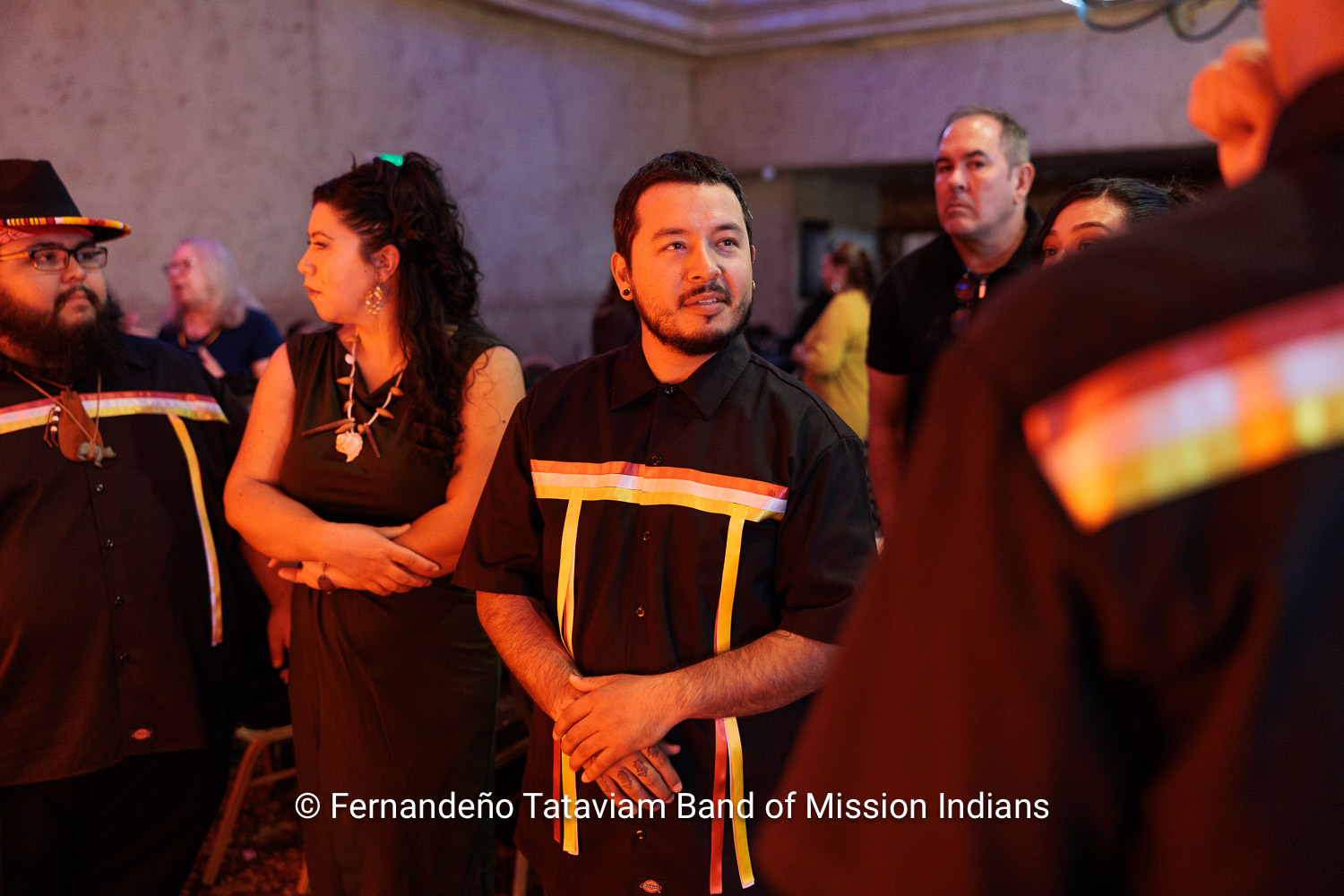
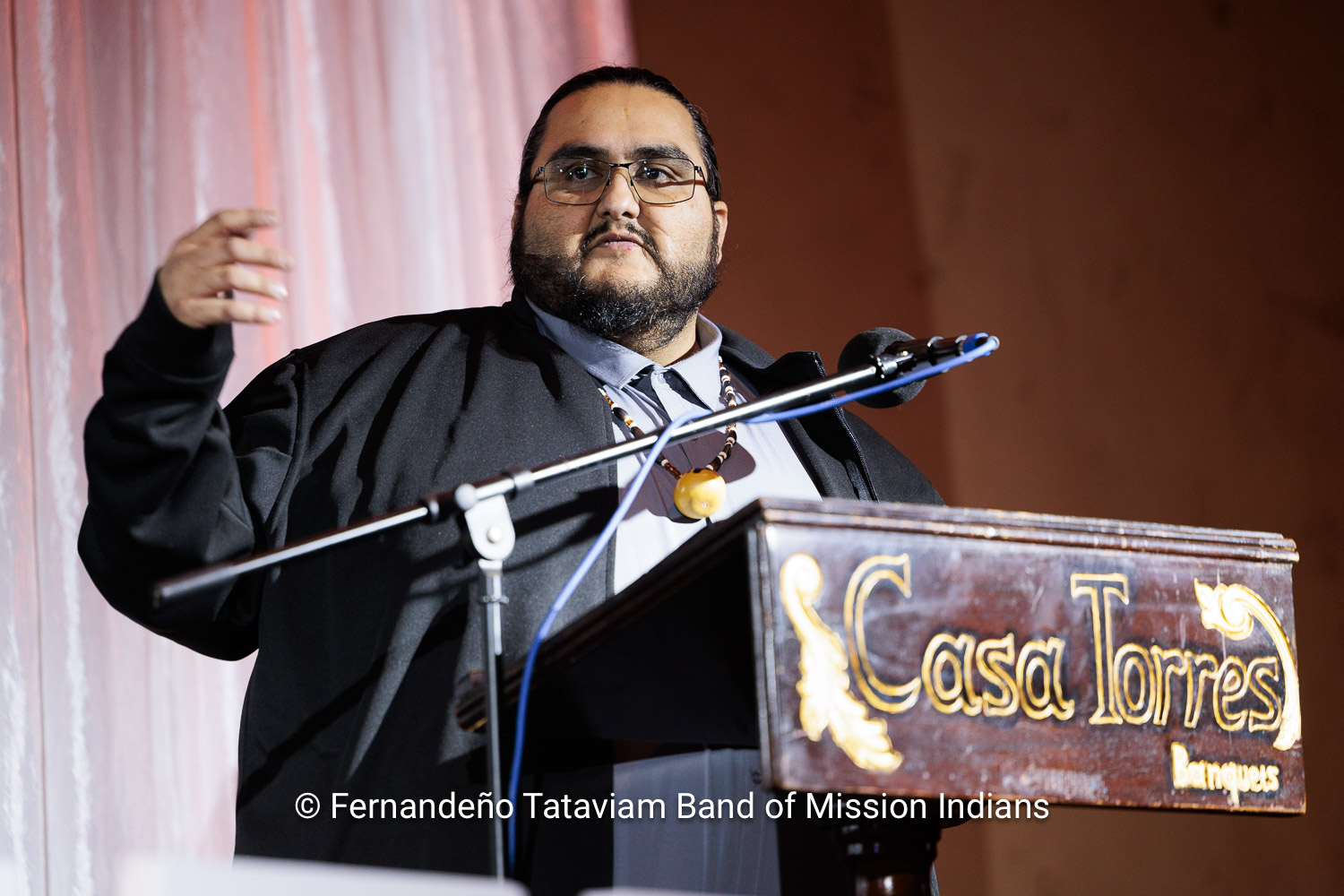
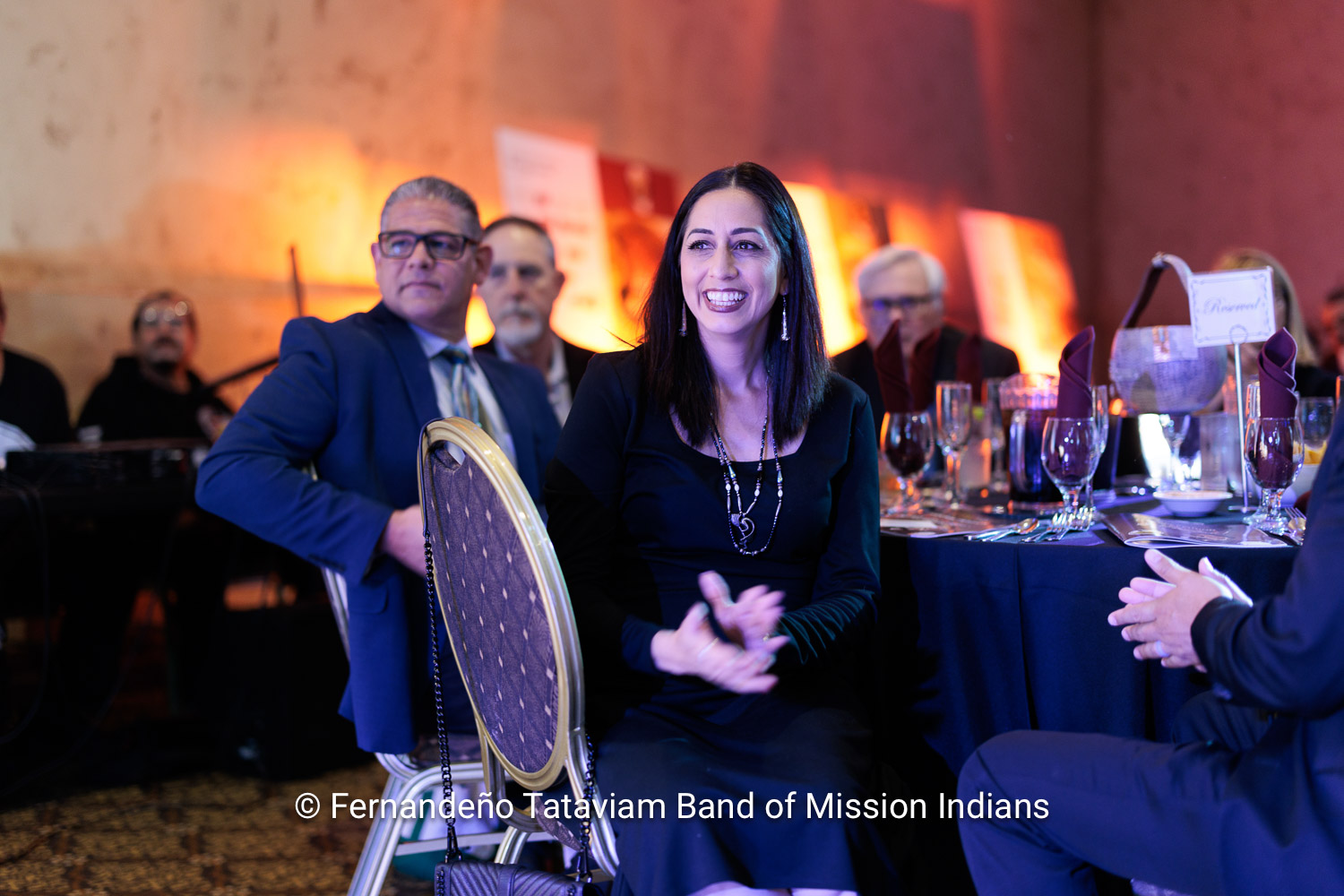
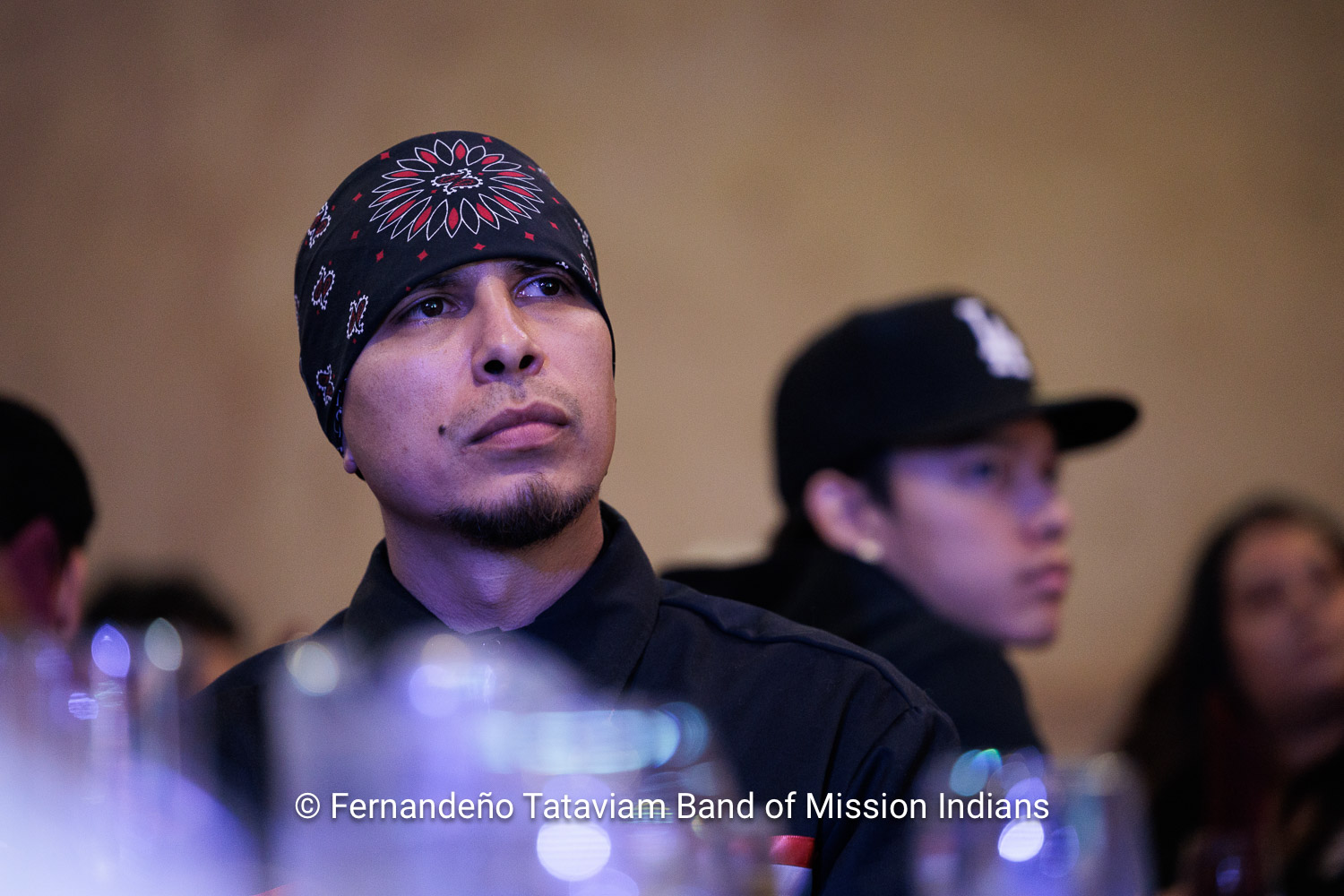
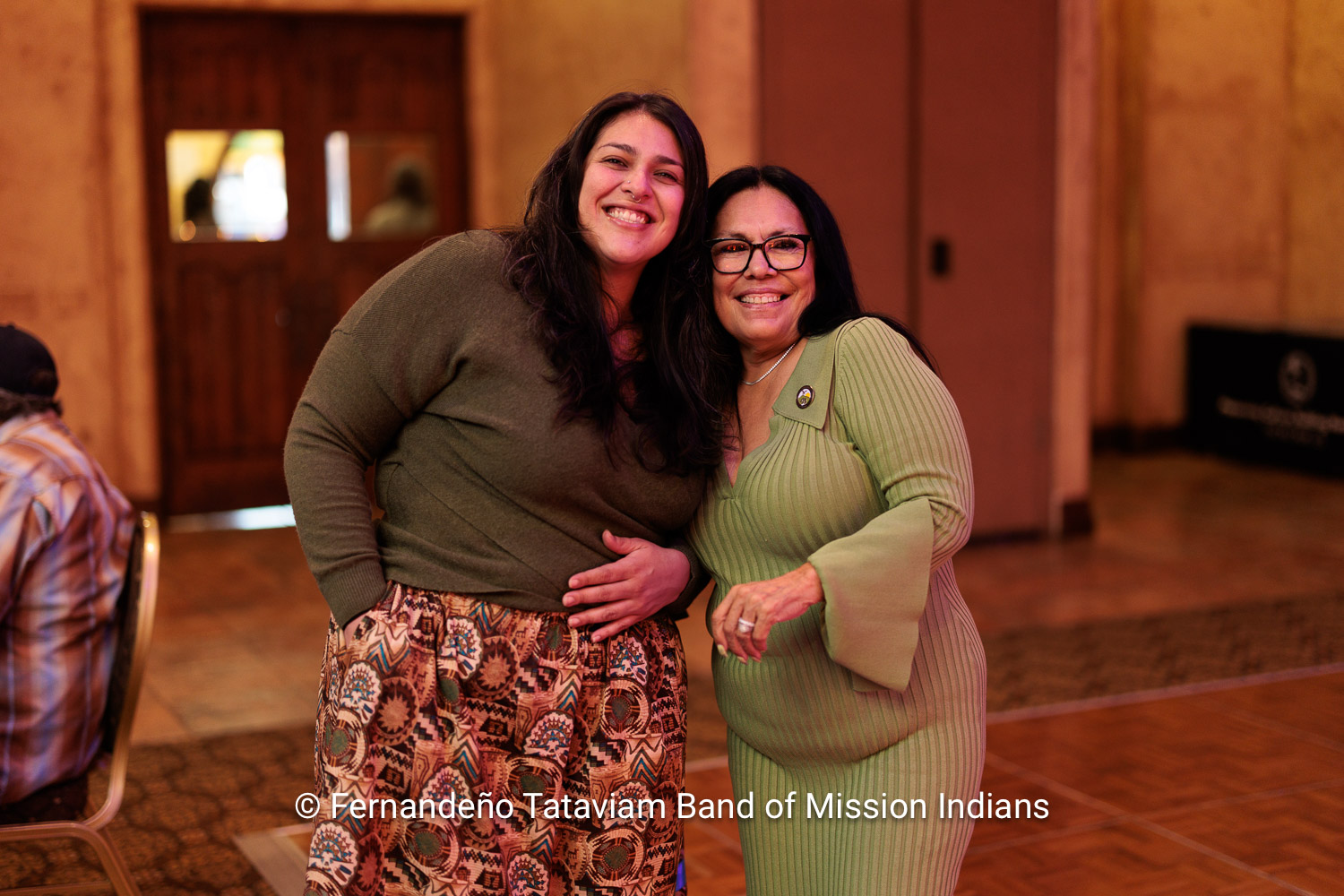
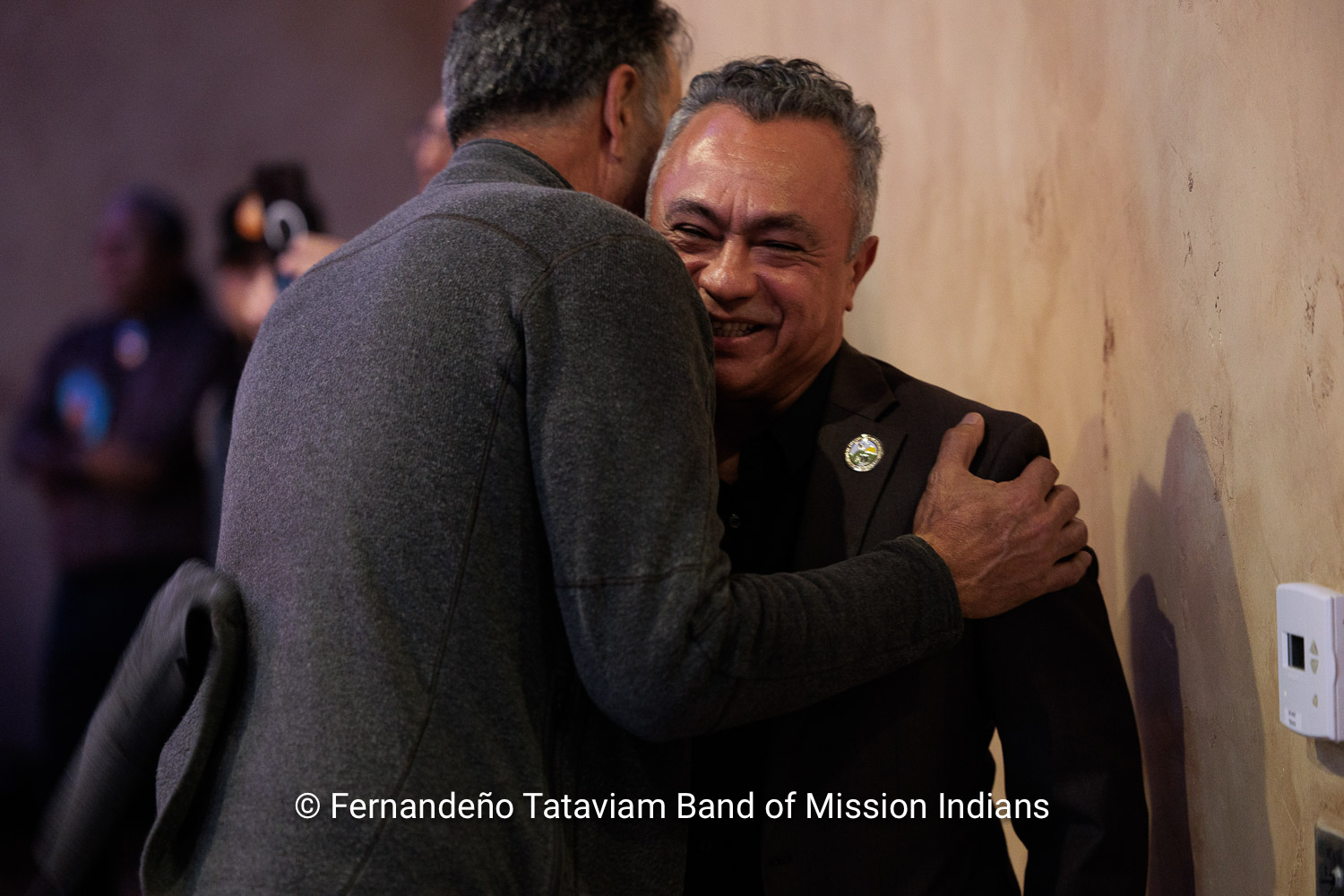
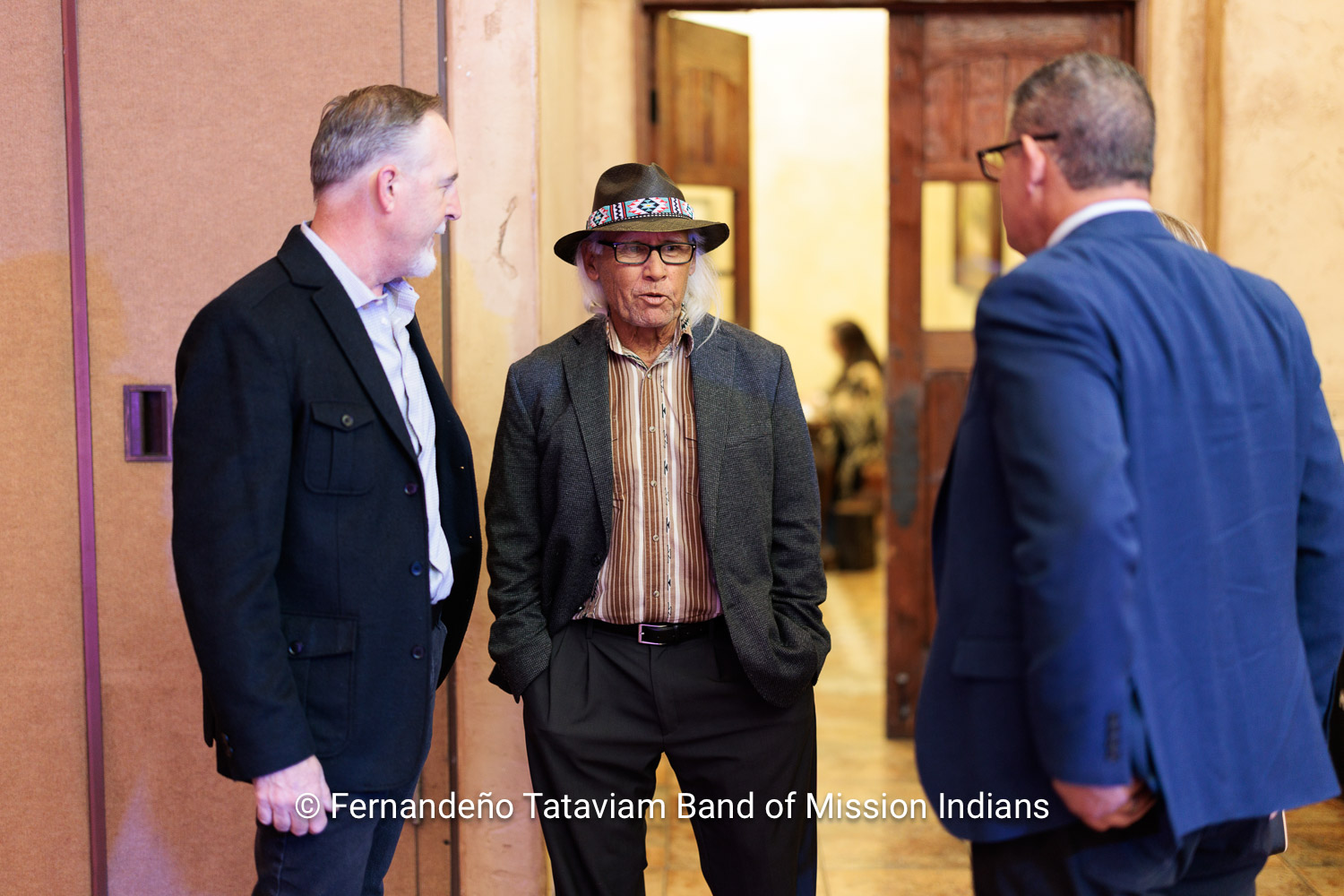
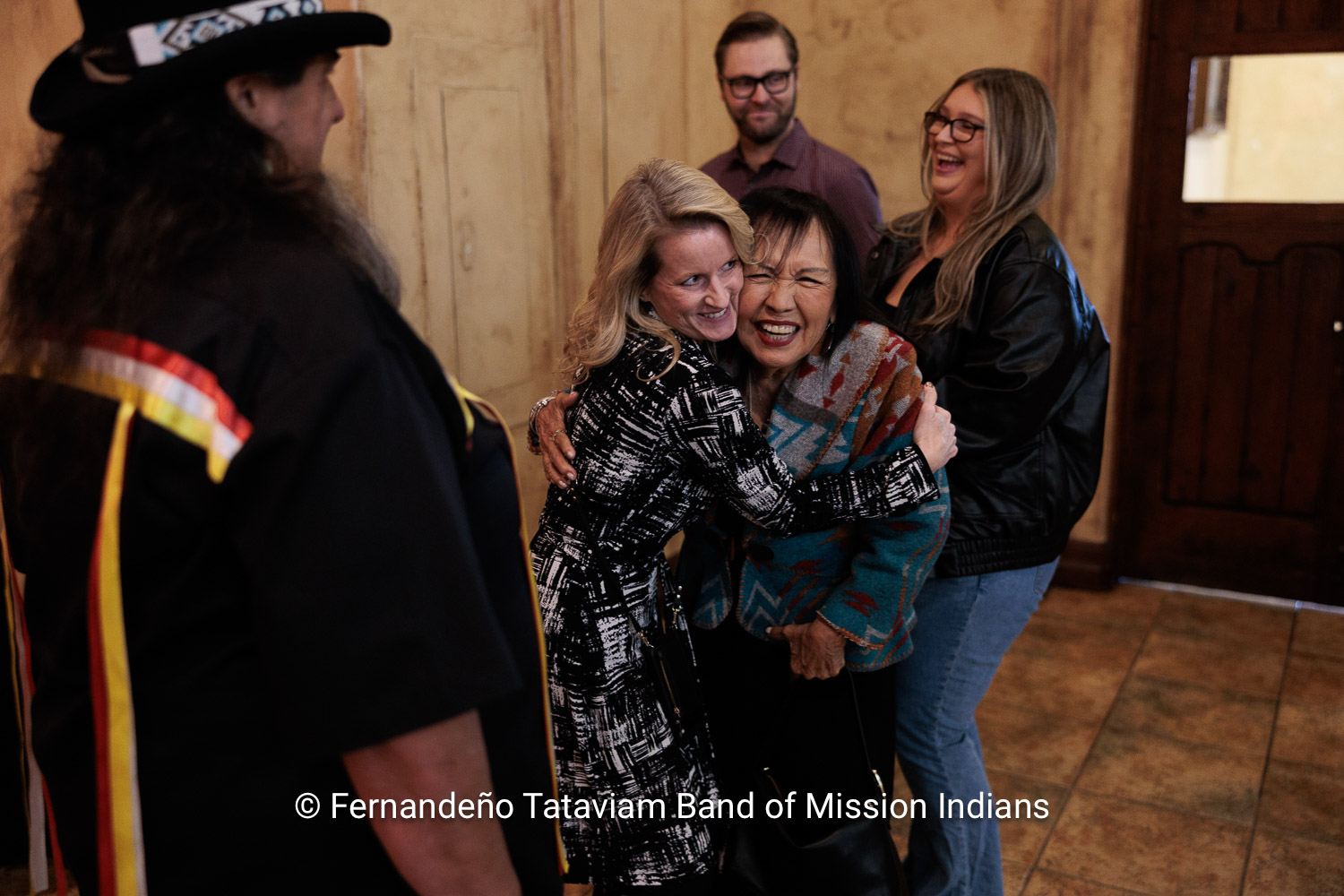
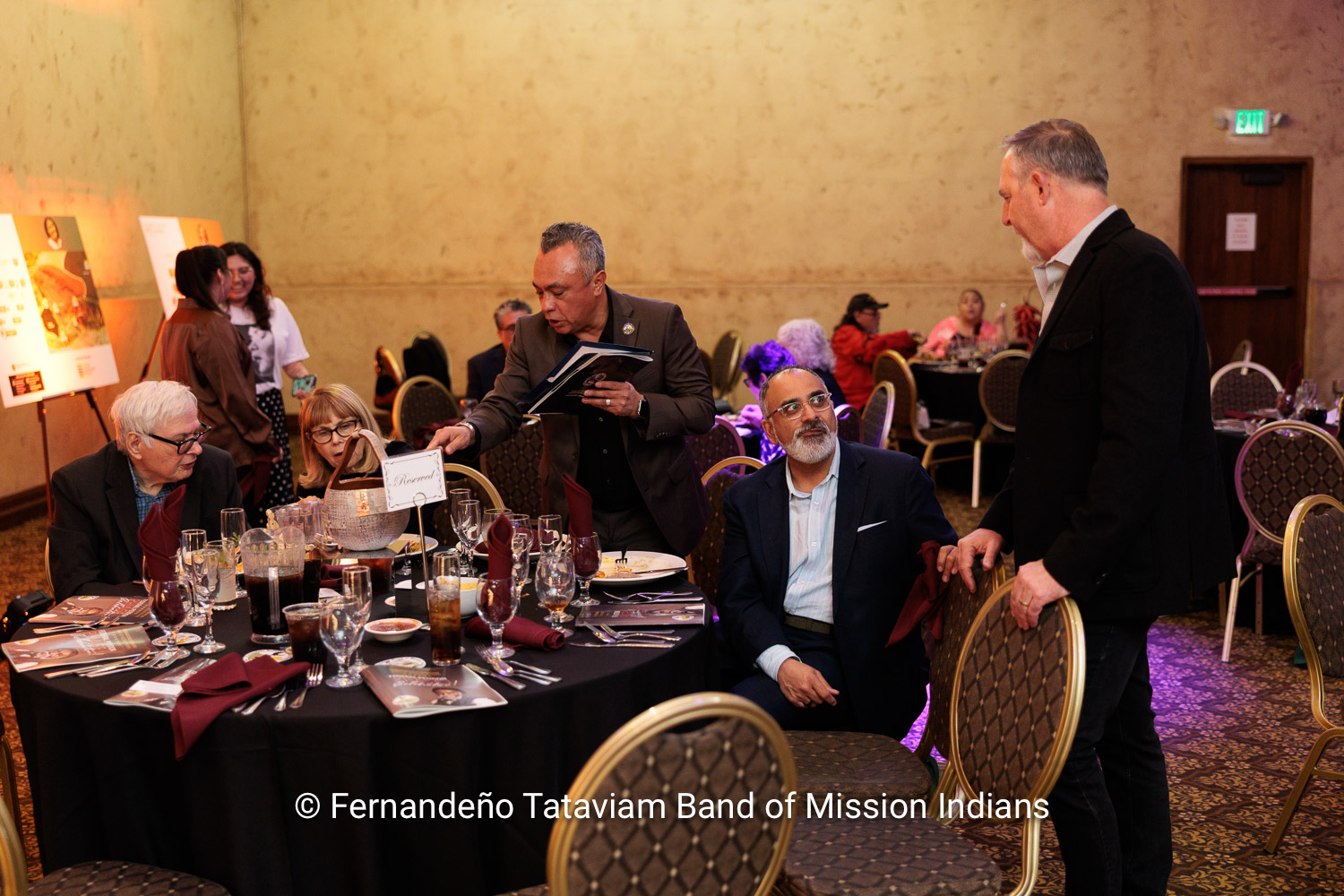
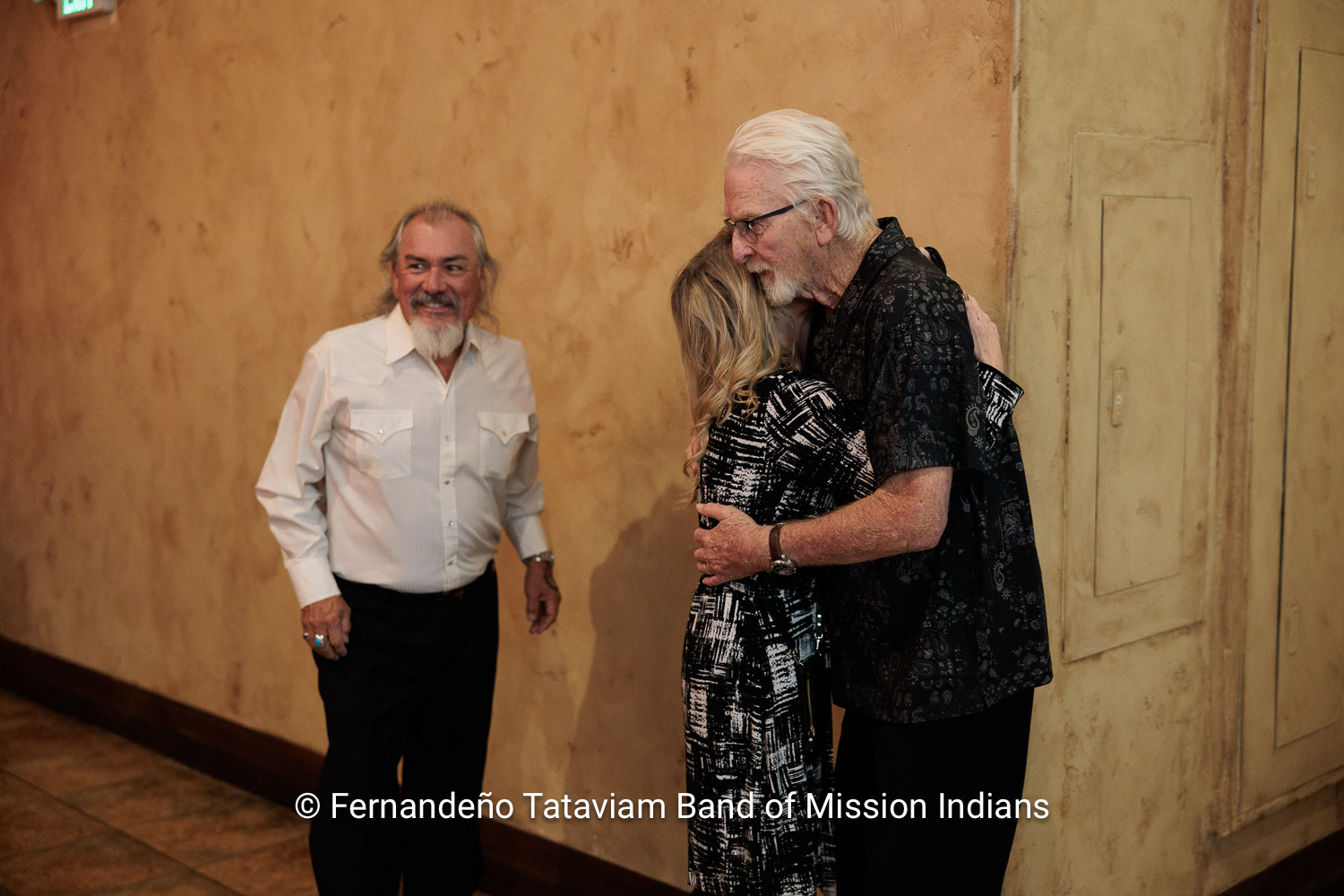
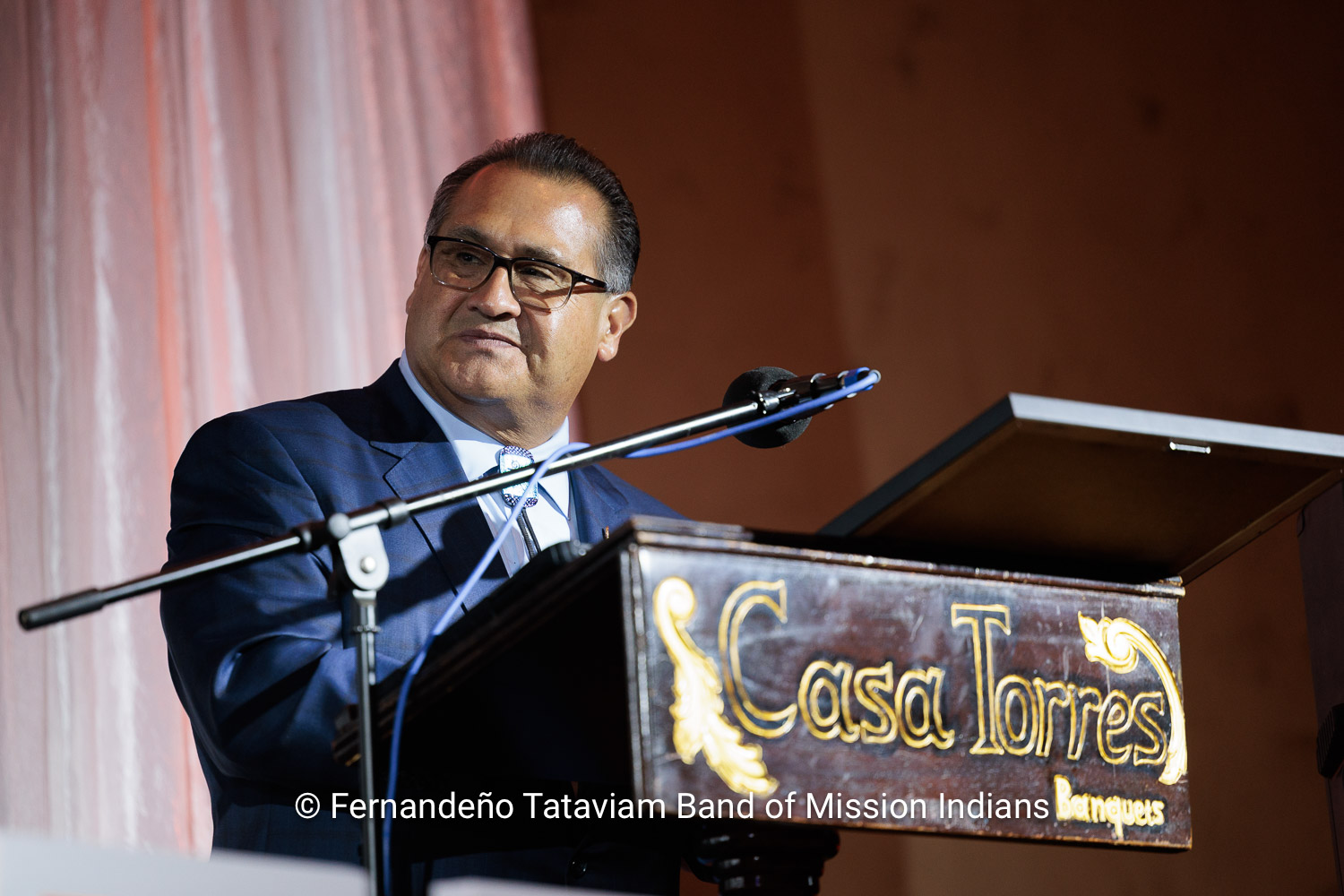
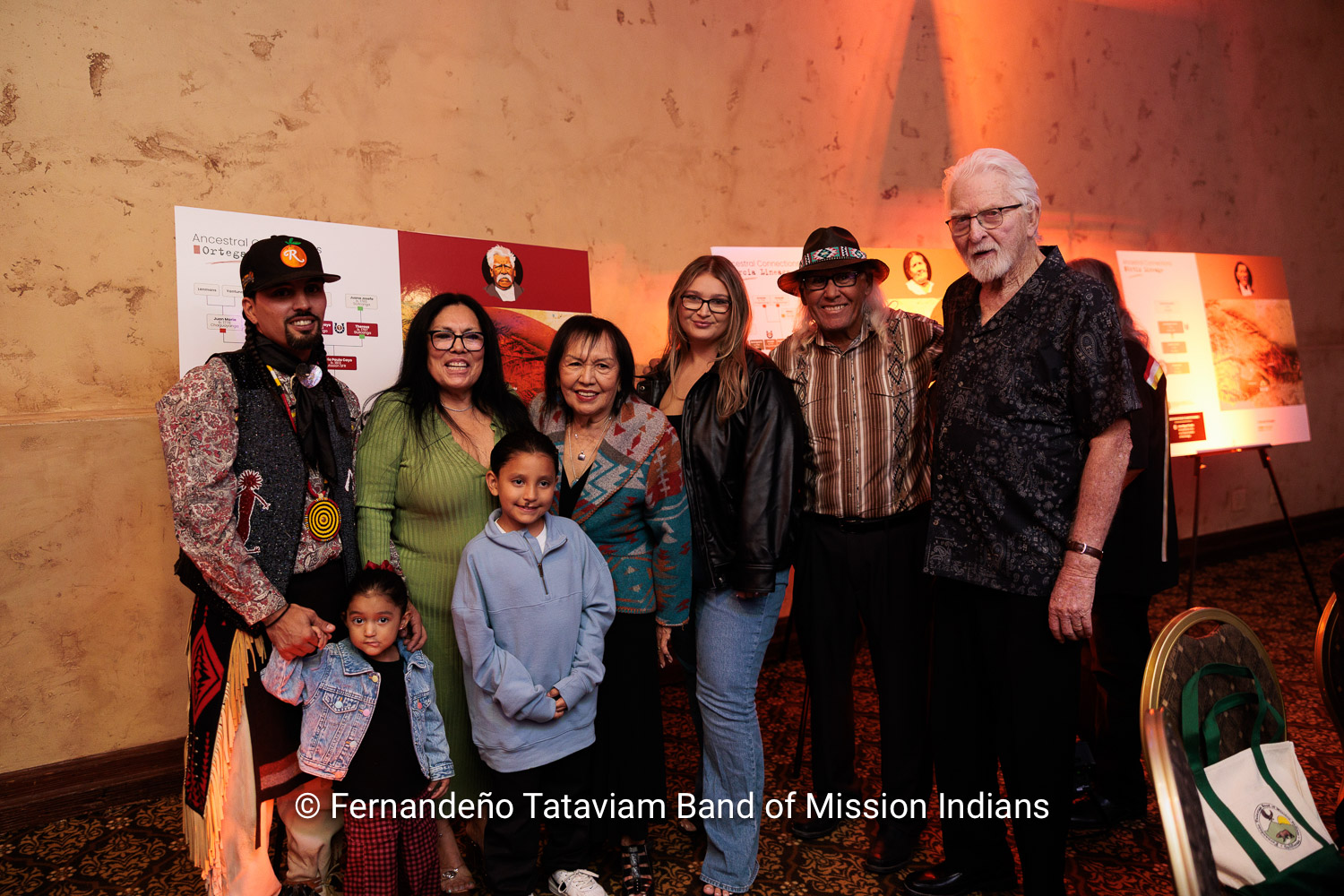
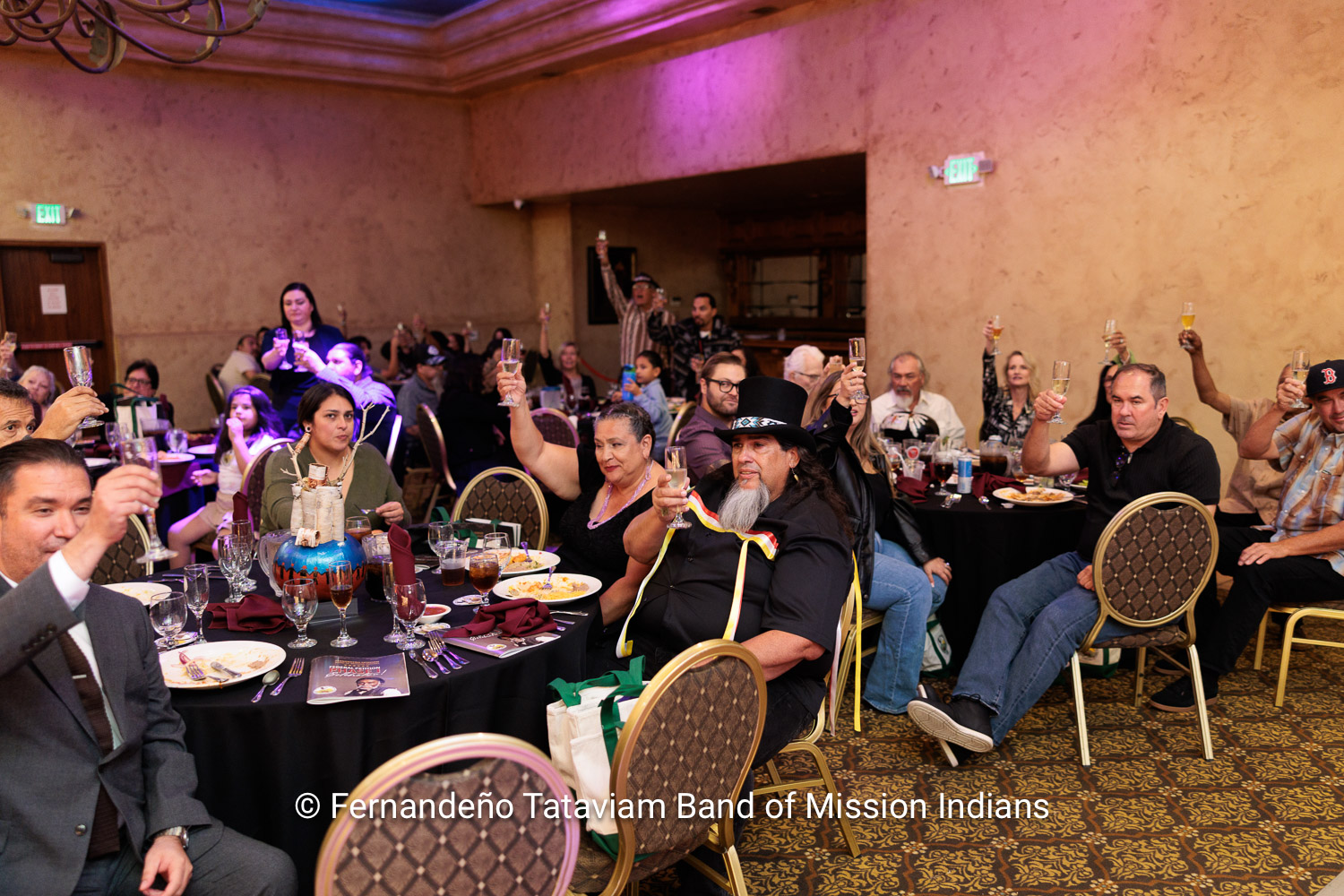
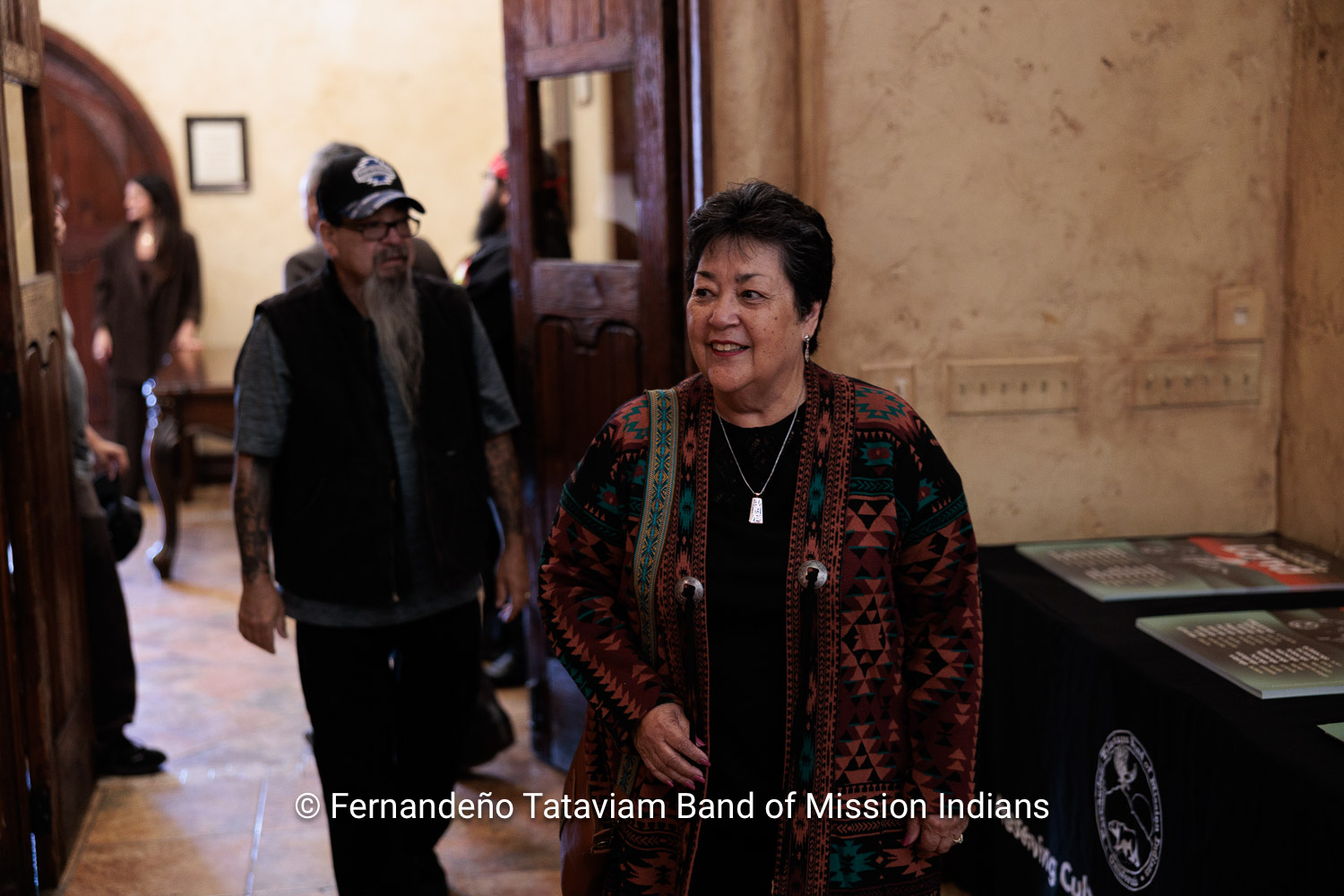
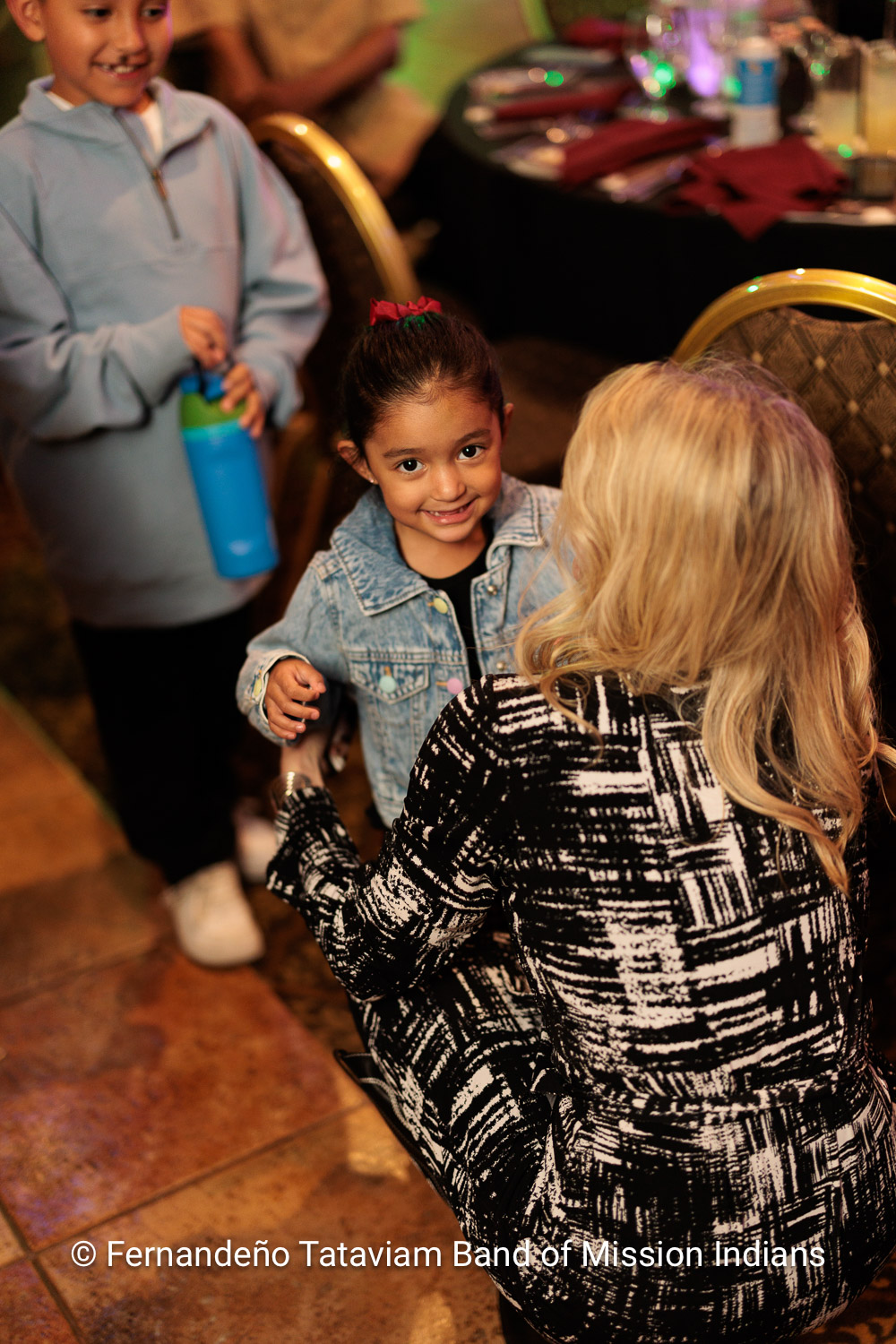
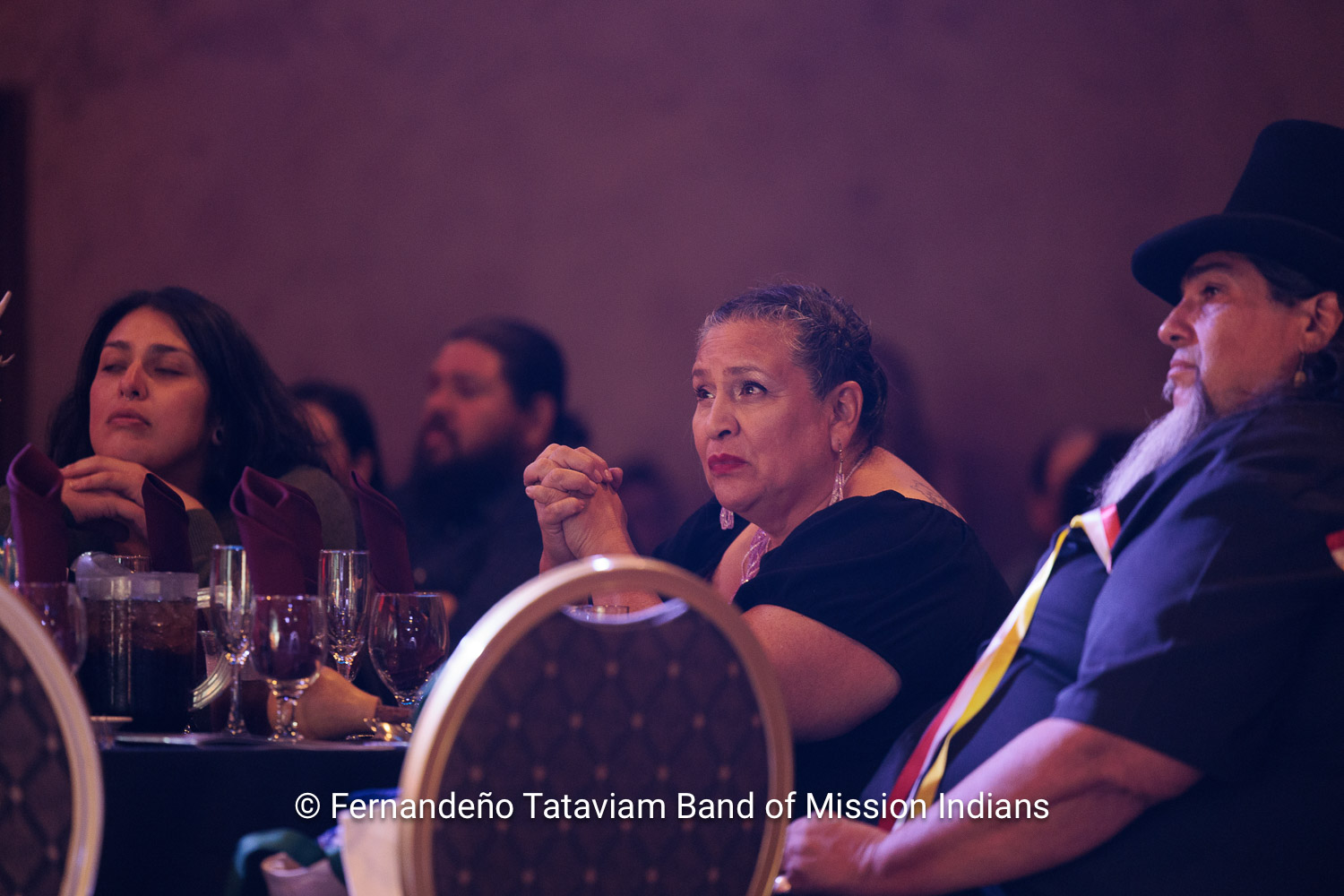
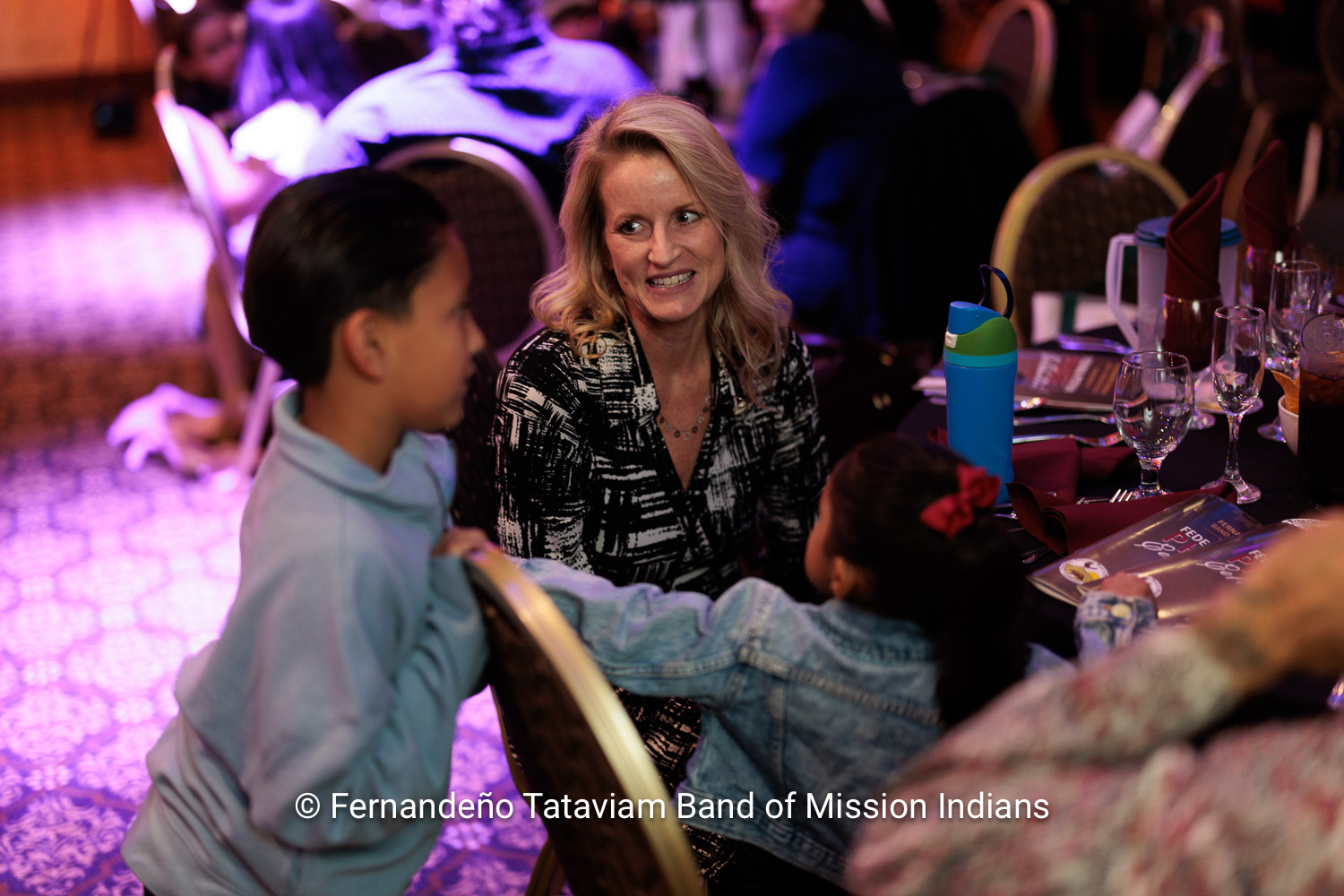
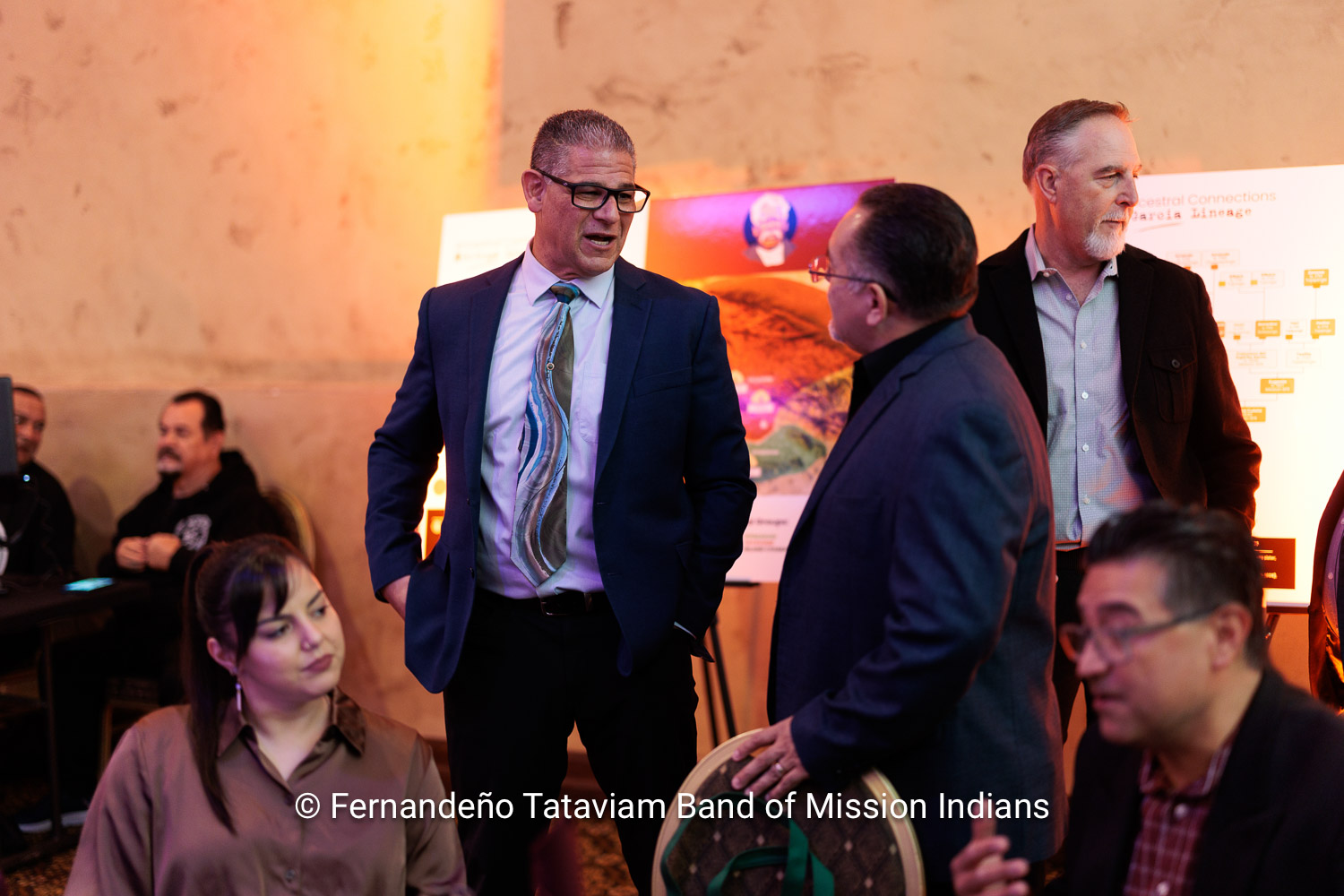
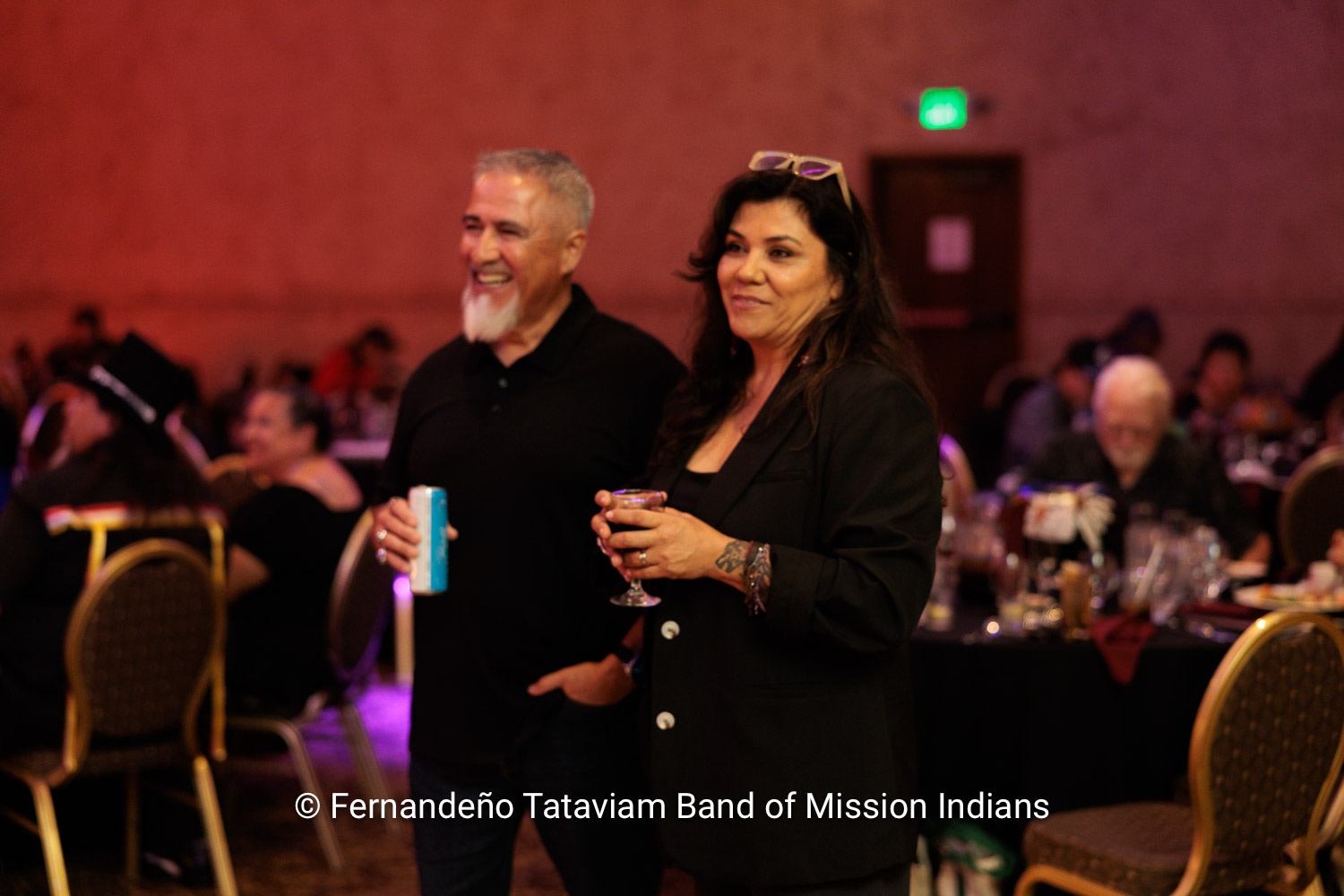
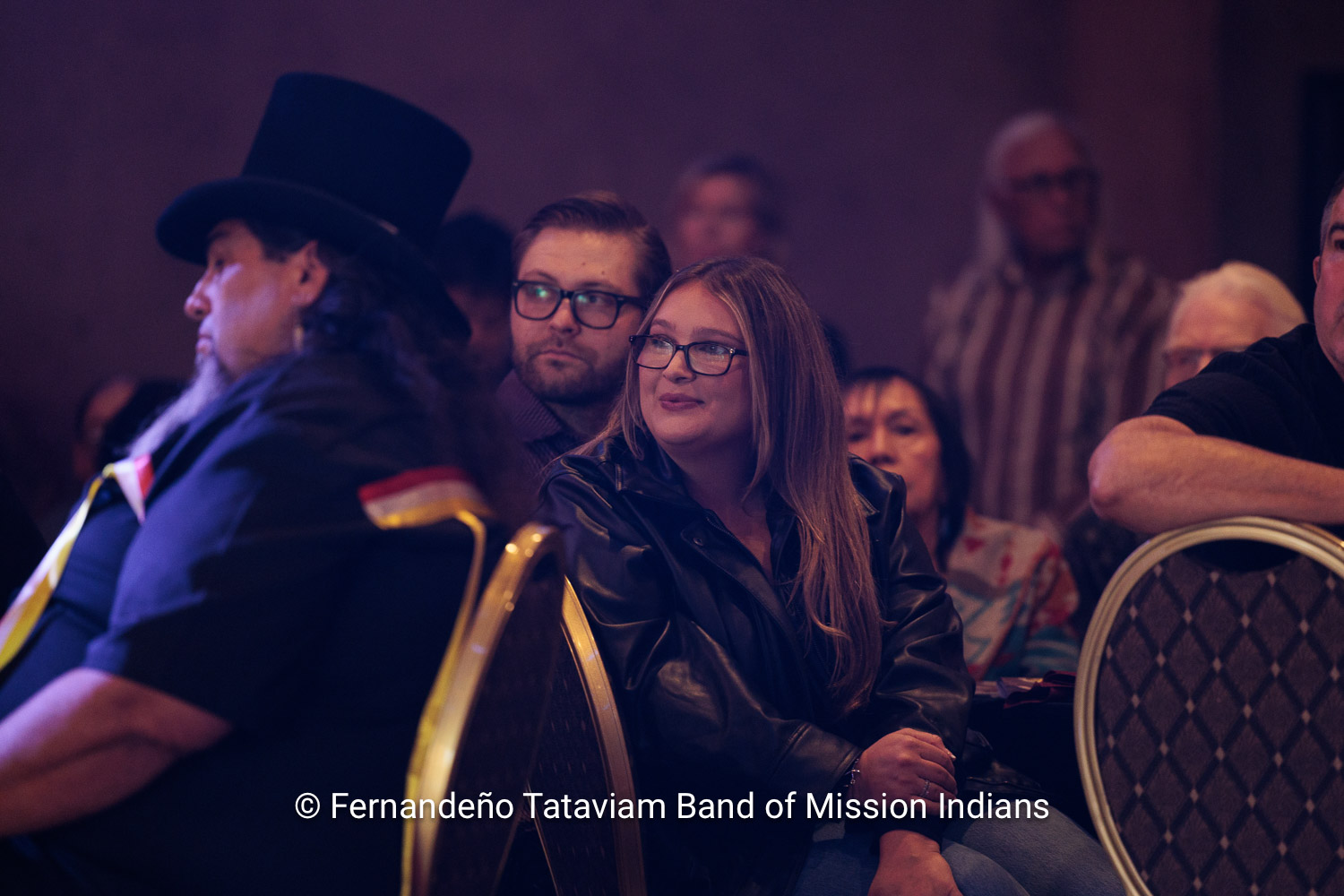
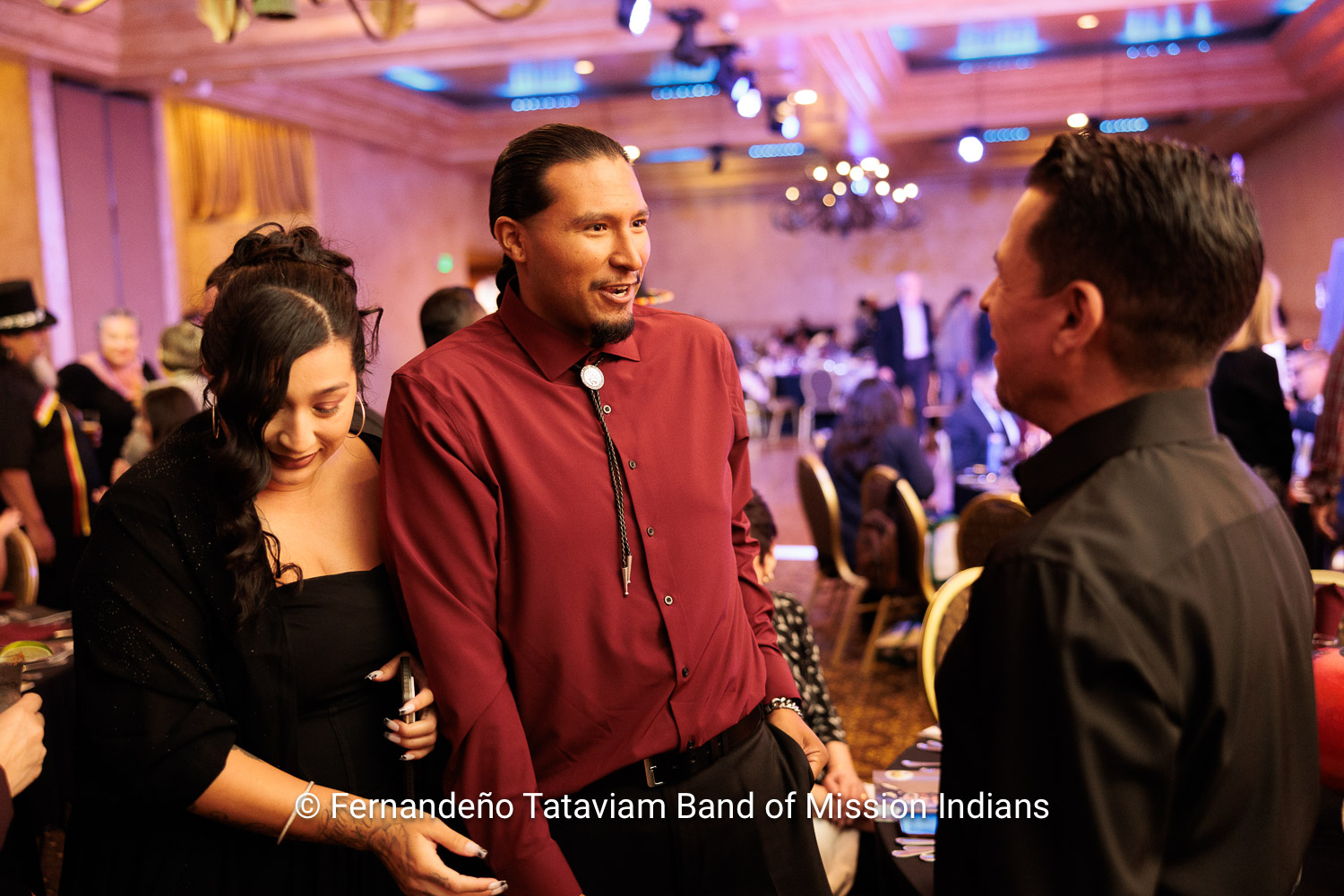
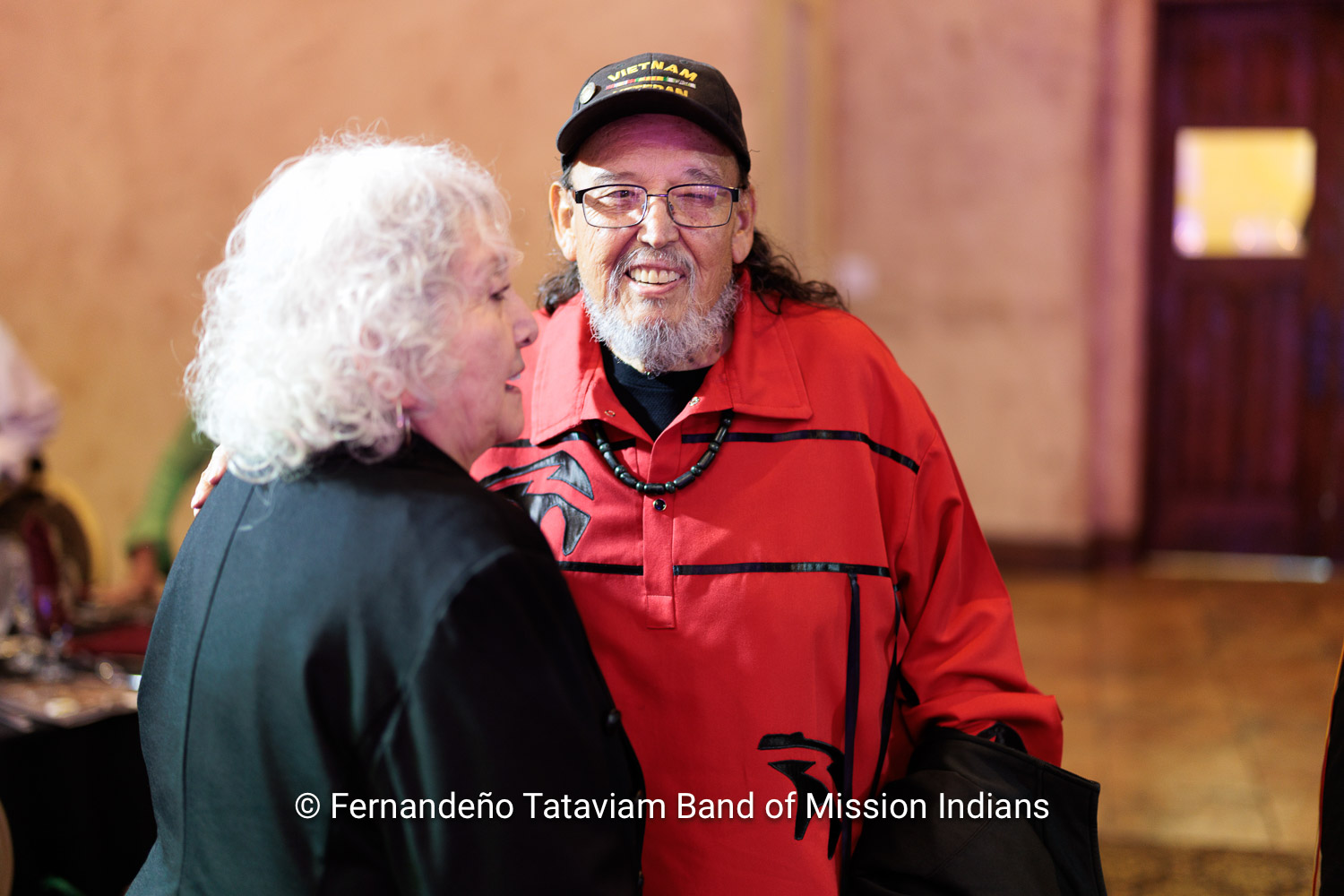
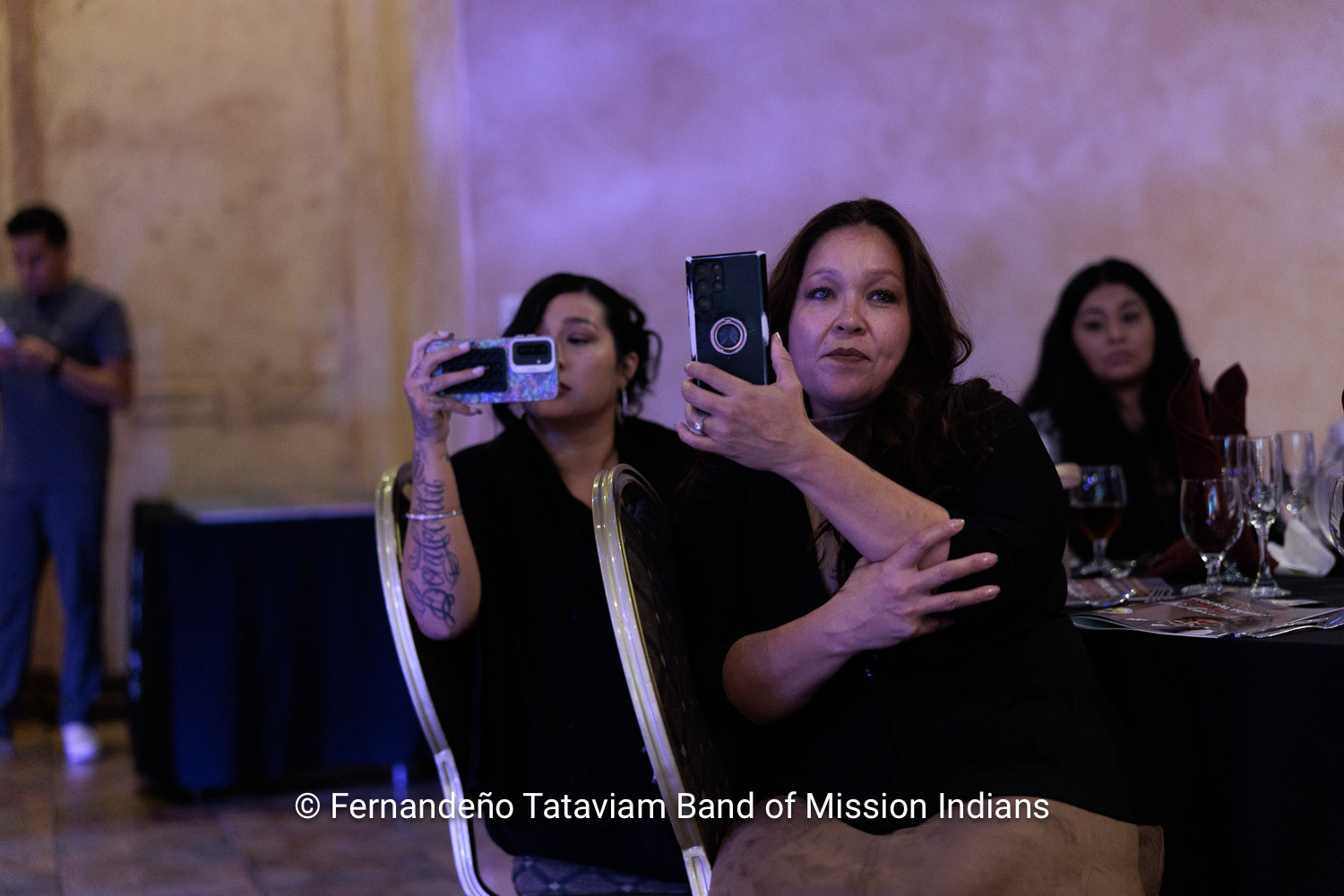
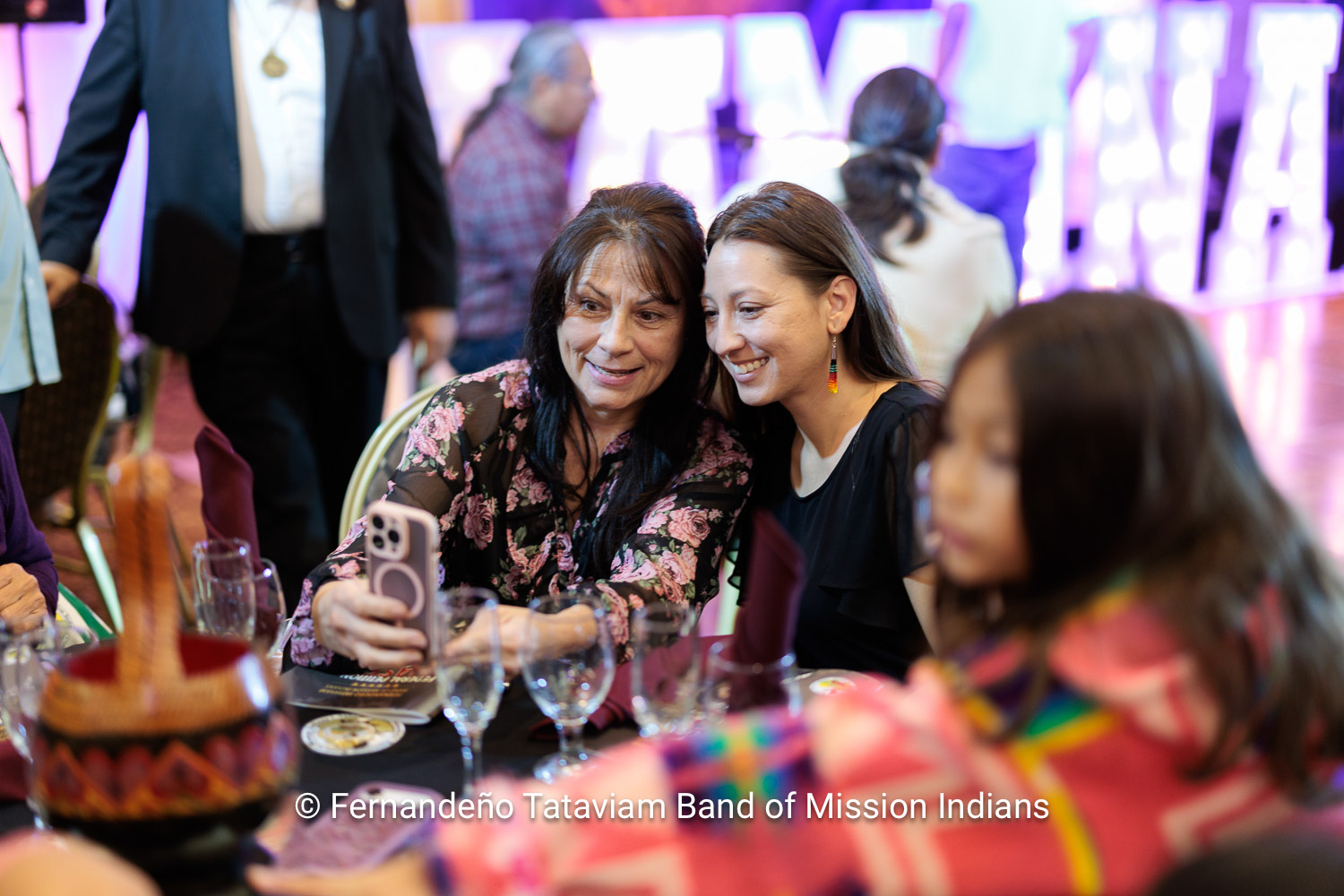
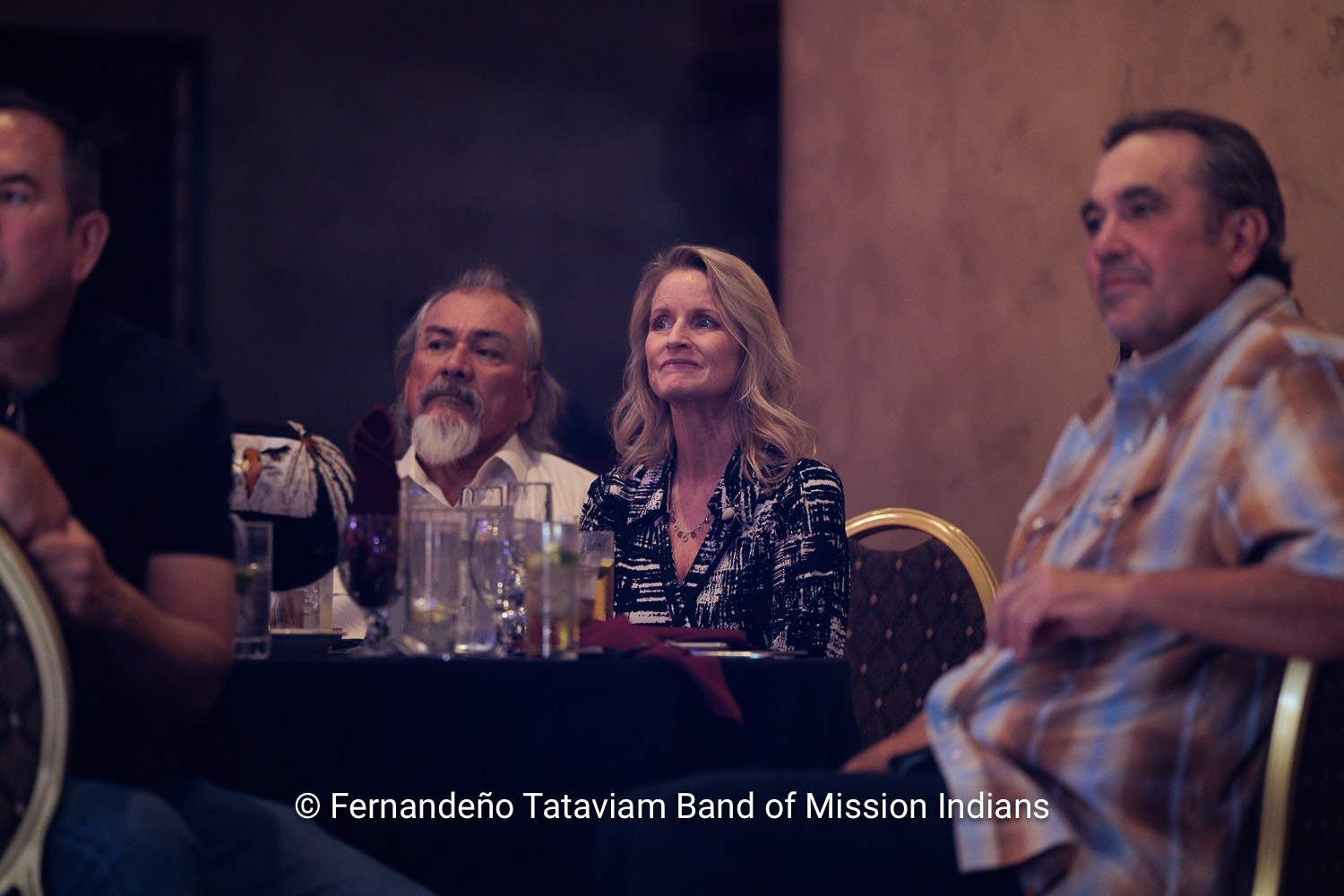
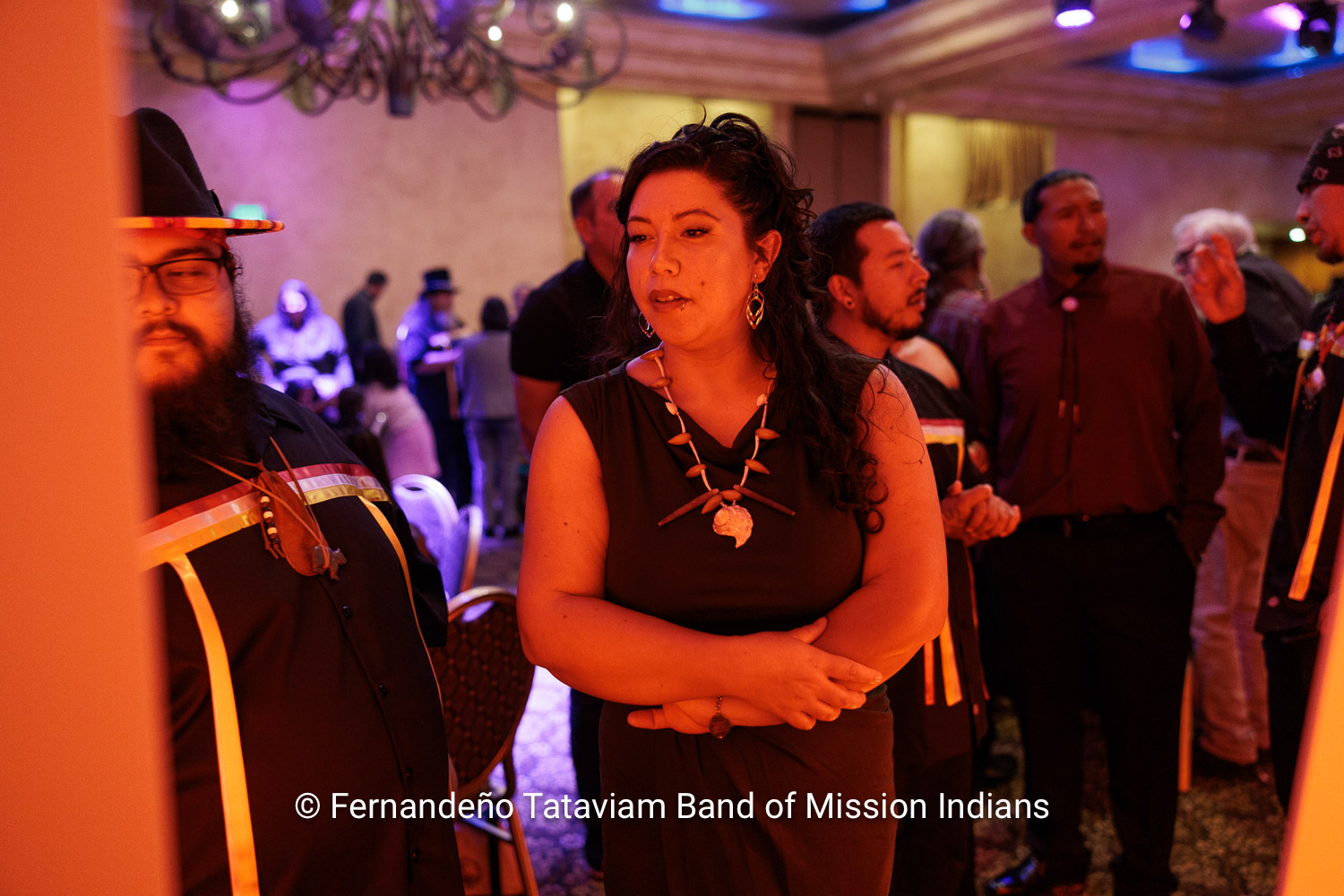
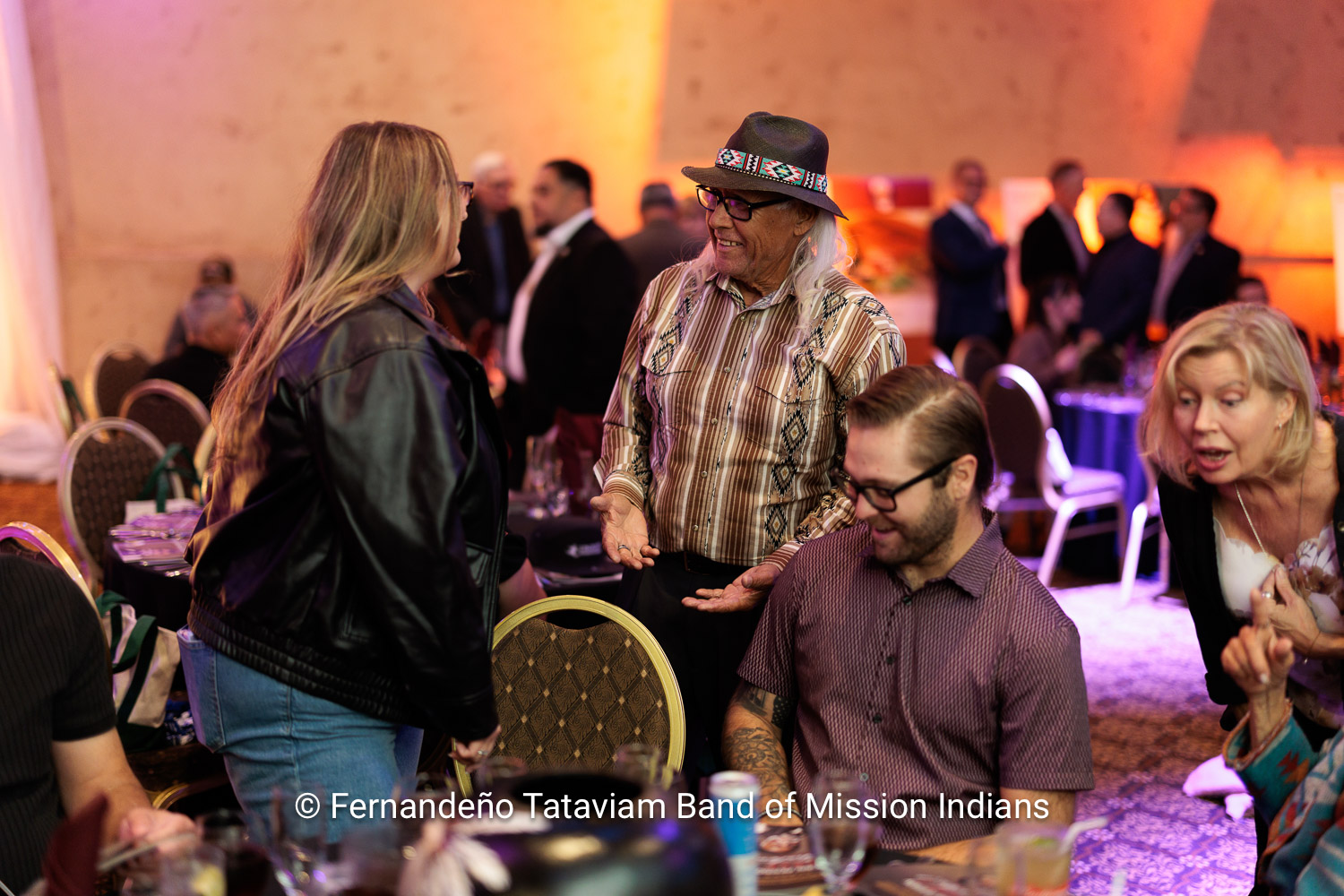
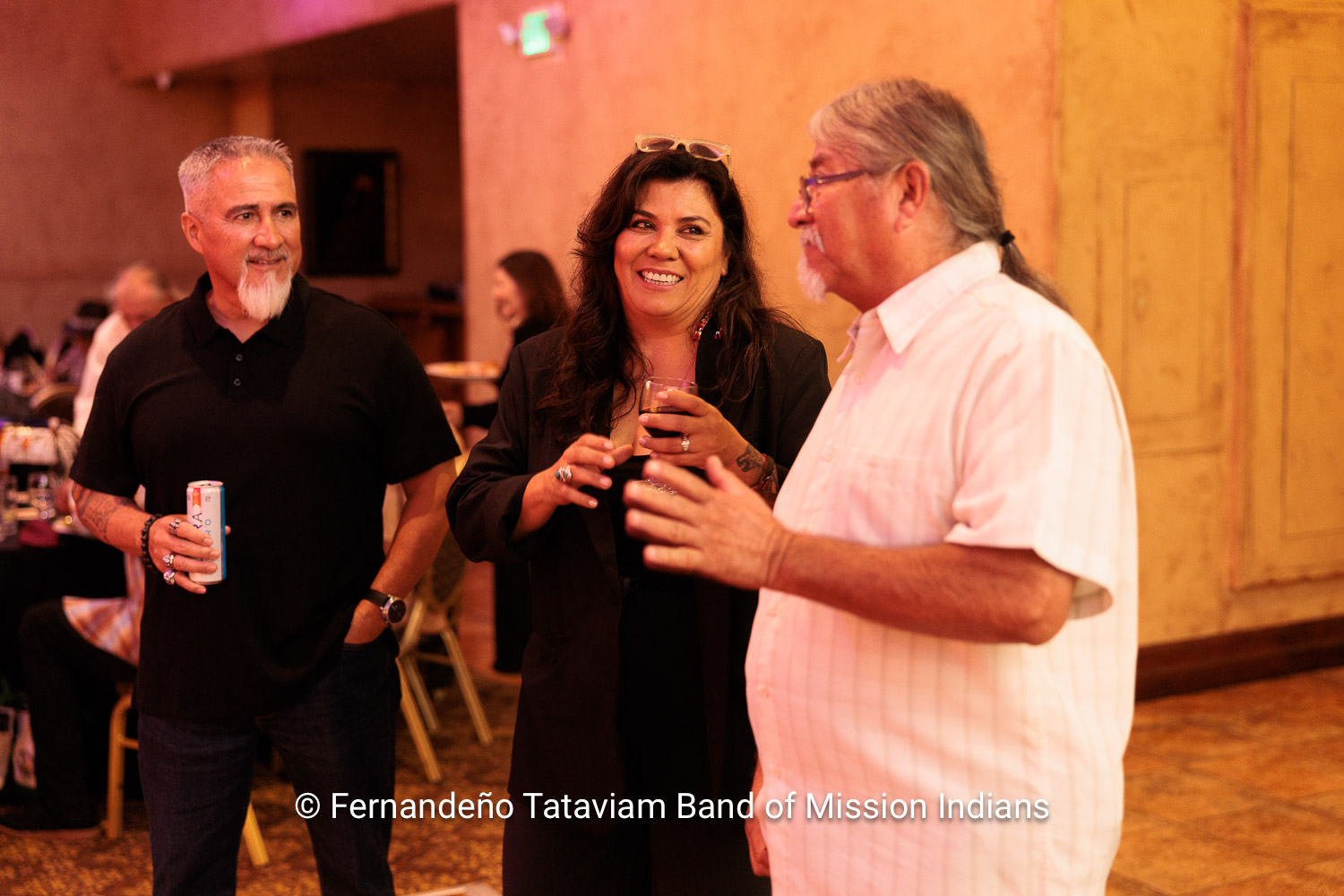
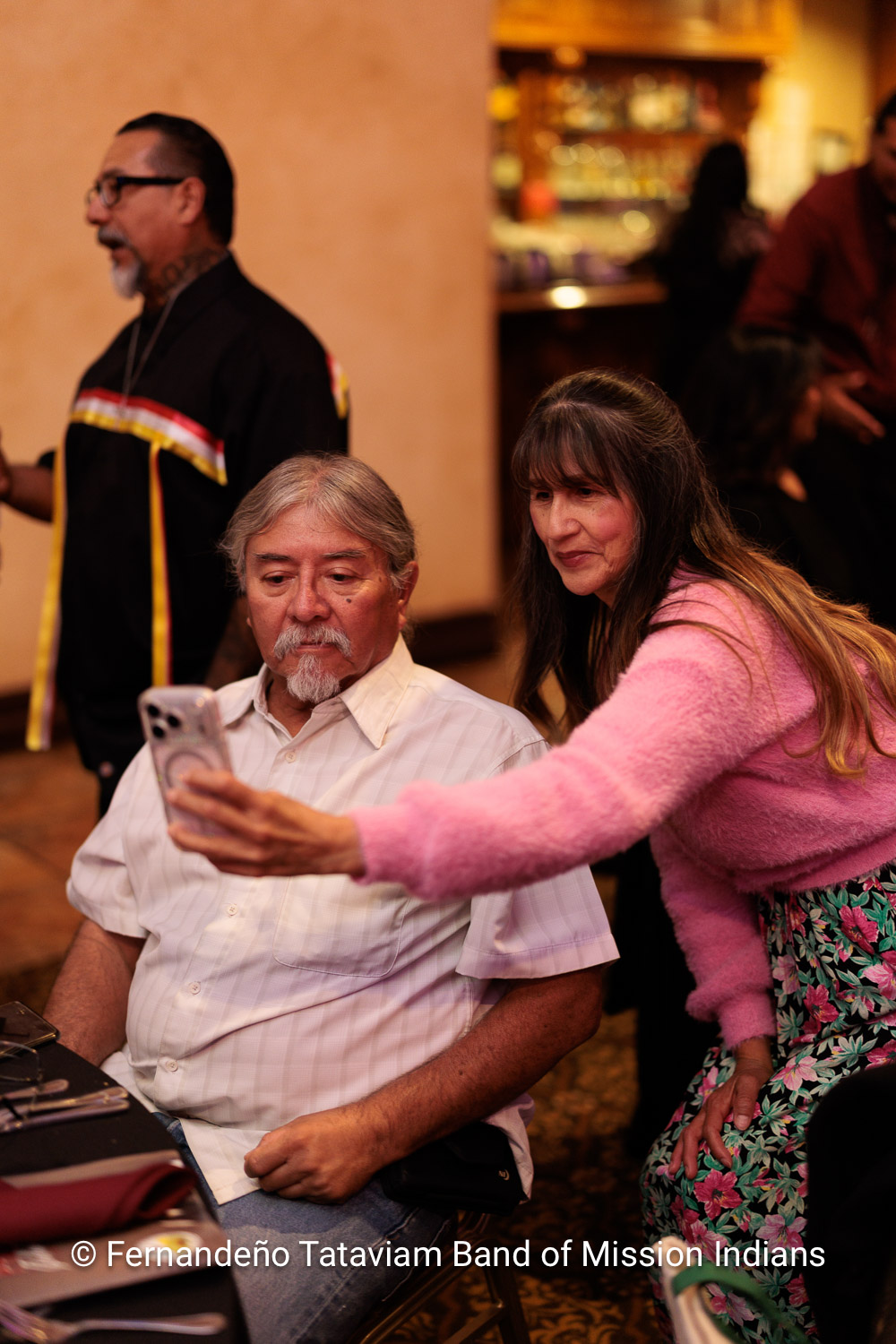
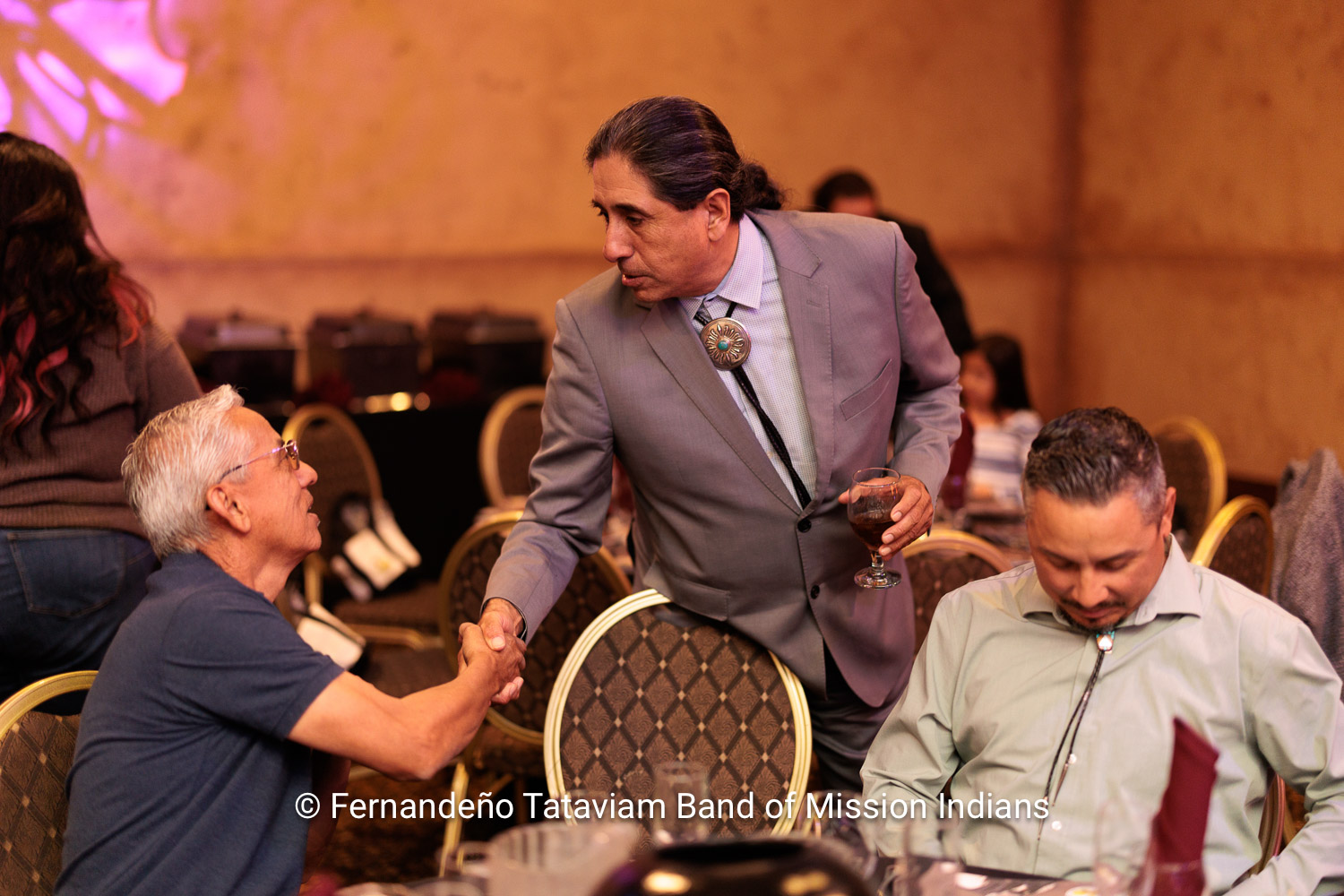
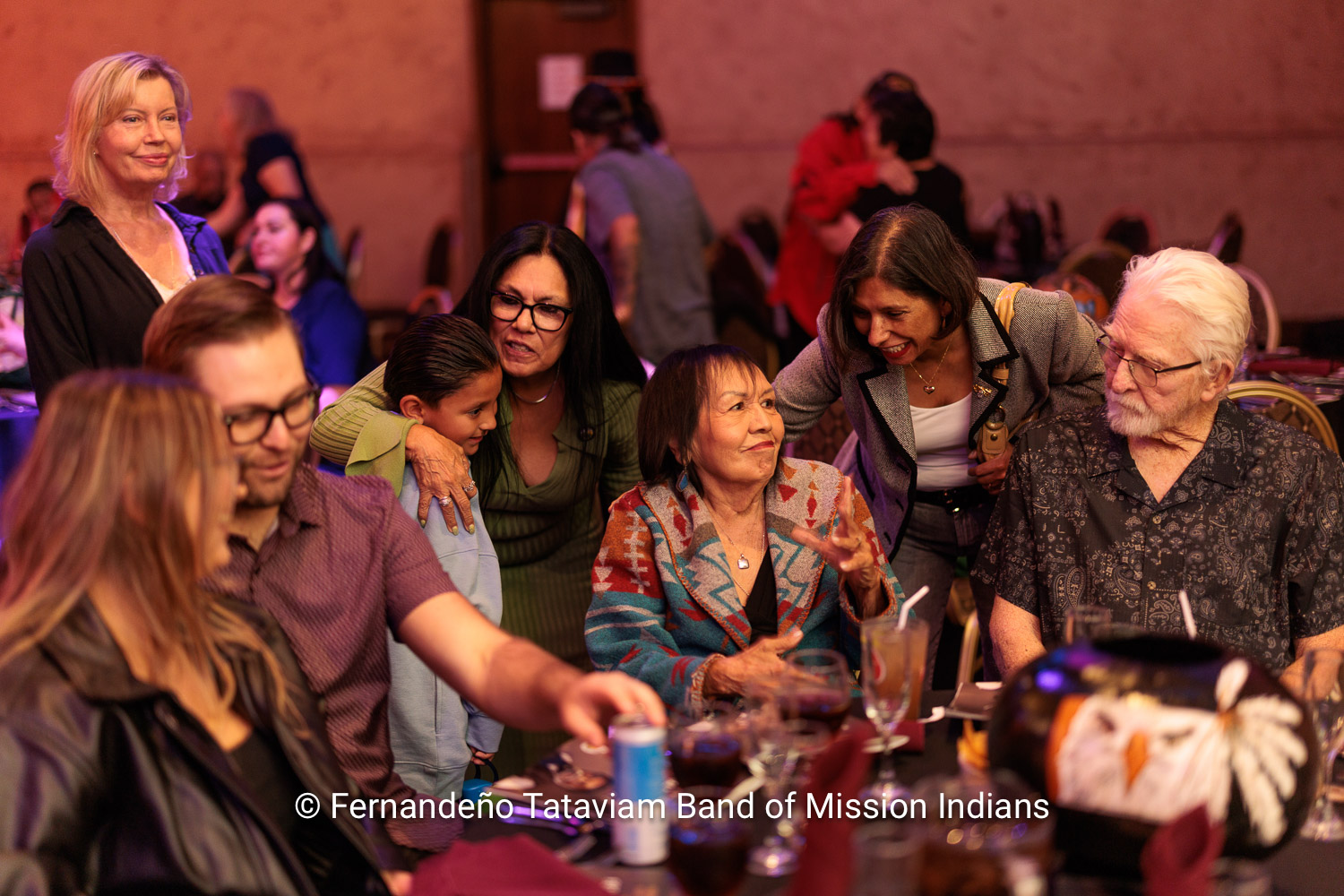
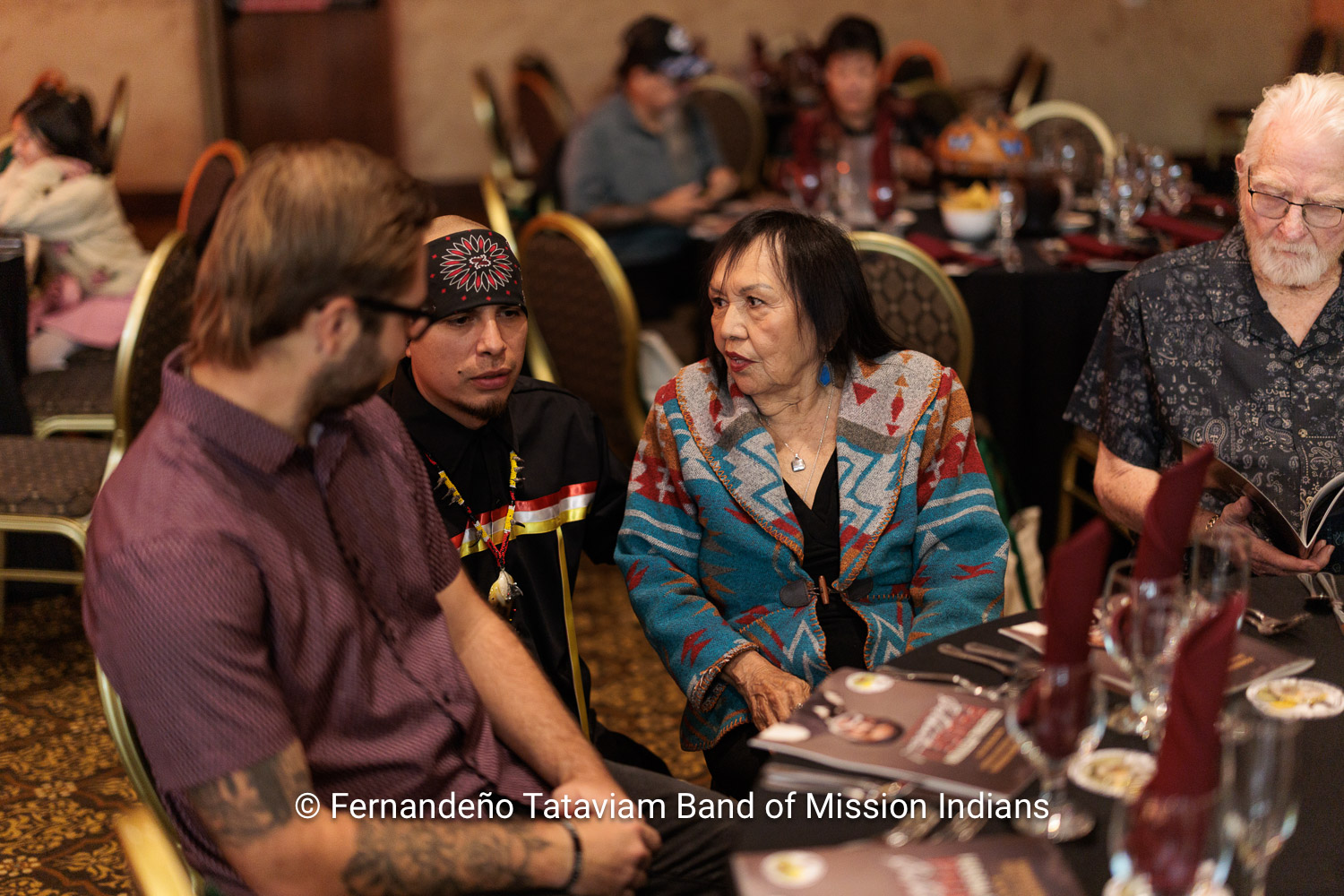
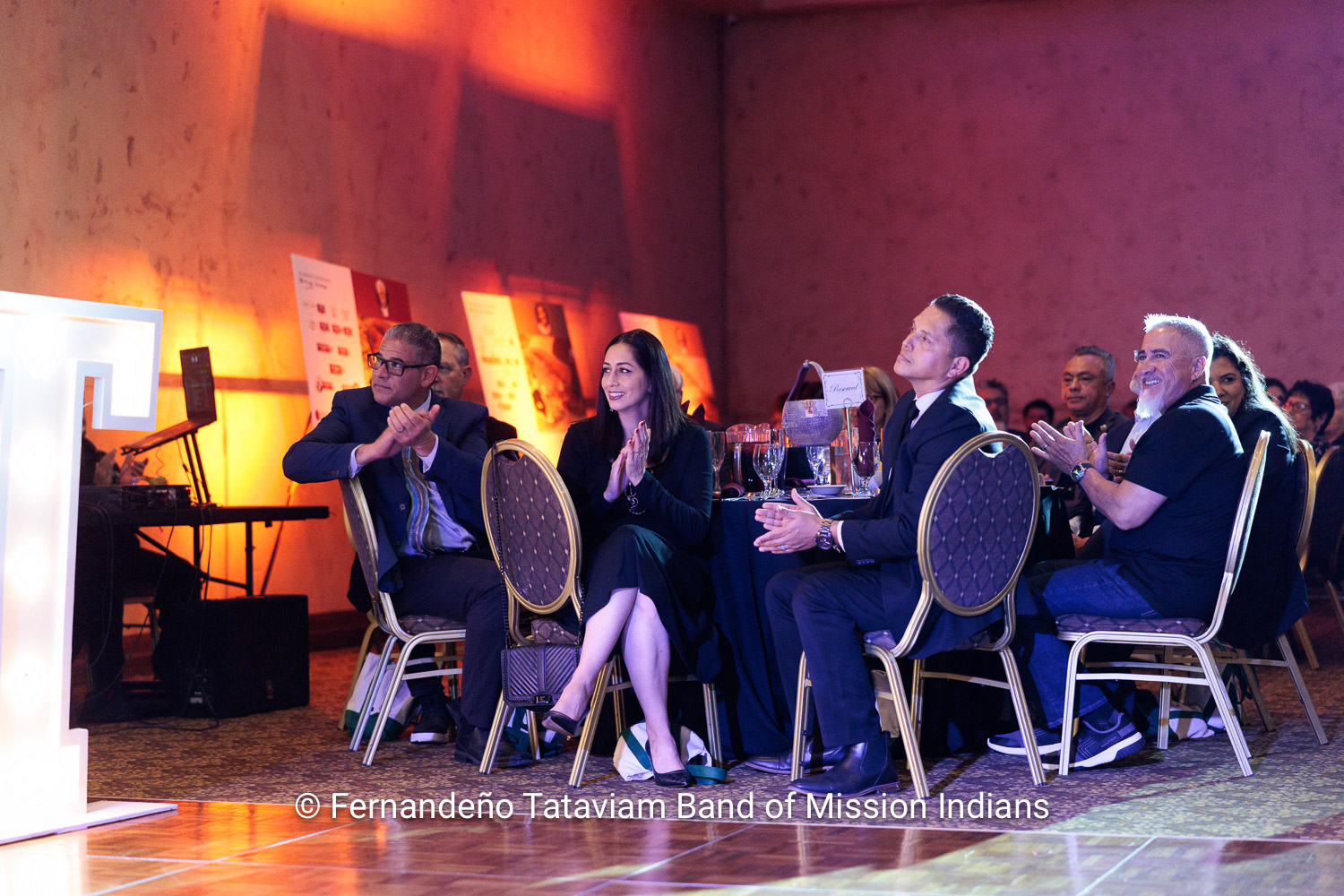
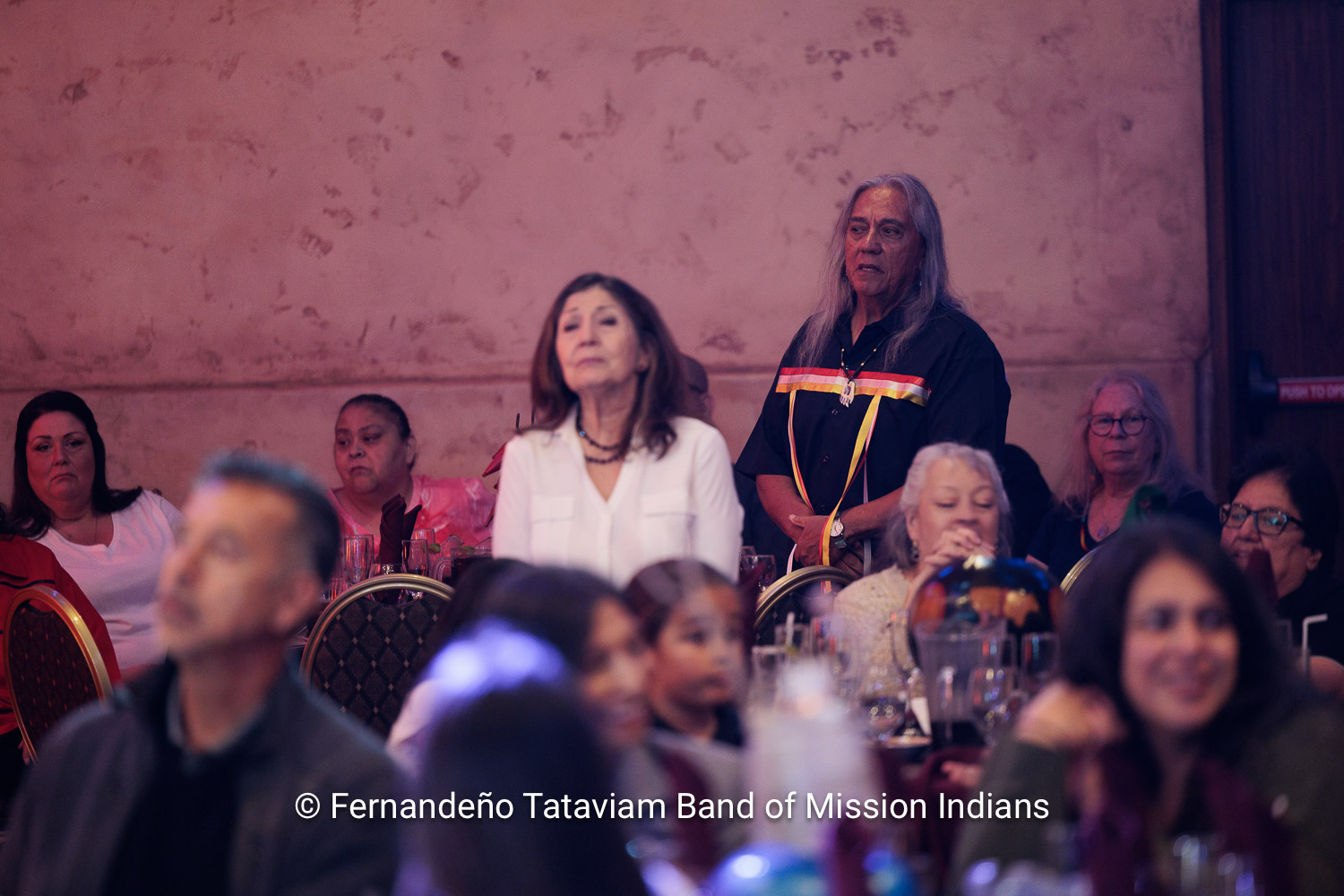
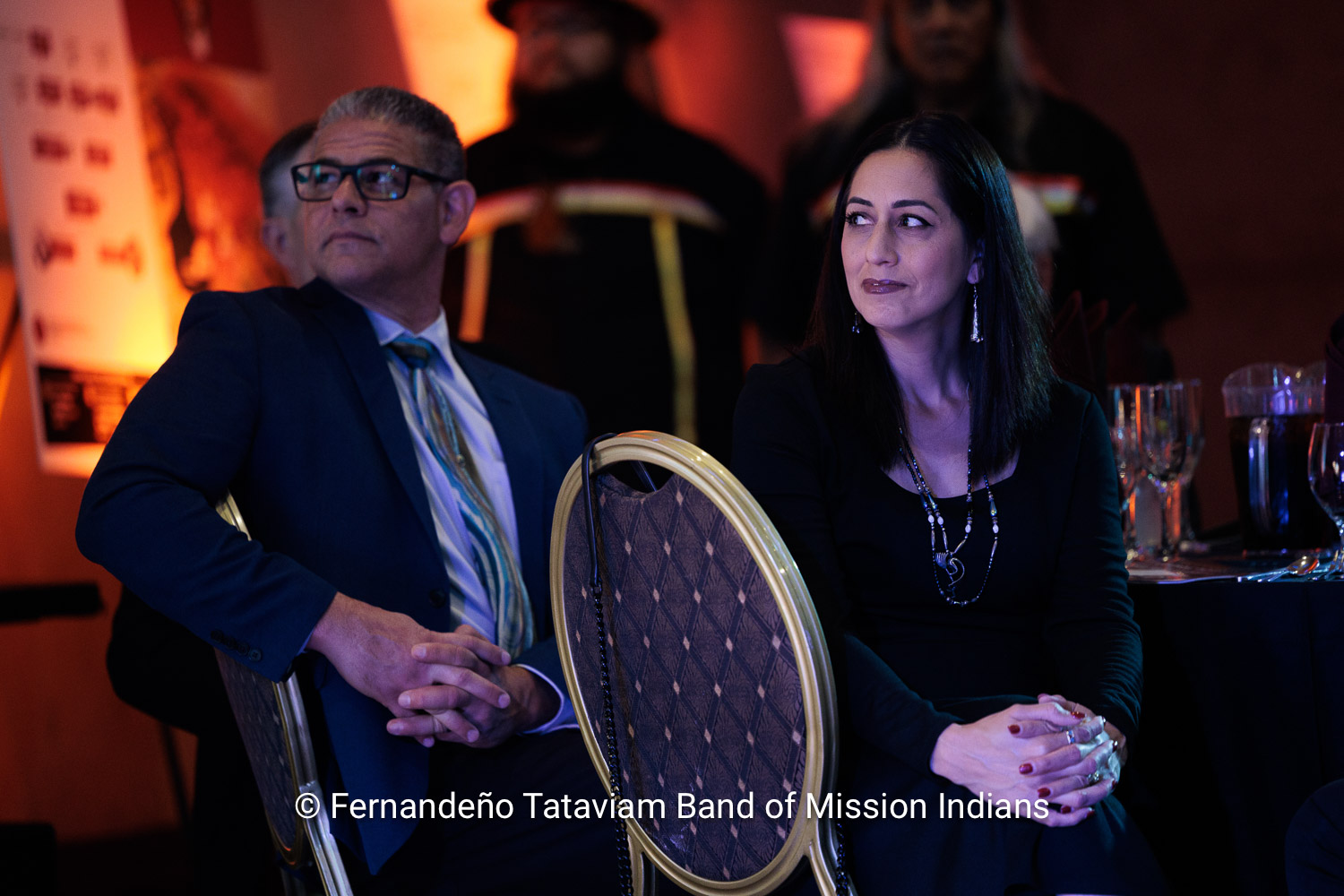
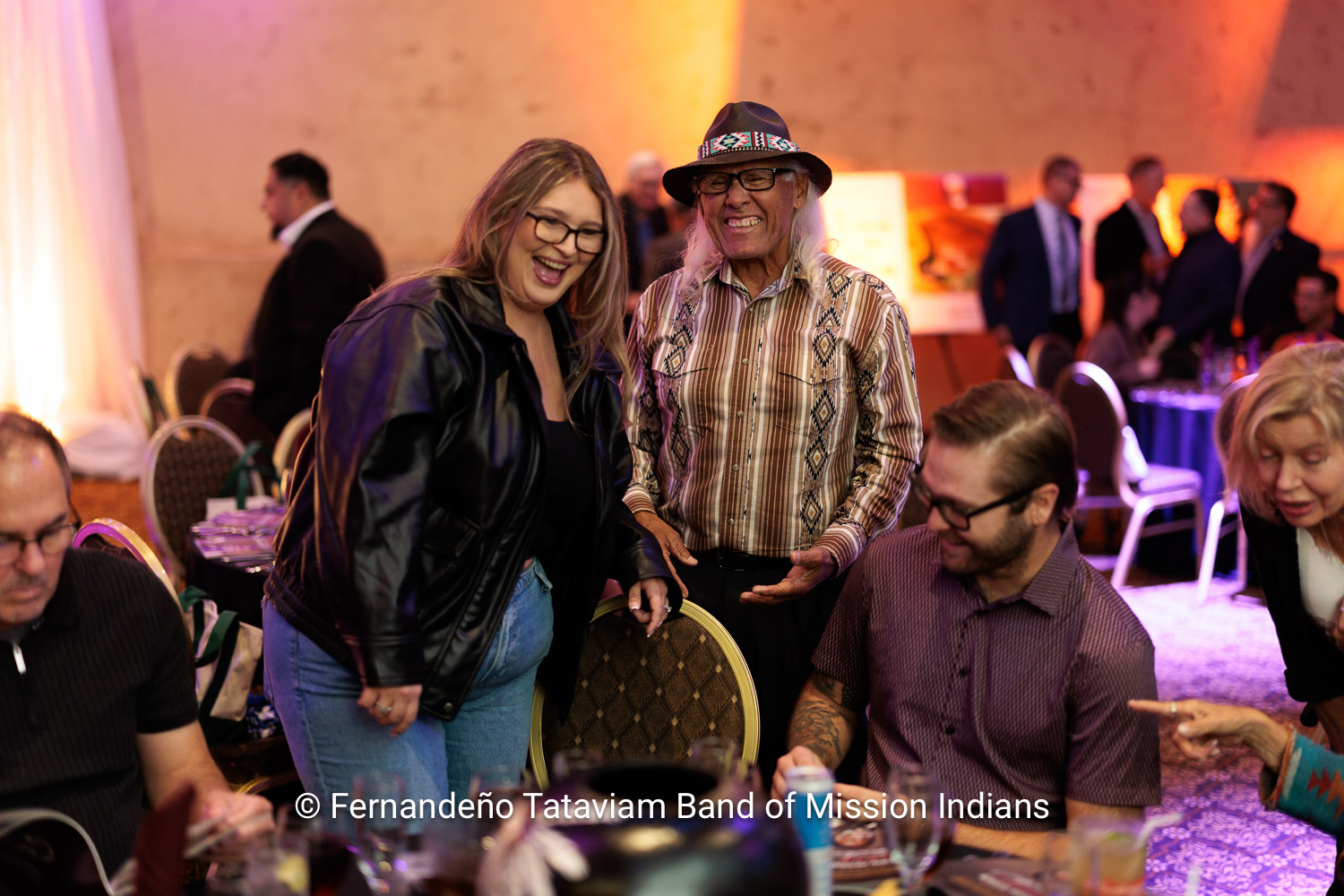
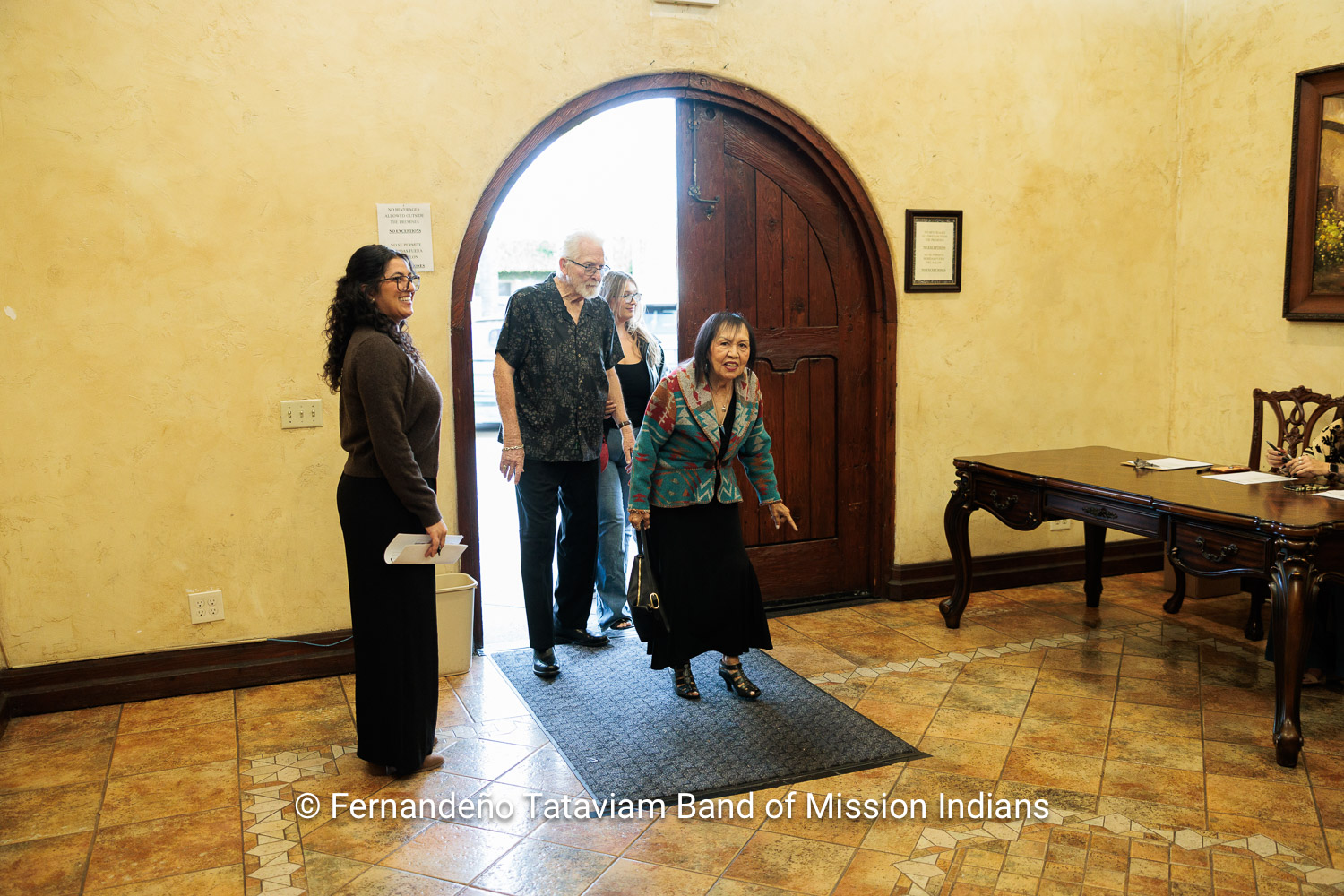
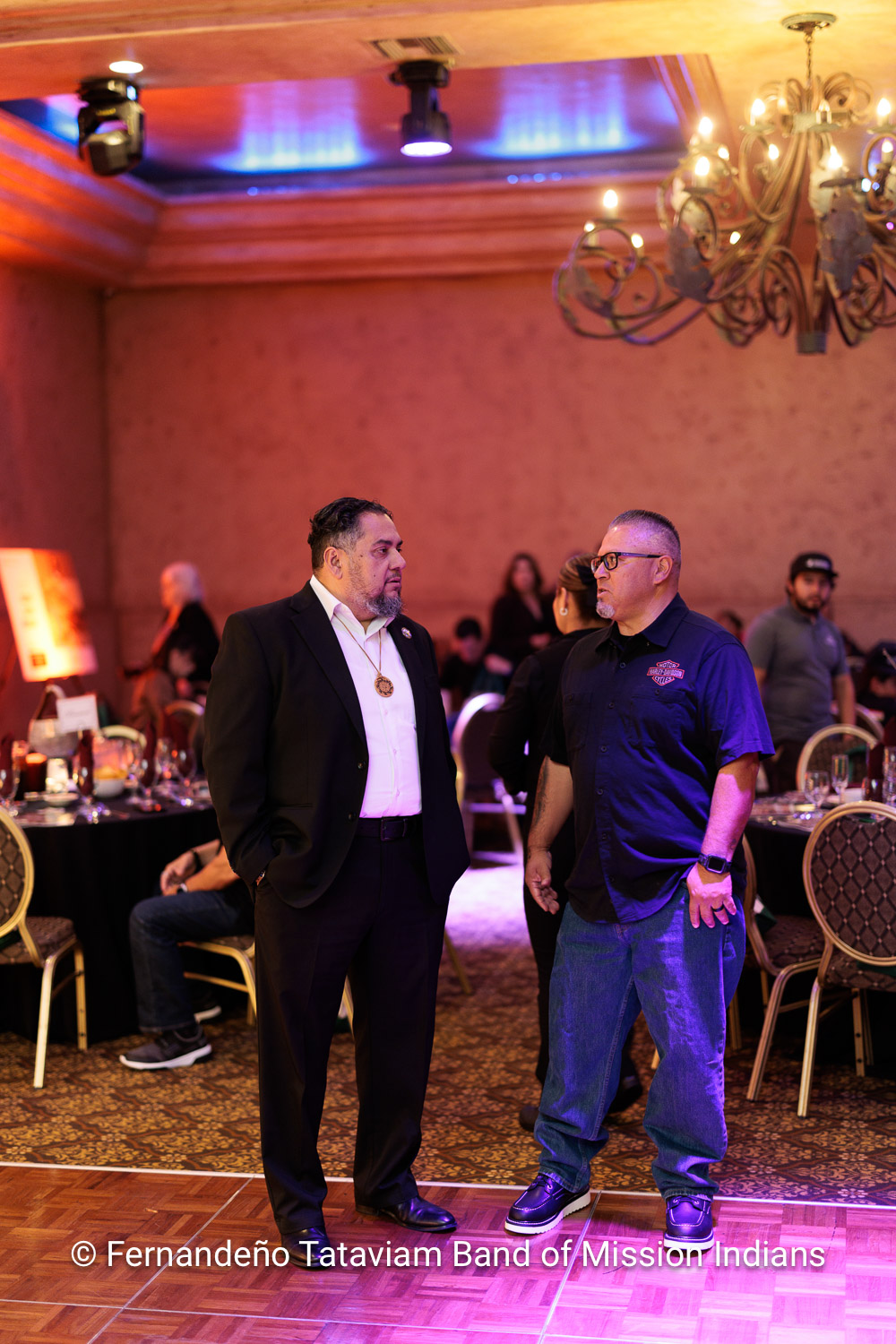
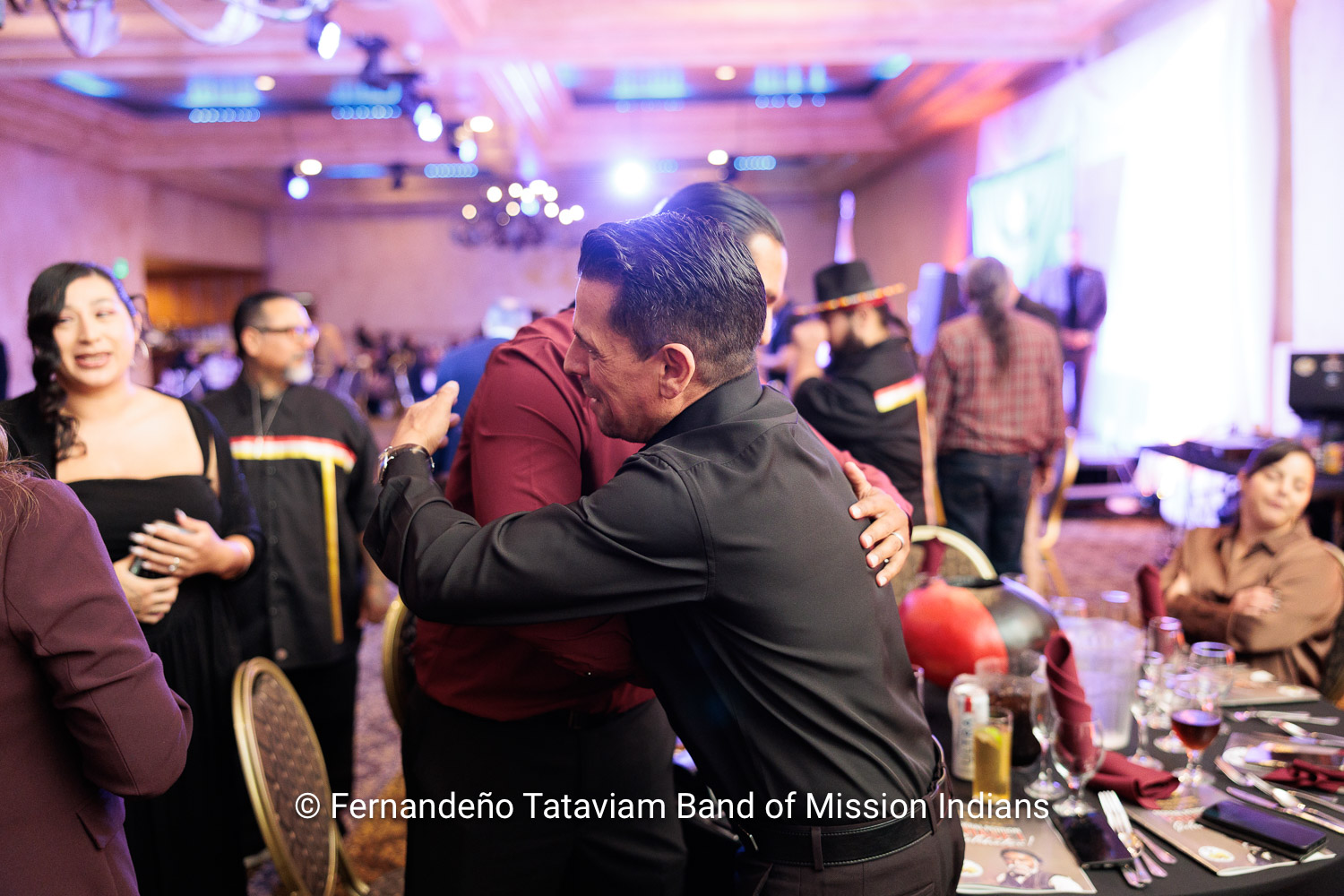
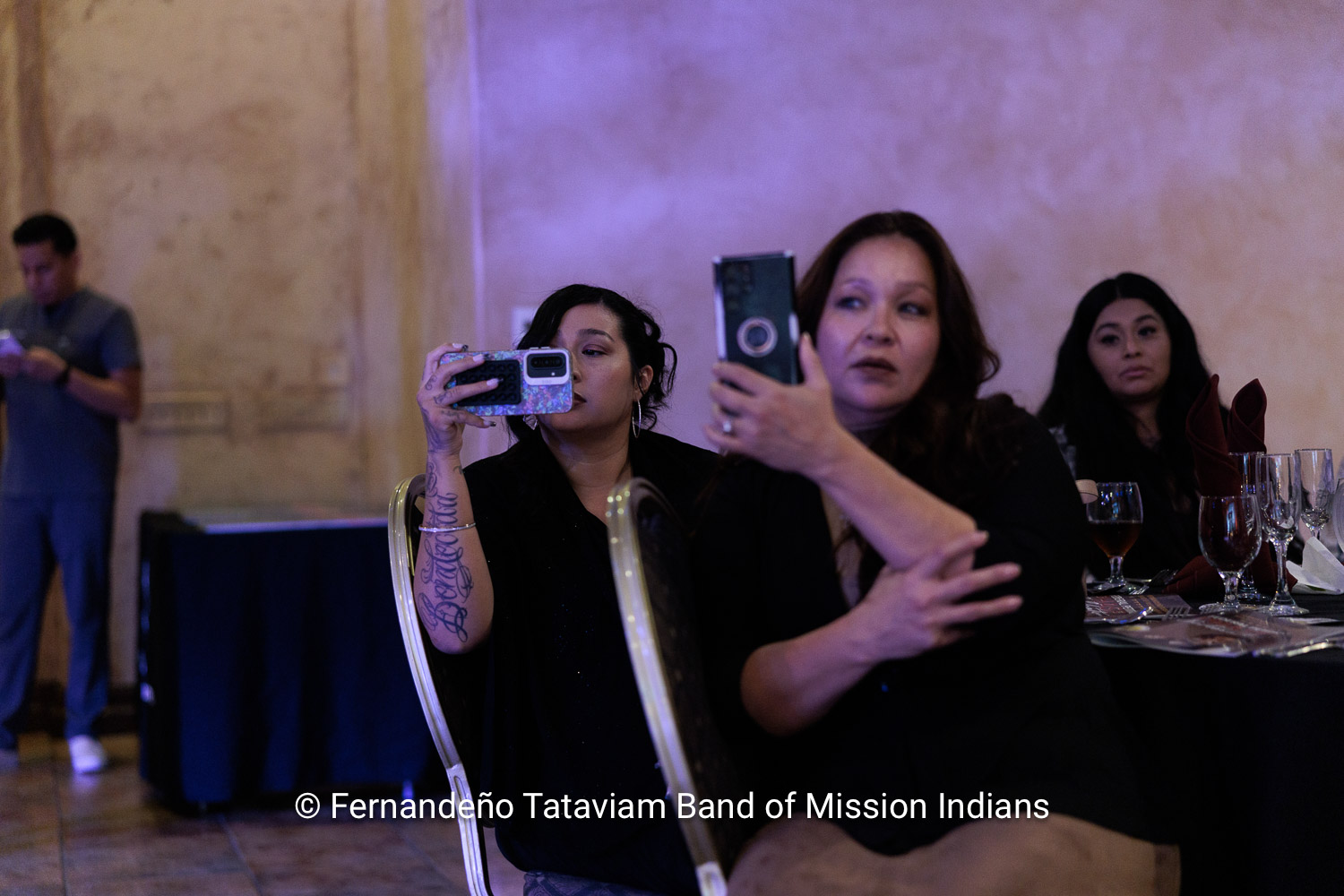
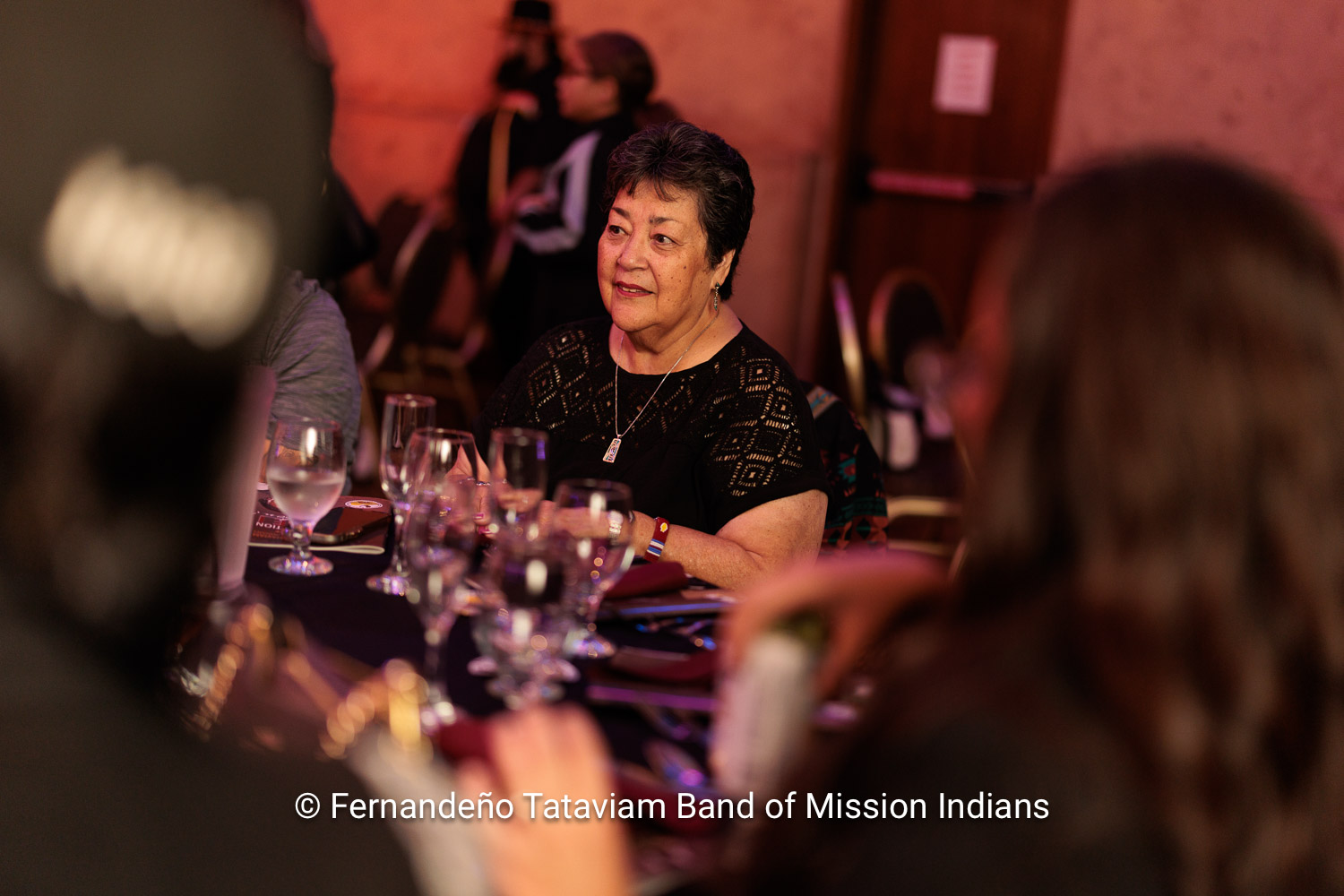
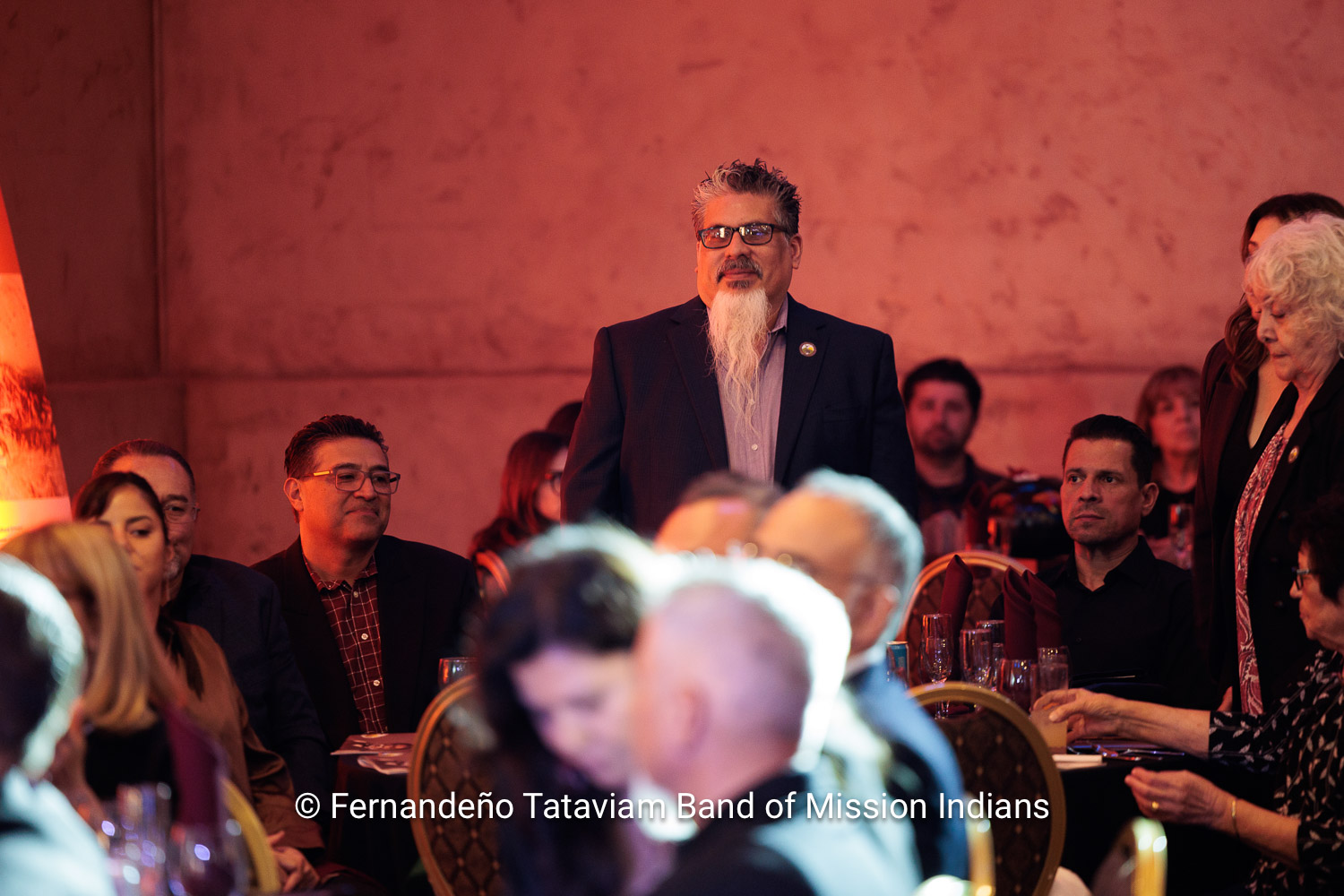
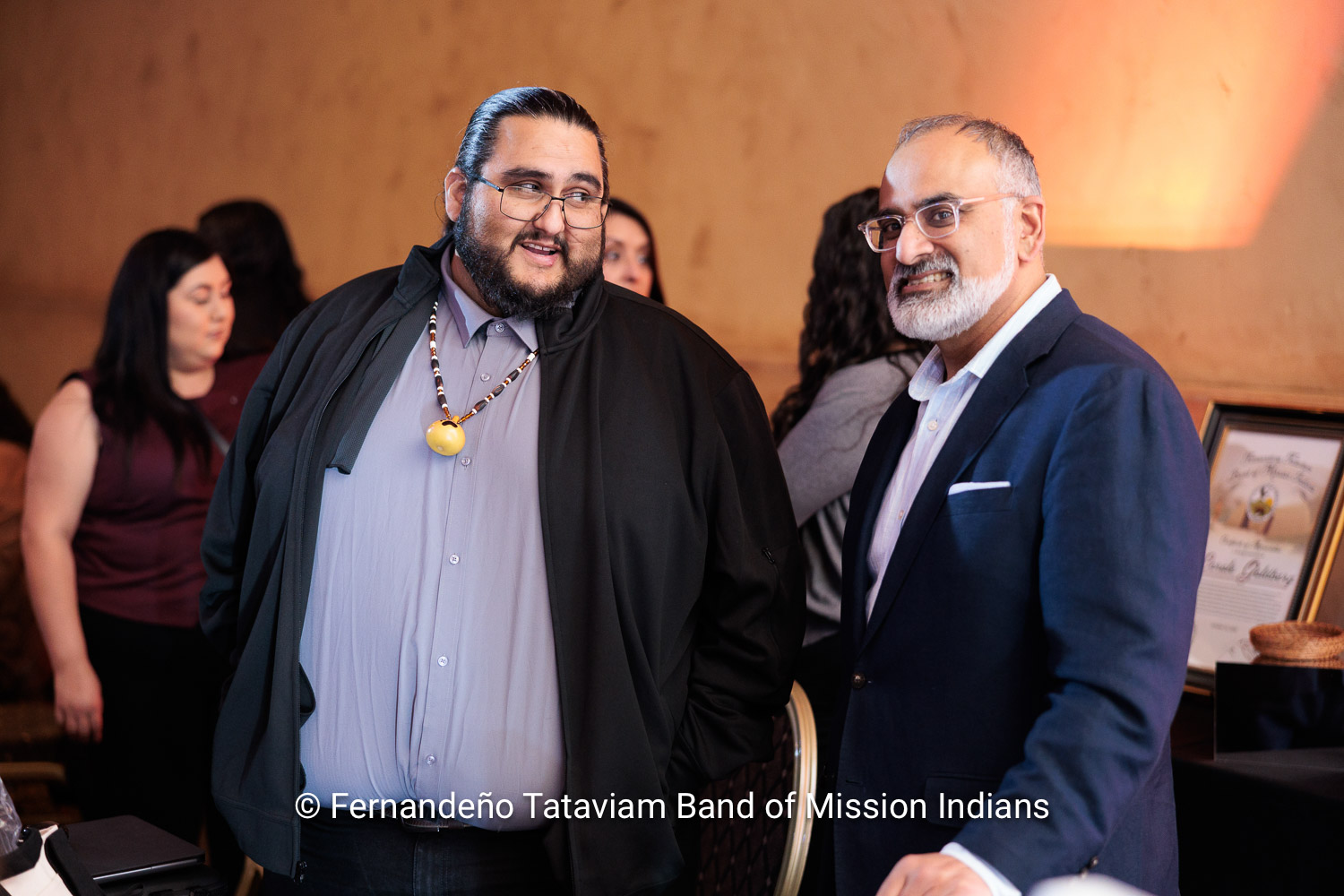
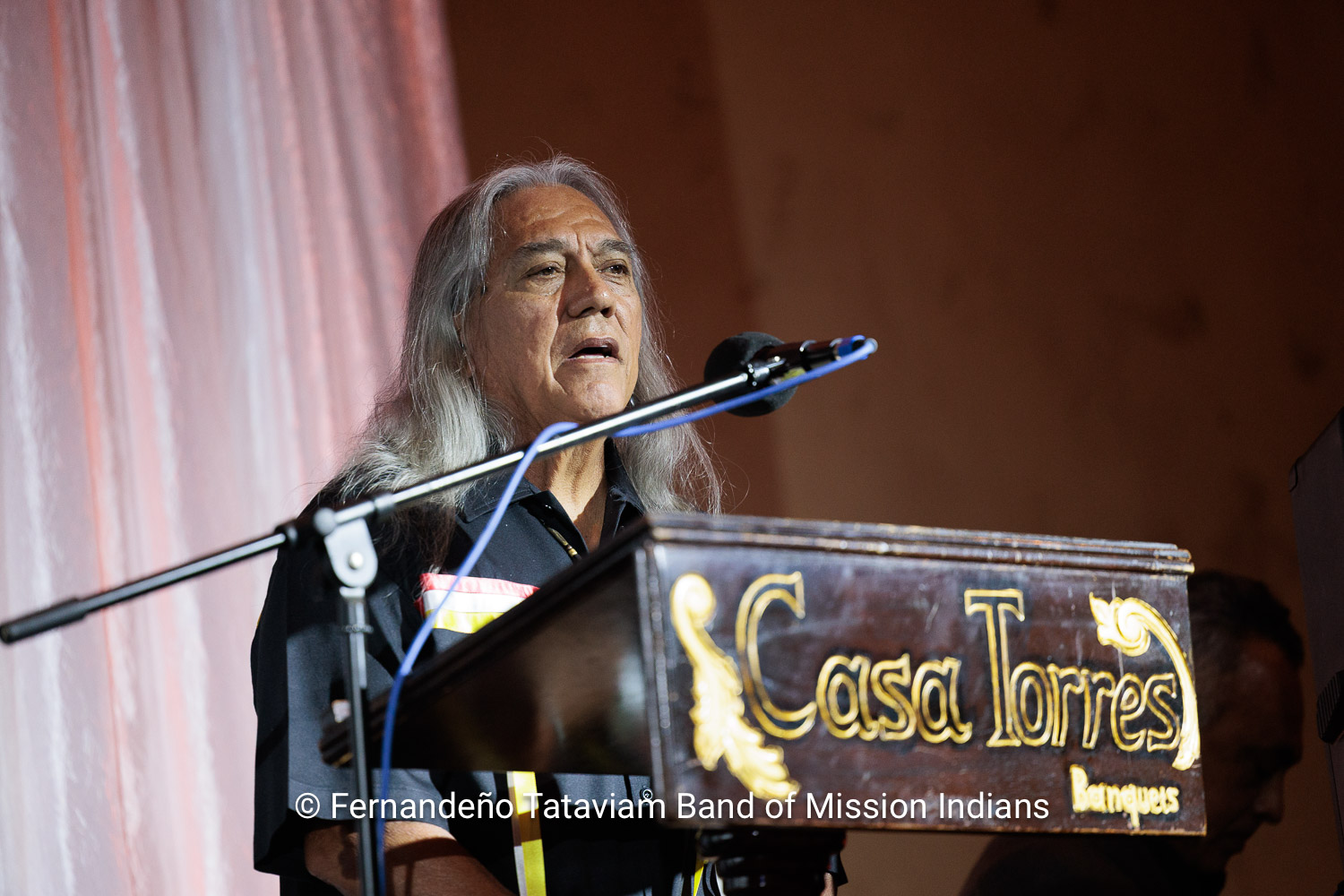
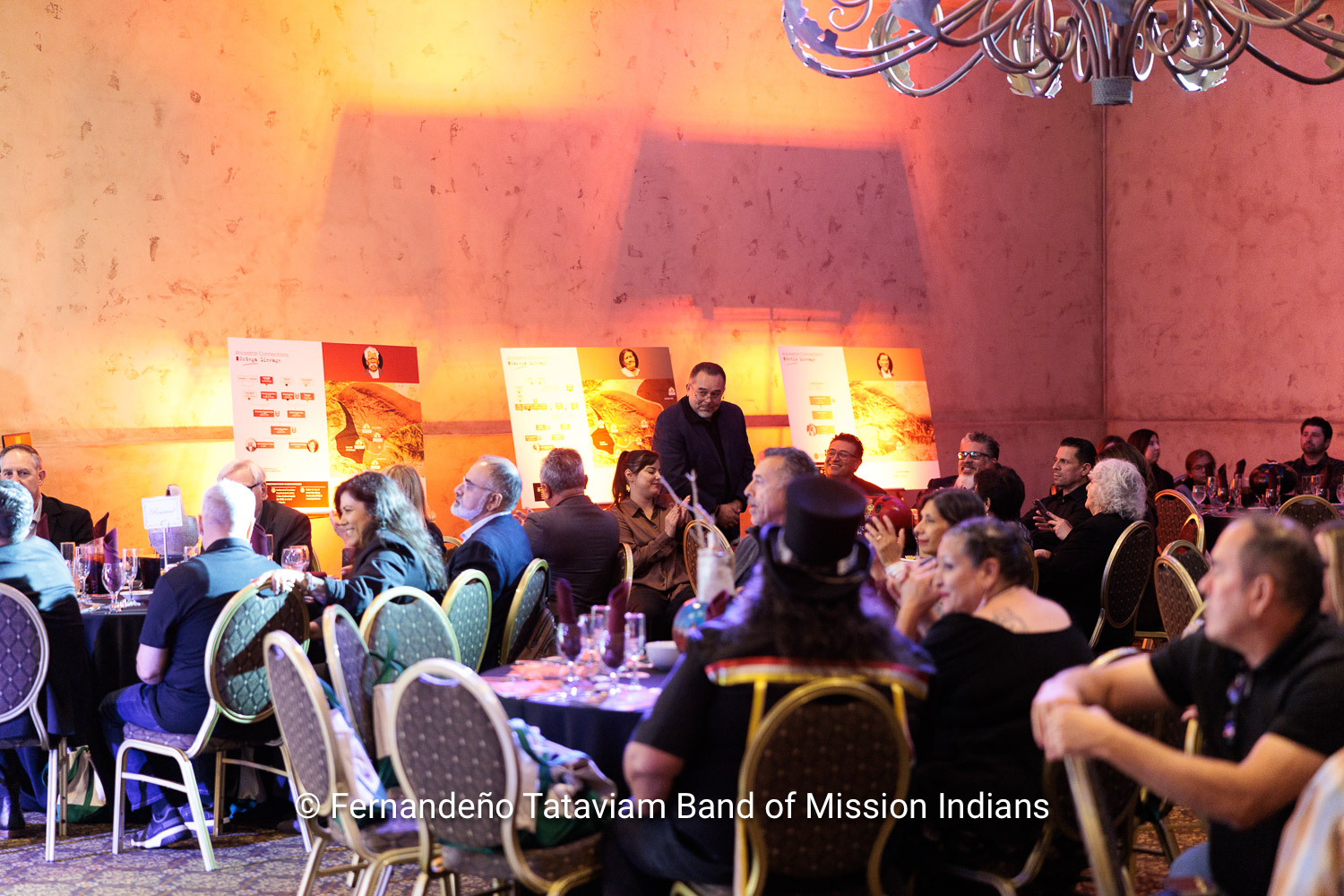
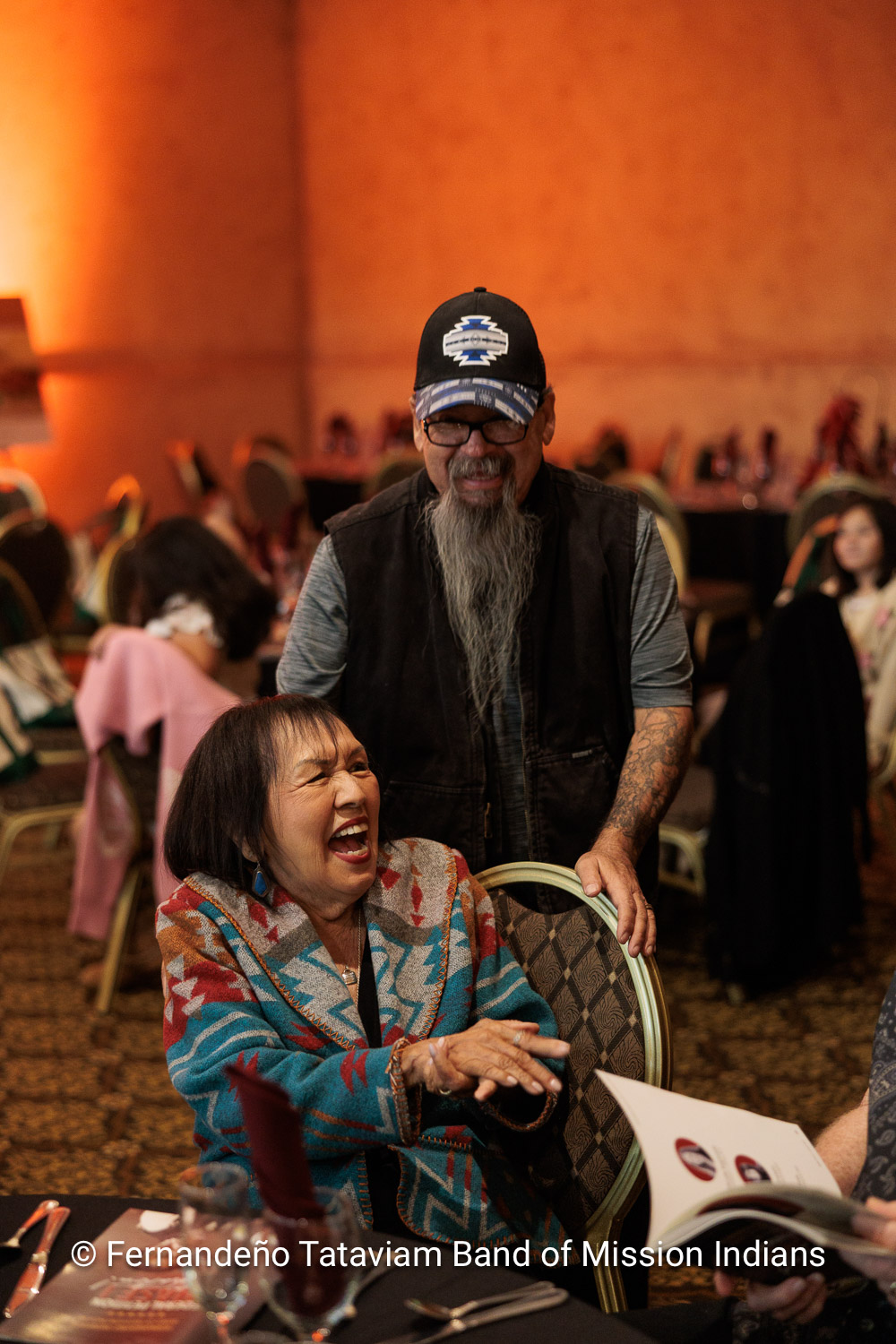
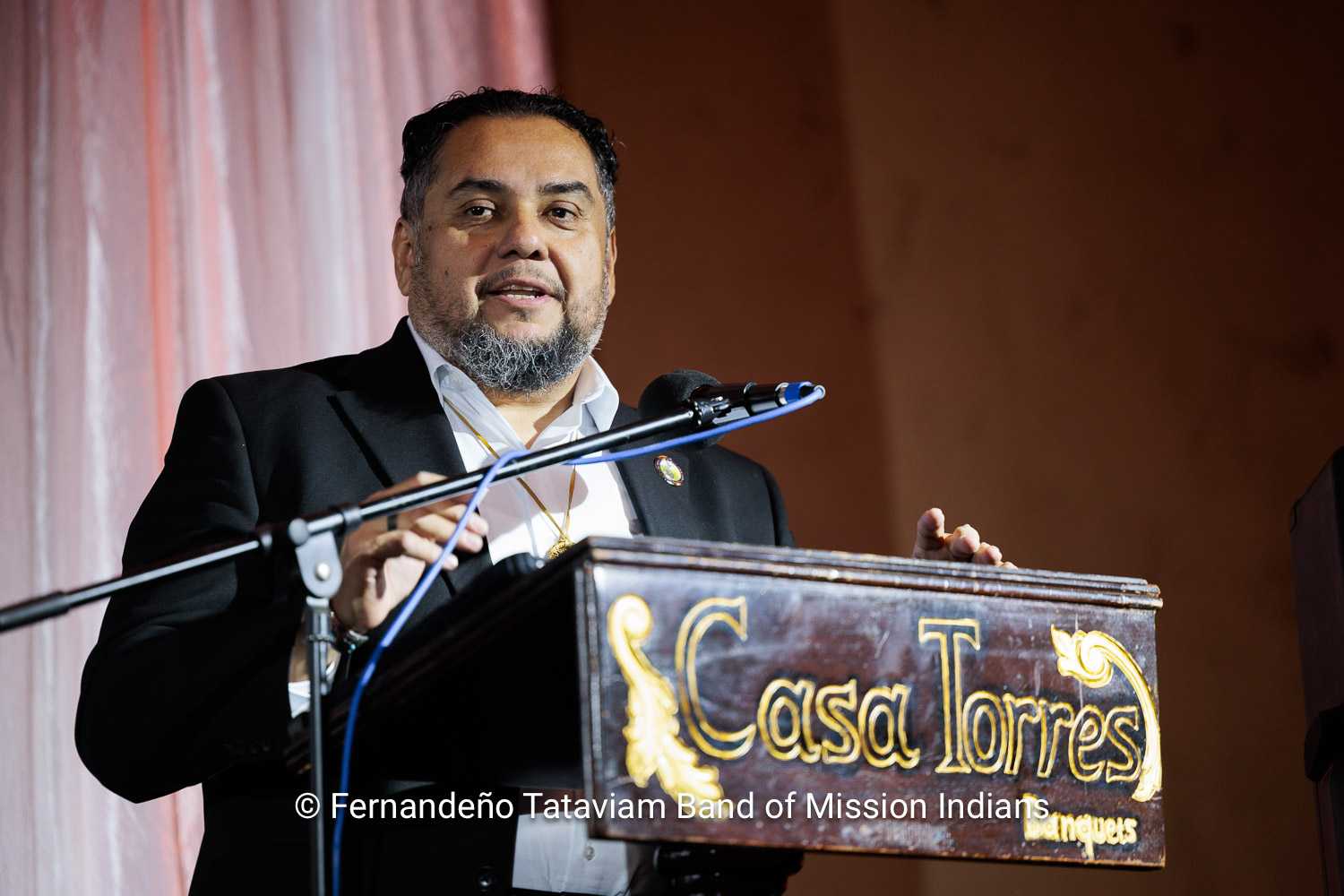
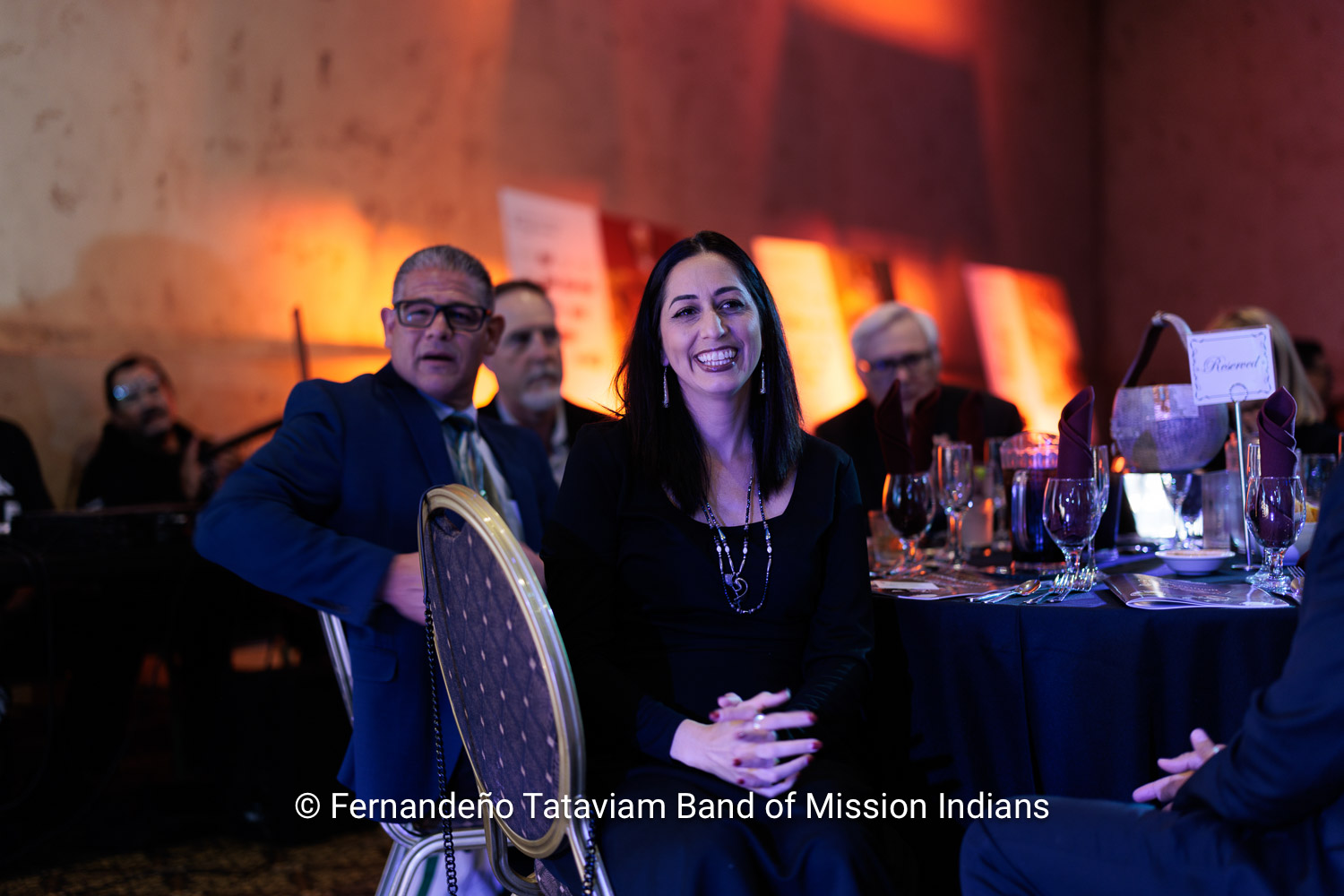
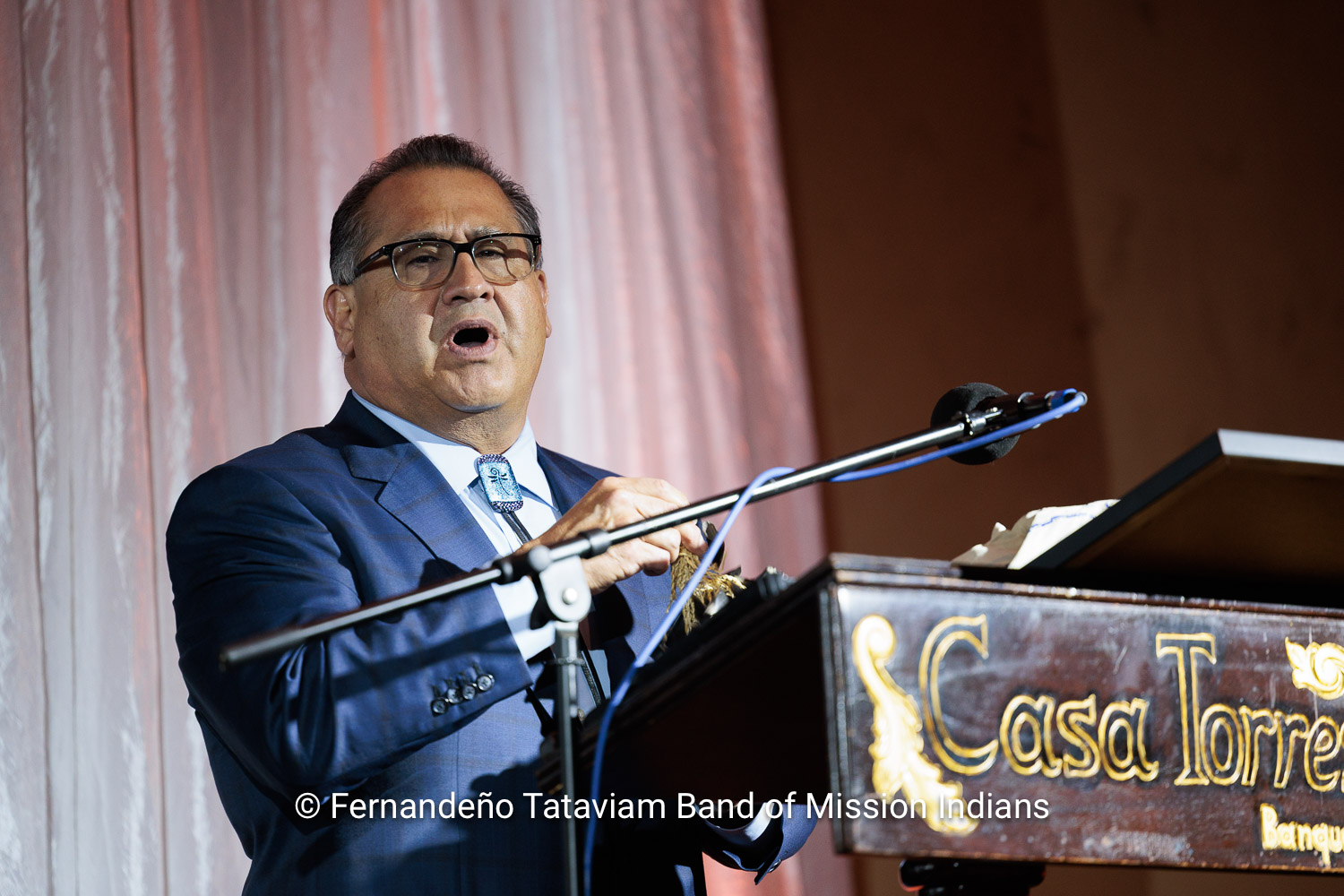
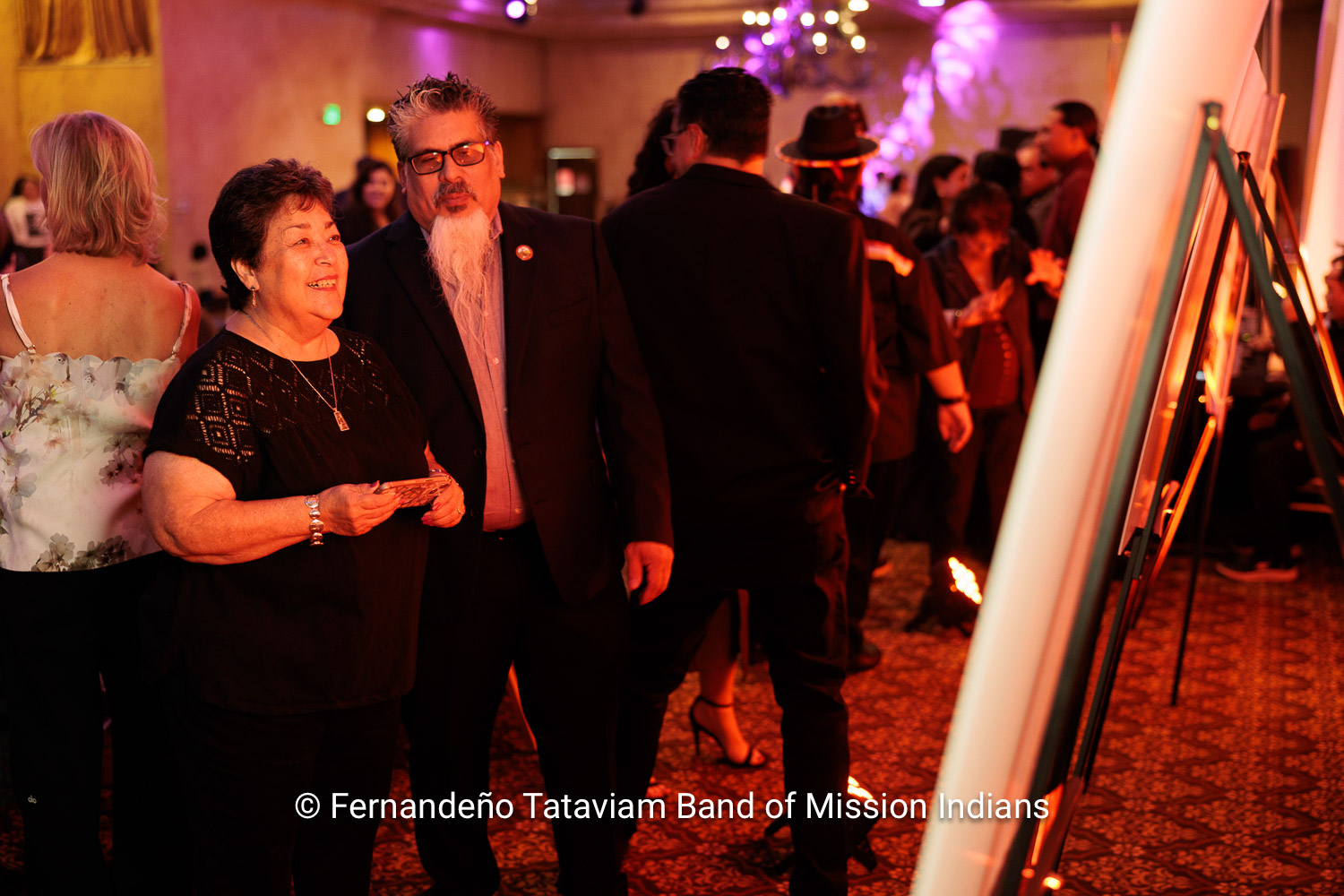
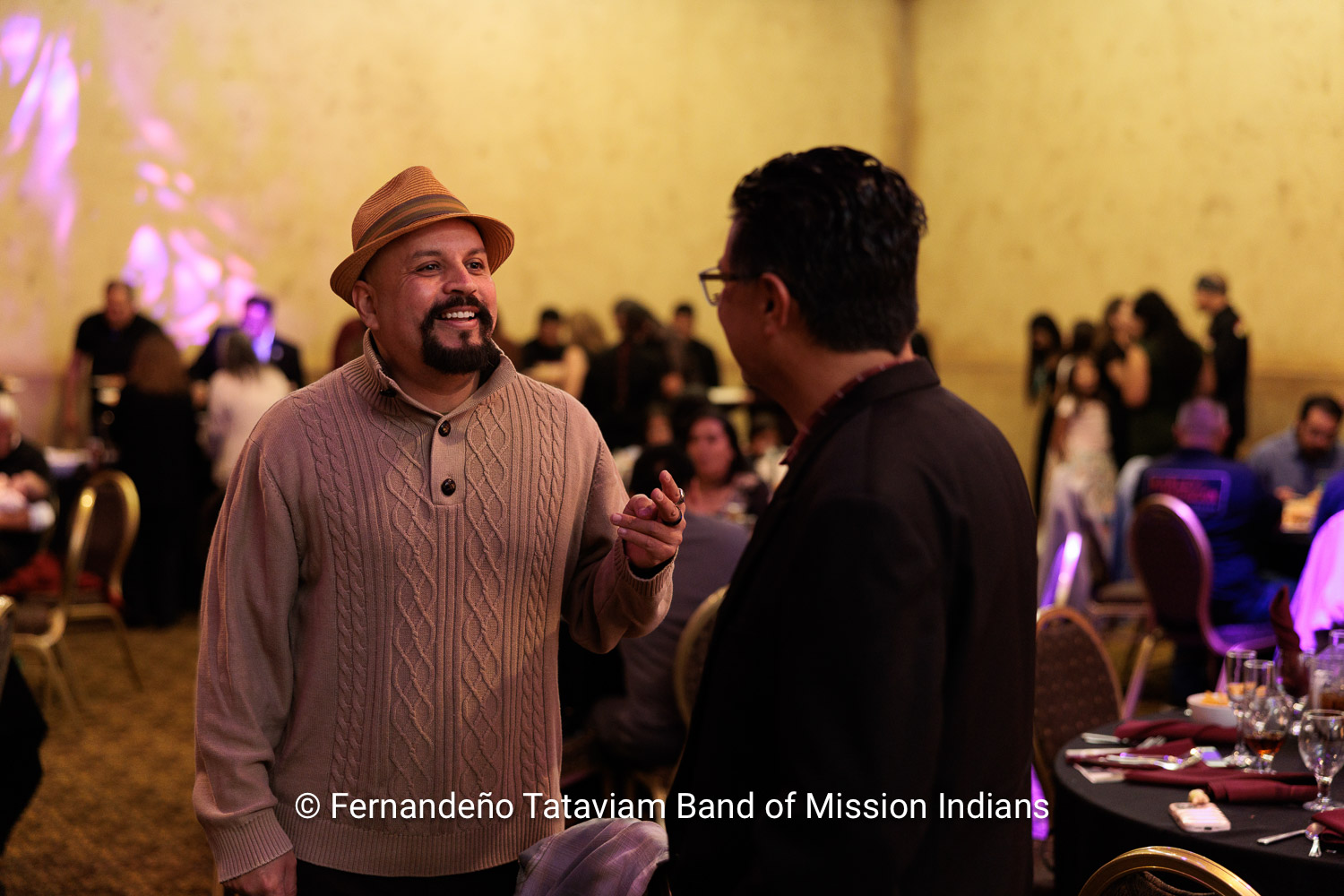
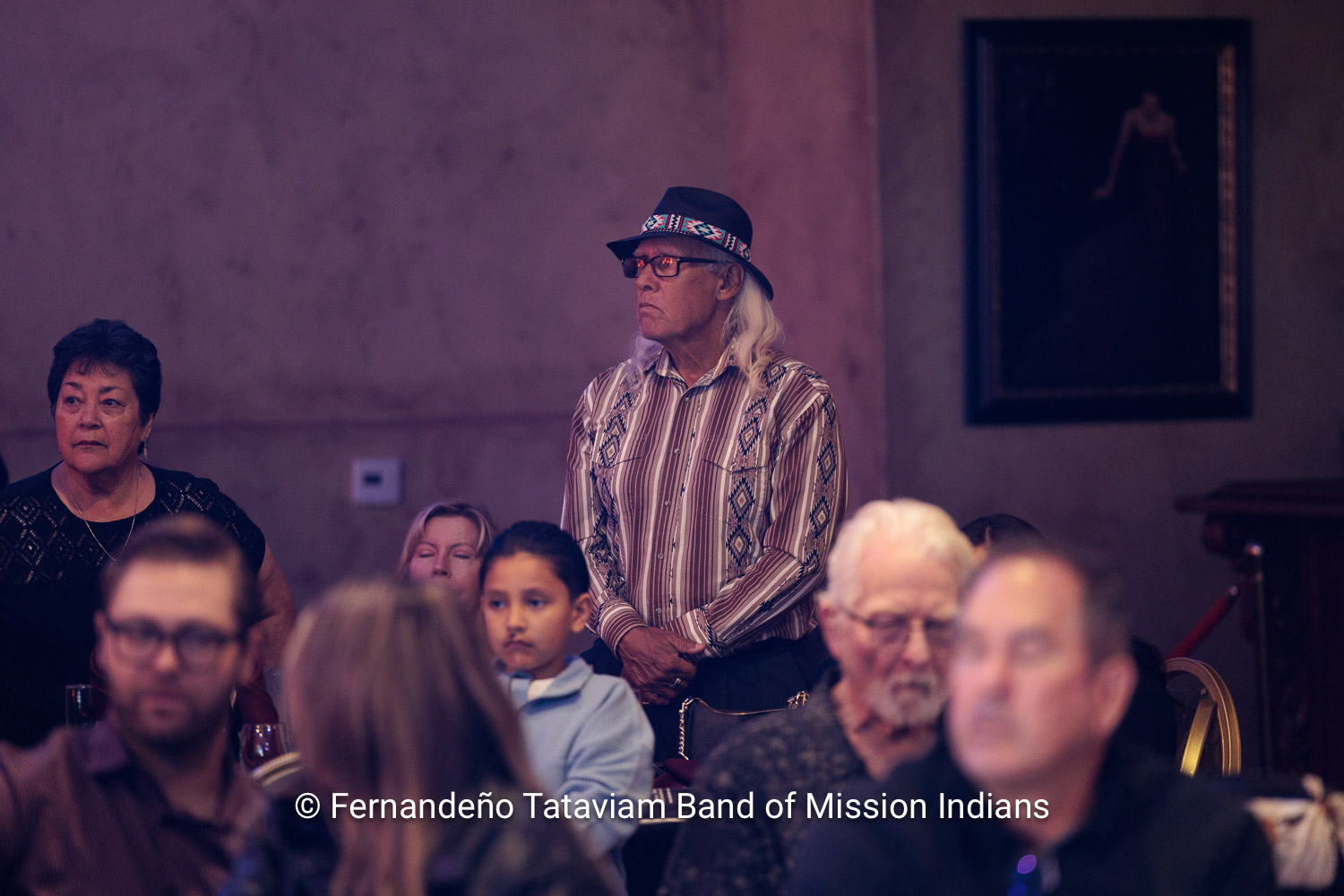
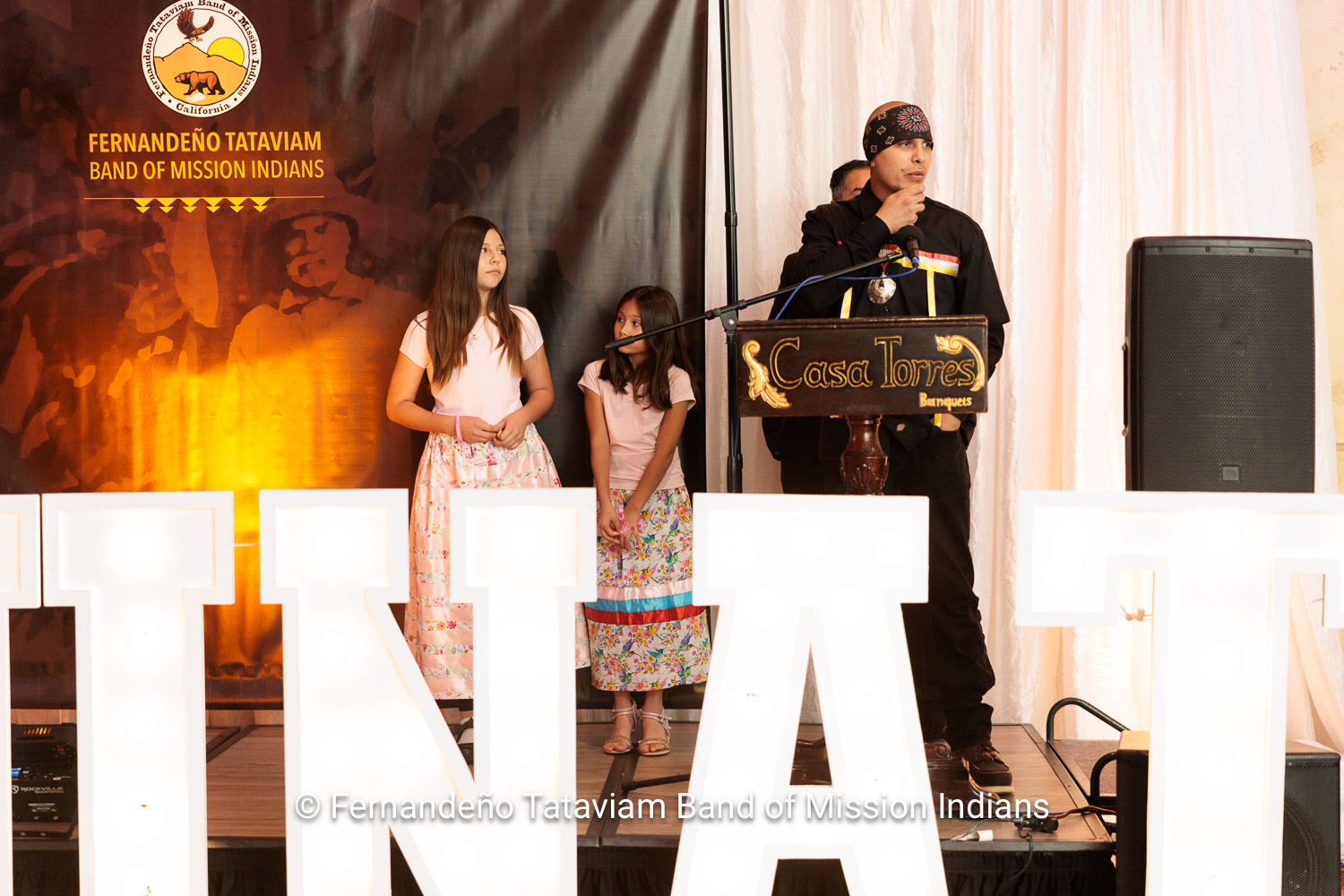
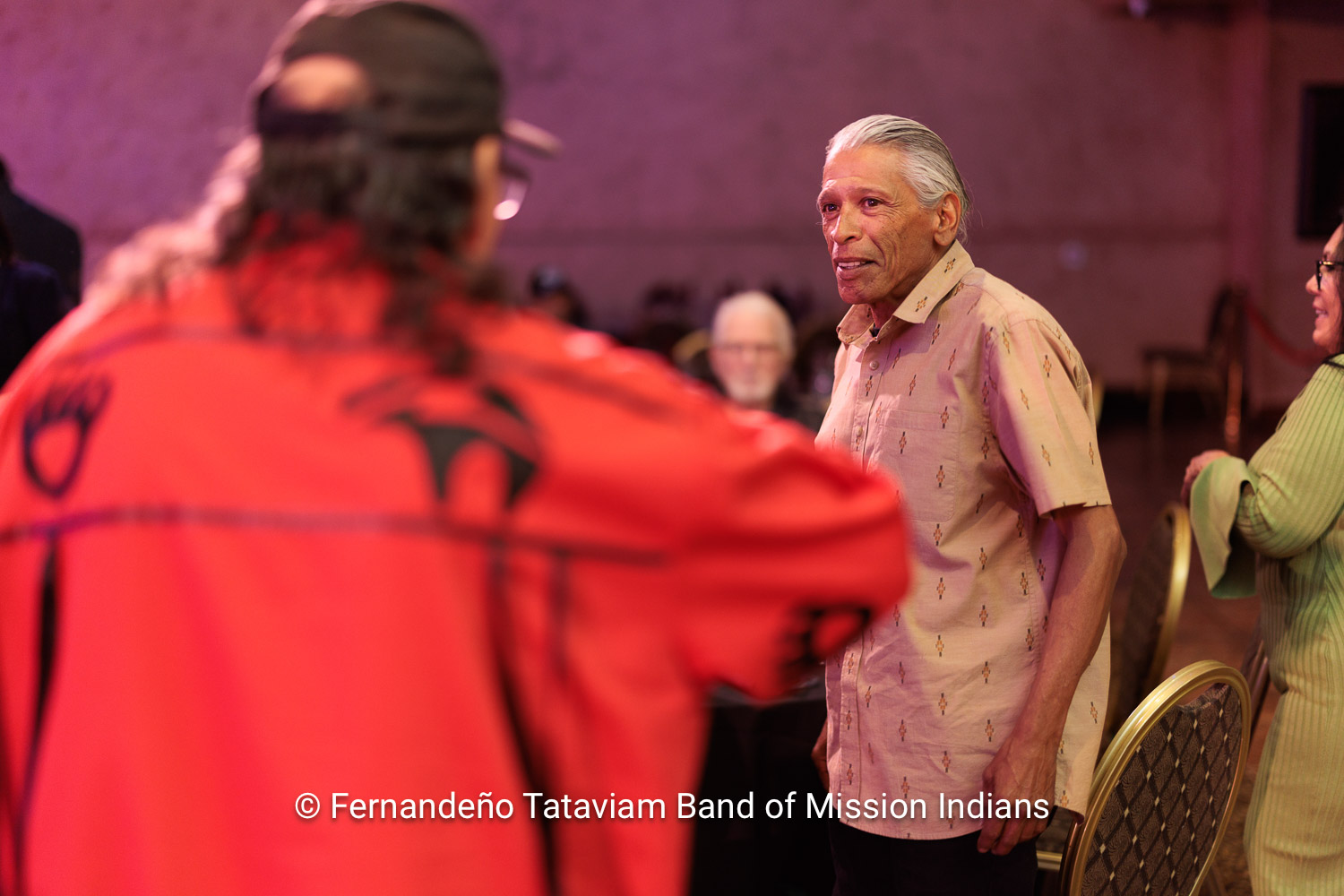
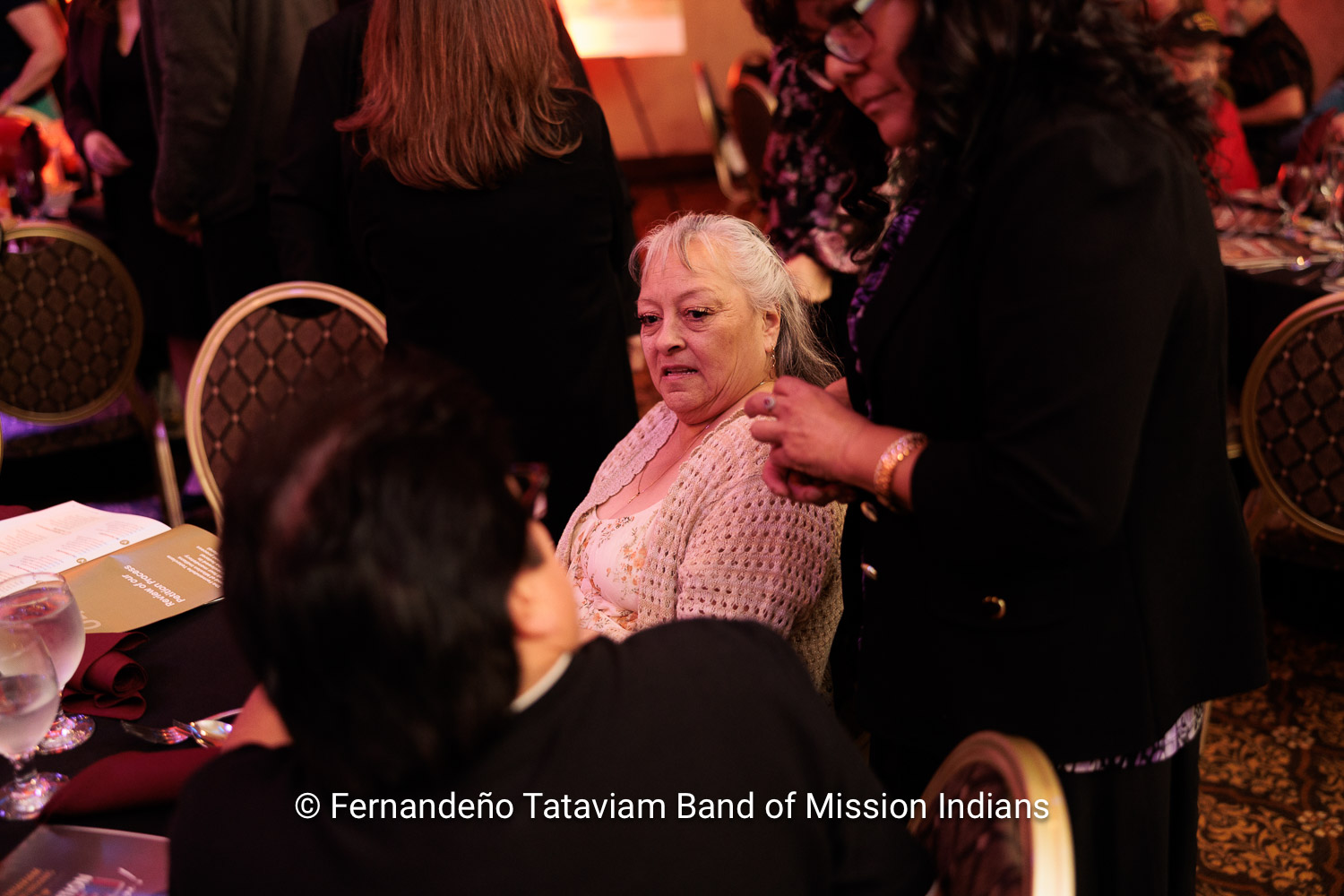
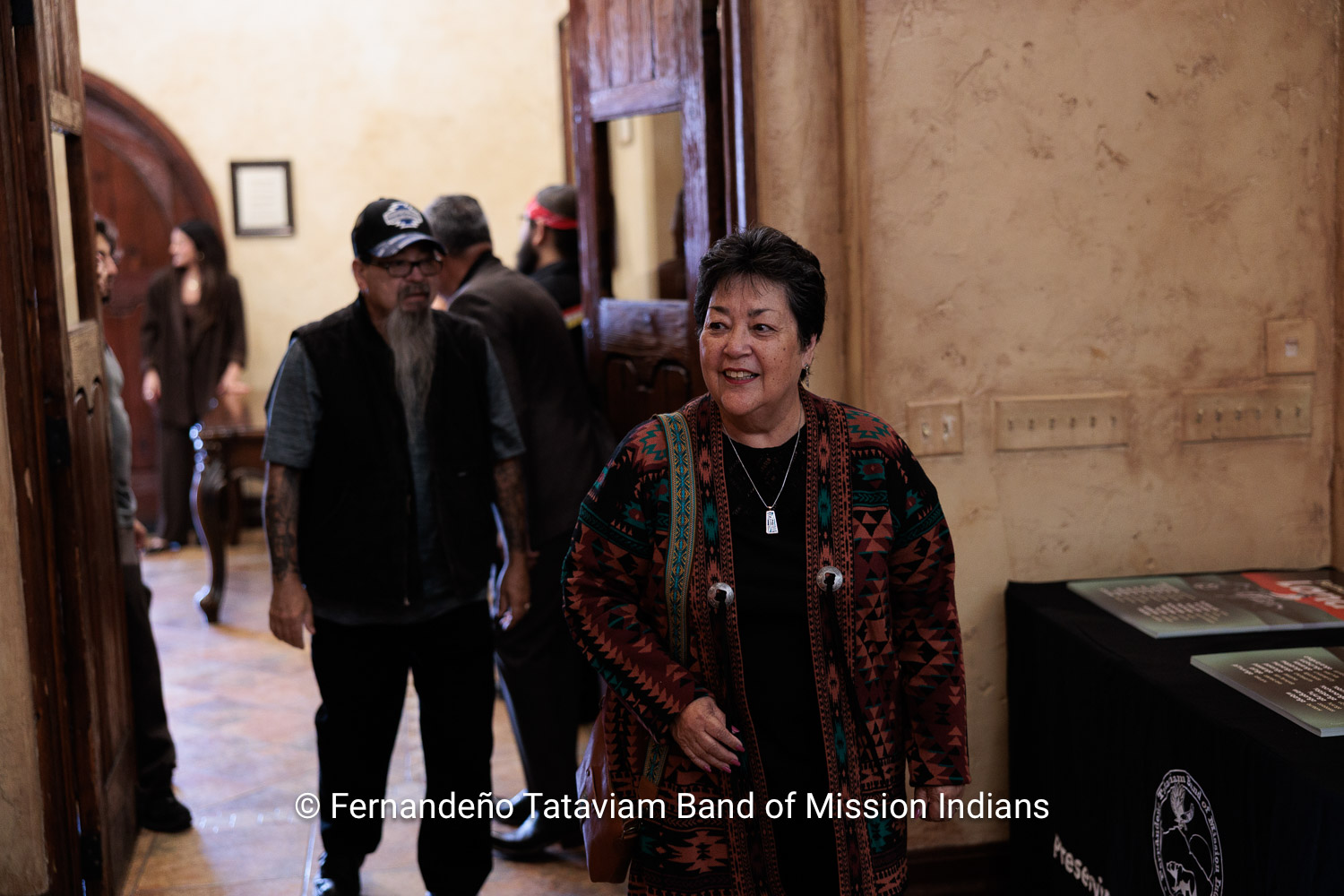
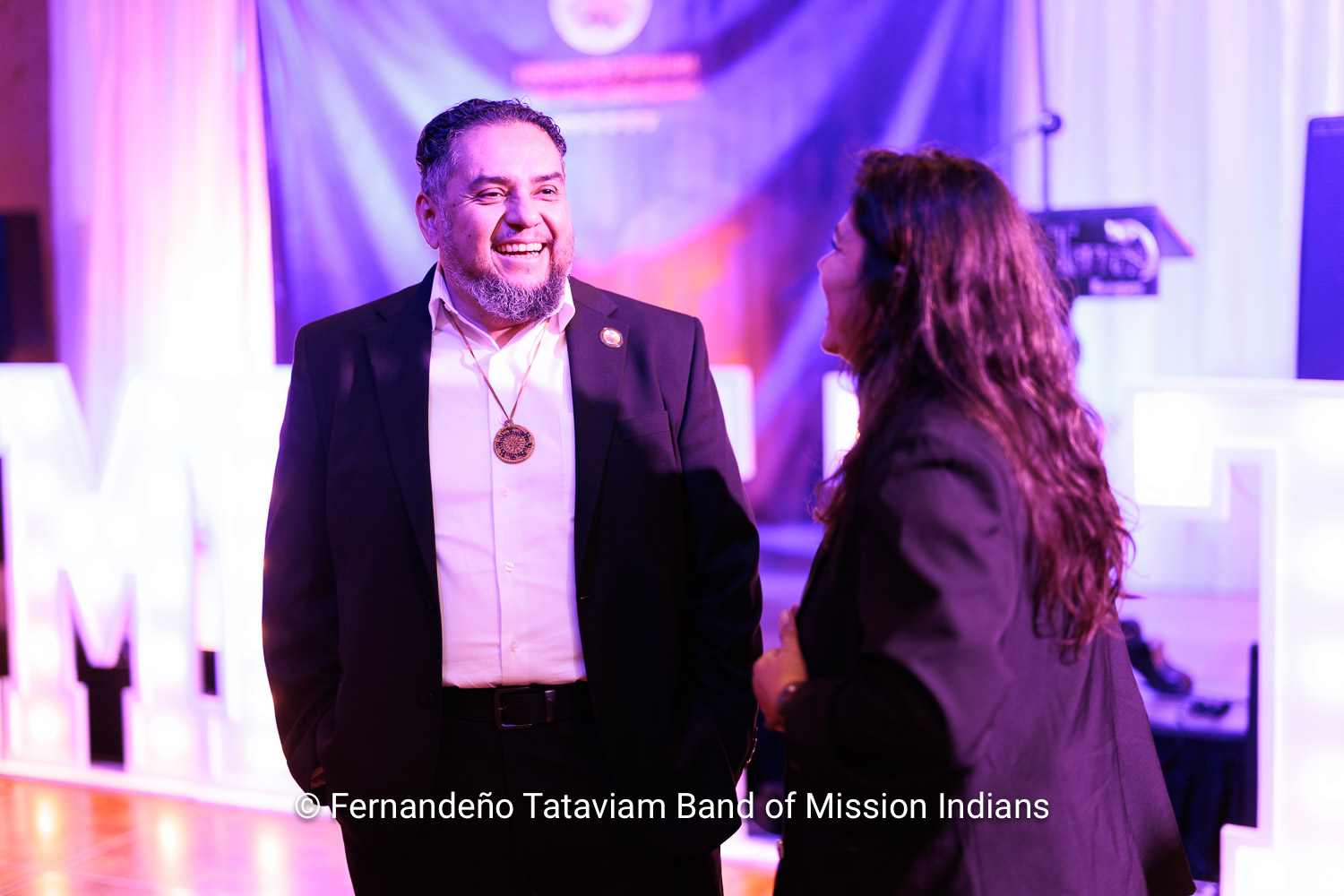
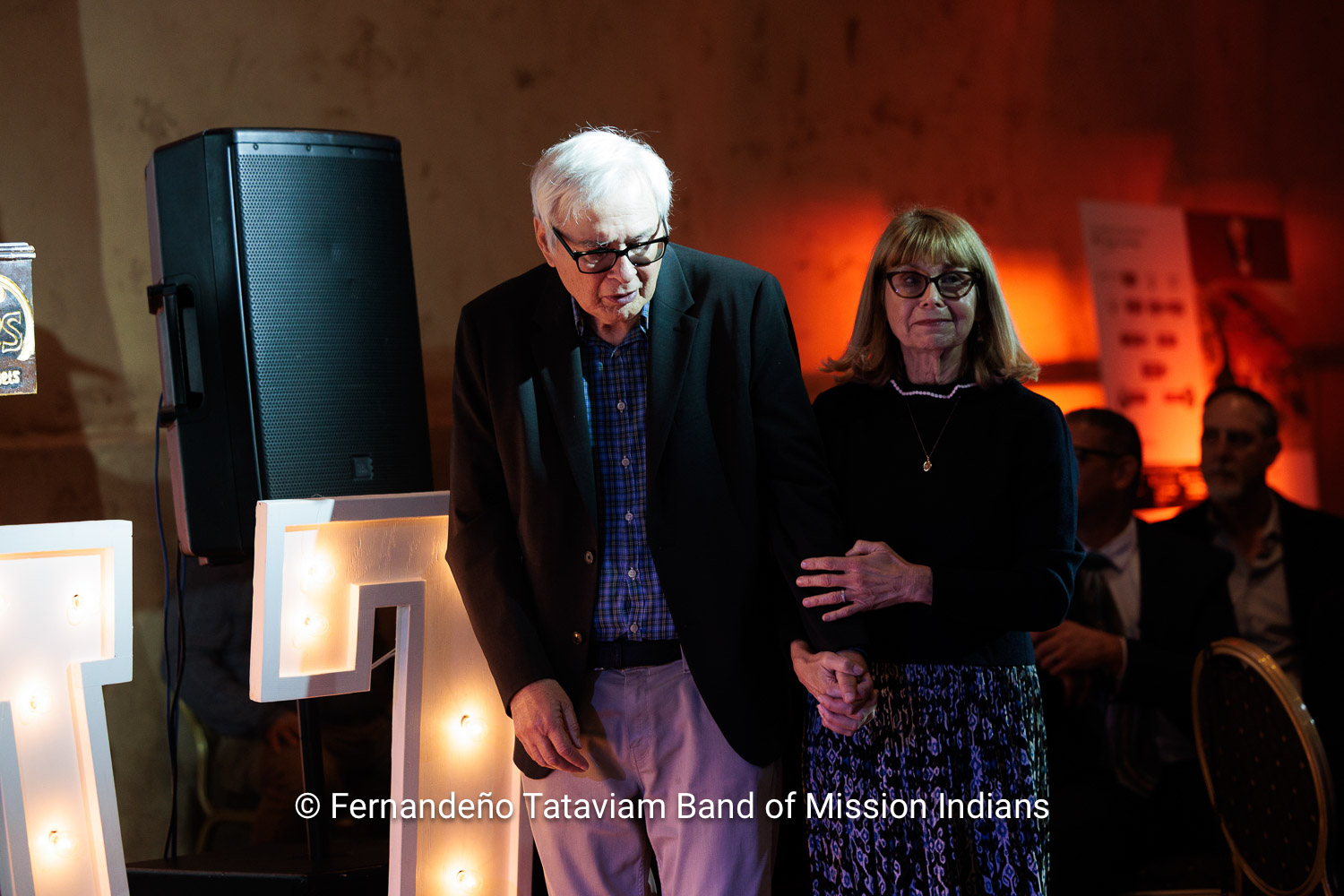
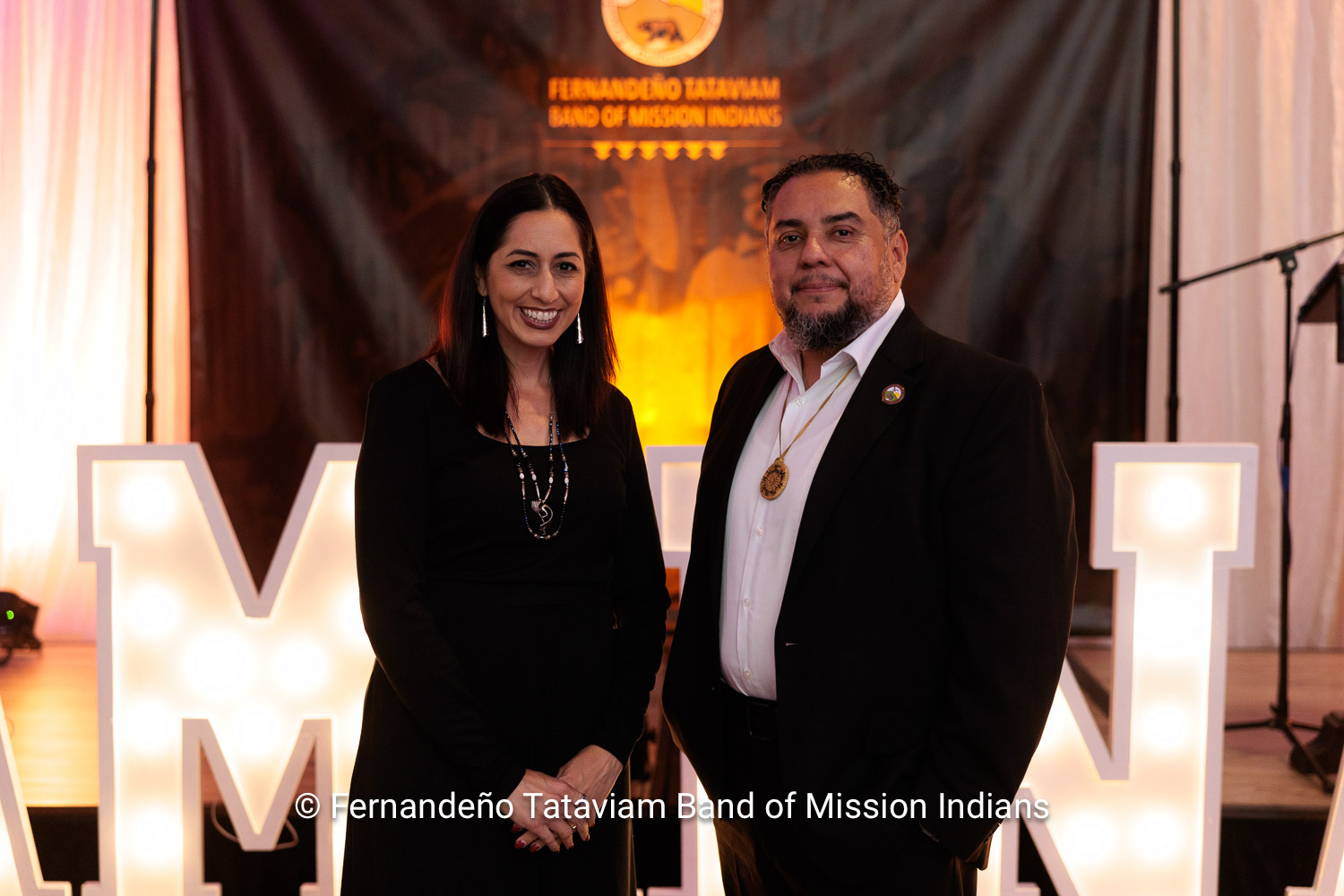
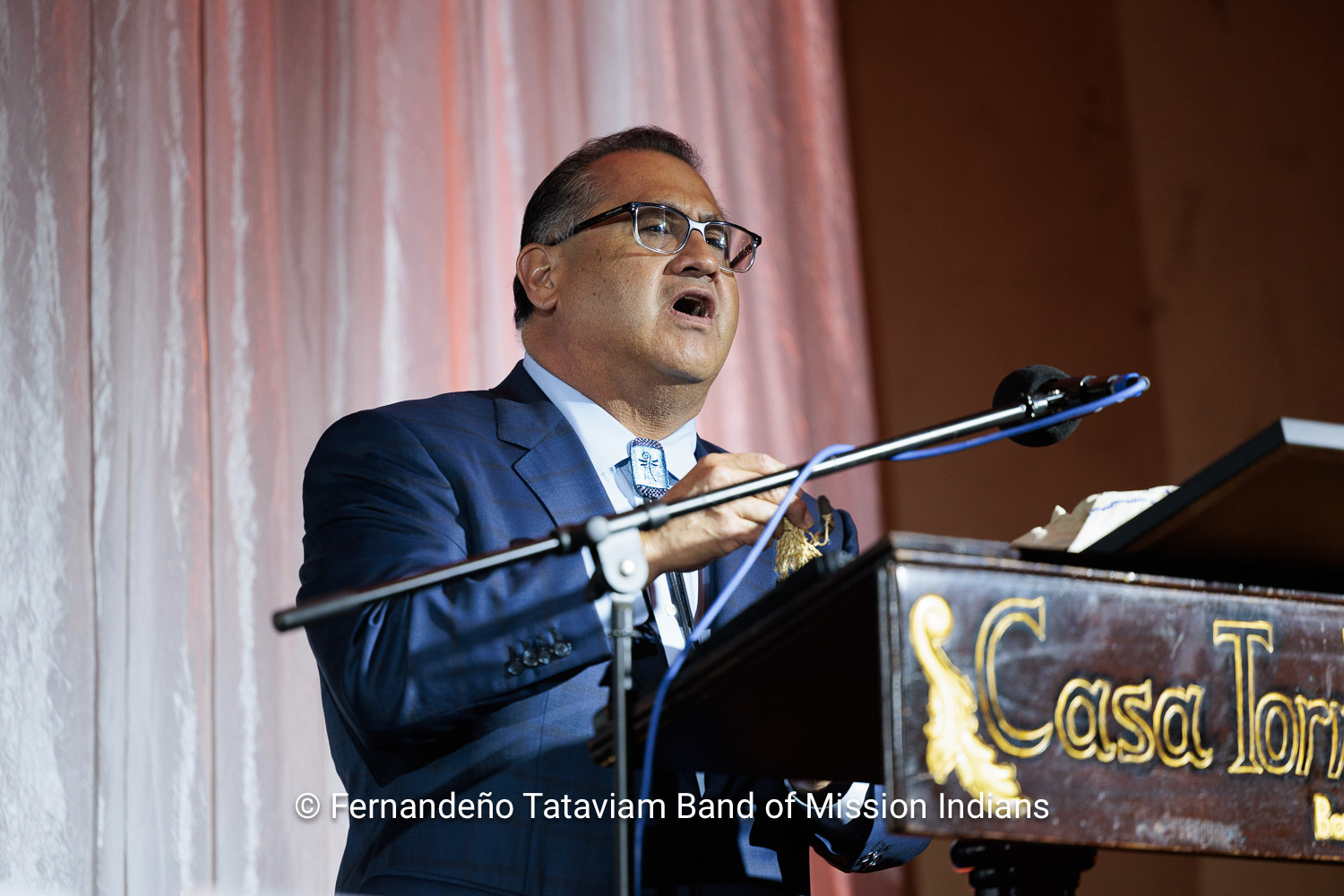
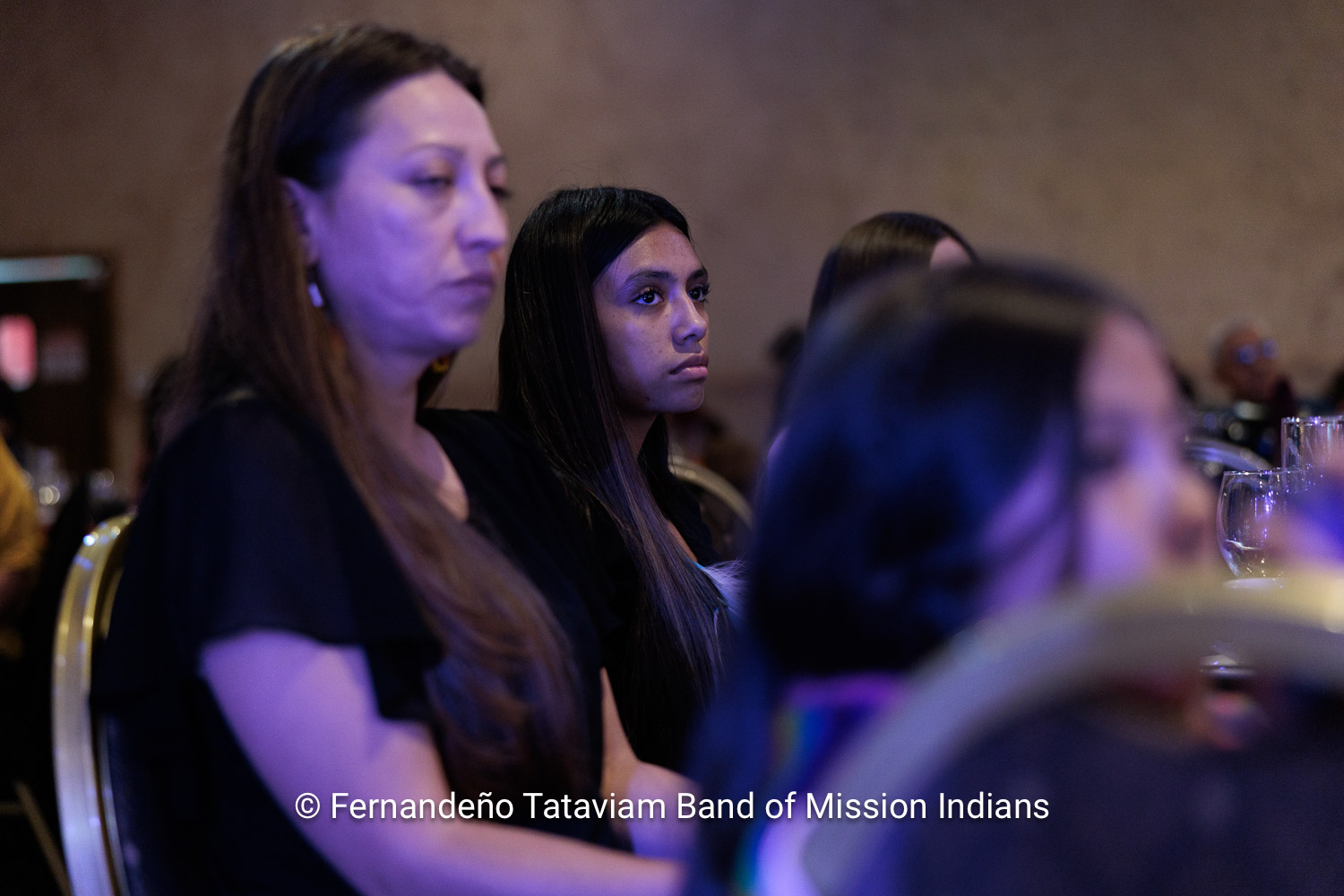
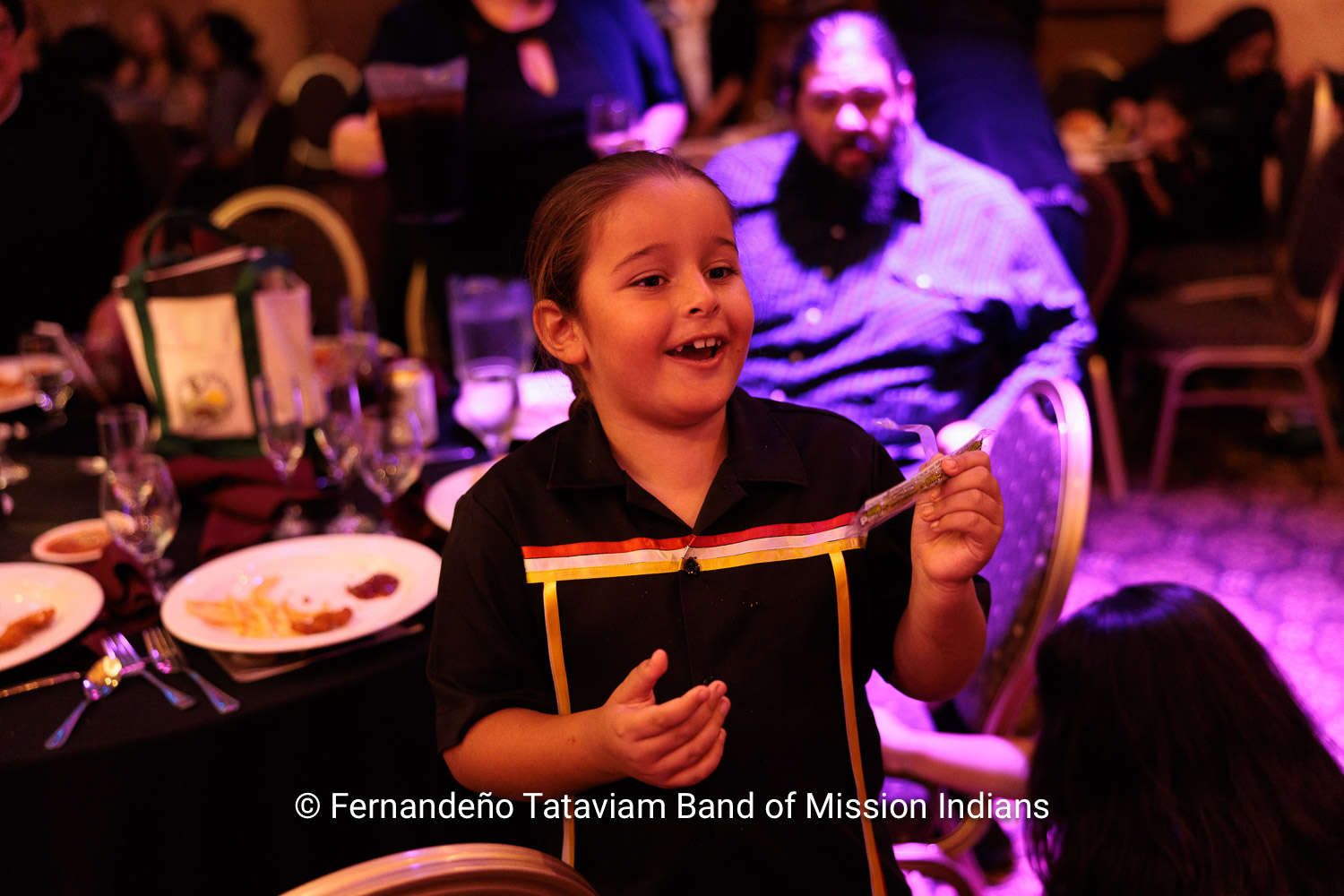
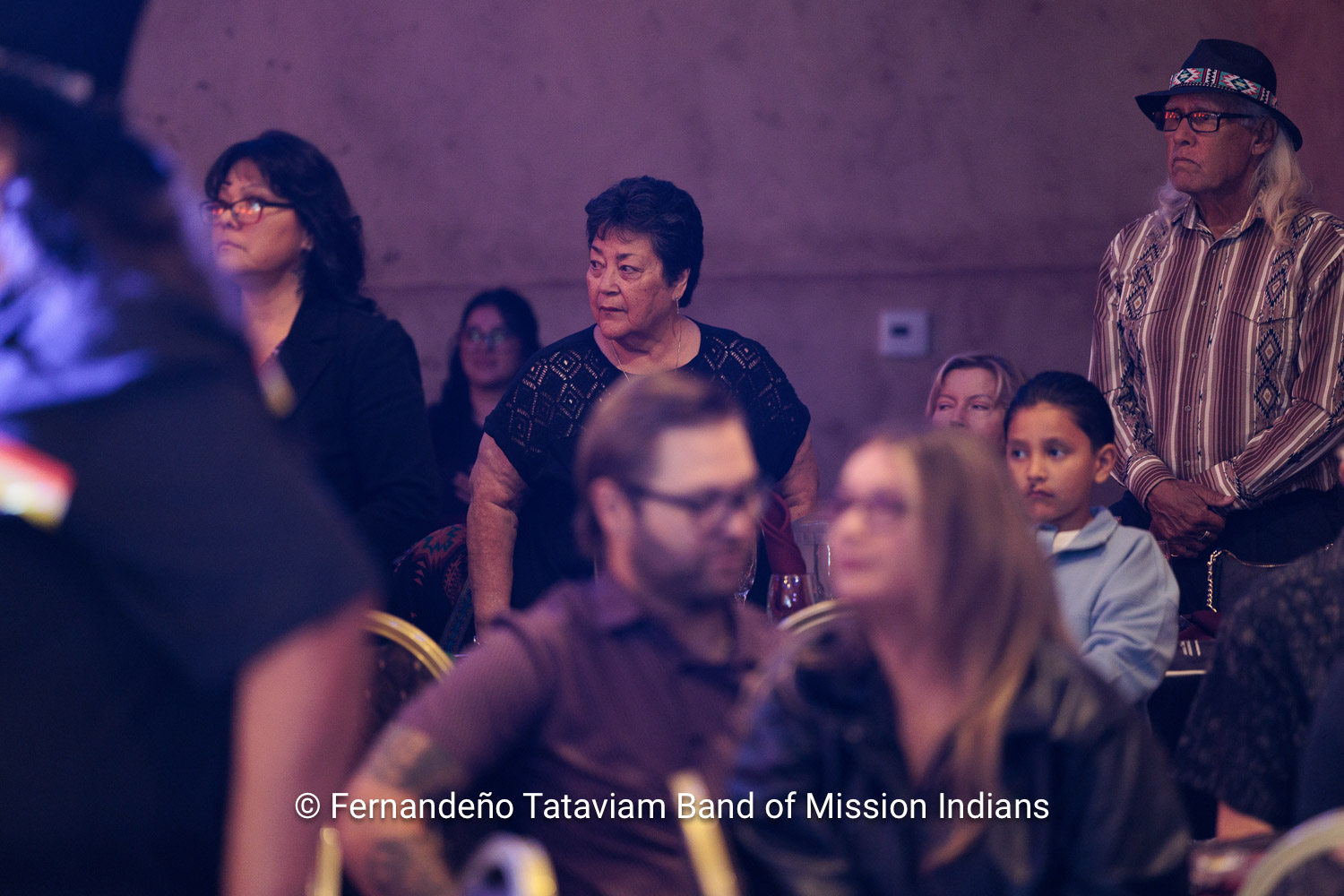
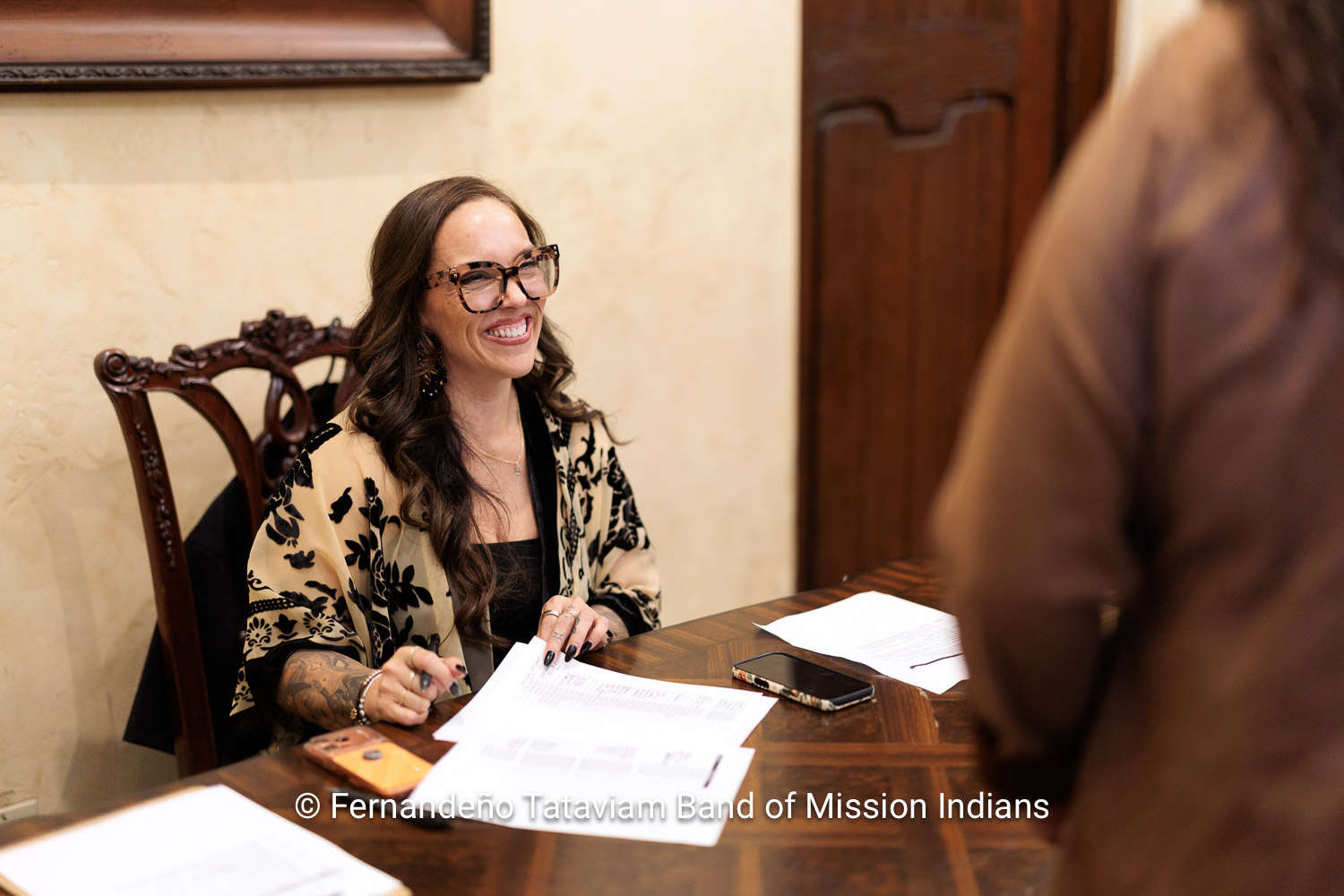
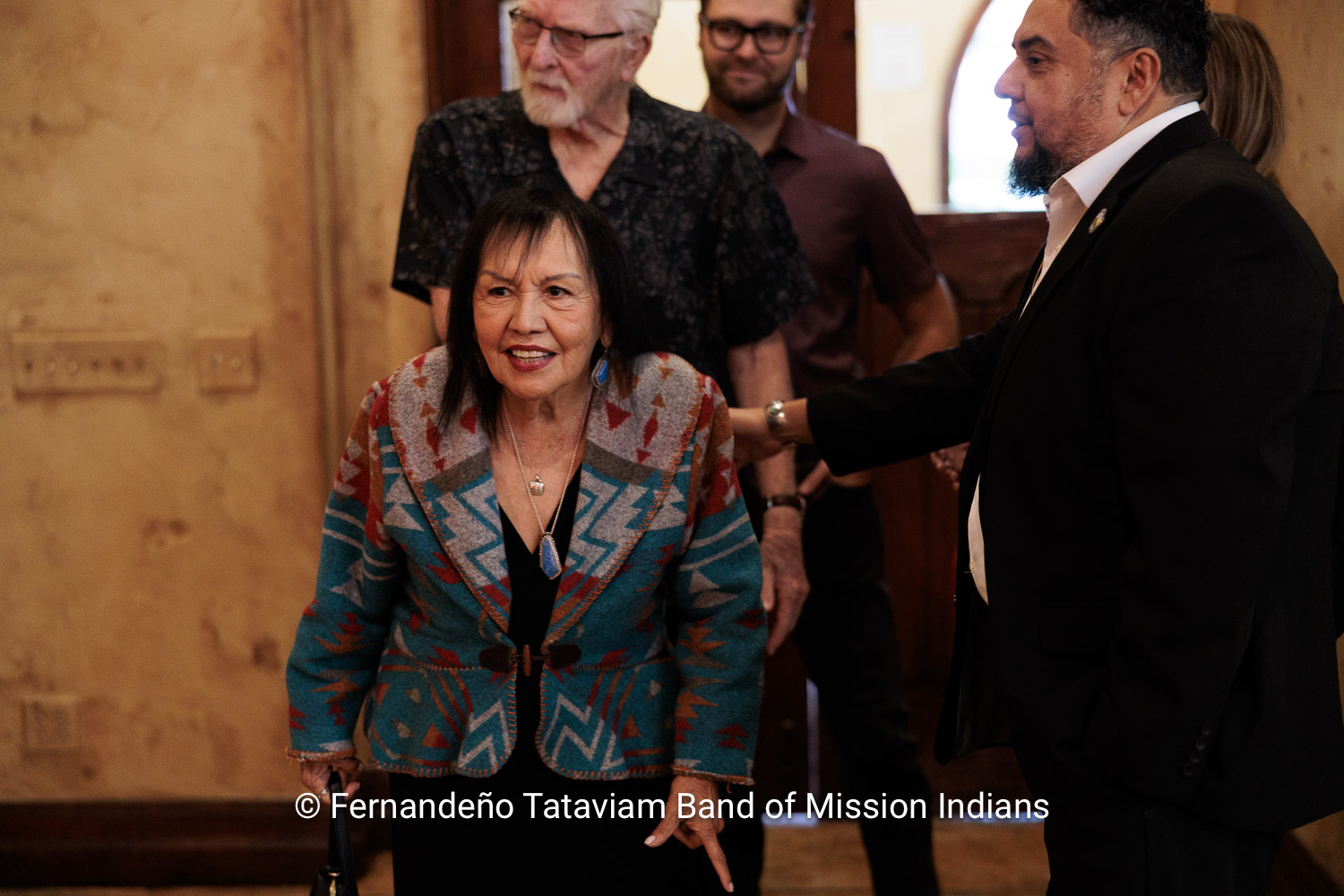
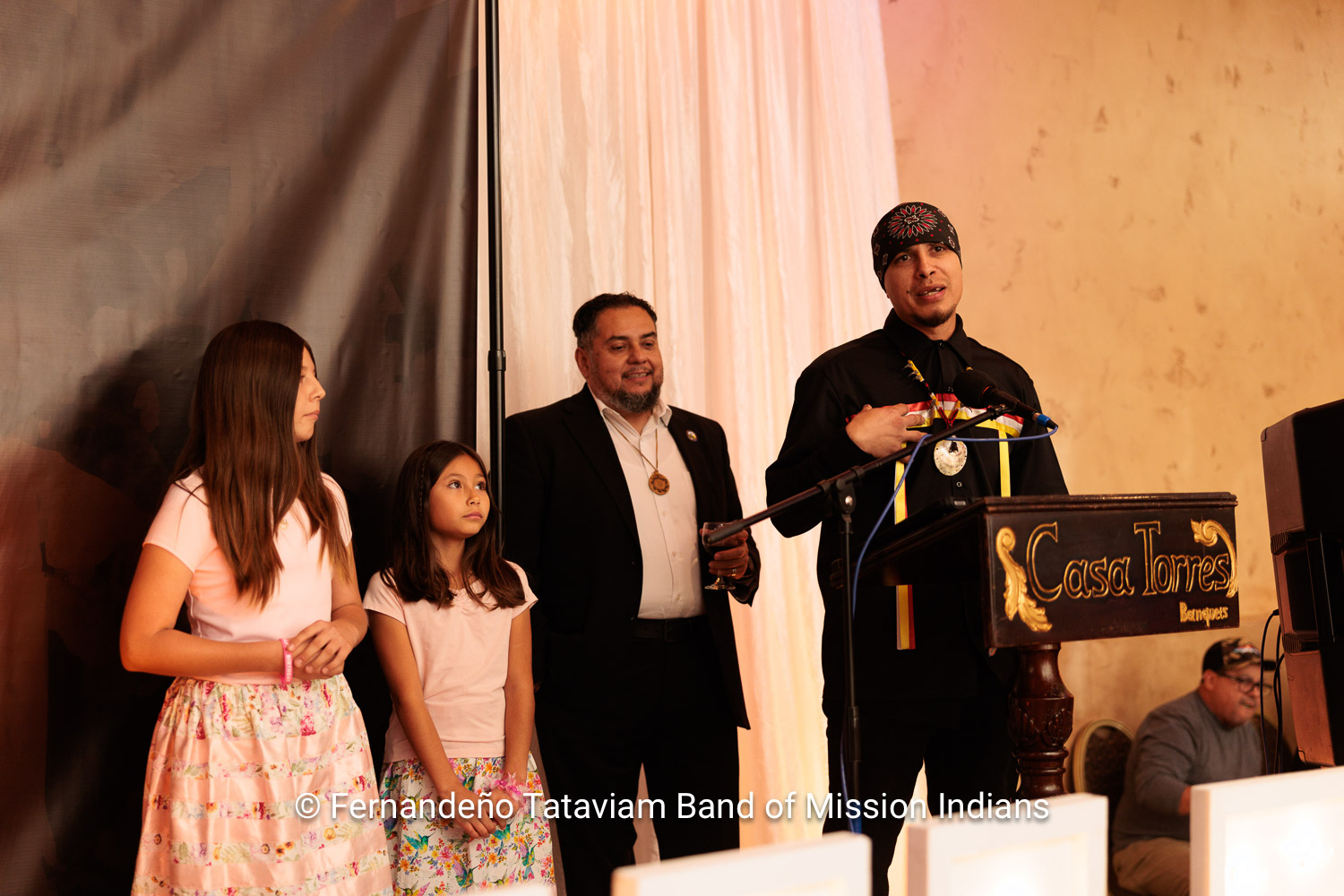
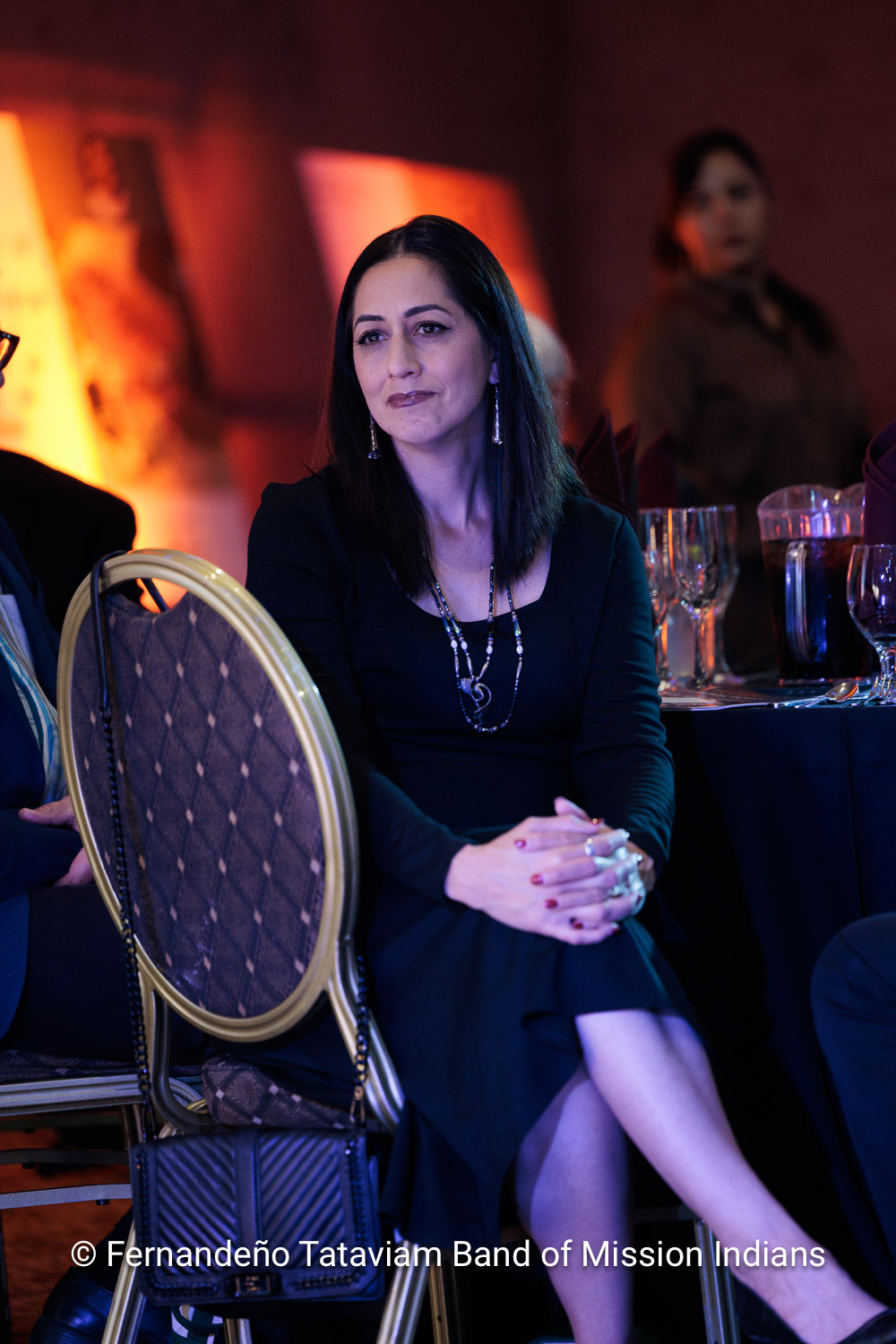
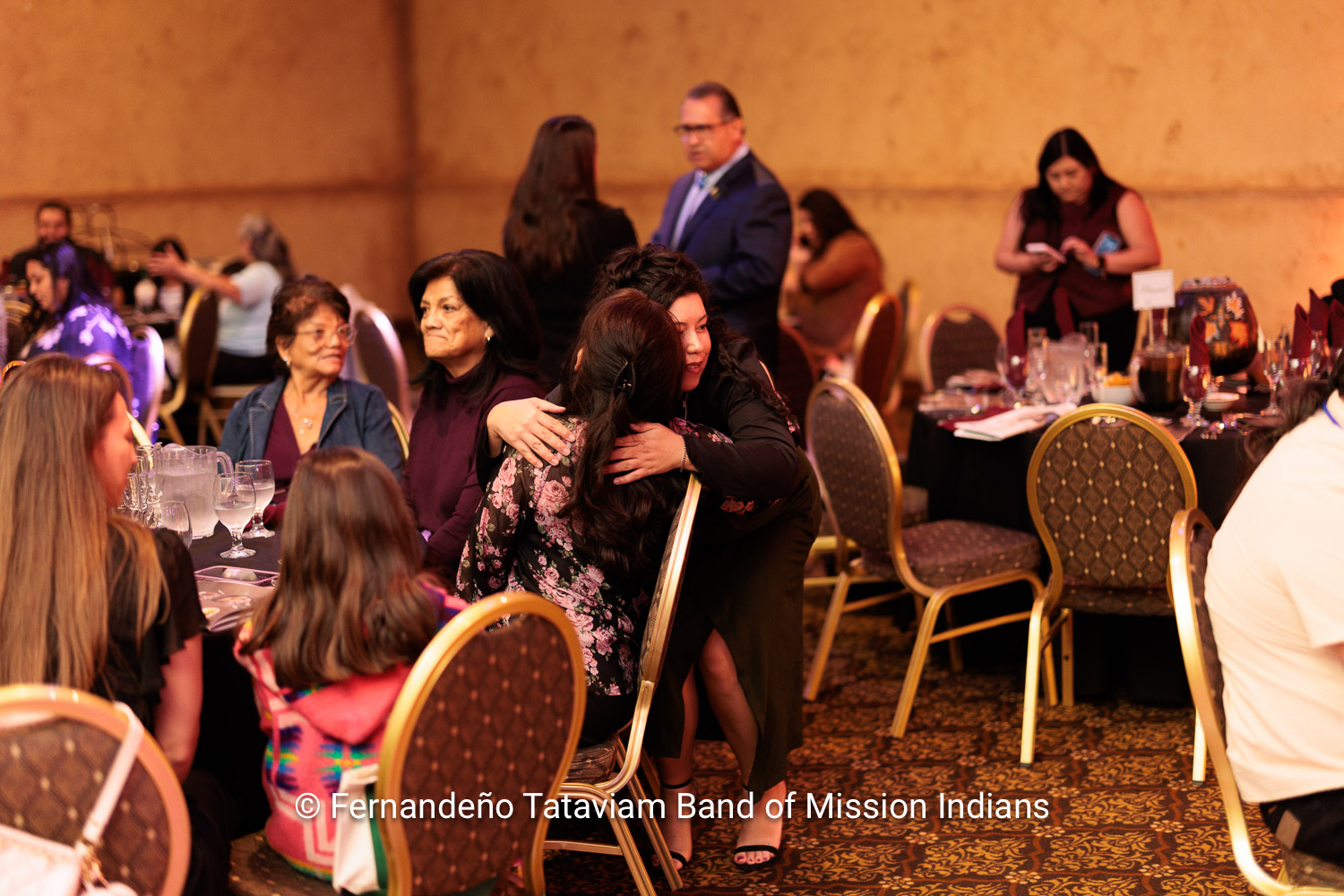
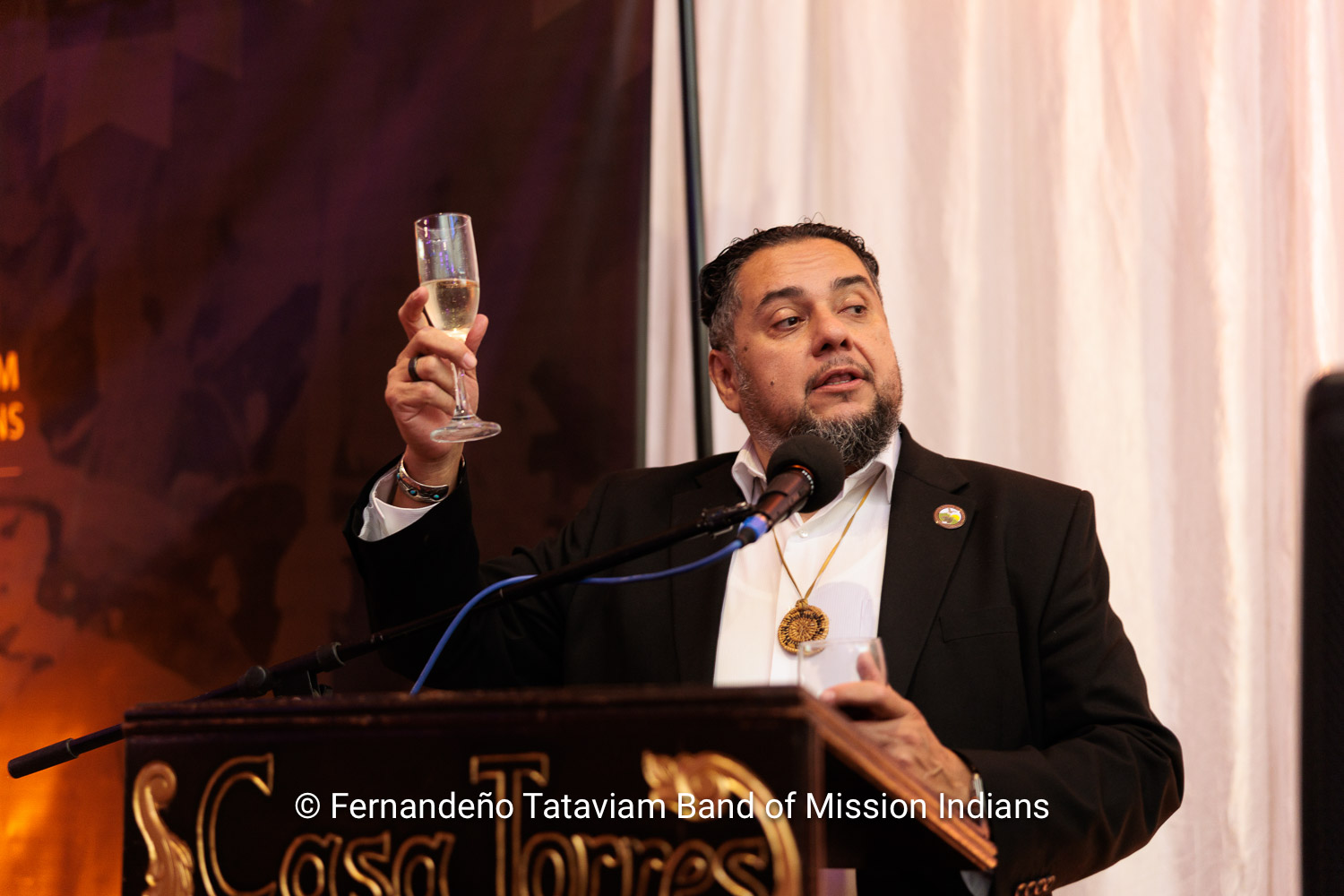
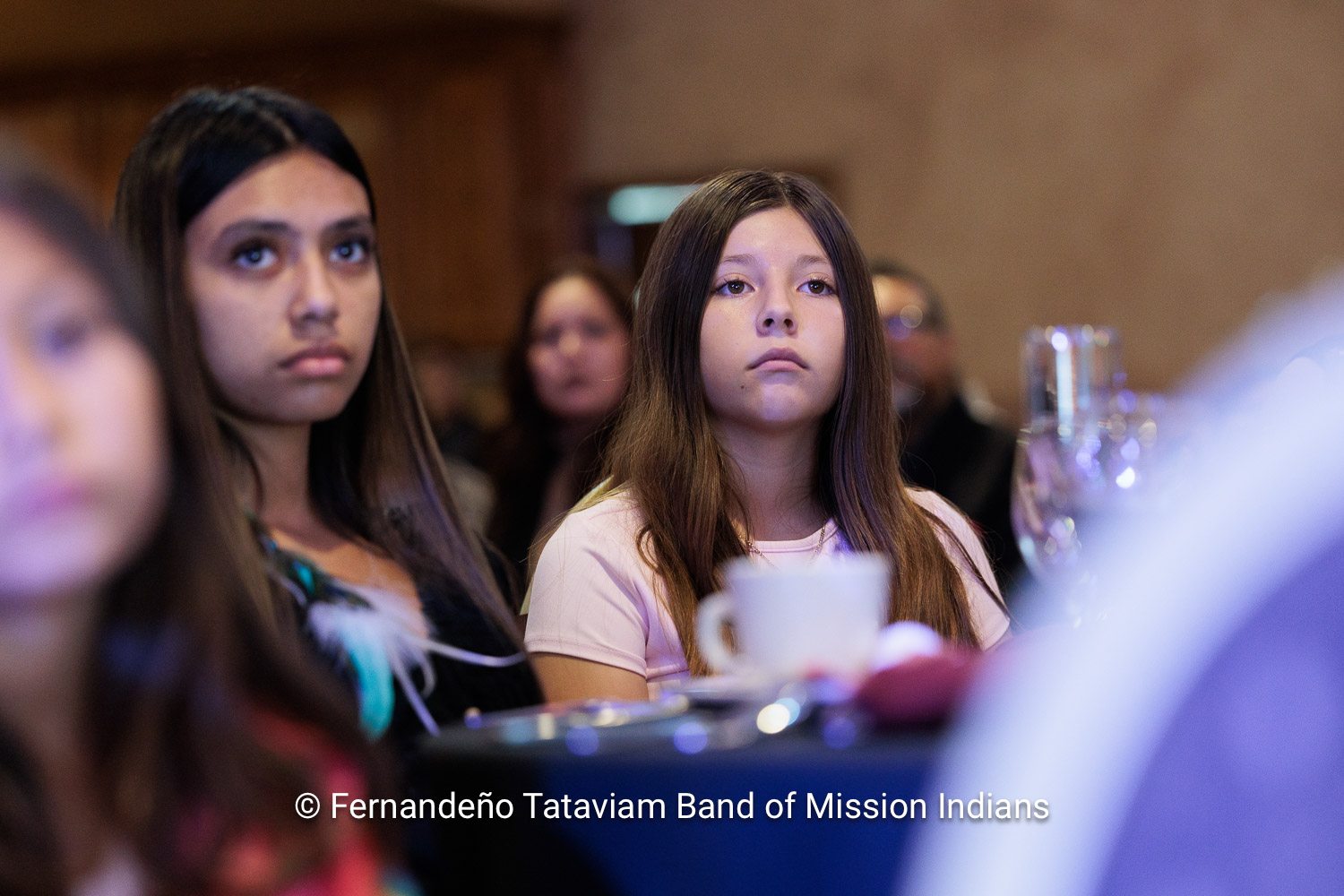
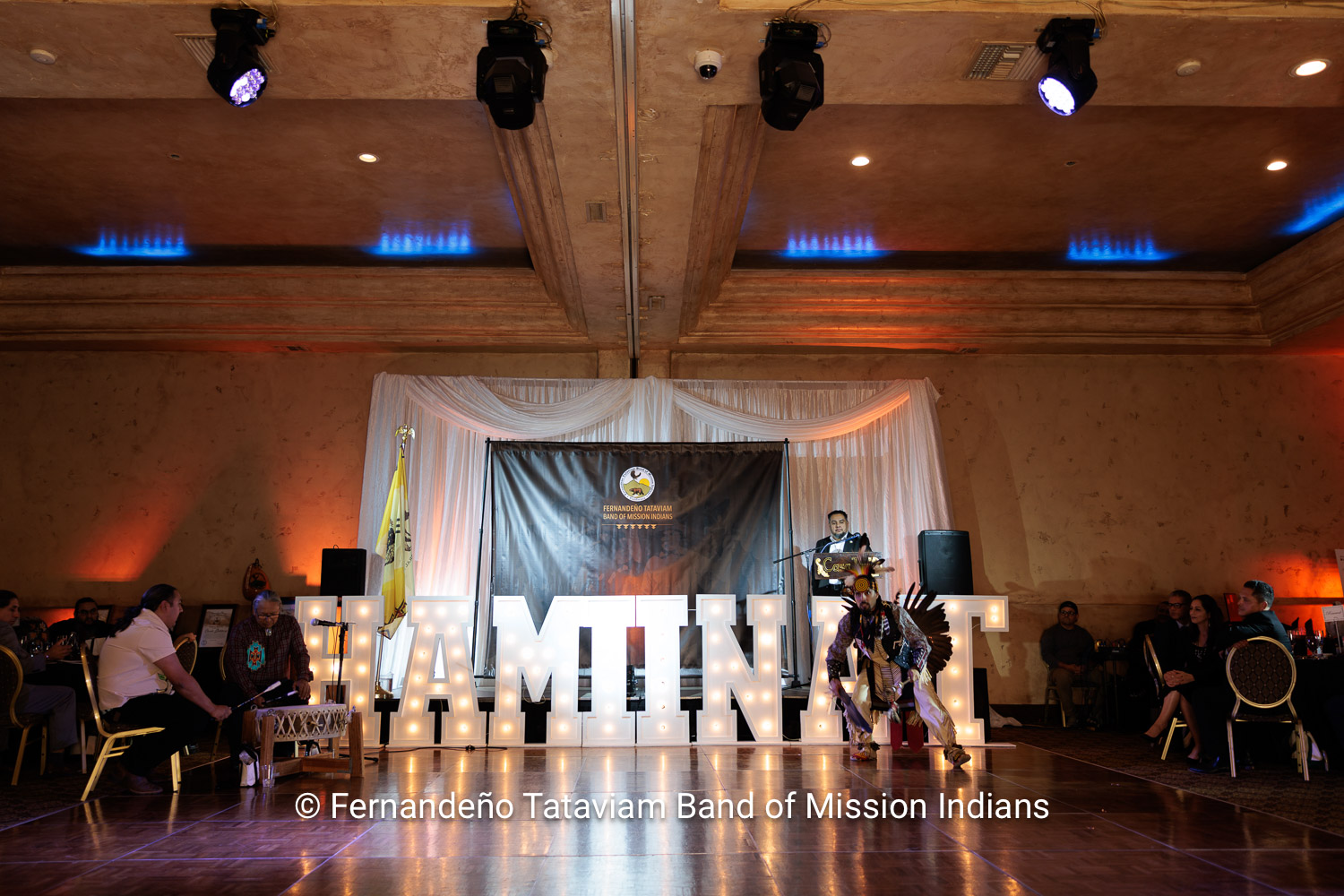
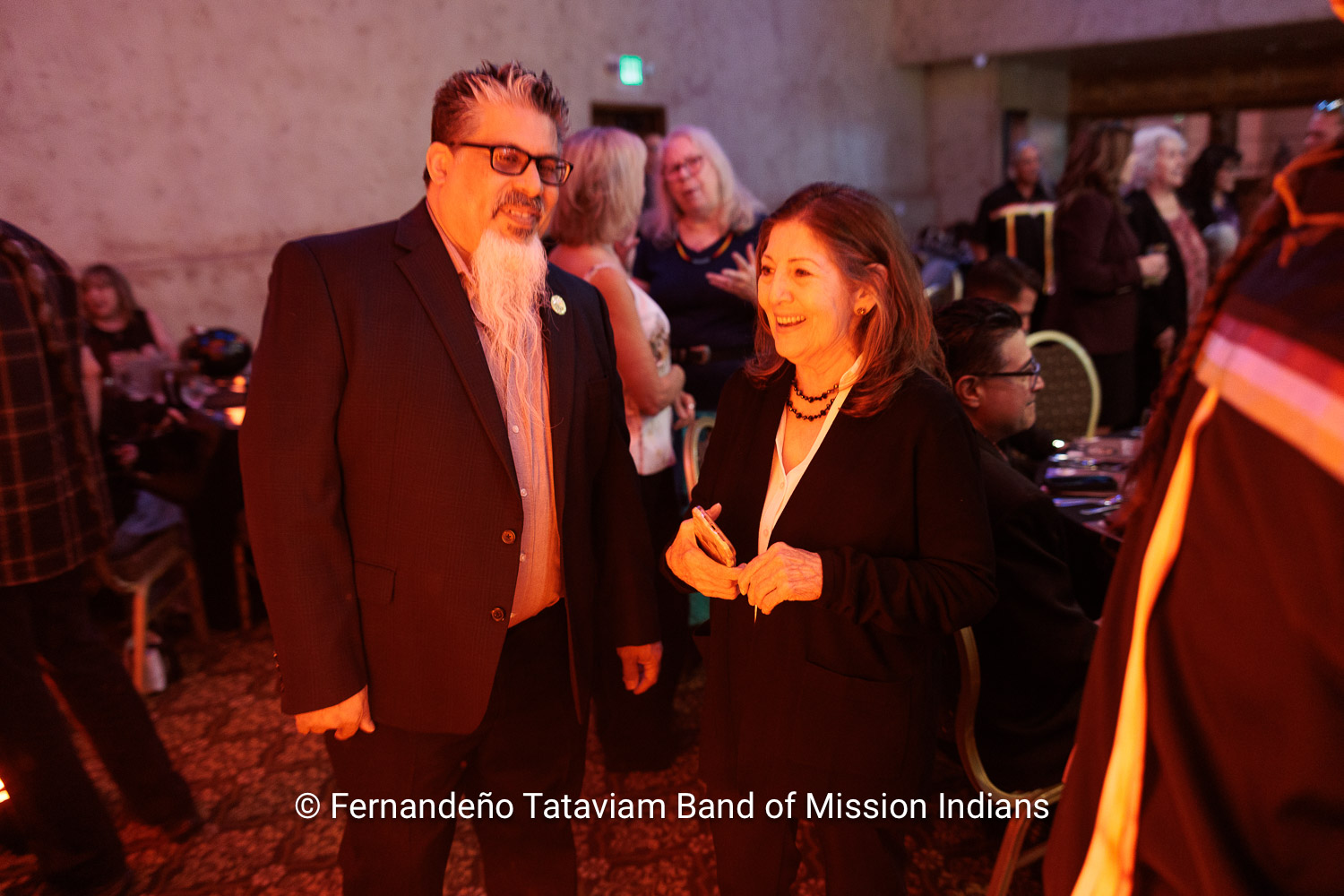
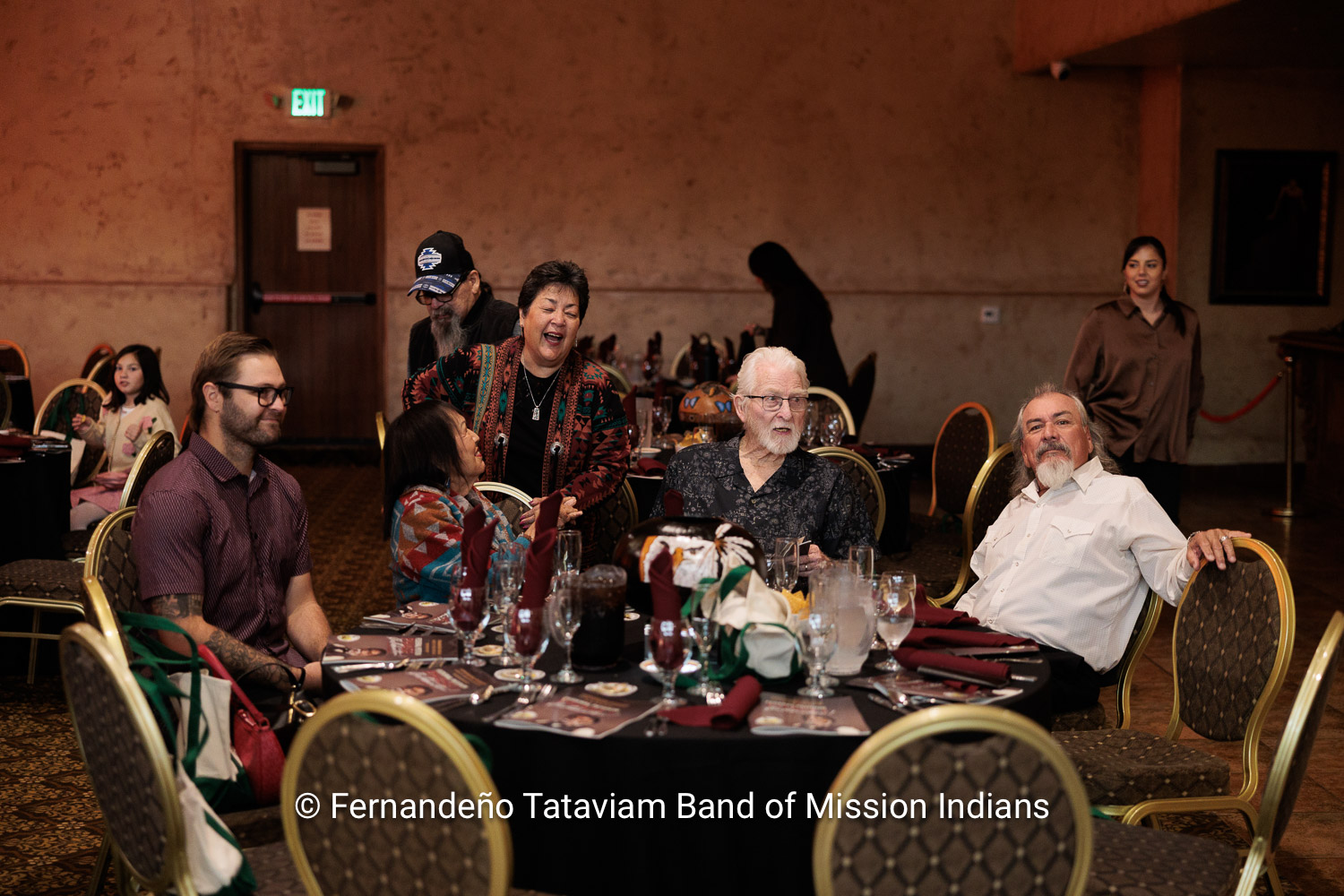
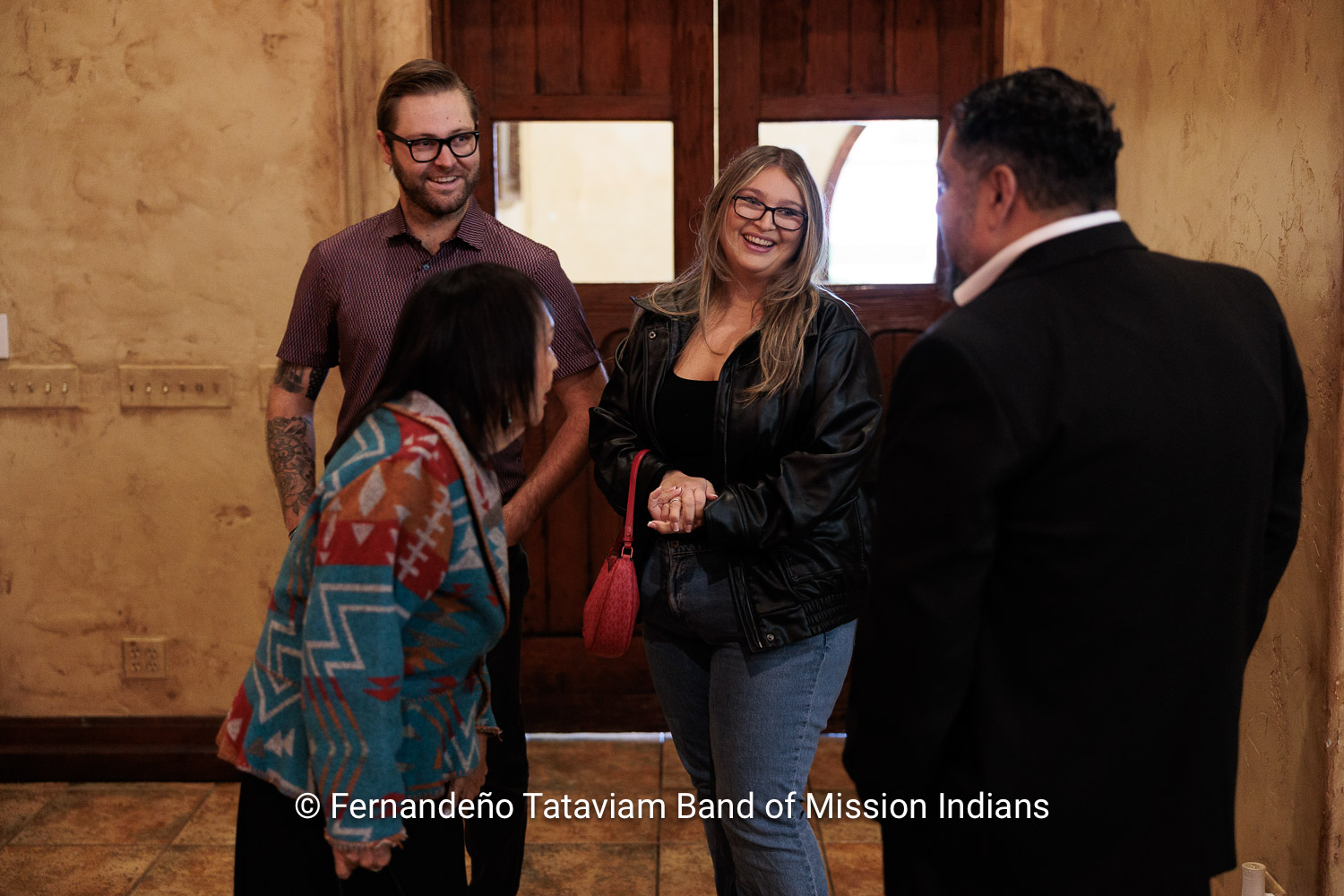
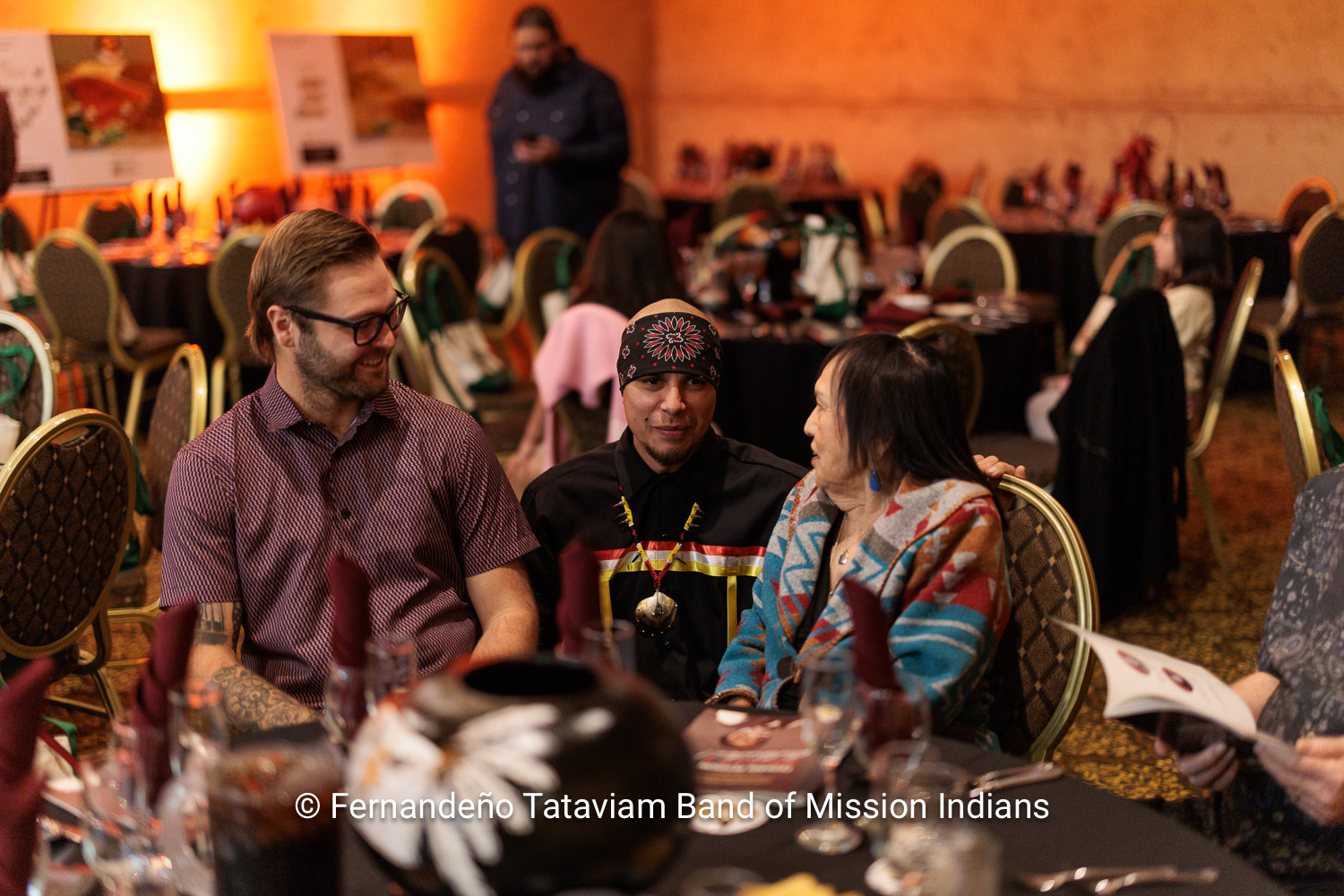
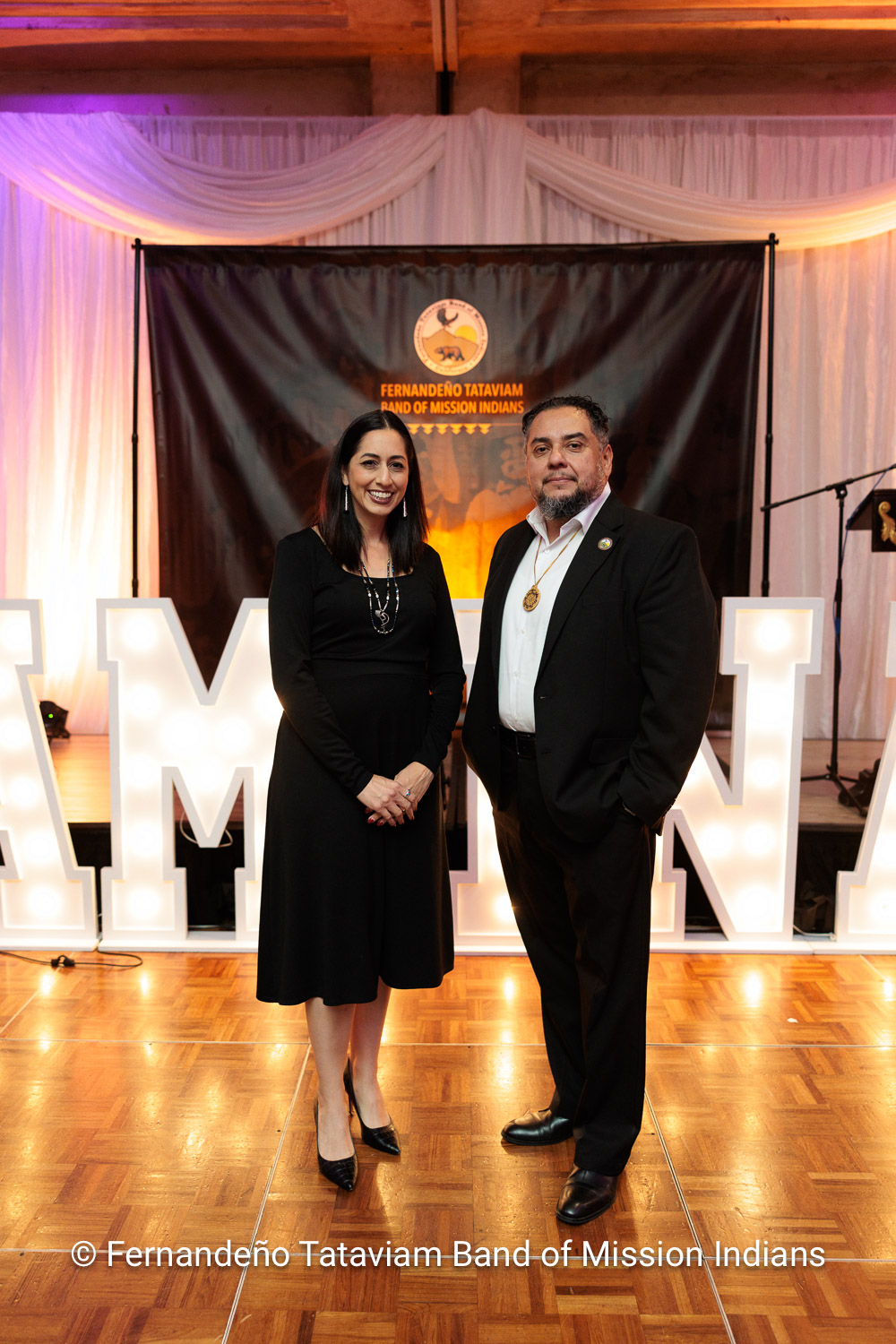
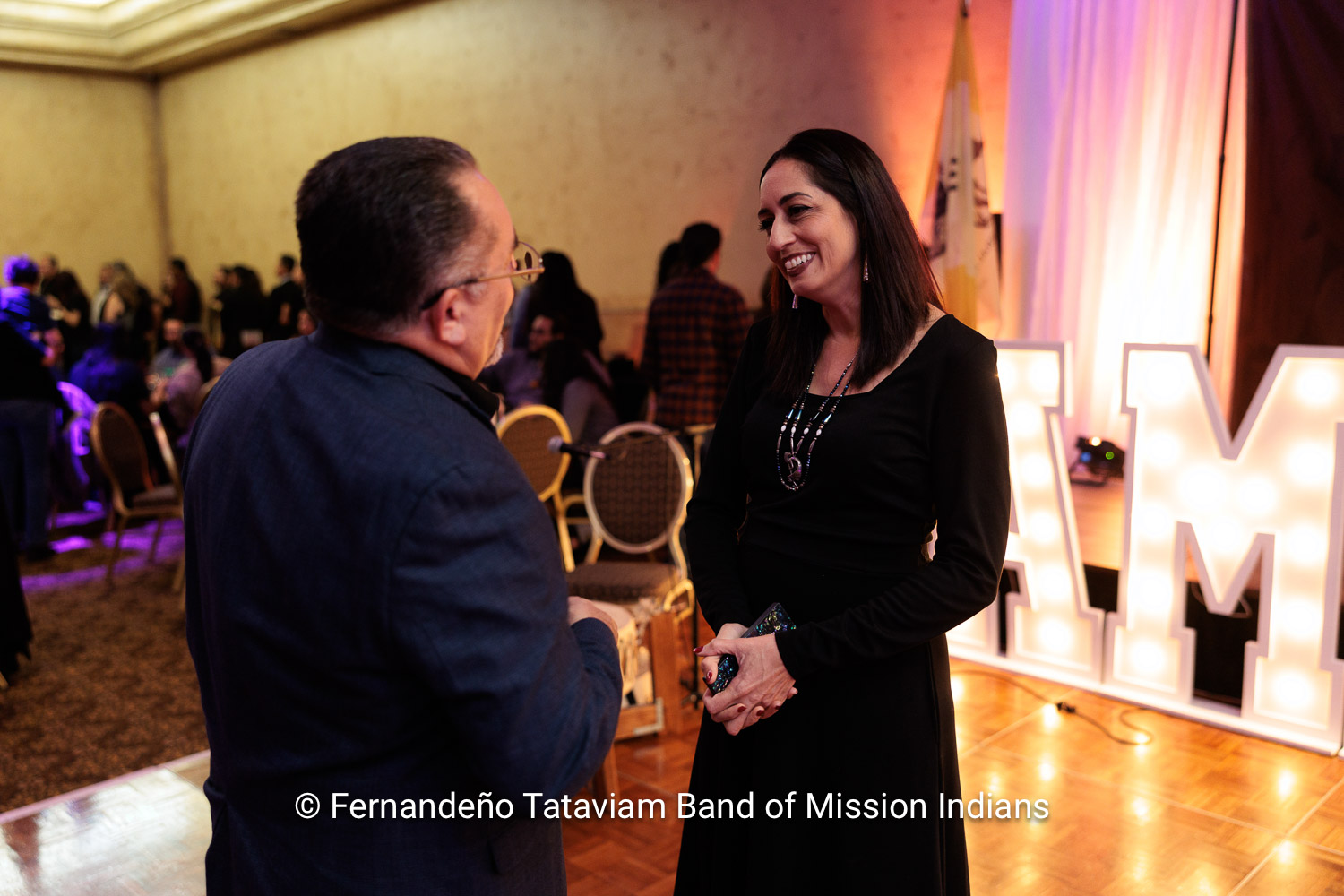
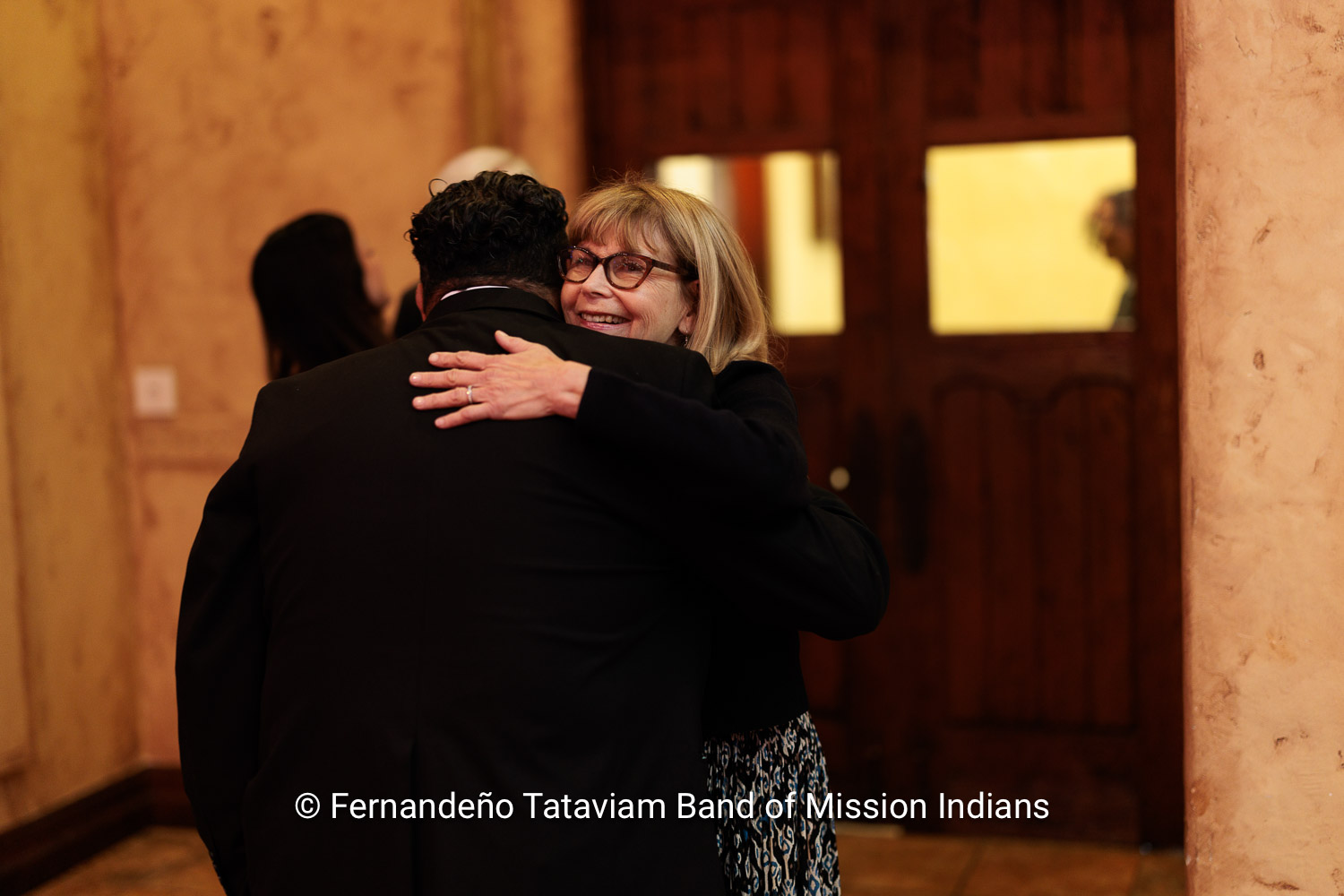
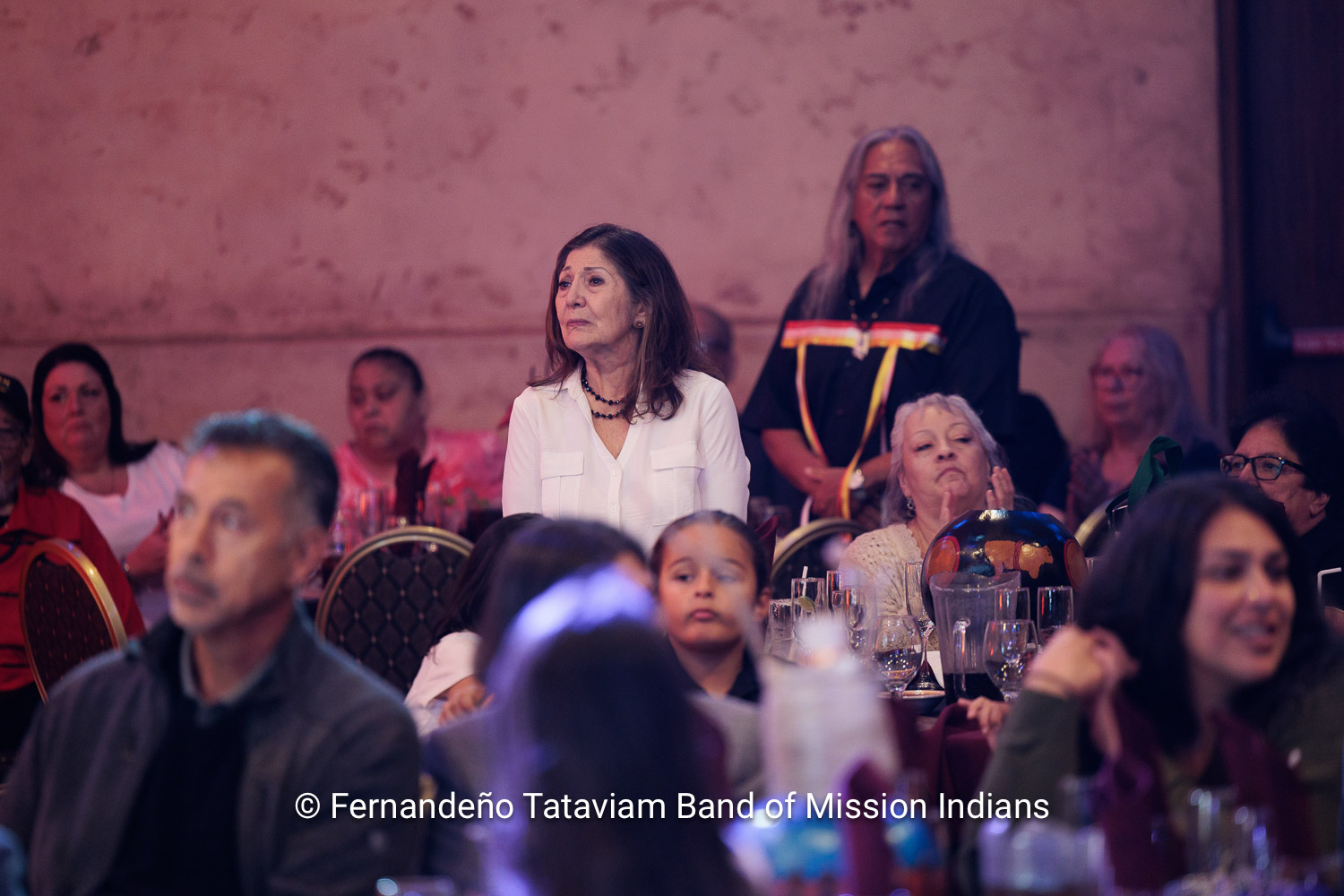
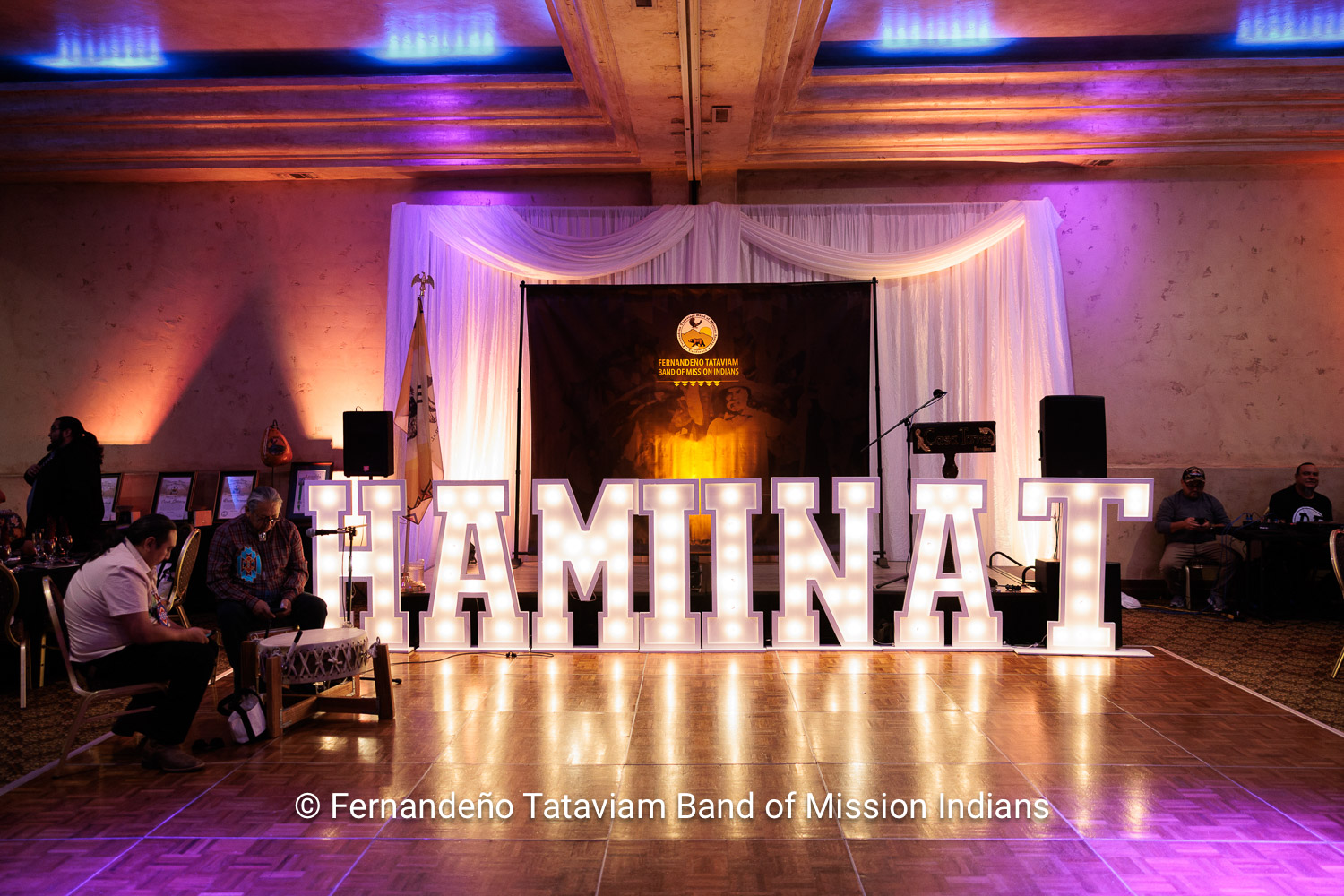
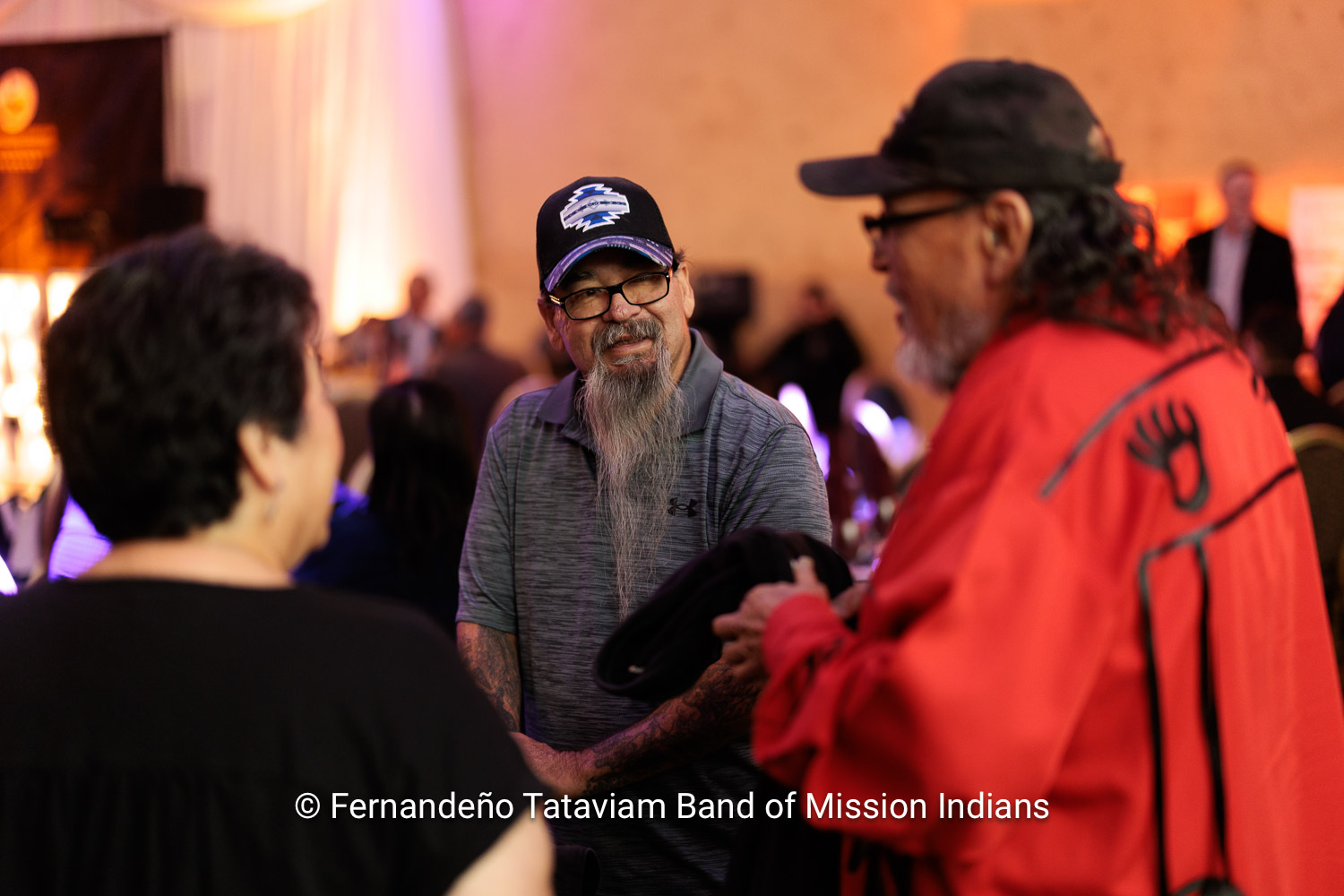
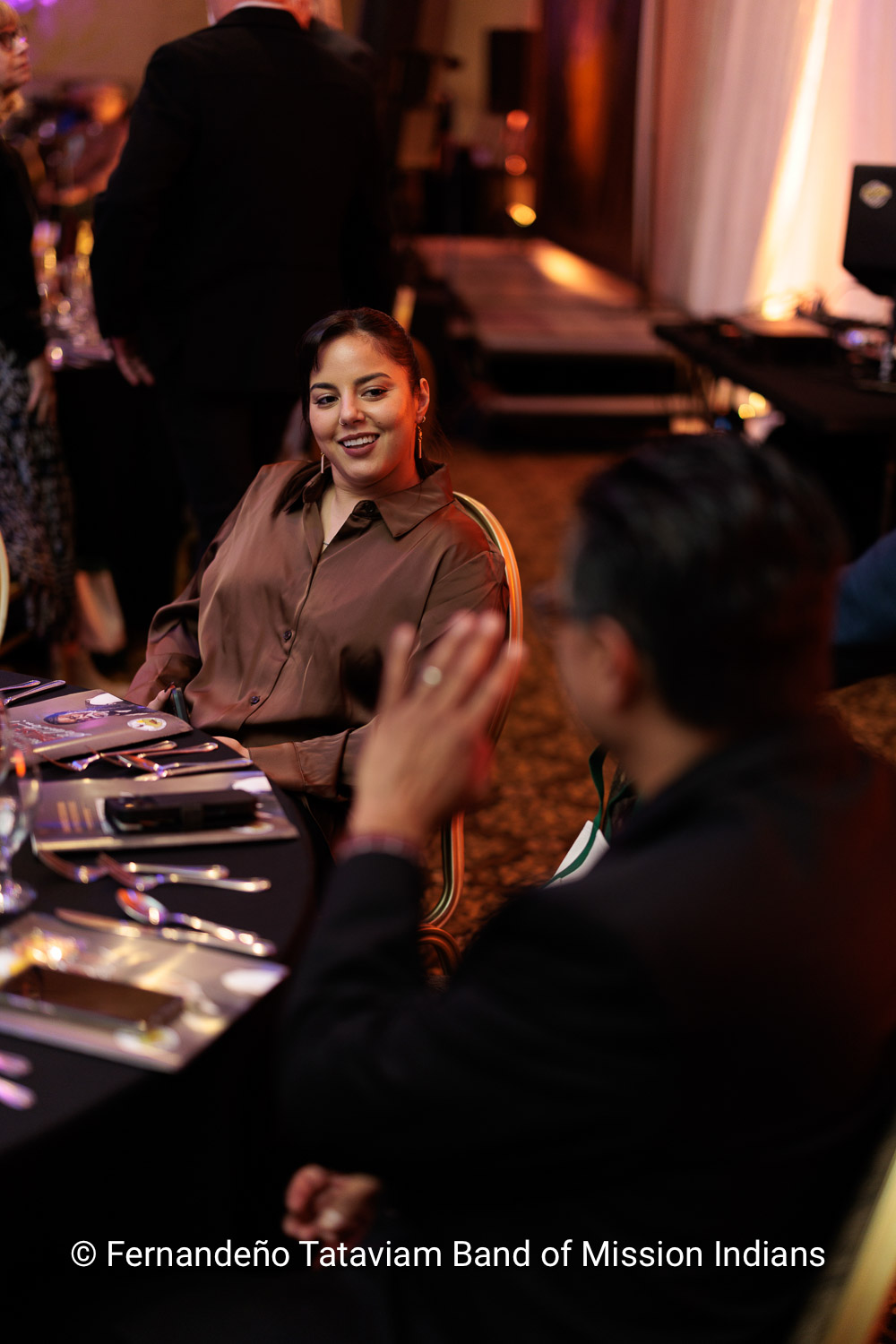
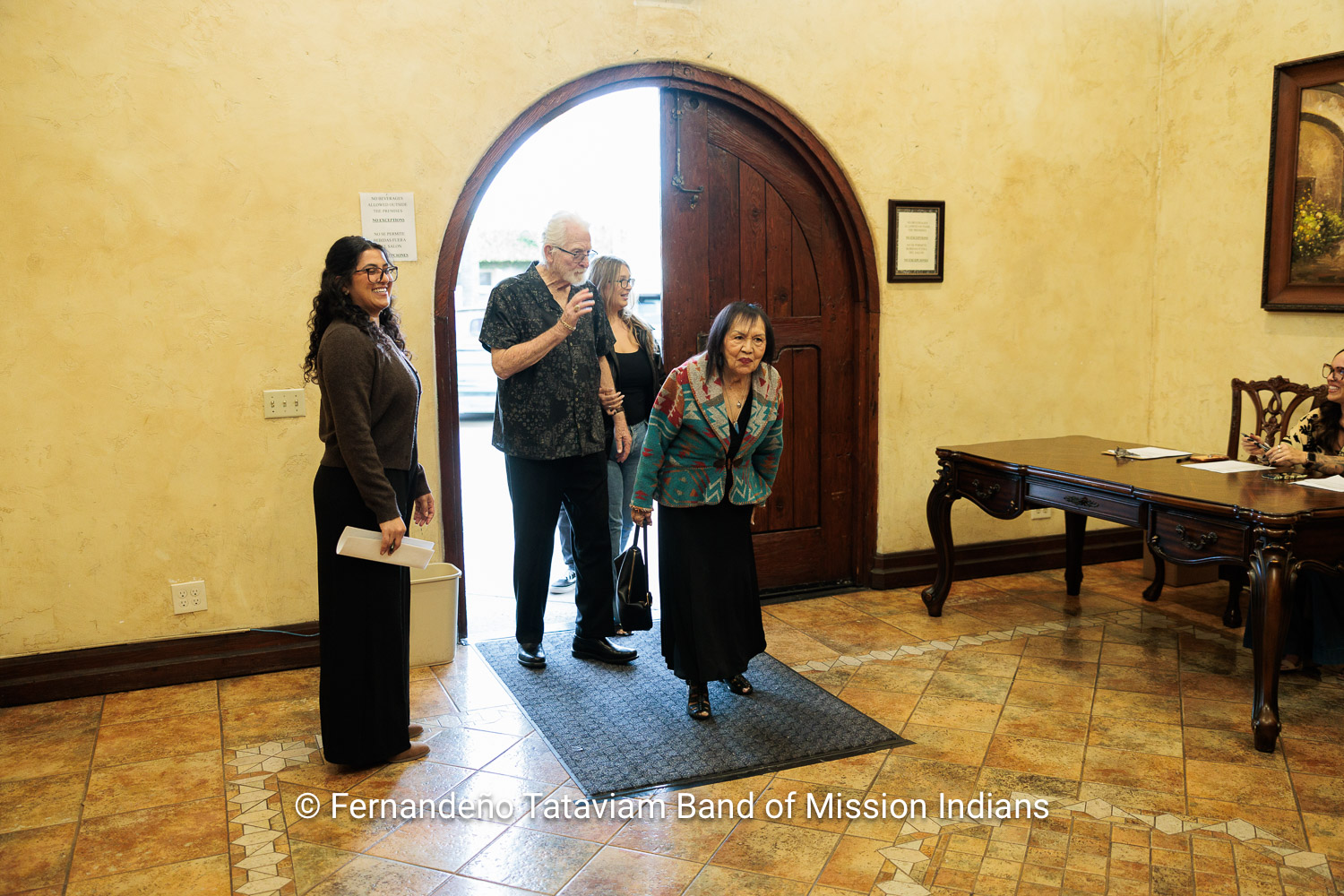
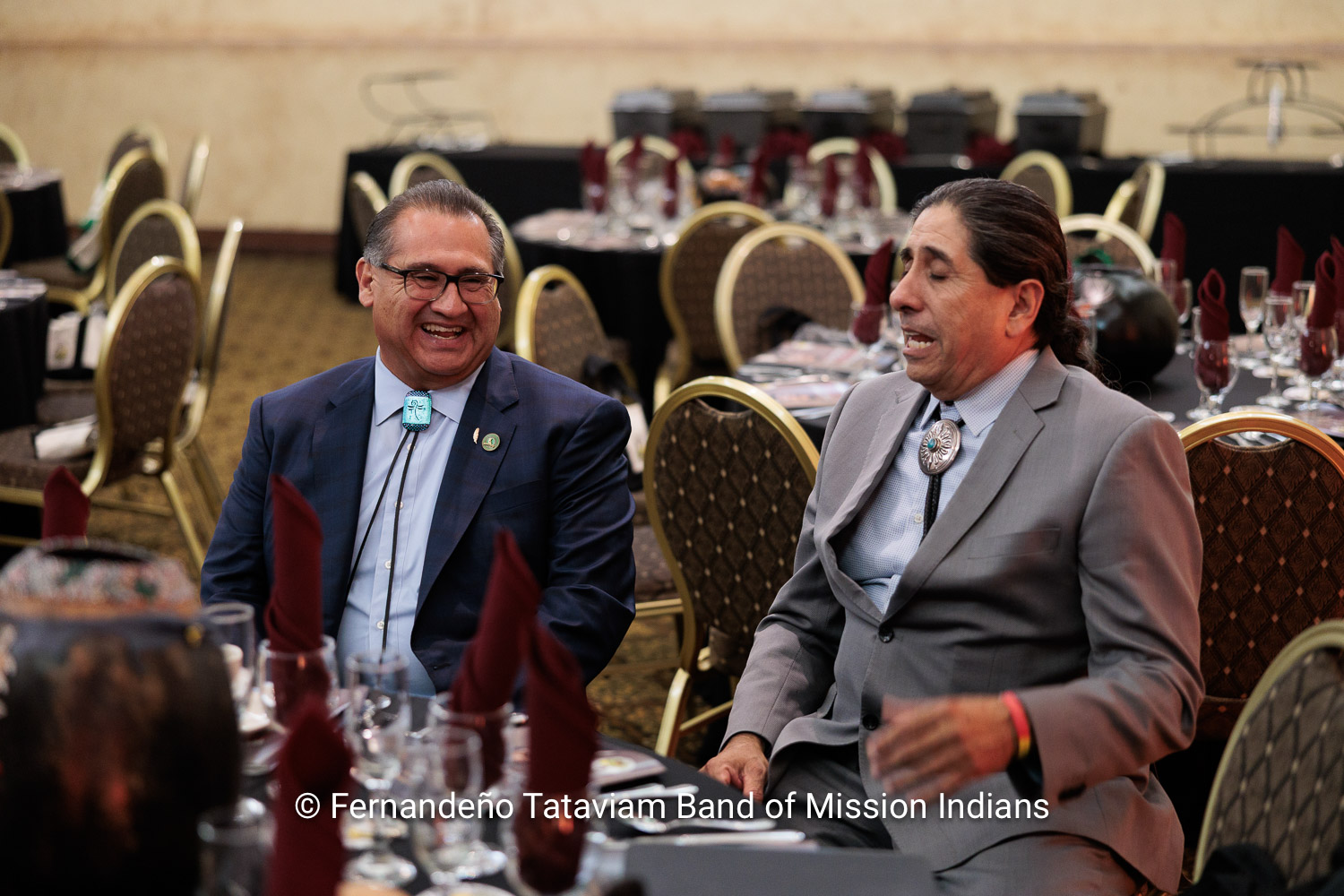
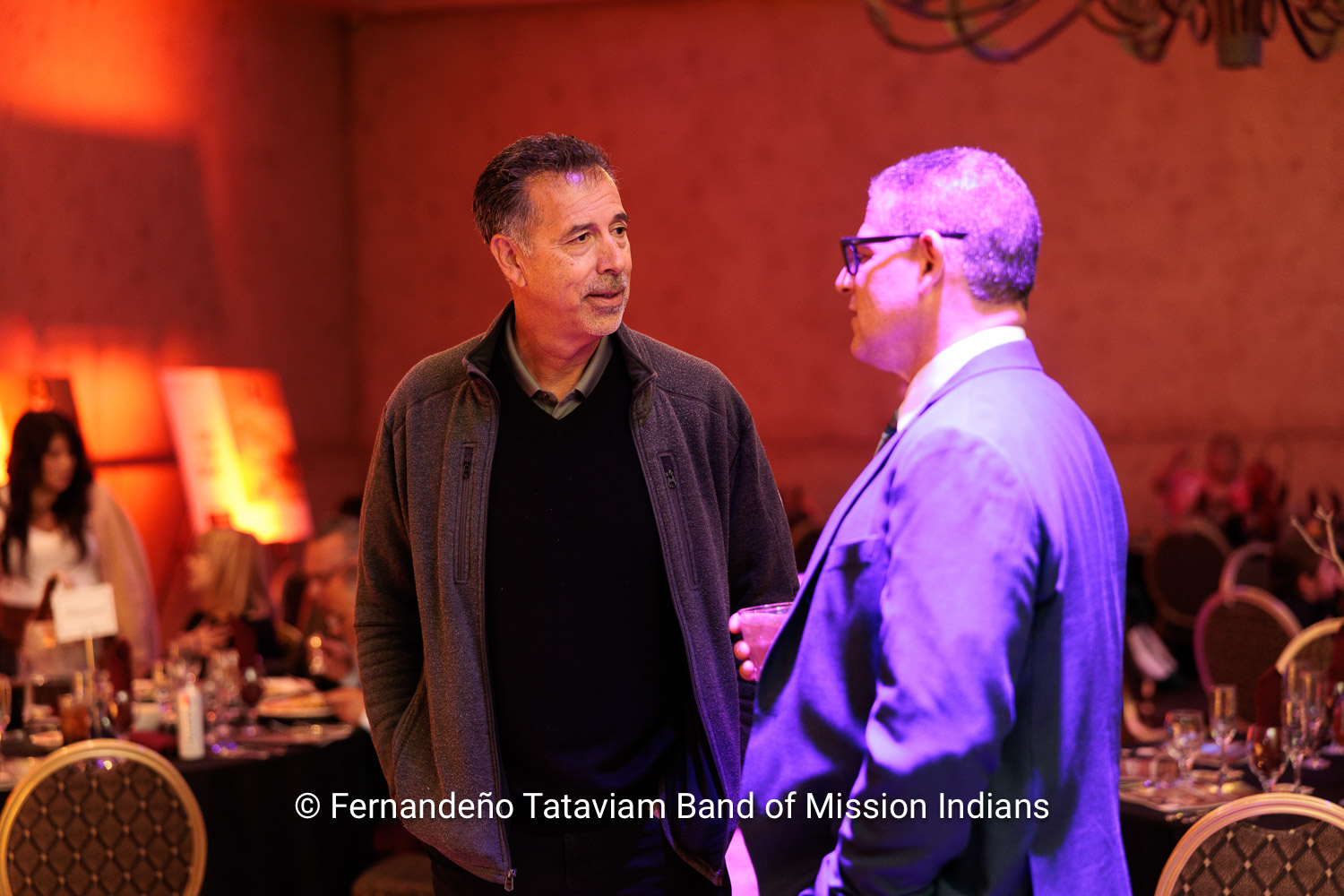
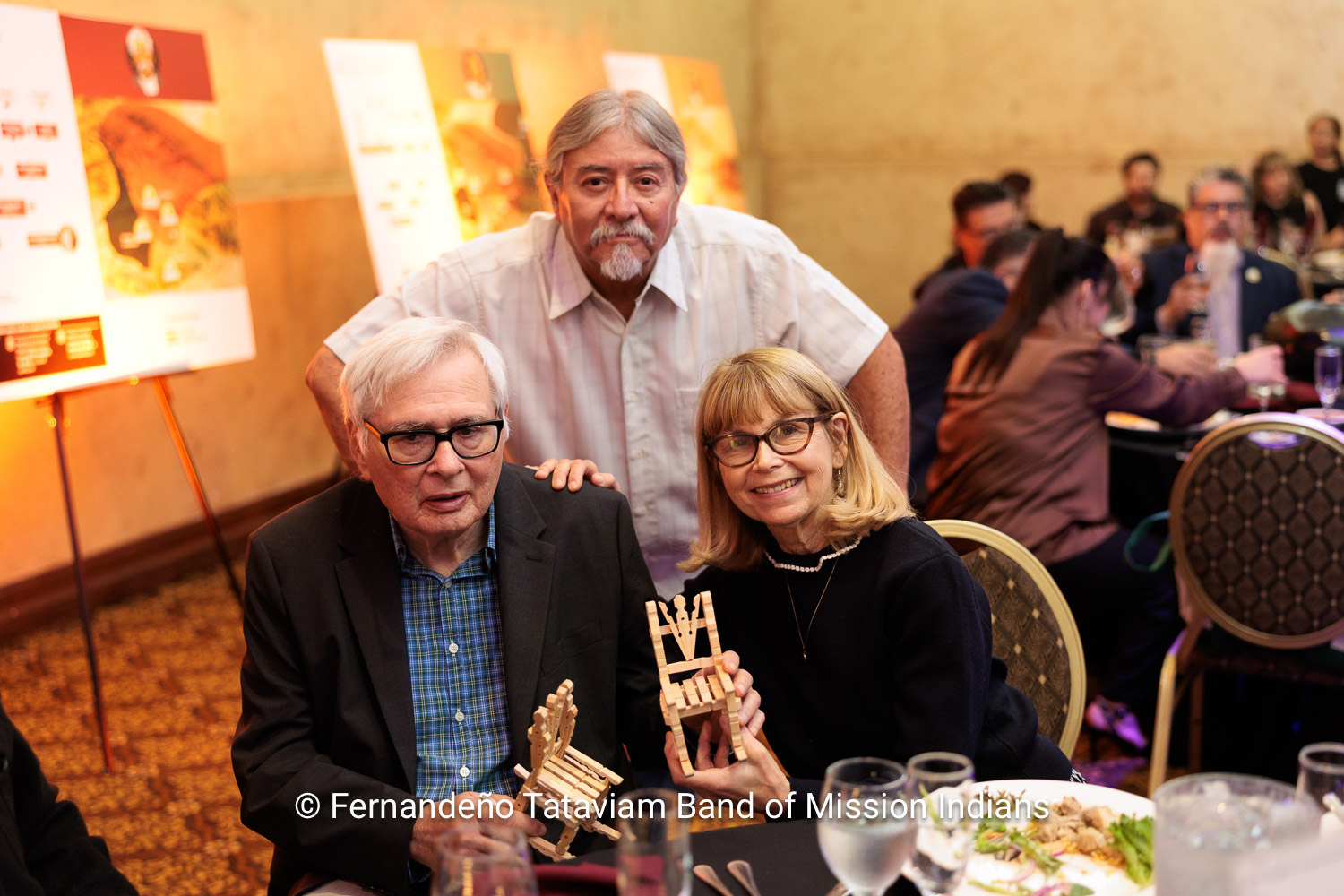
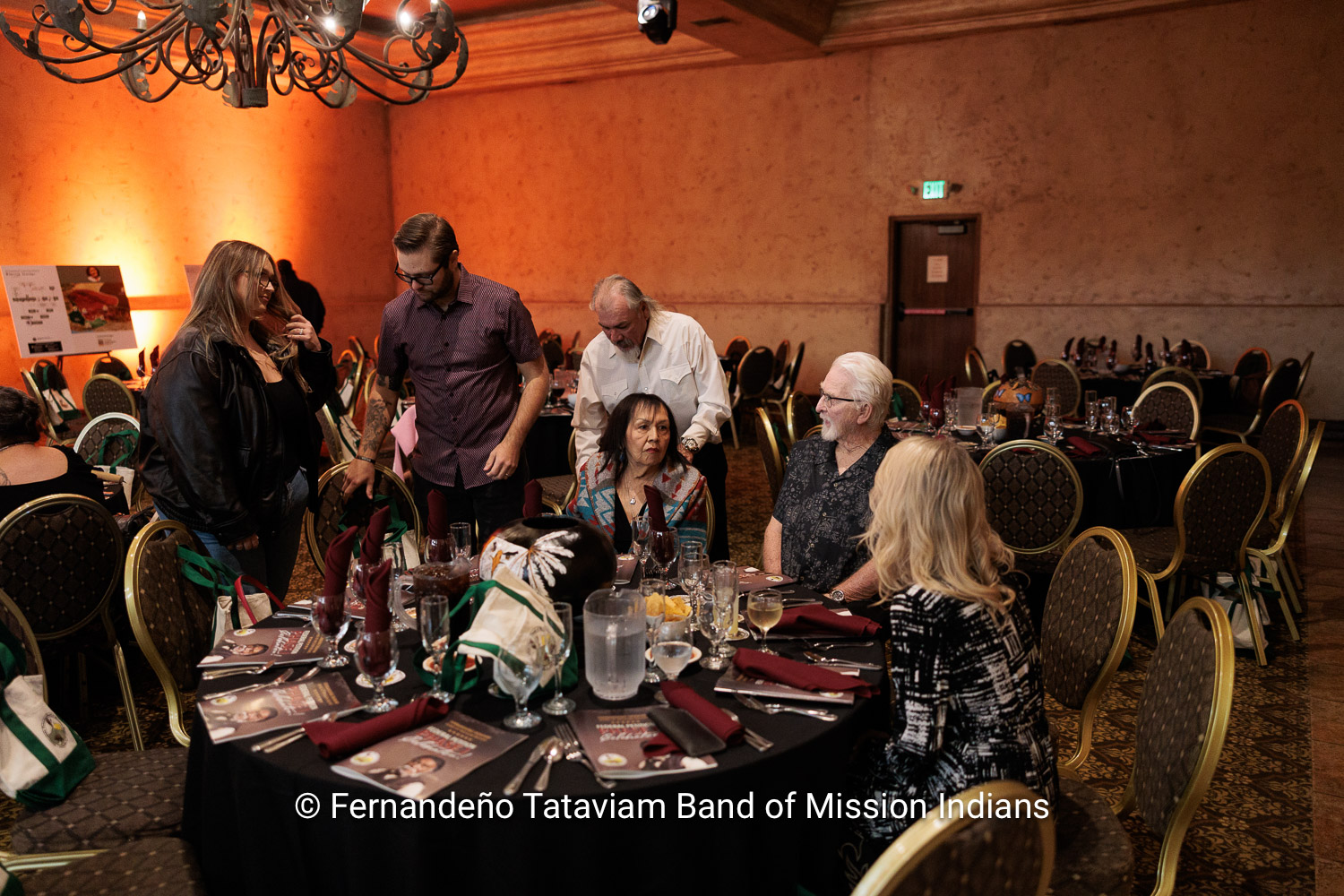
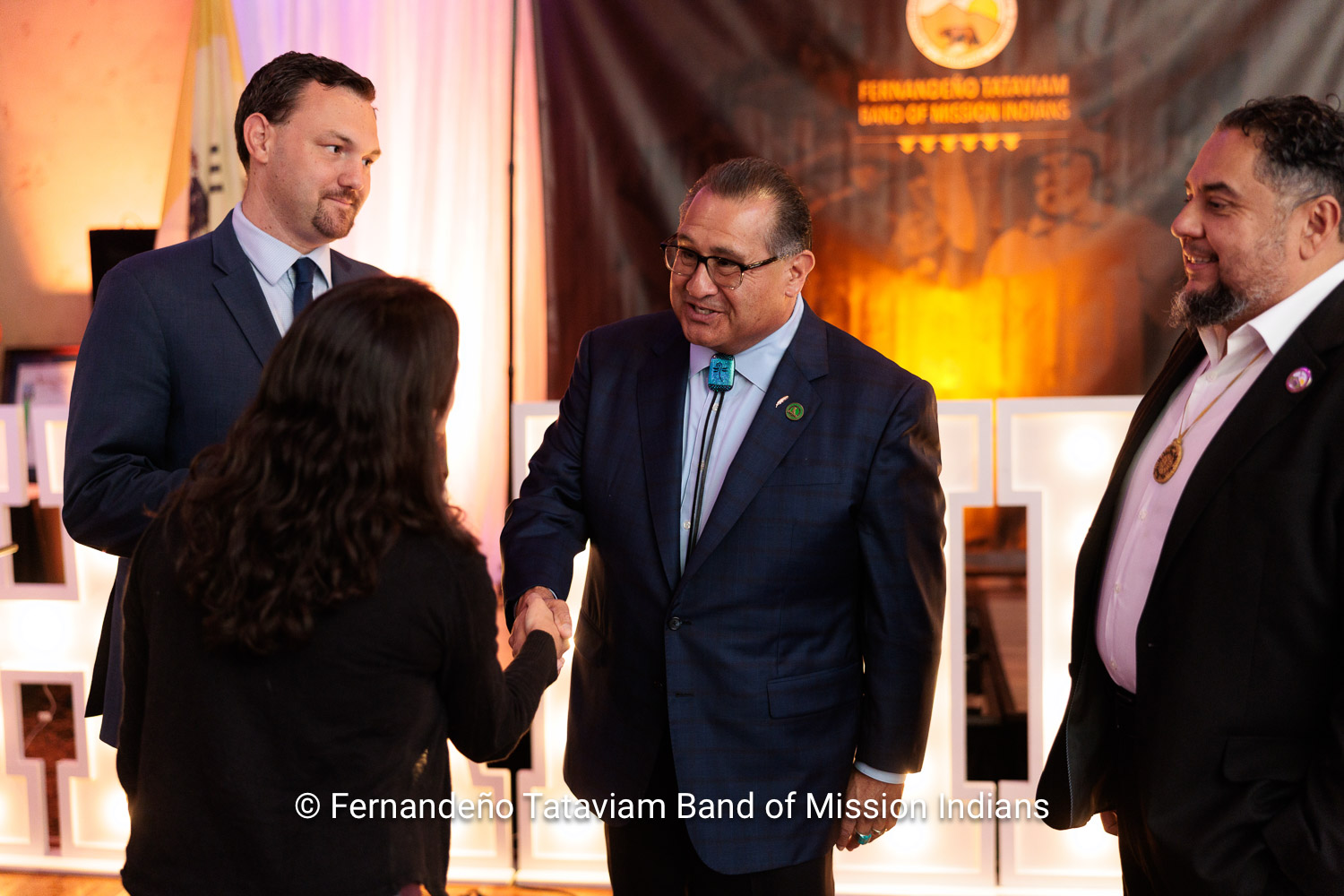
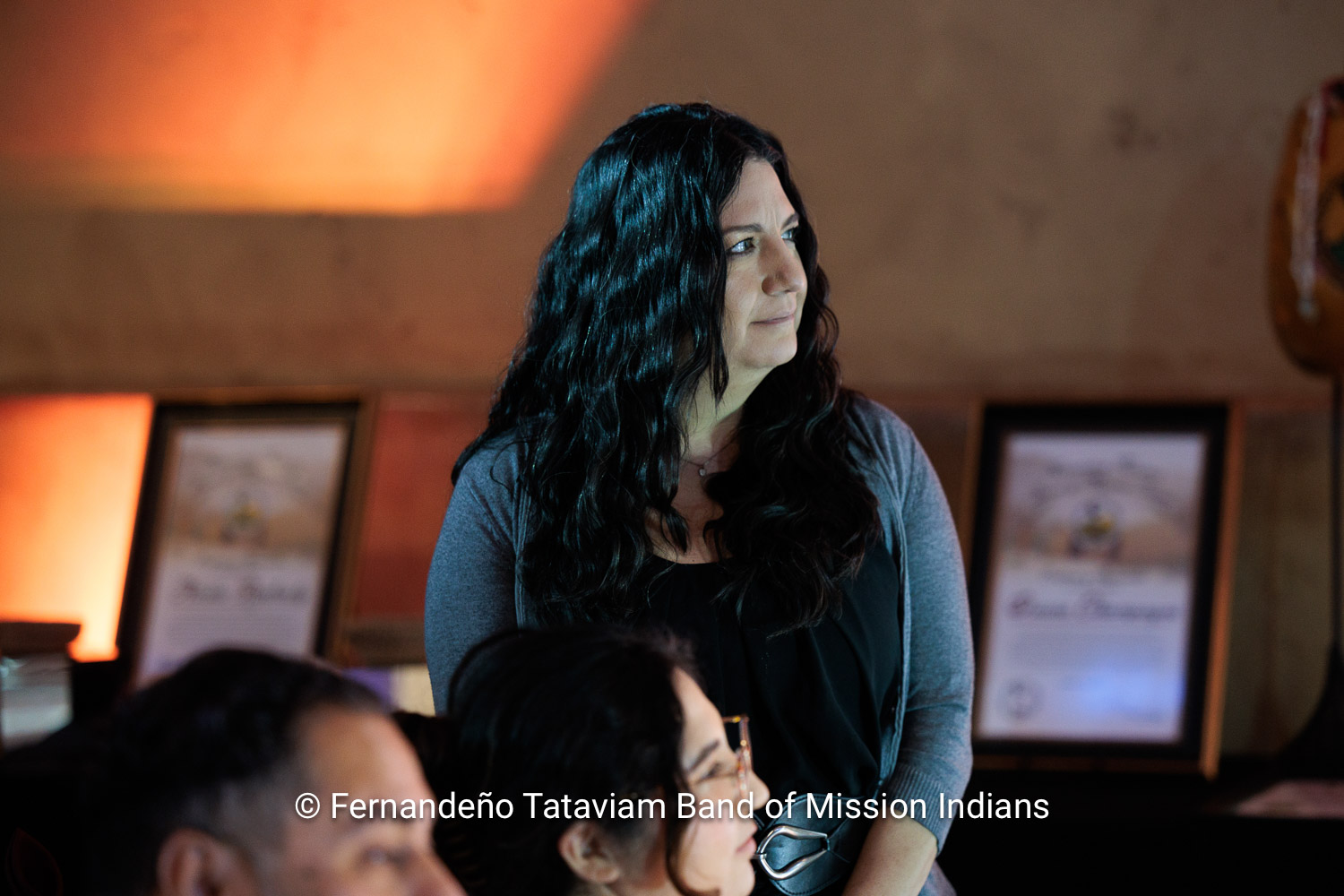
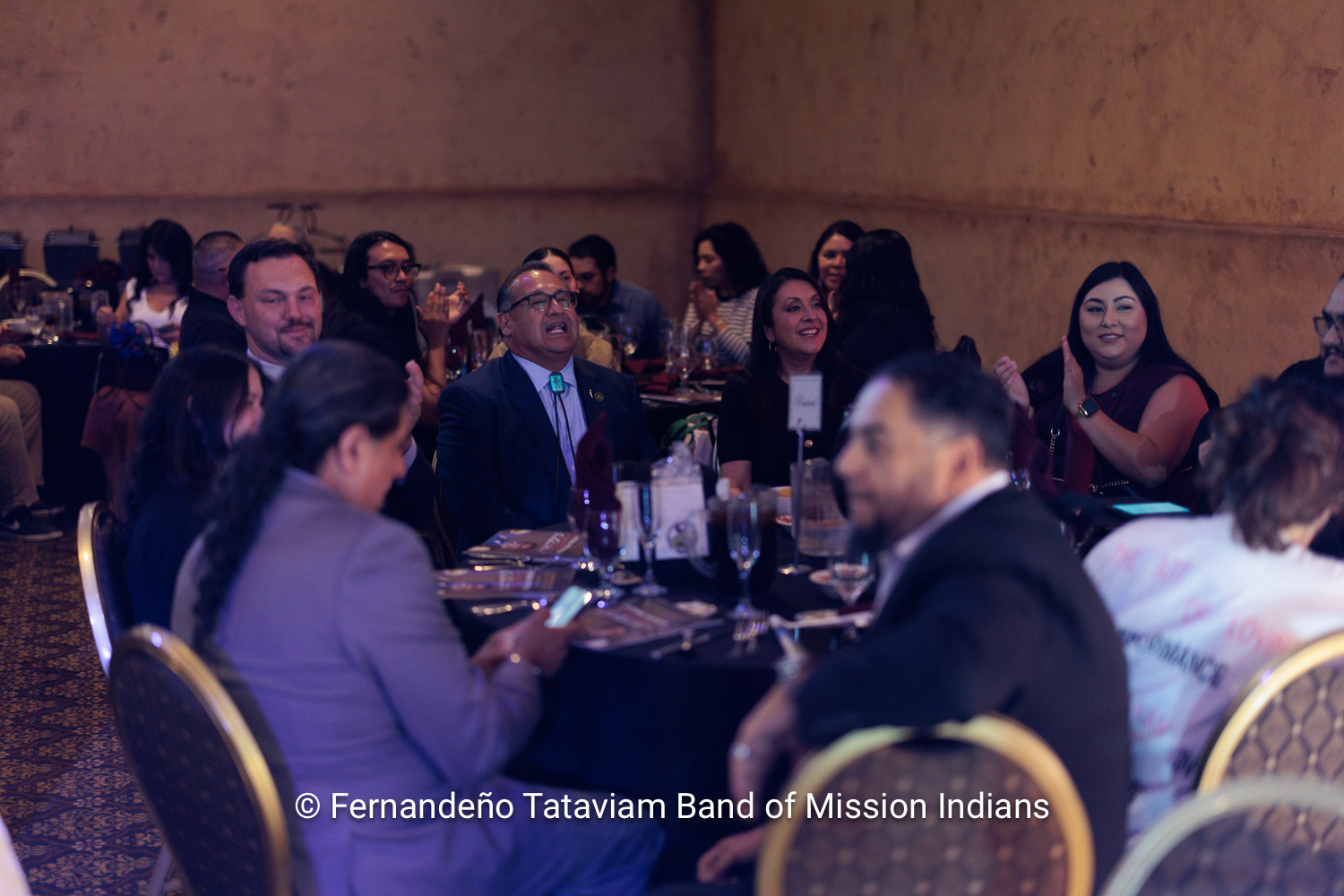
On October 23, 2026, the Fernandeño Tataviam Band of Mission Indians brought together Tribal Citizens, families, leadership, and invited guests at Casa Torres Banquets in San Fernando to celebrate a significant milestone in the Tribe’s pursuit of federal acknowledgment.
The evening honored the Tribe’s successful completion of Phase I of the Office of Federal Acknowledgment review, the generations who made this progress possible, and the collective work ahead as the petition advances into Phase II.
At the heart of the celebration was a message carried throughout the program: federal acknowledgment matters, but the Tribe’s identity and sovereignty come from its people, ancestors, and enduring relationship with its homelands.
An Evening Grounded in Community
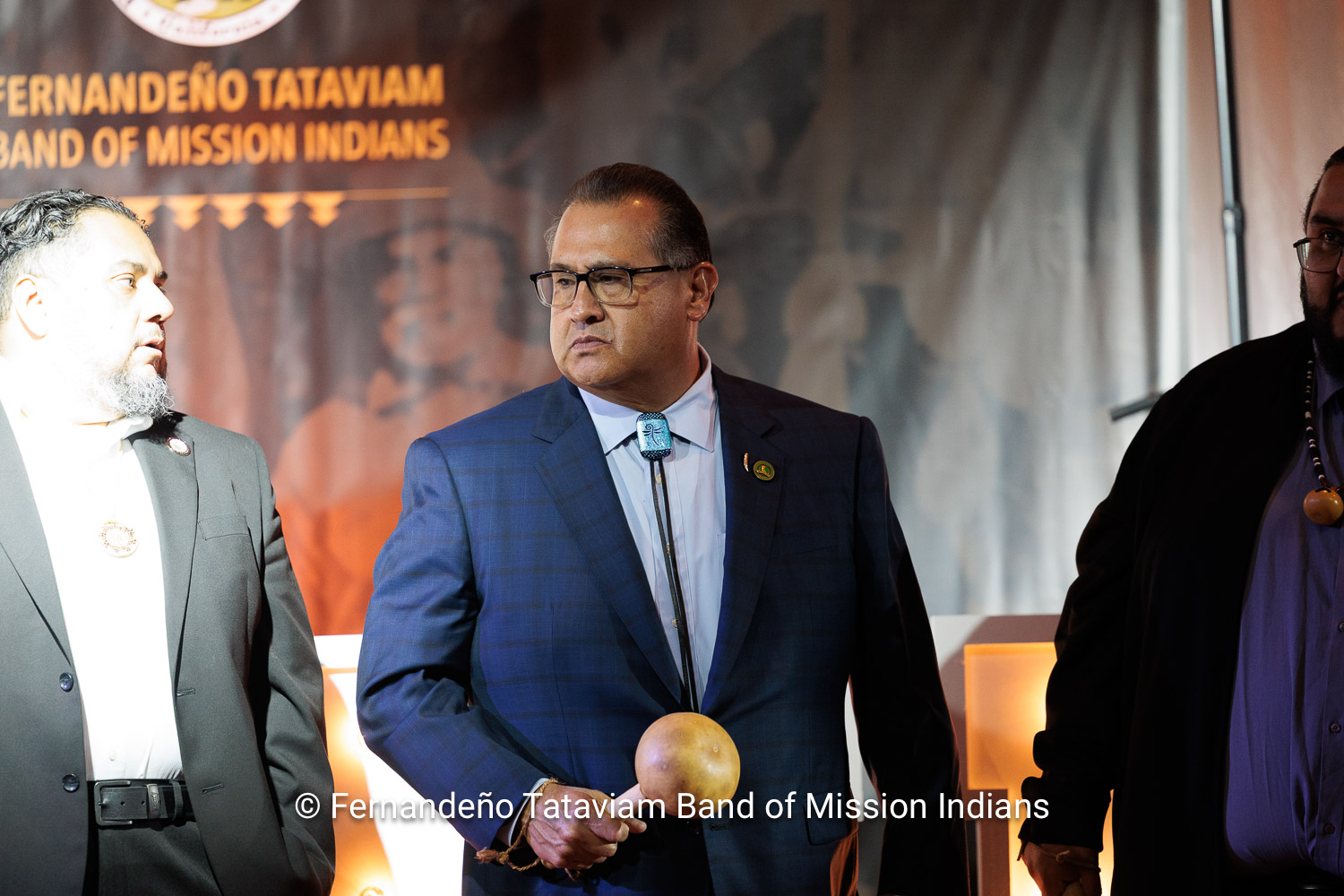
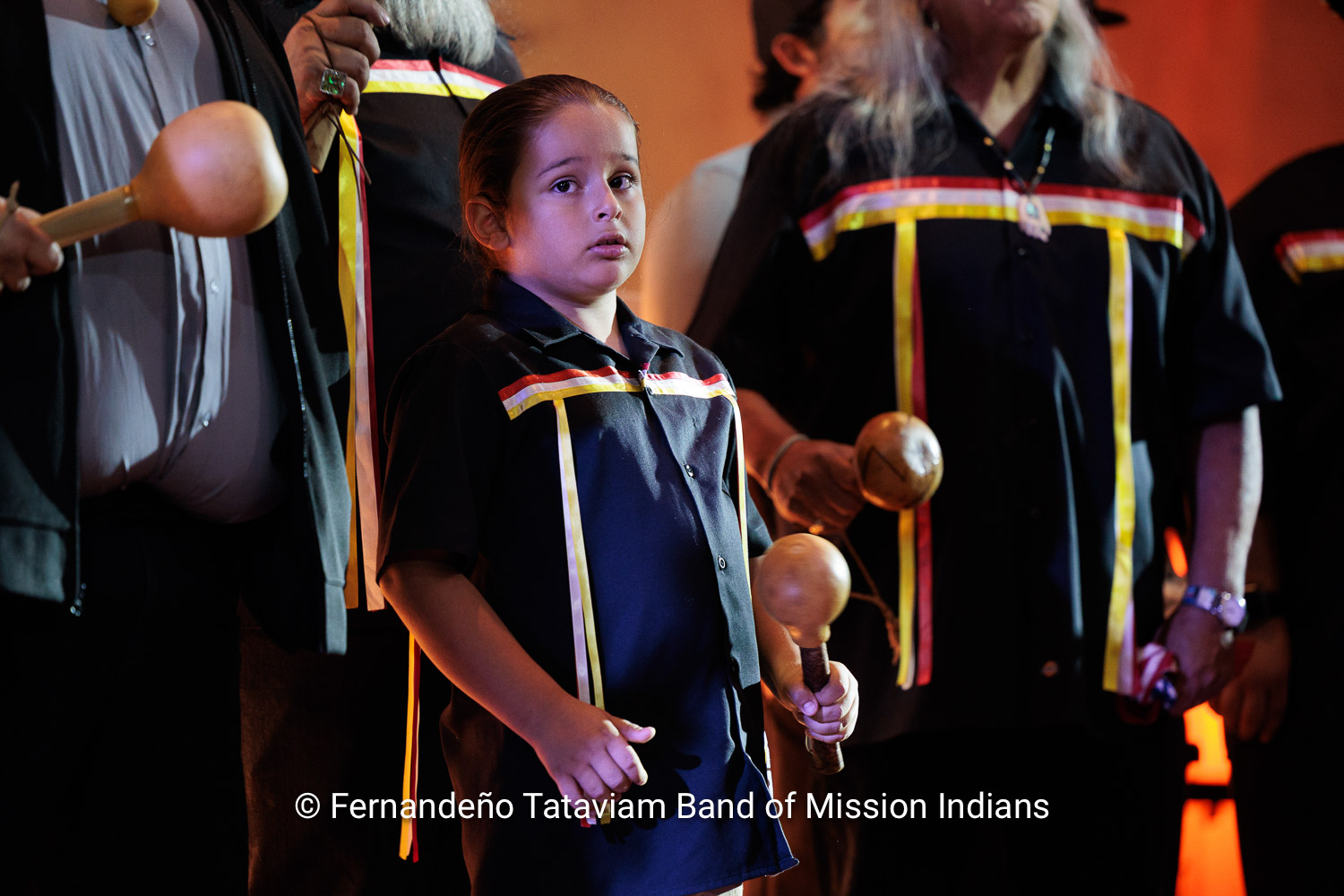
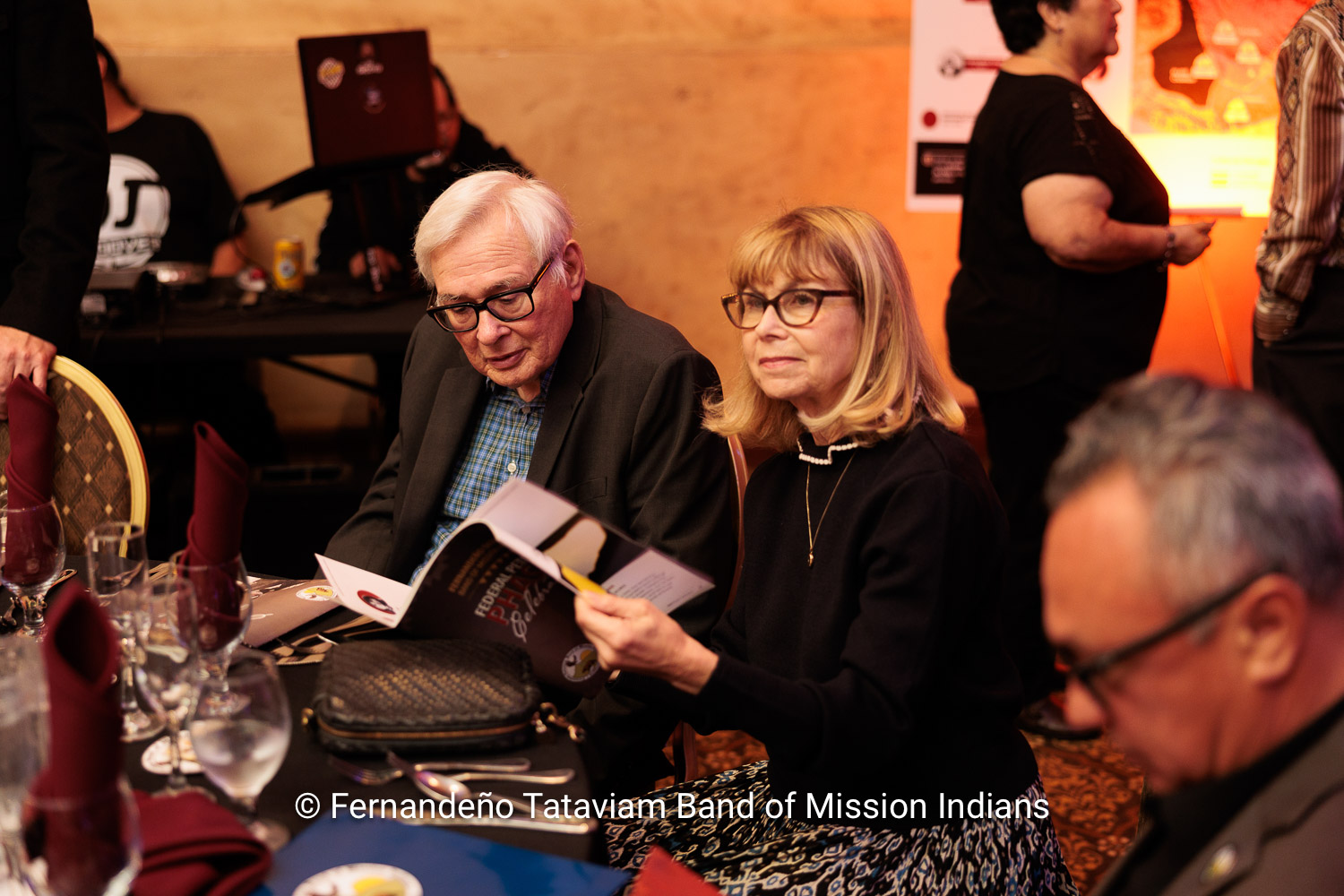
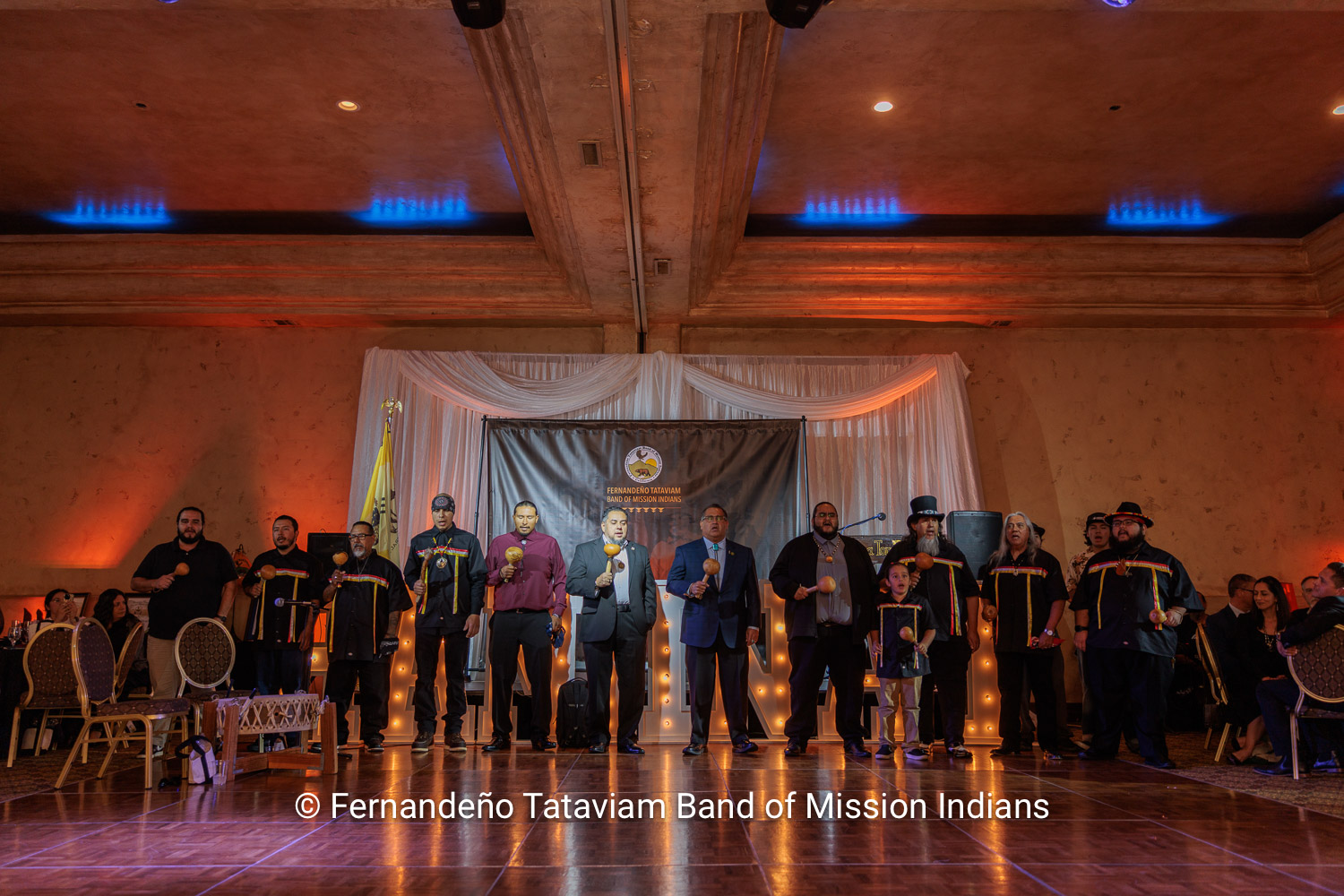
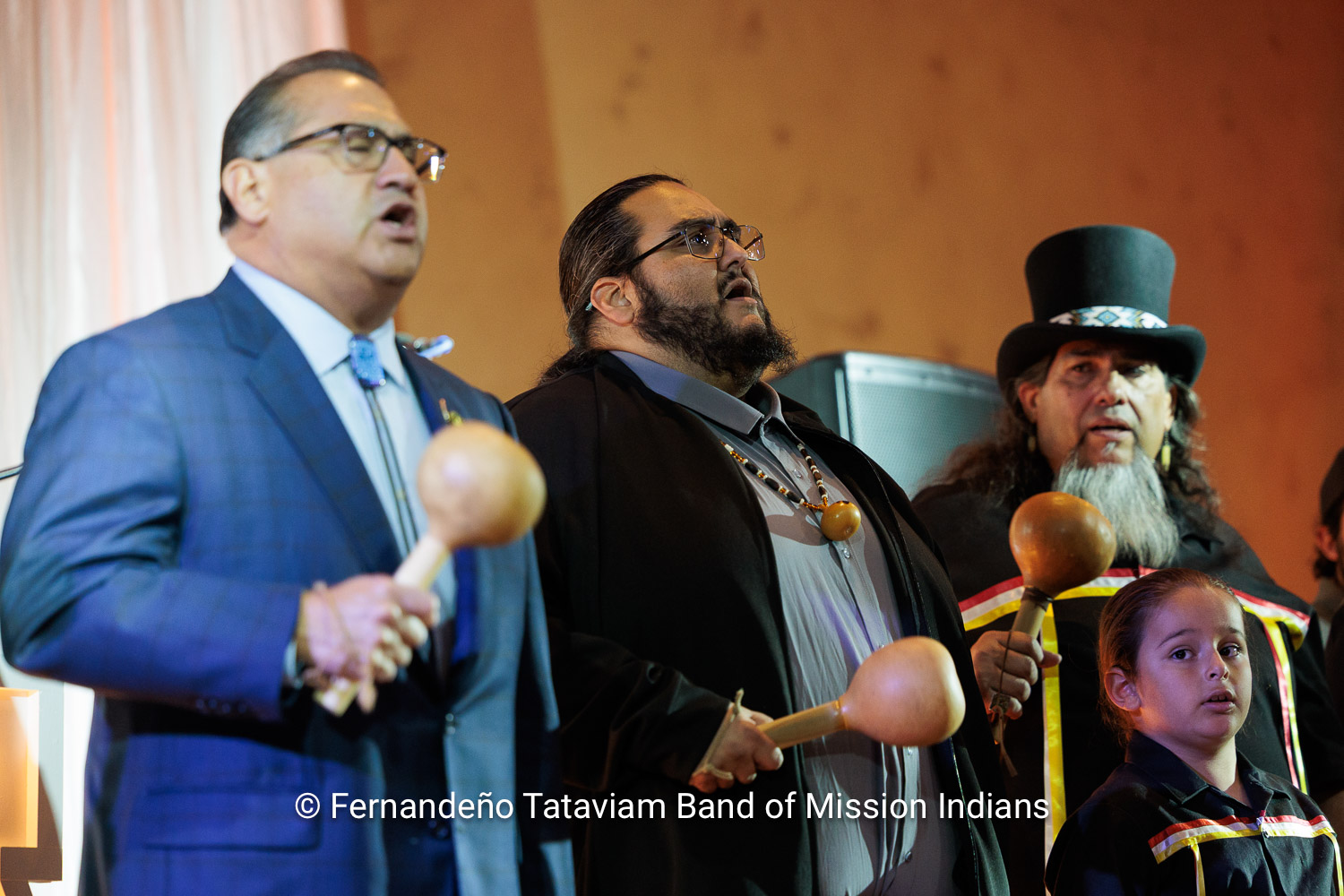
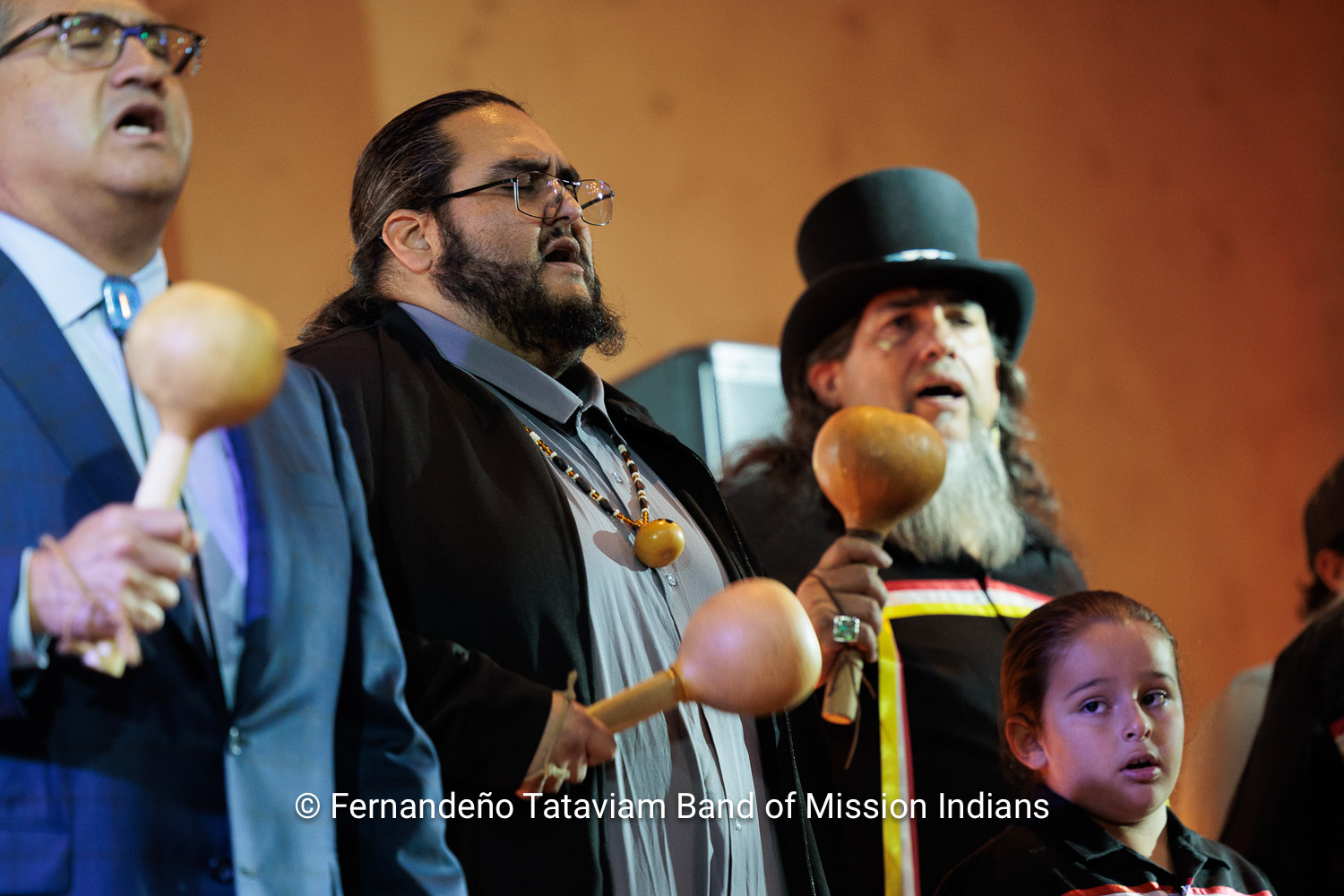
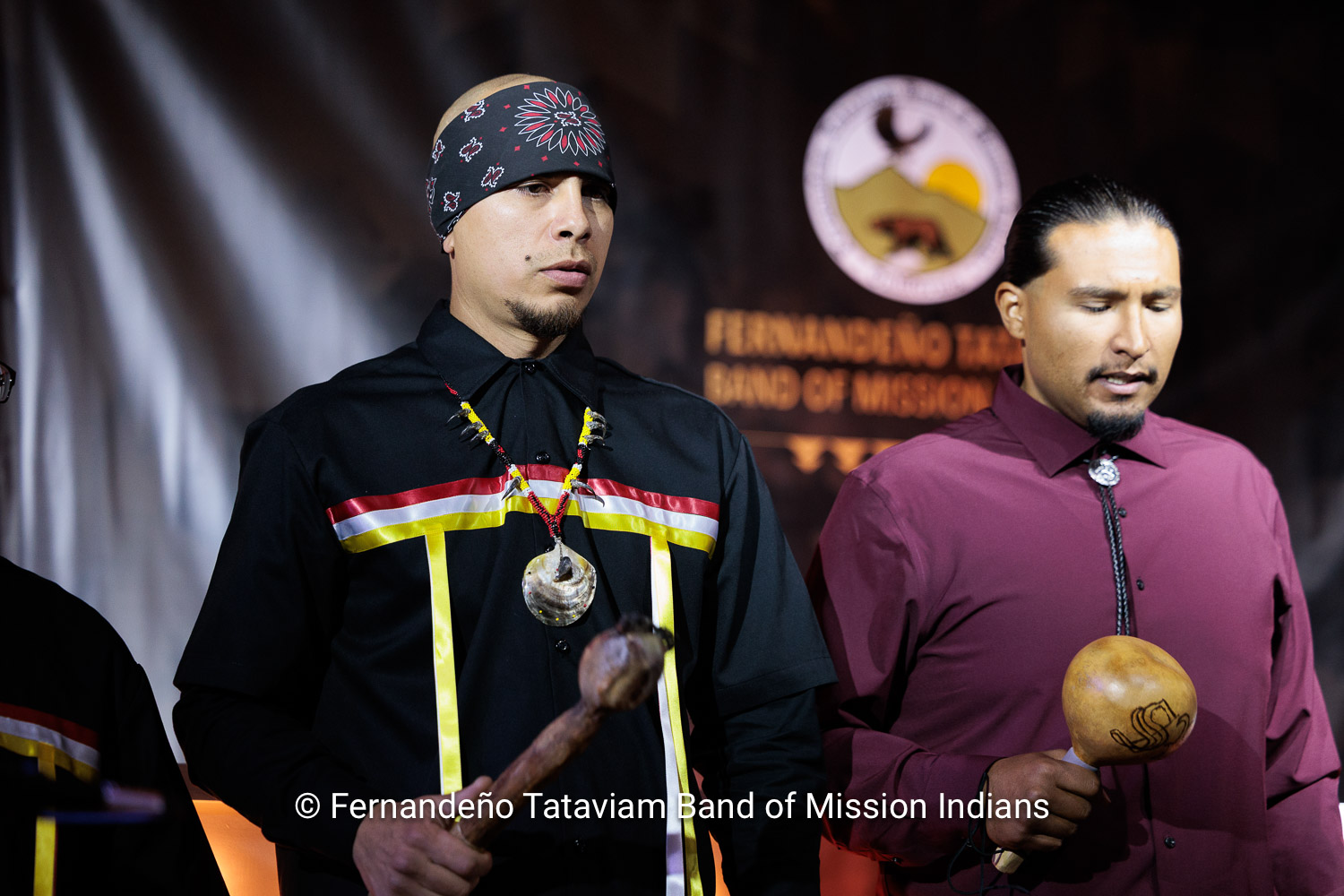
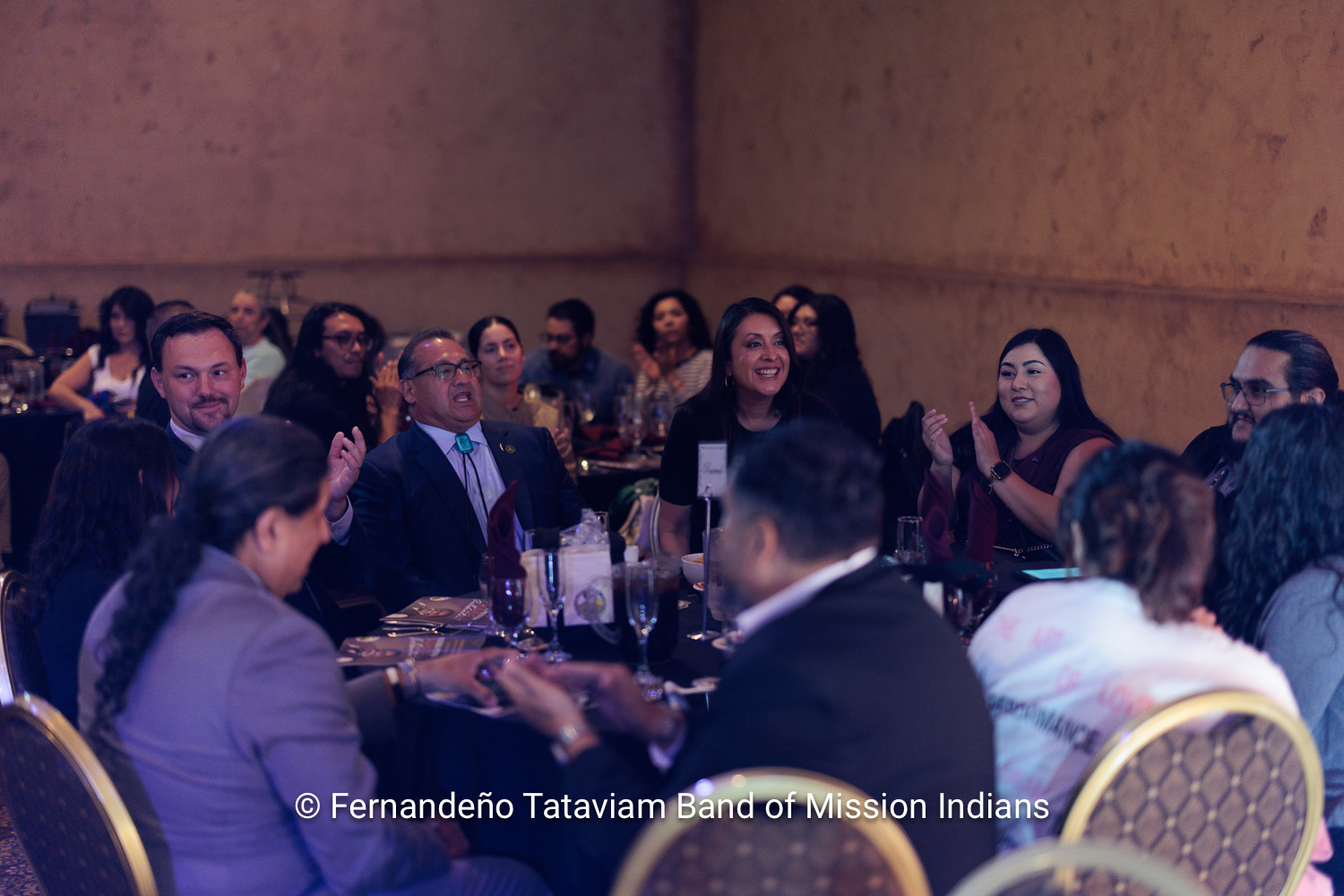
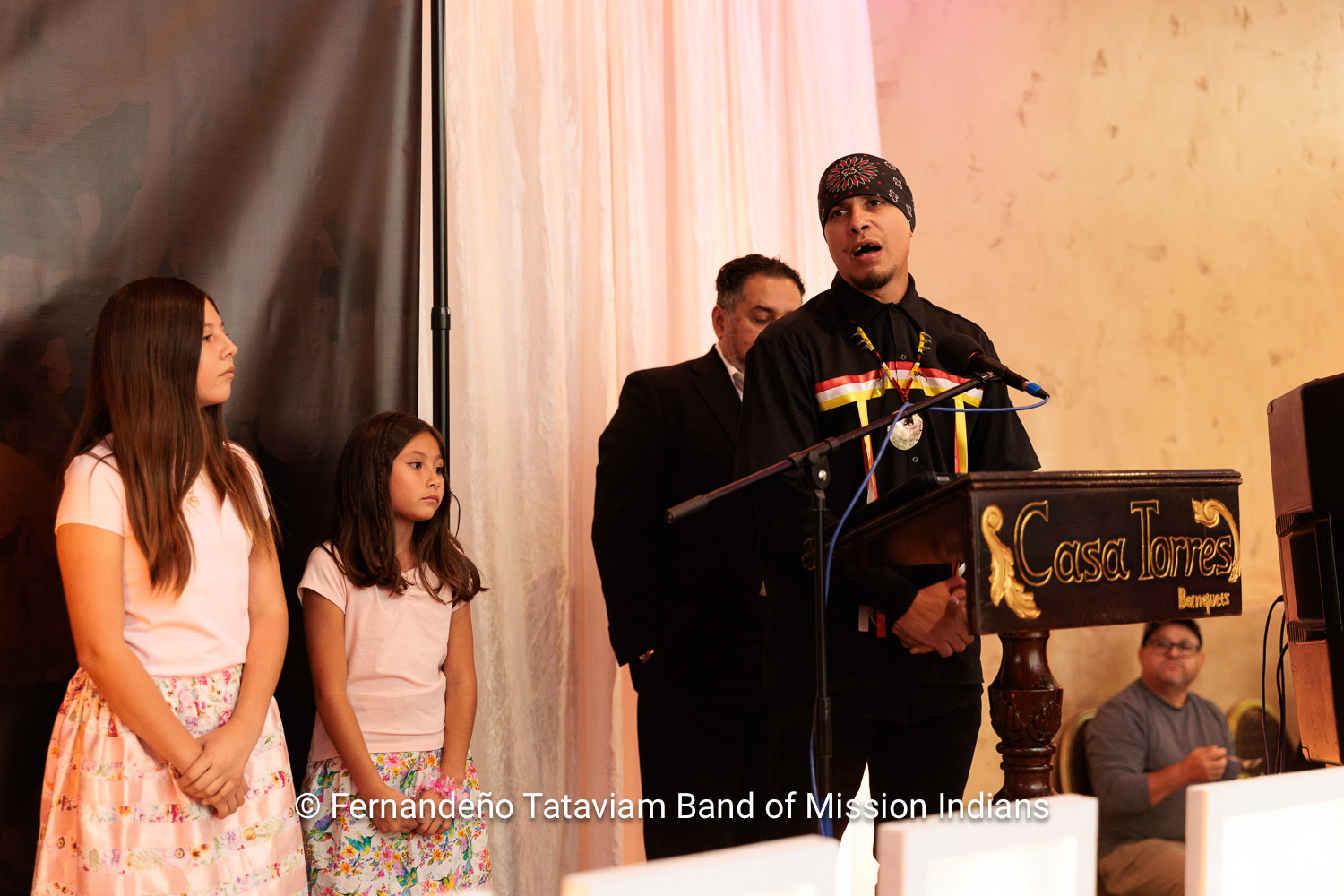
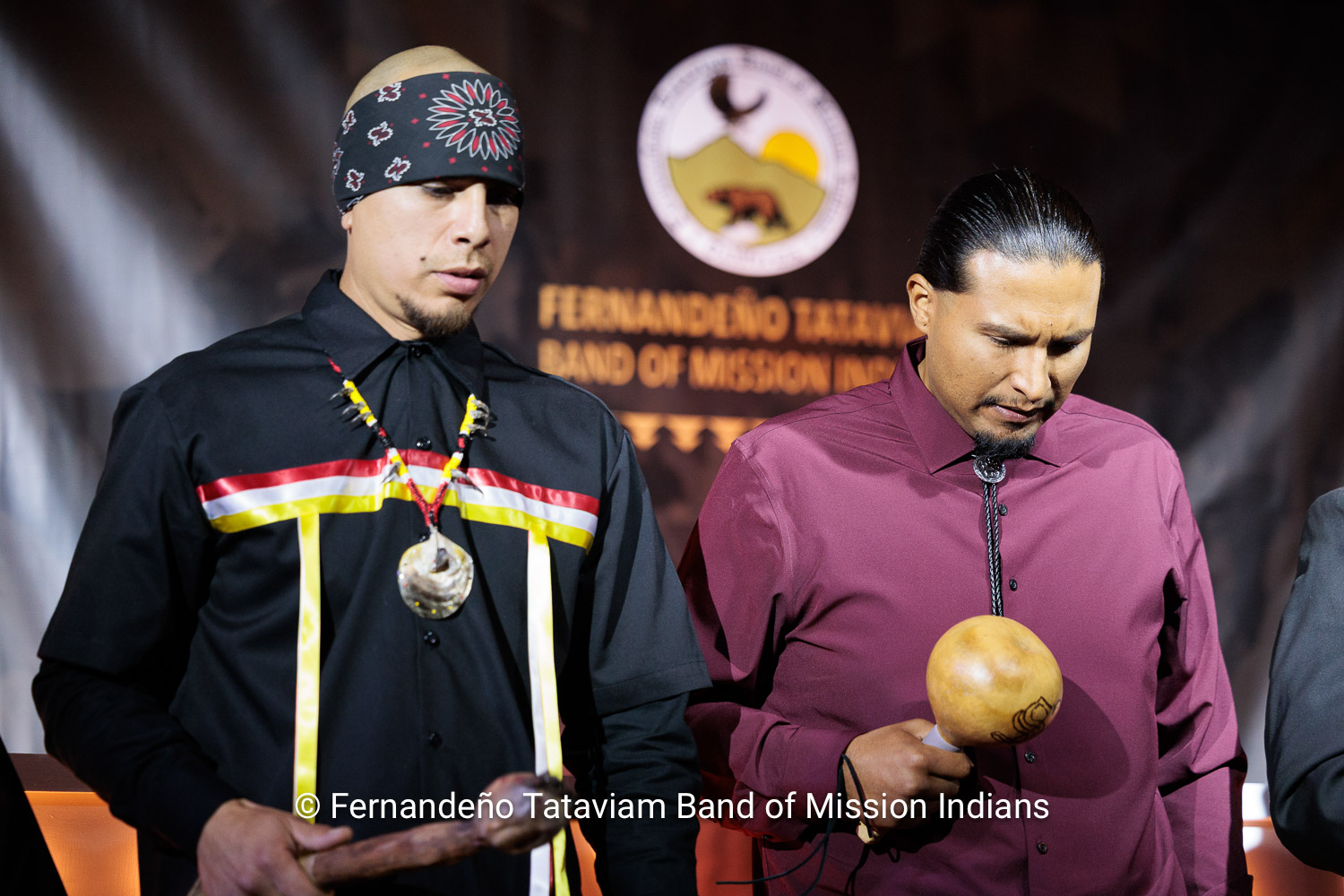
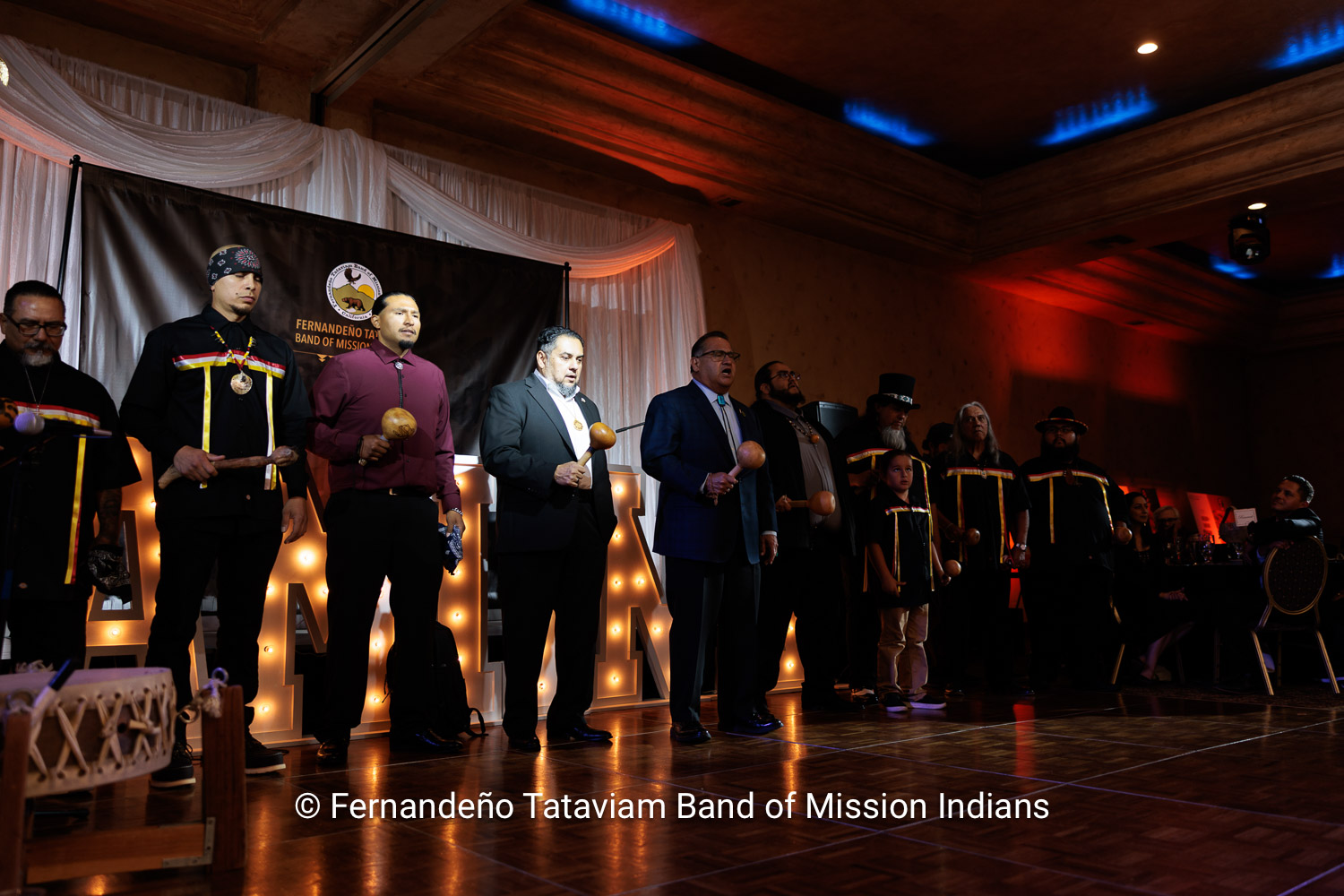
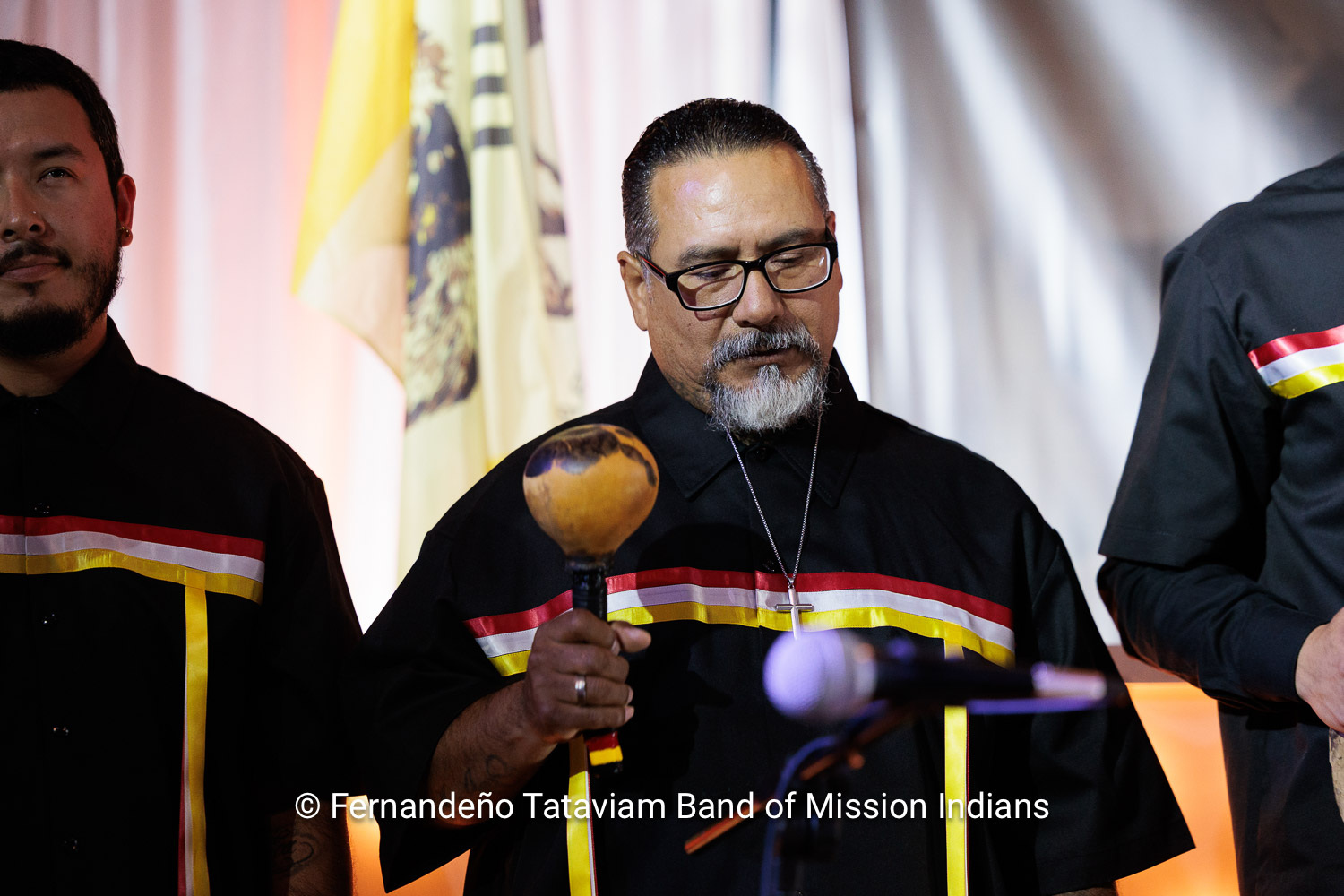
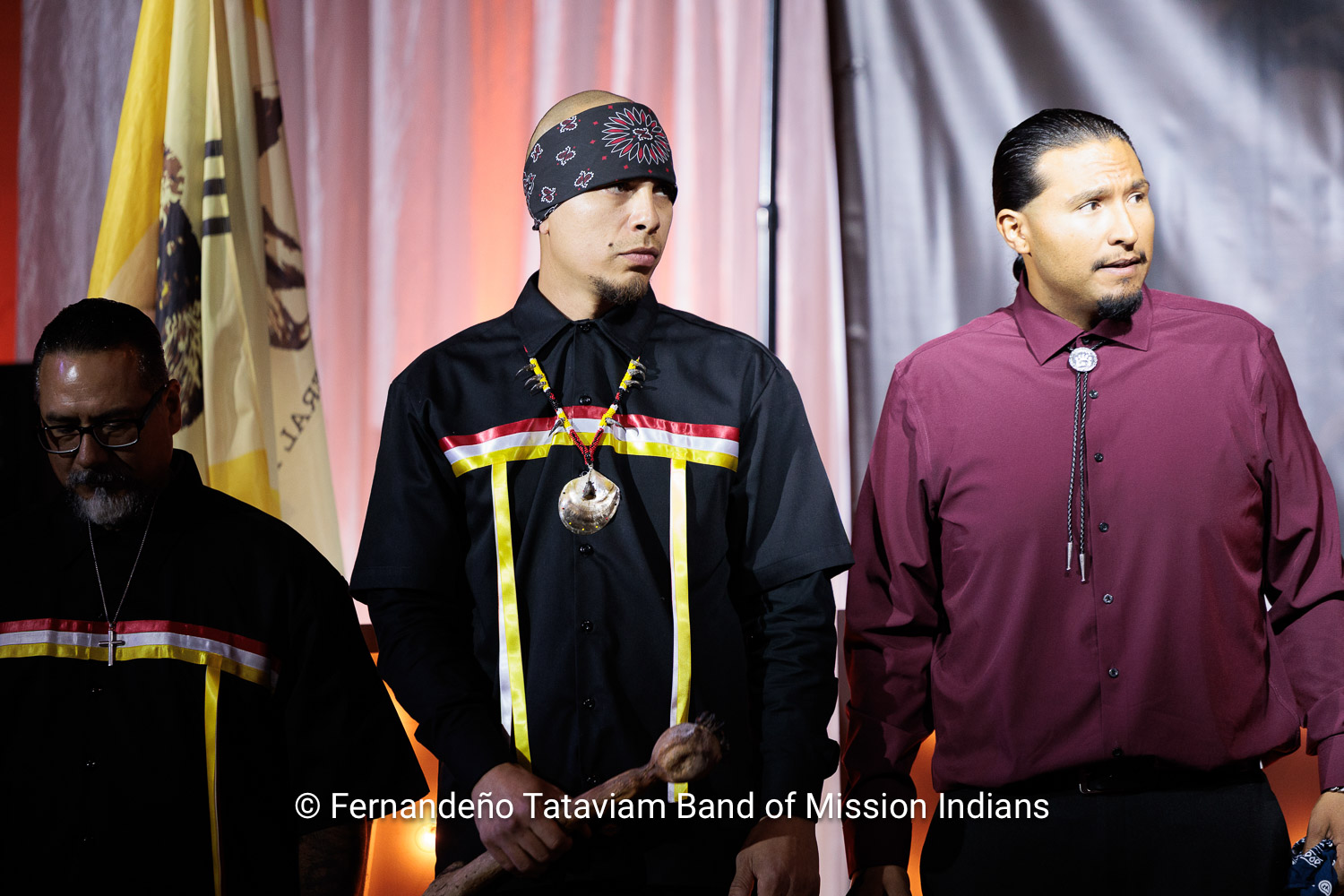
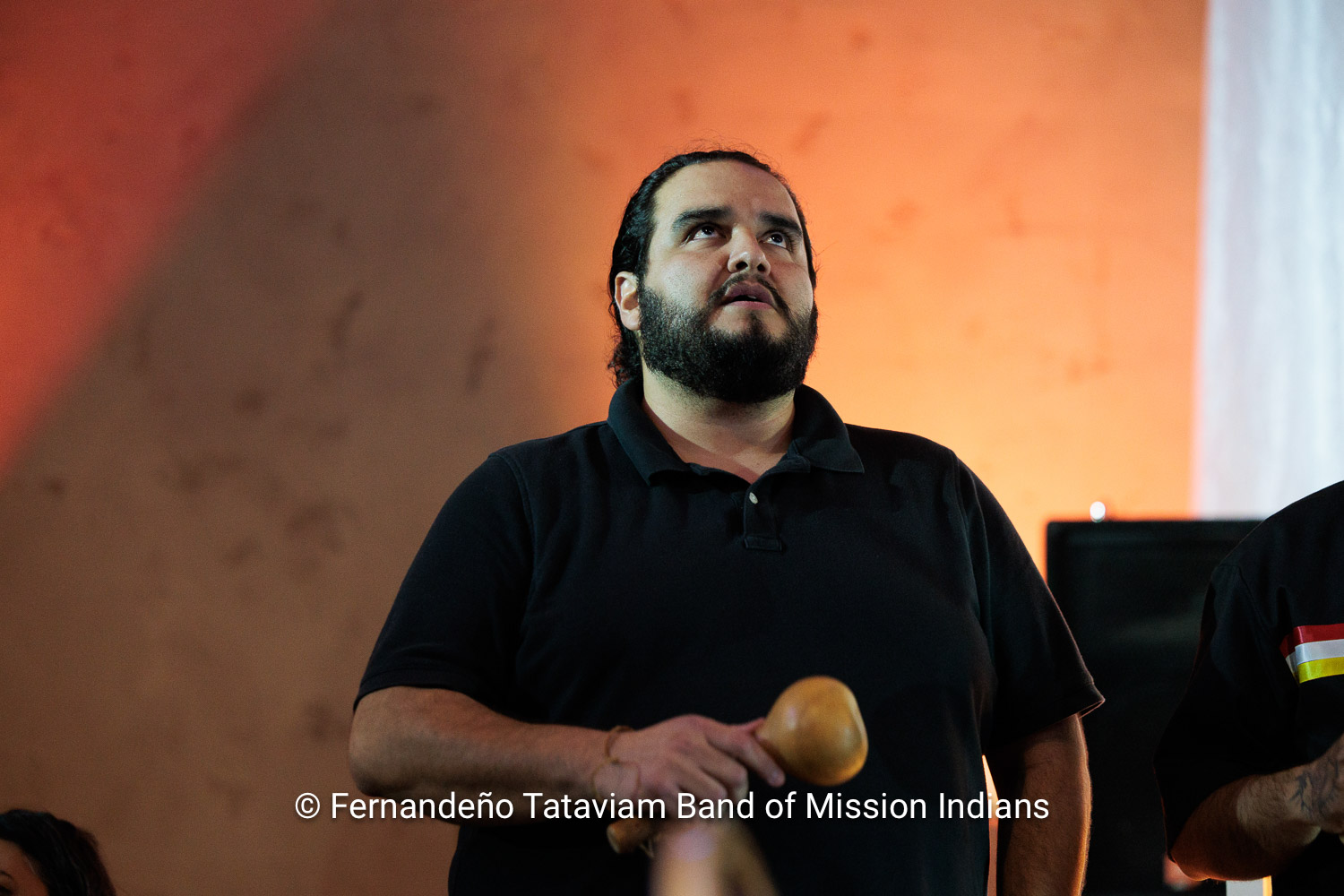
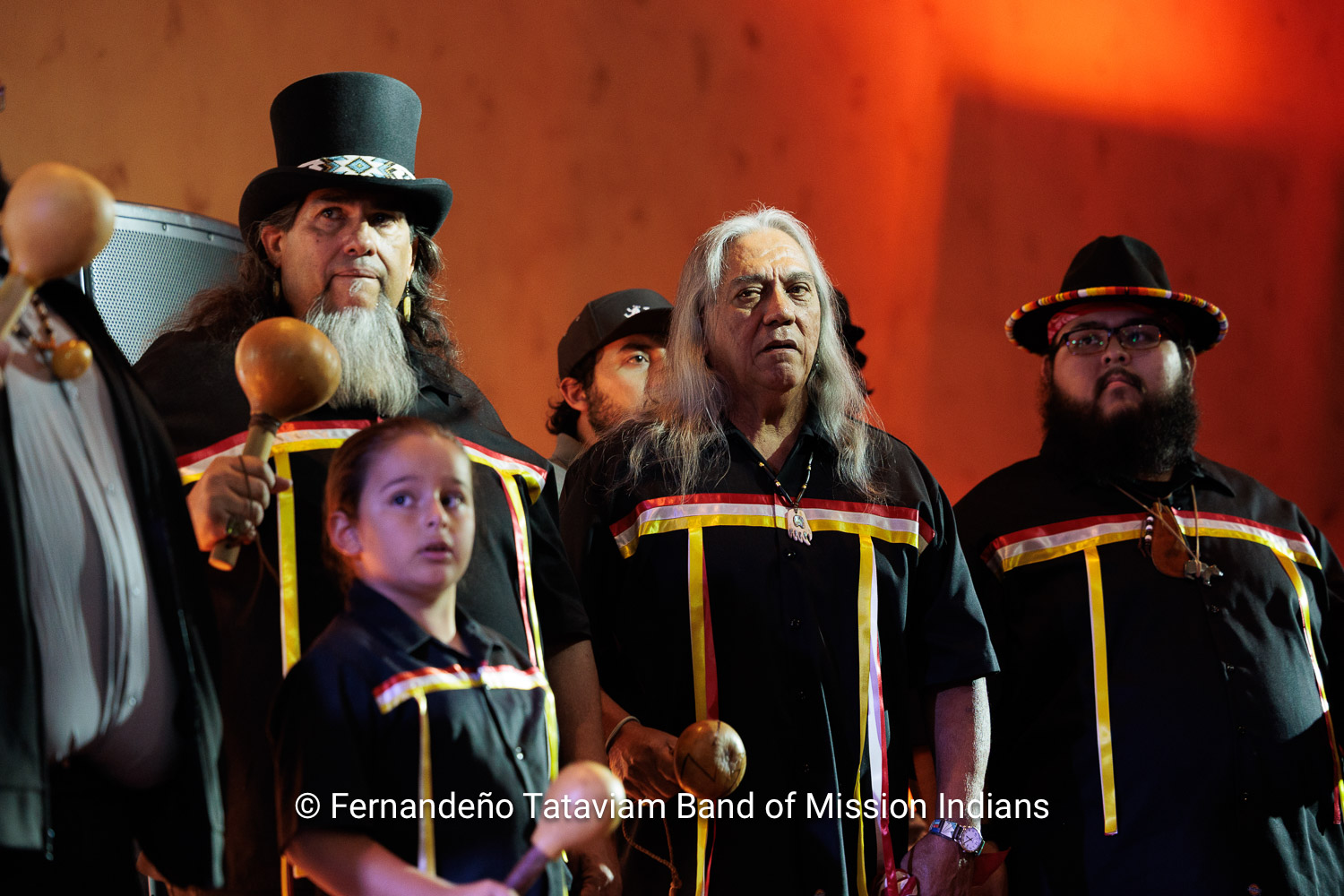
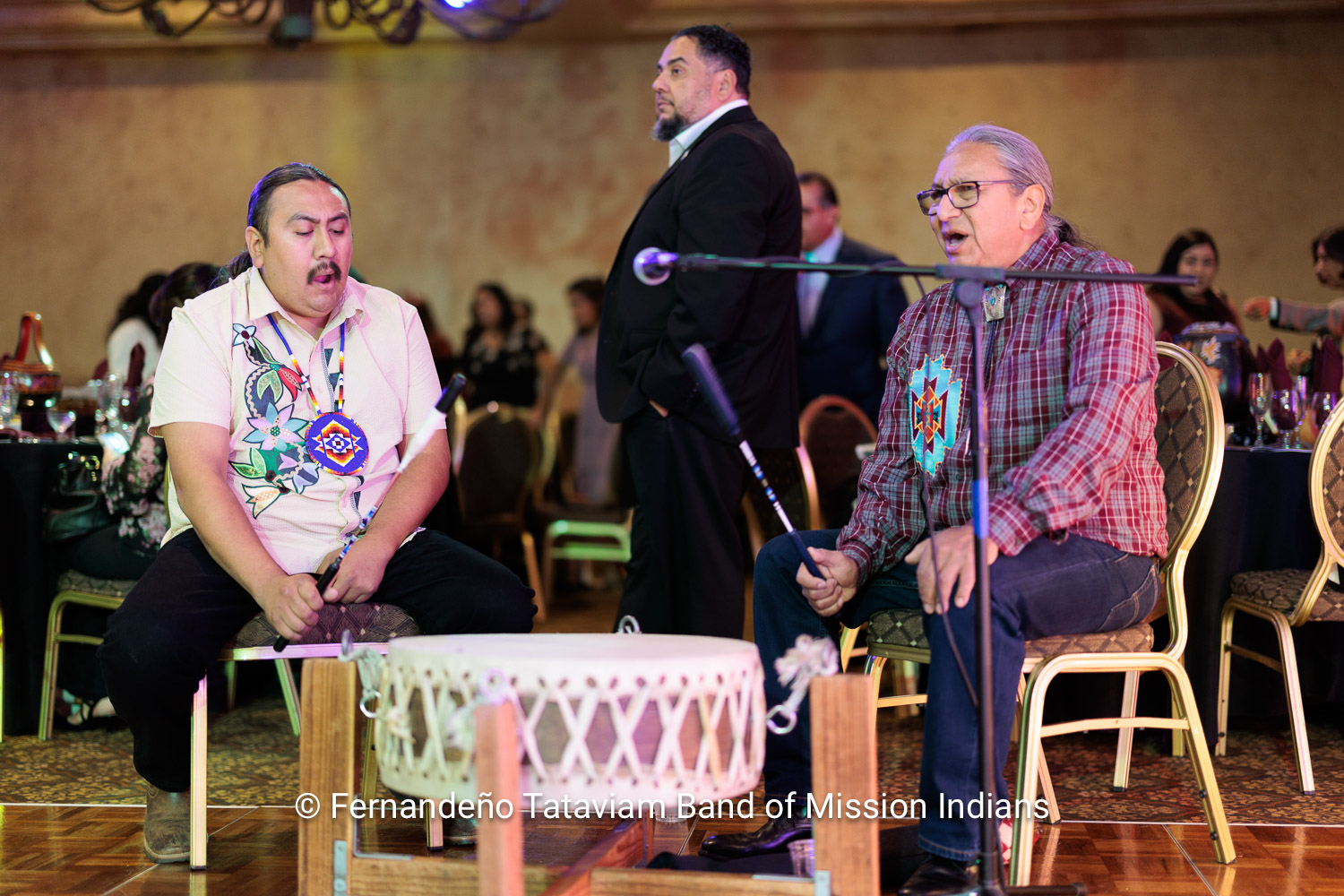
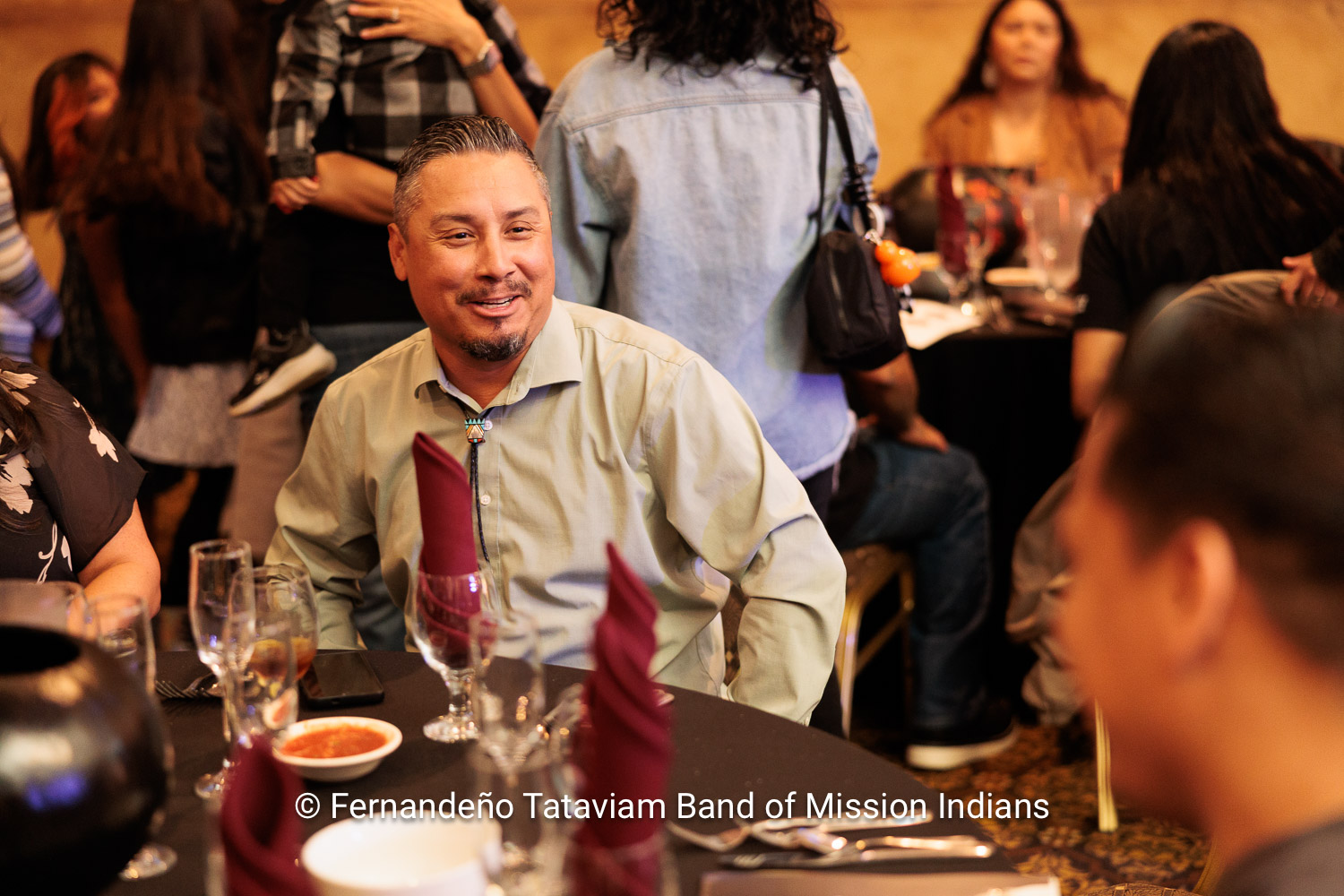
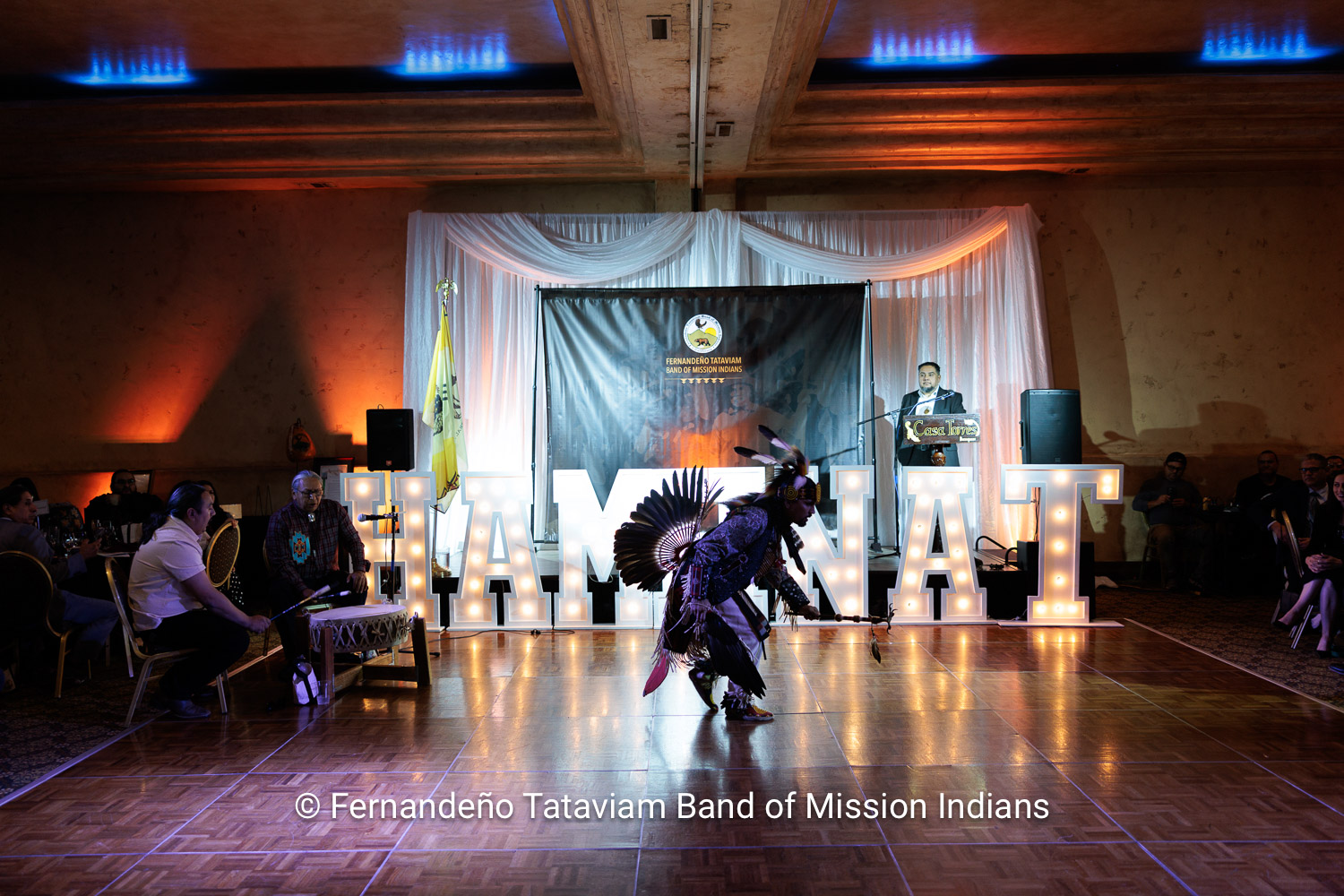
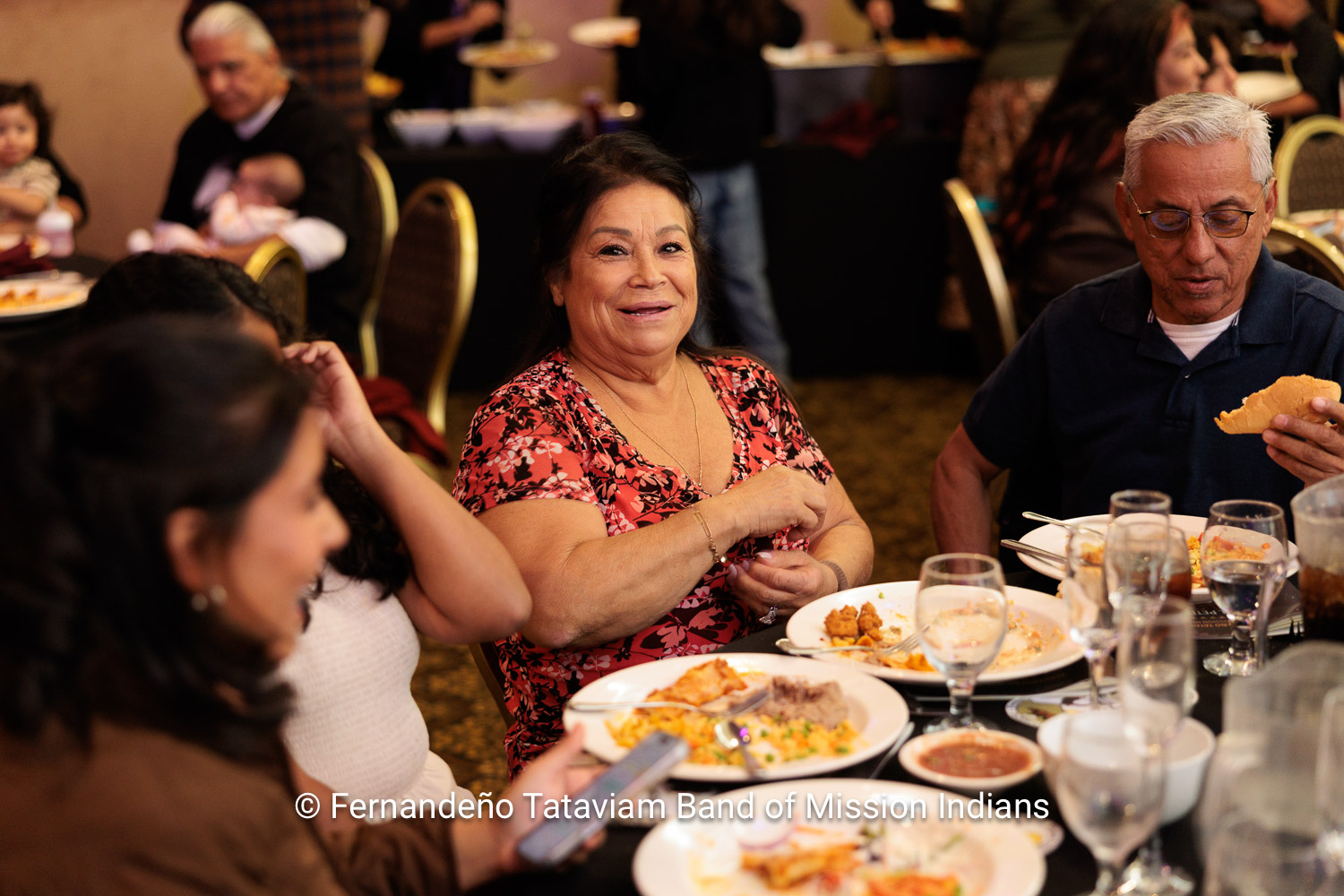
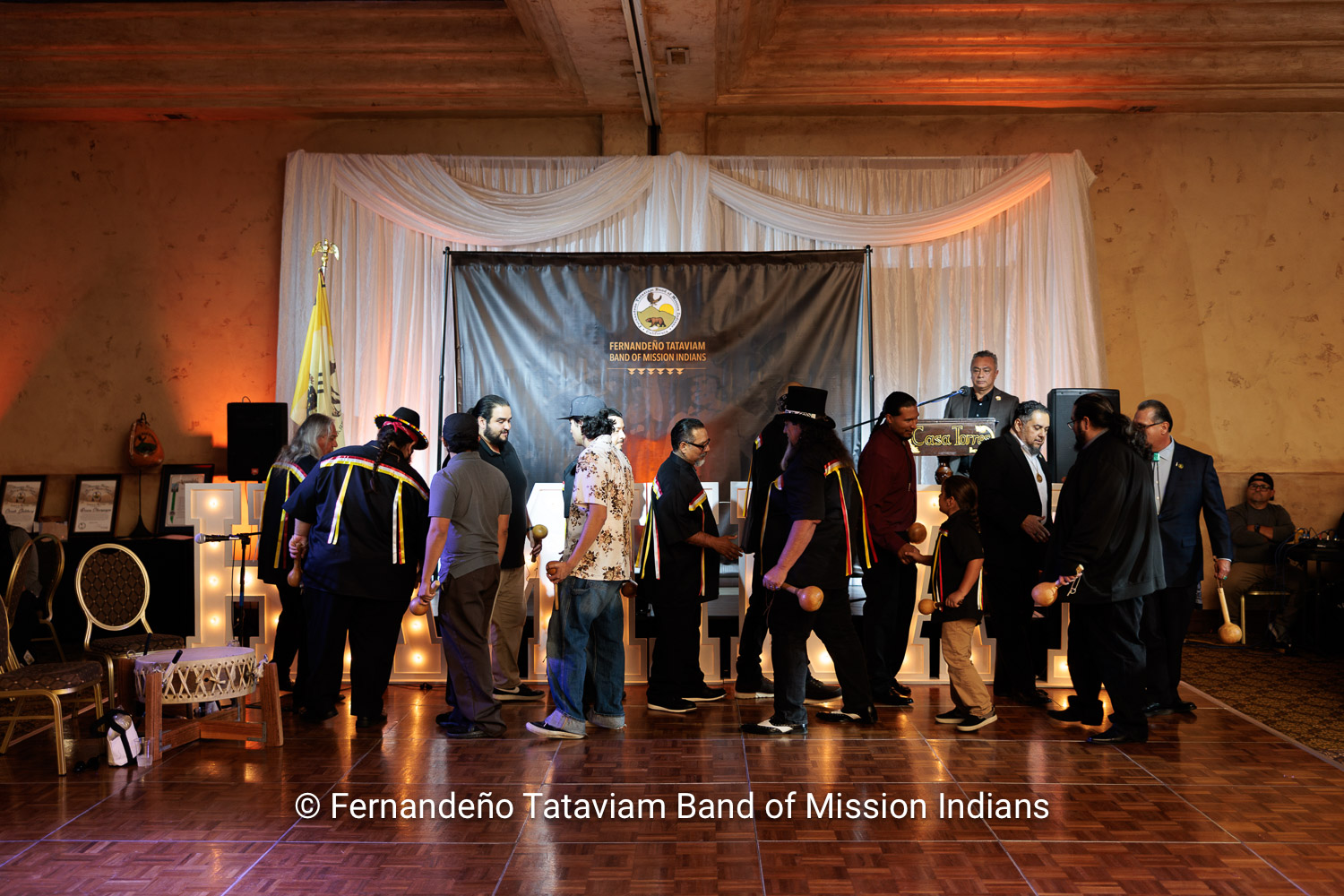
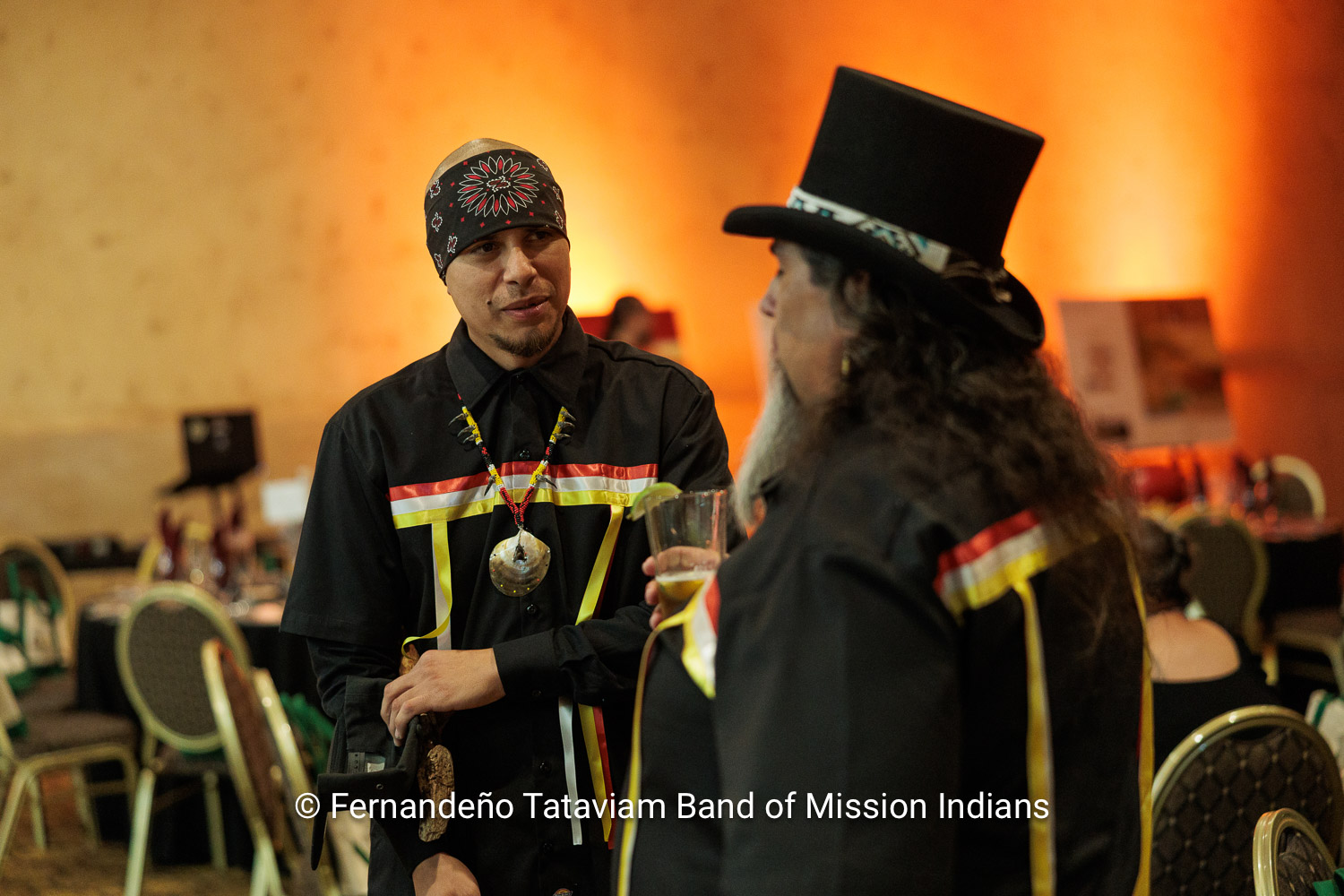
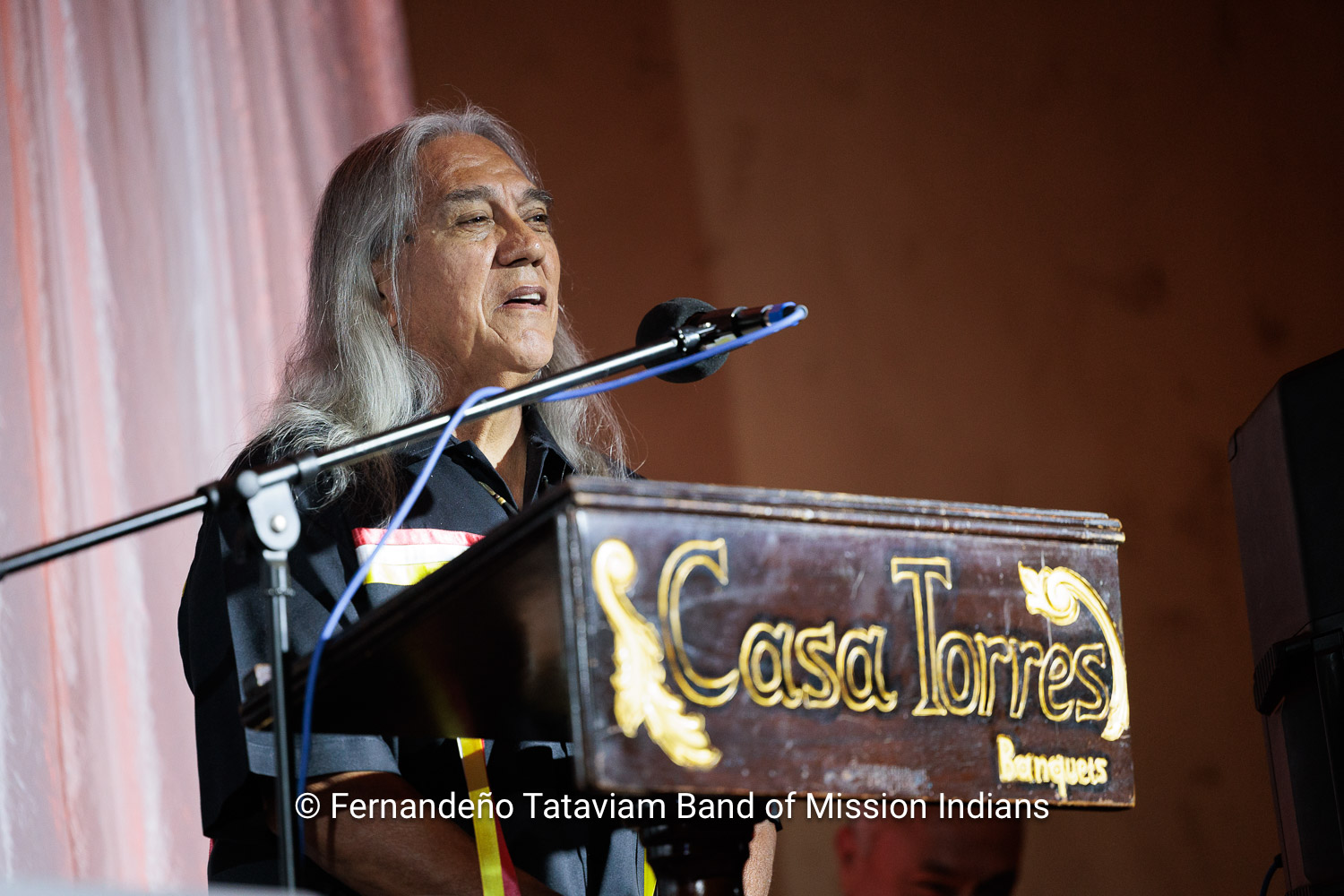
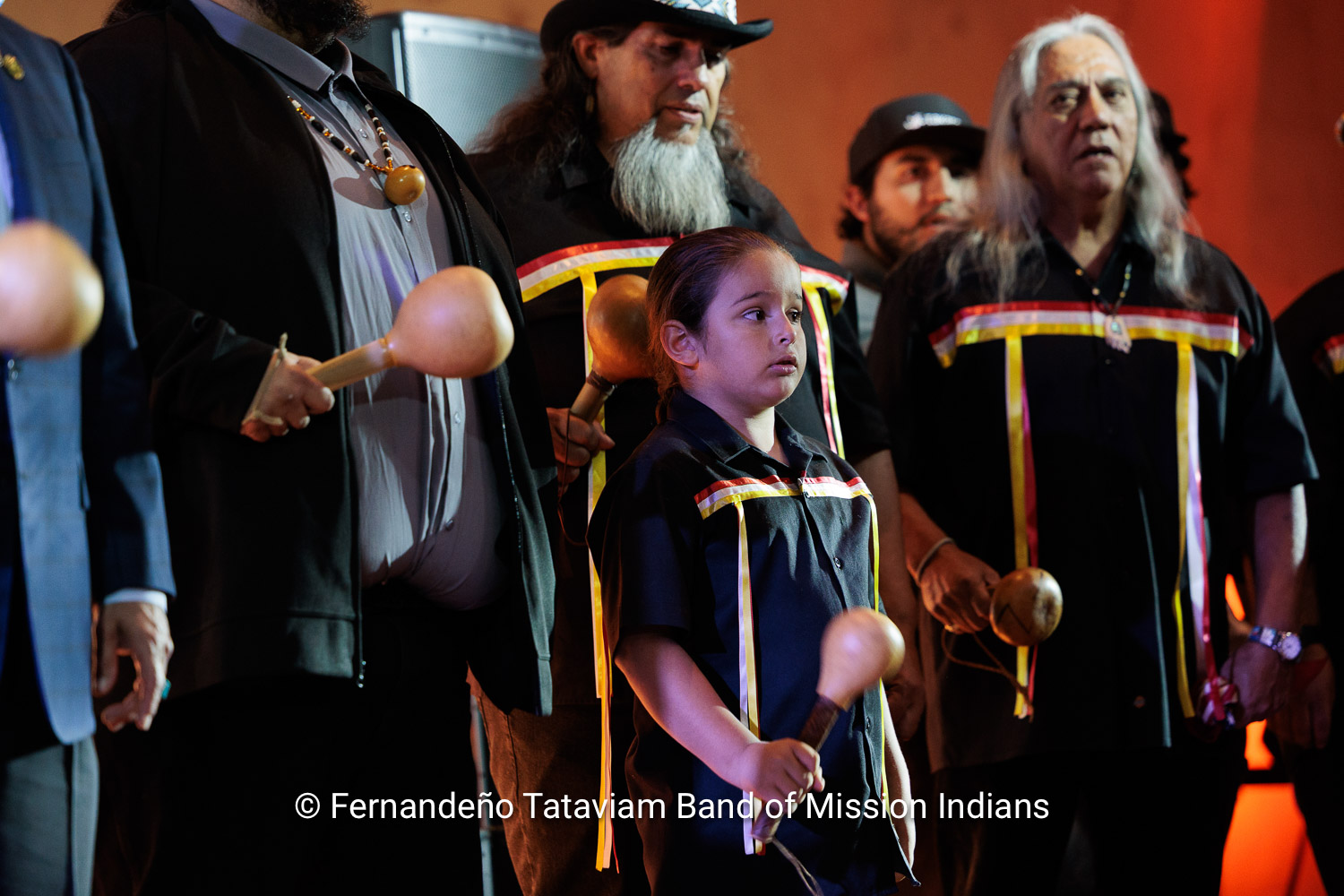
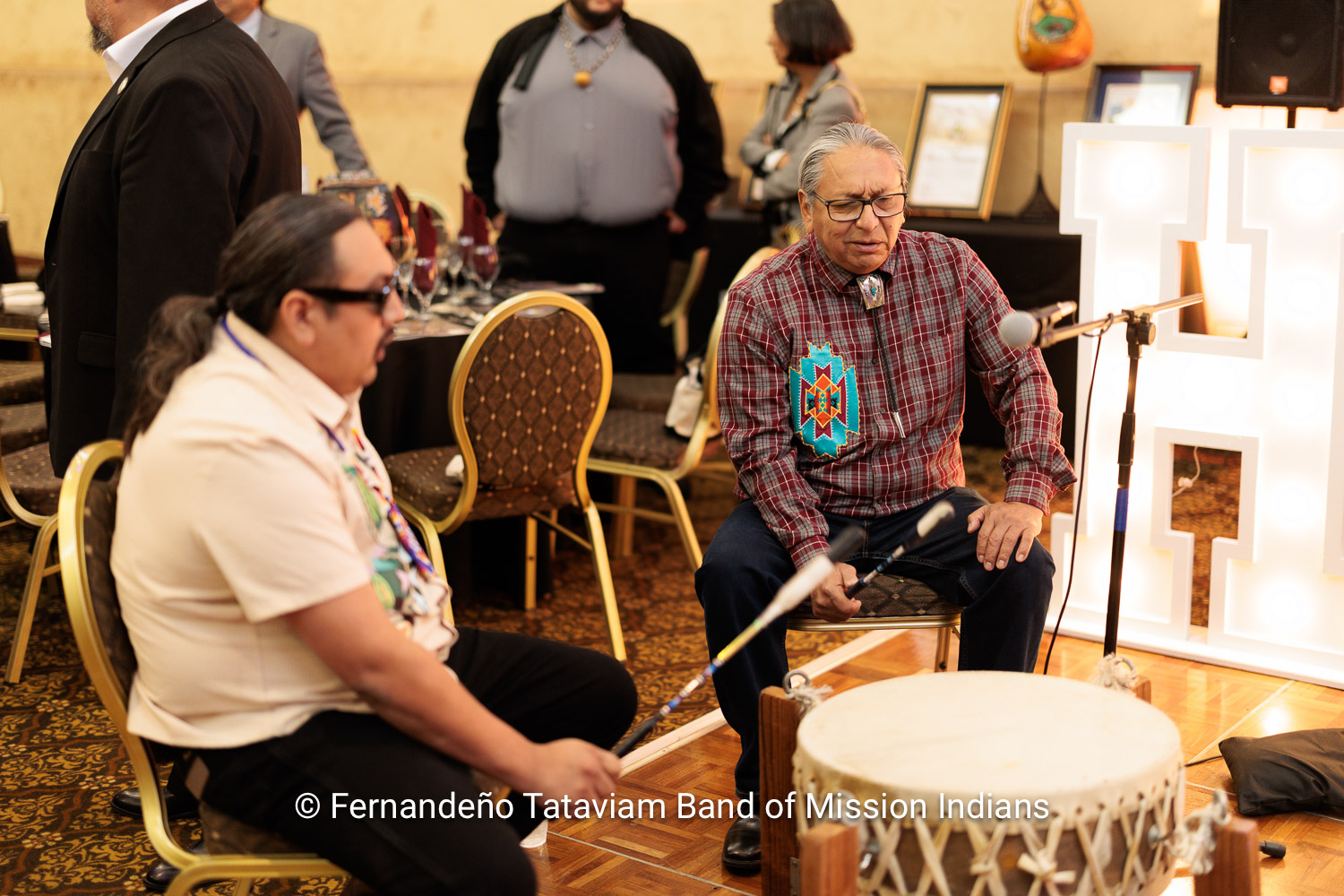
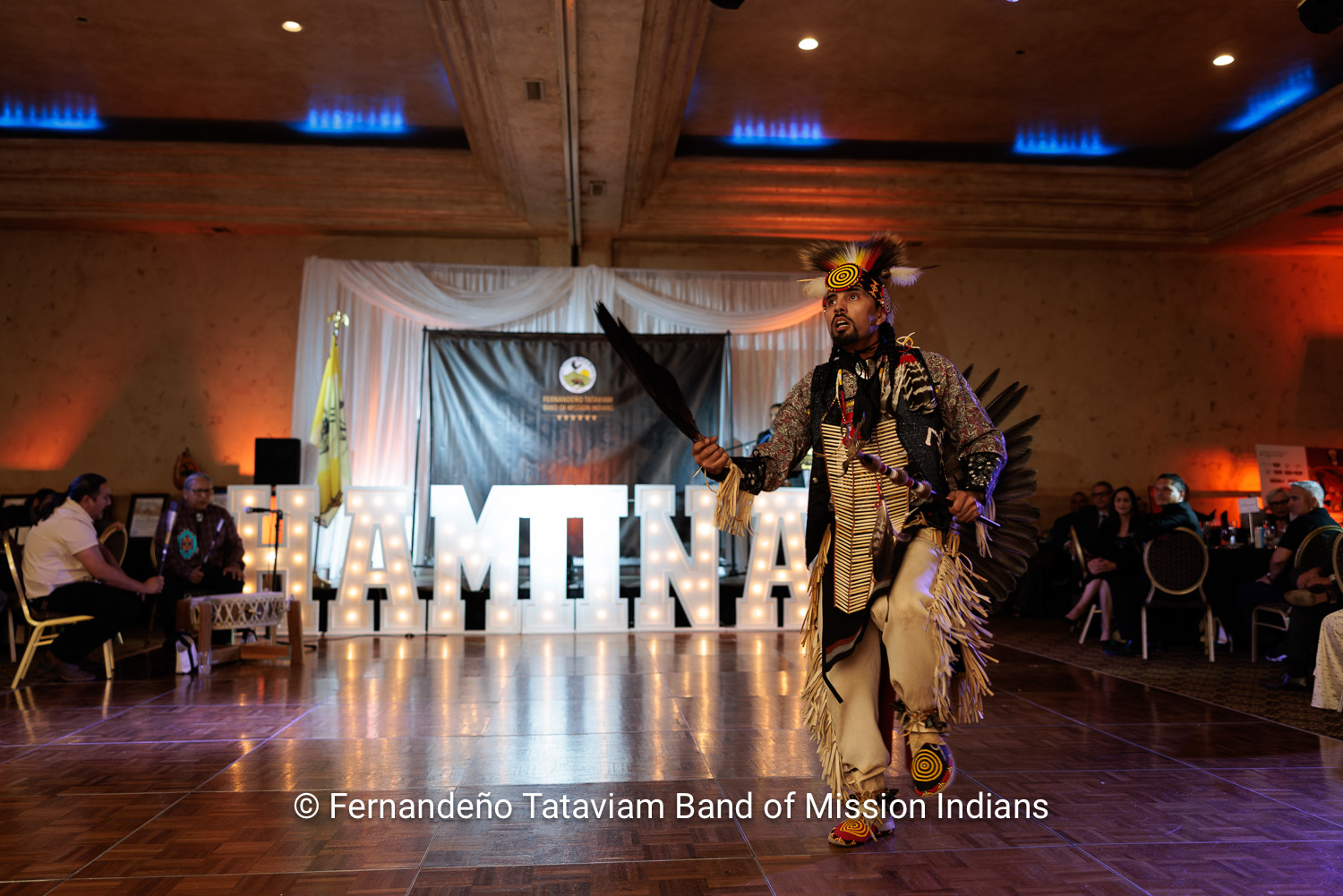
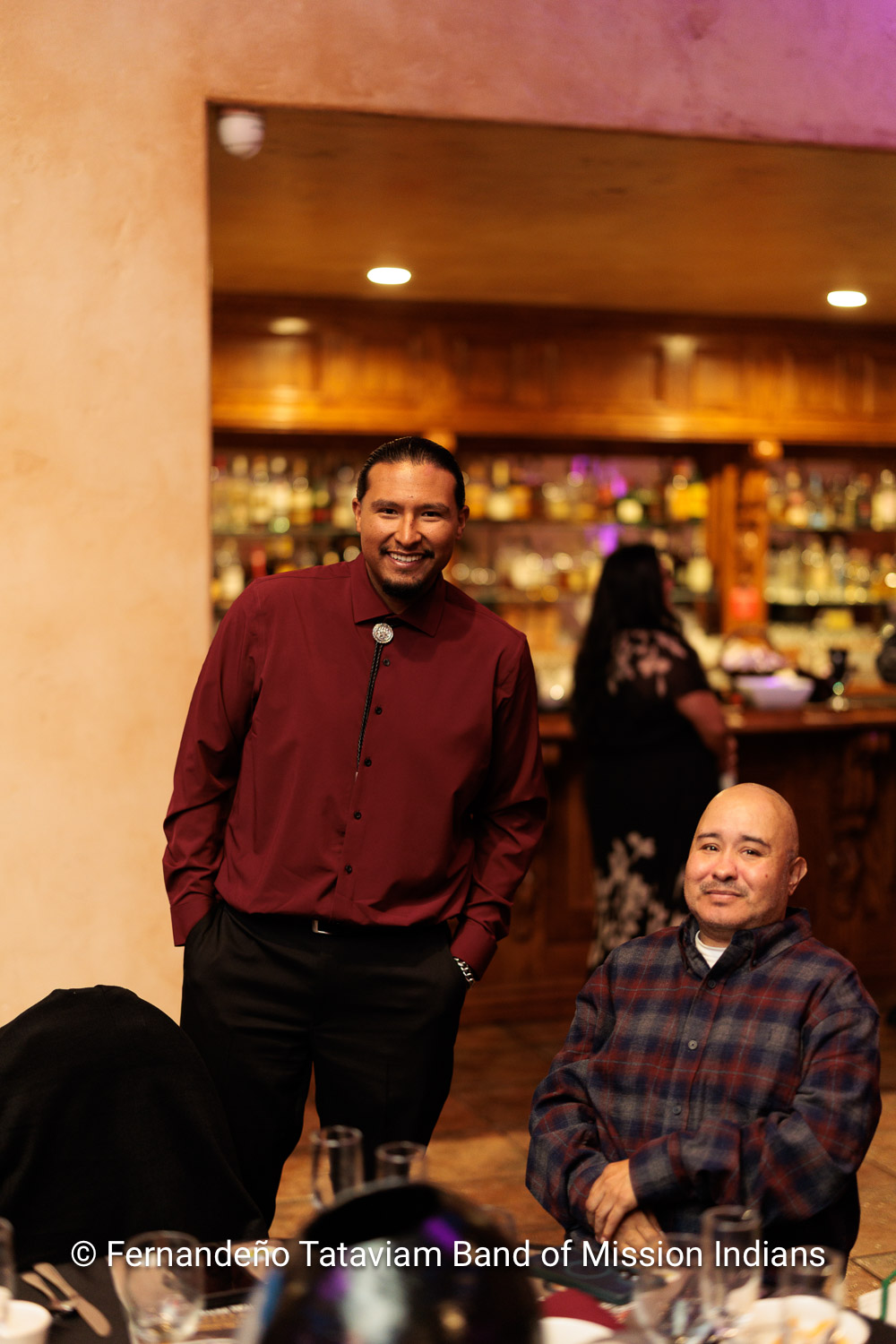
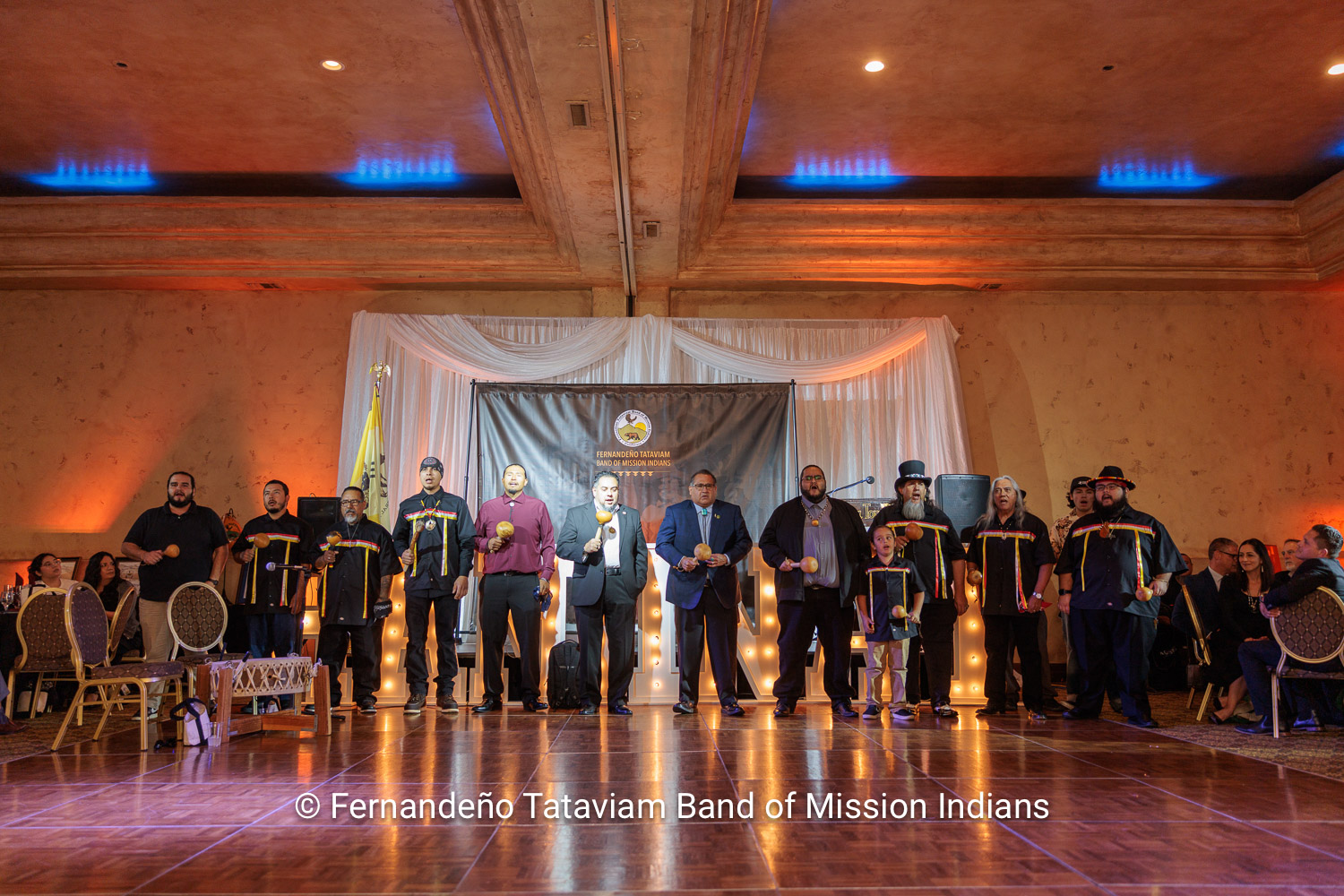
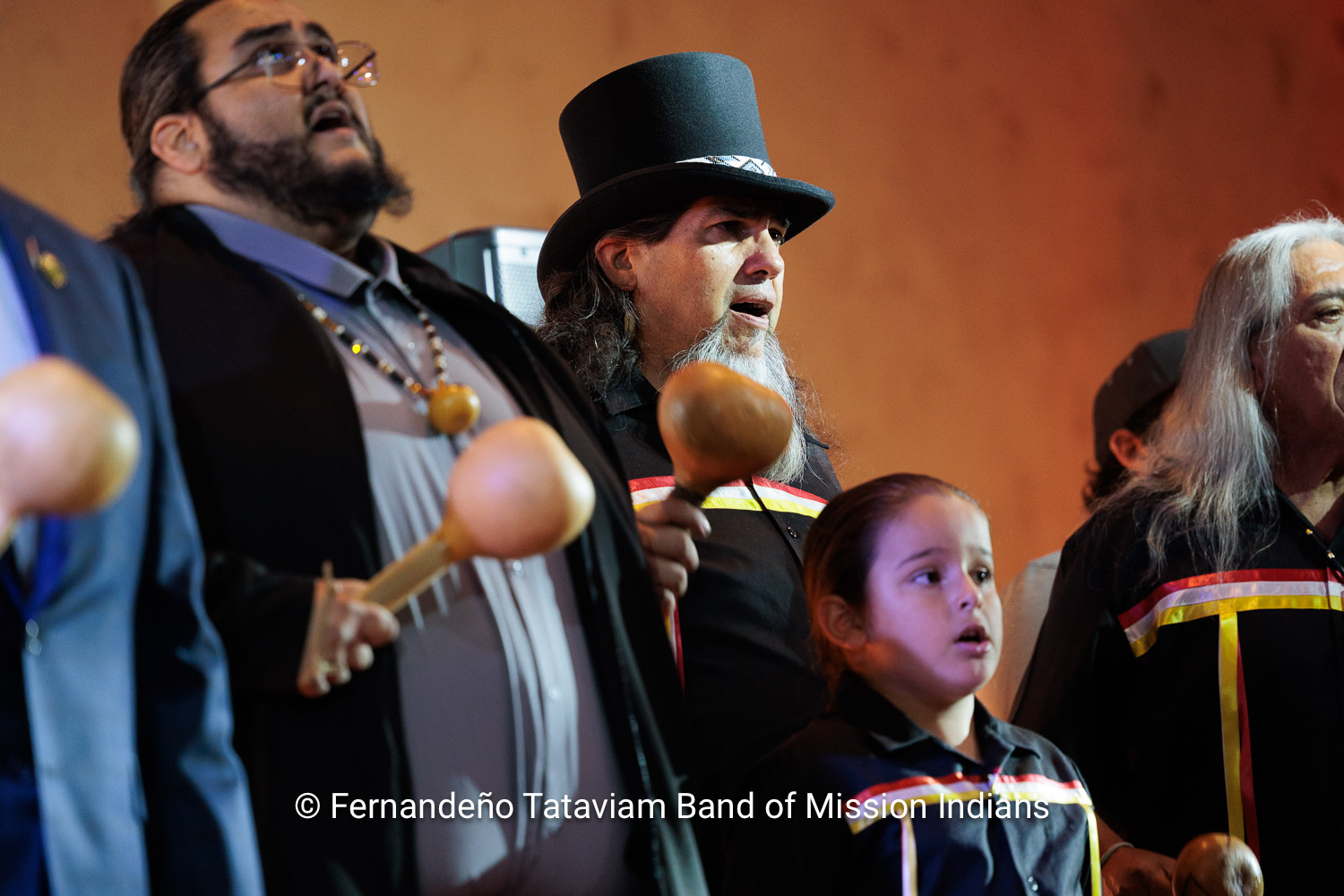
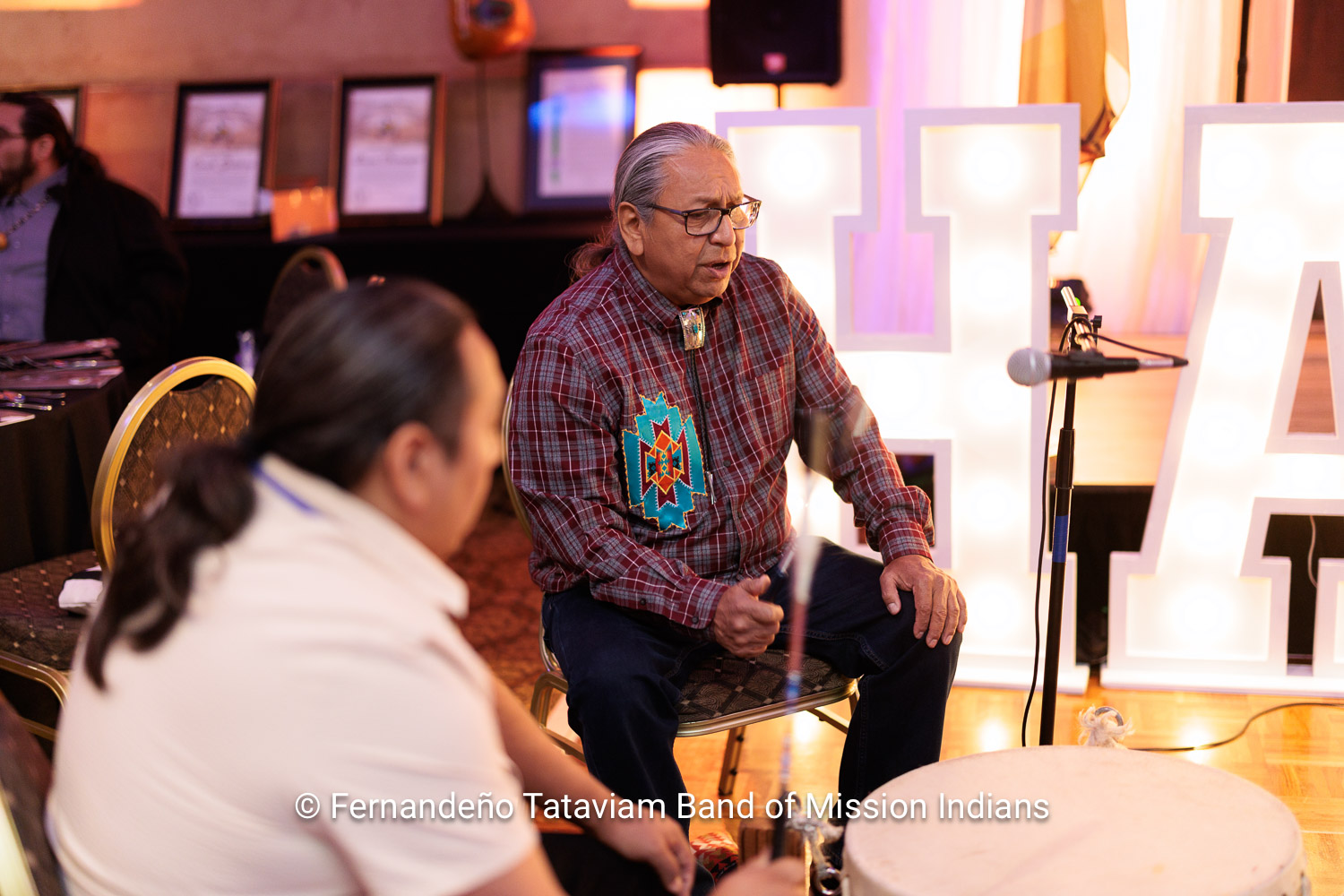
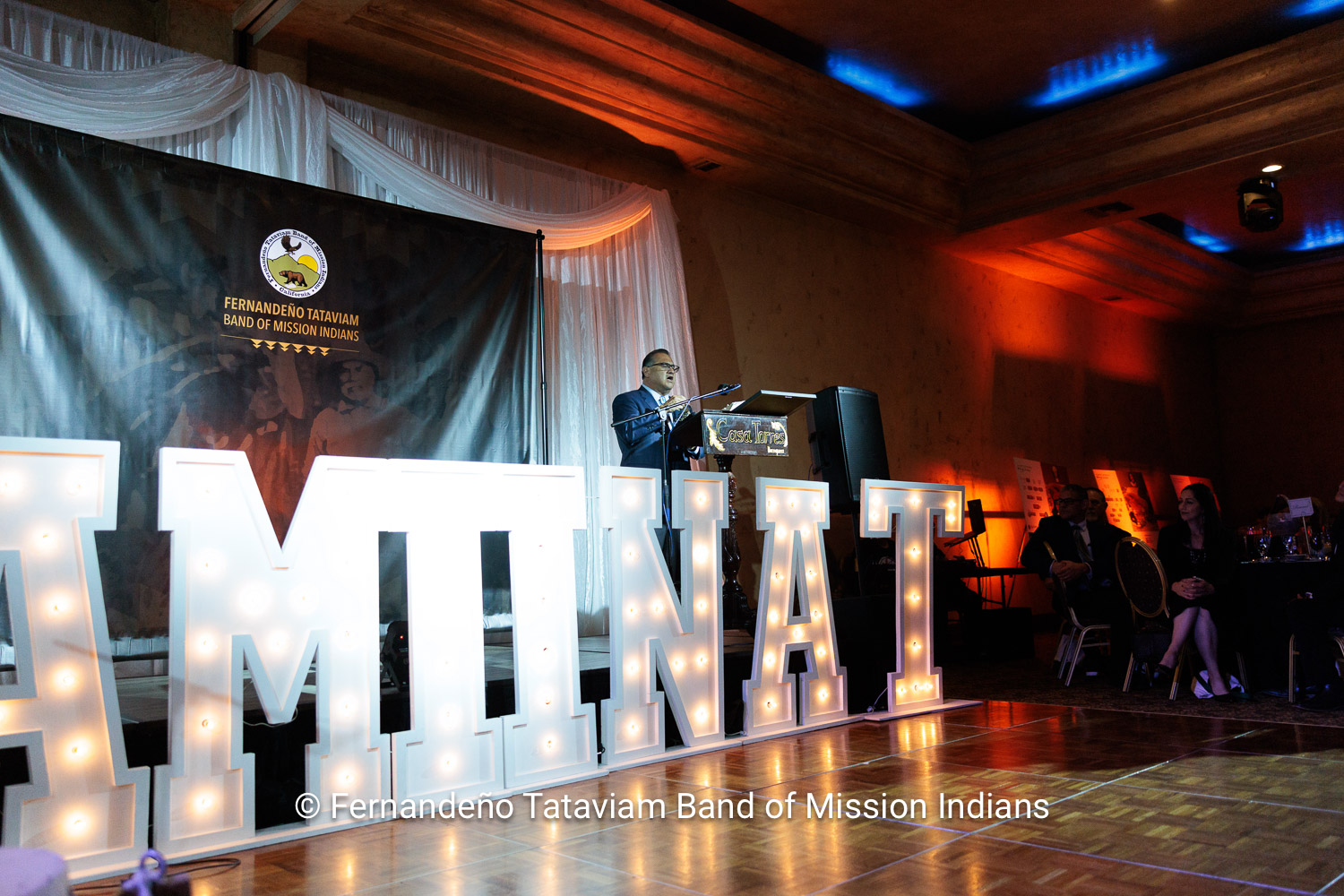
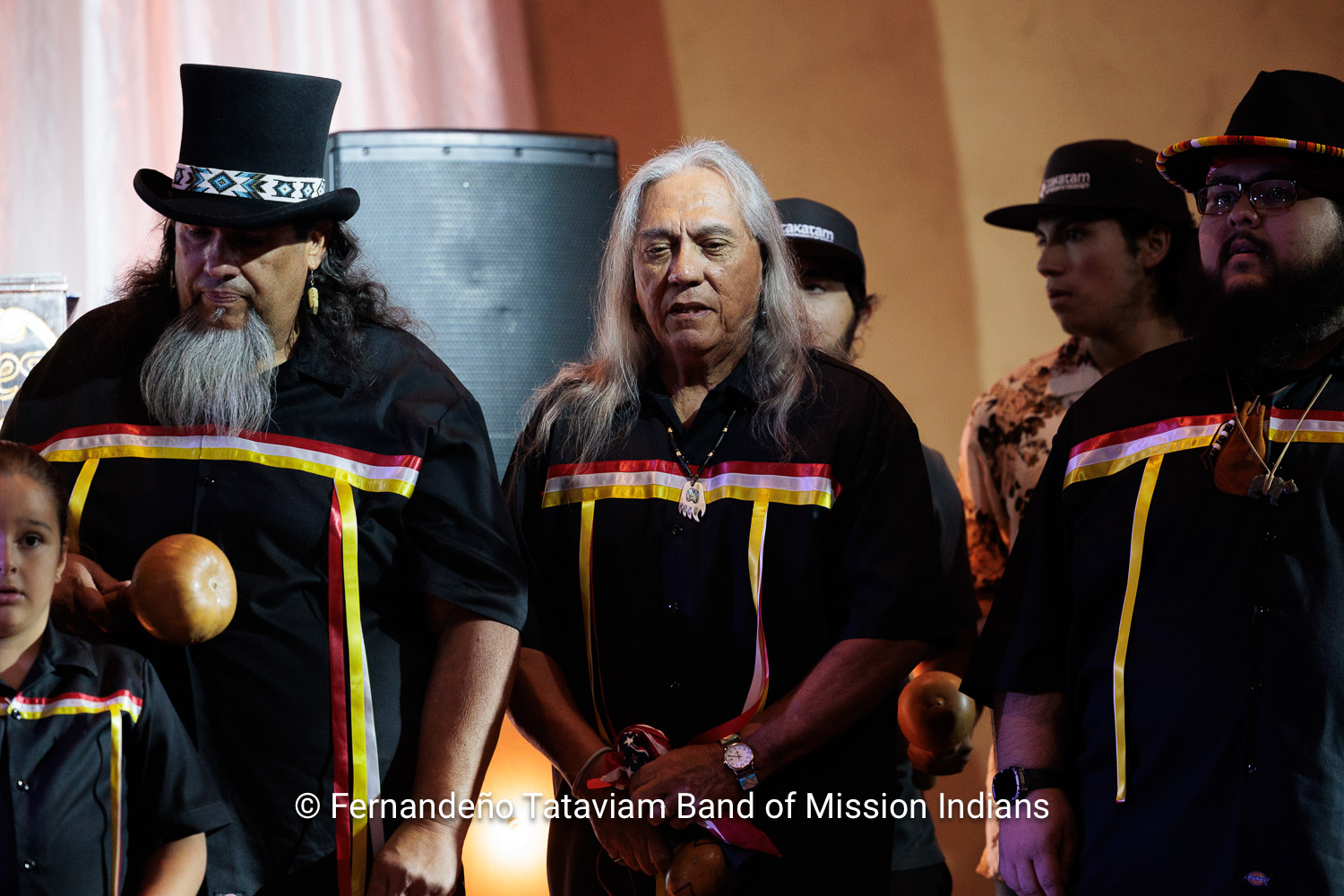
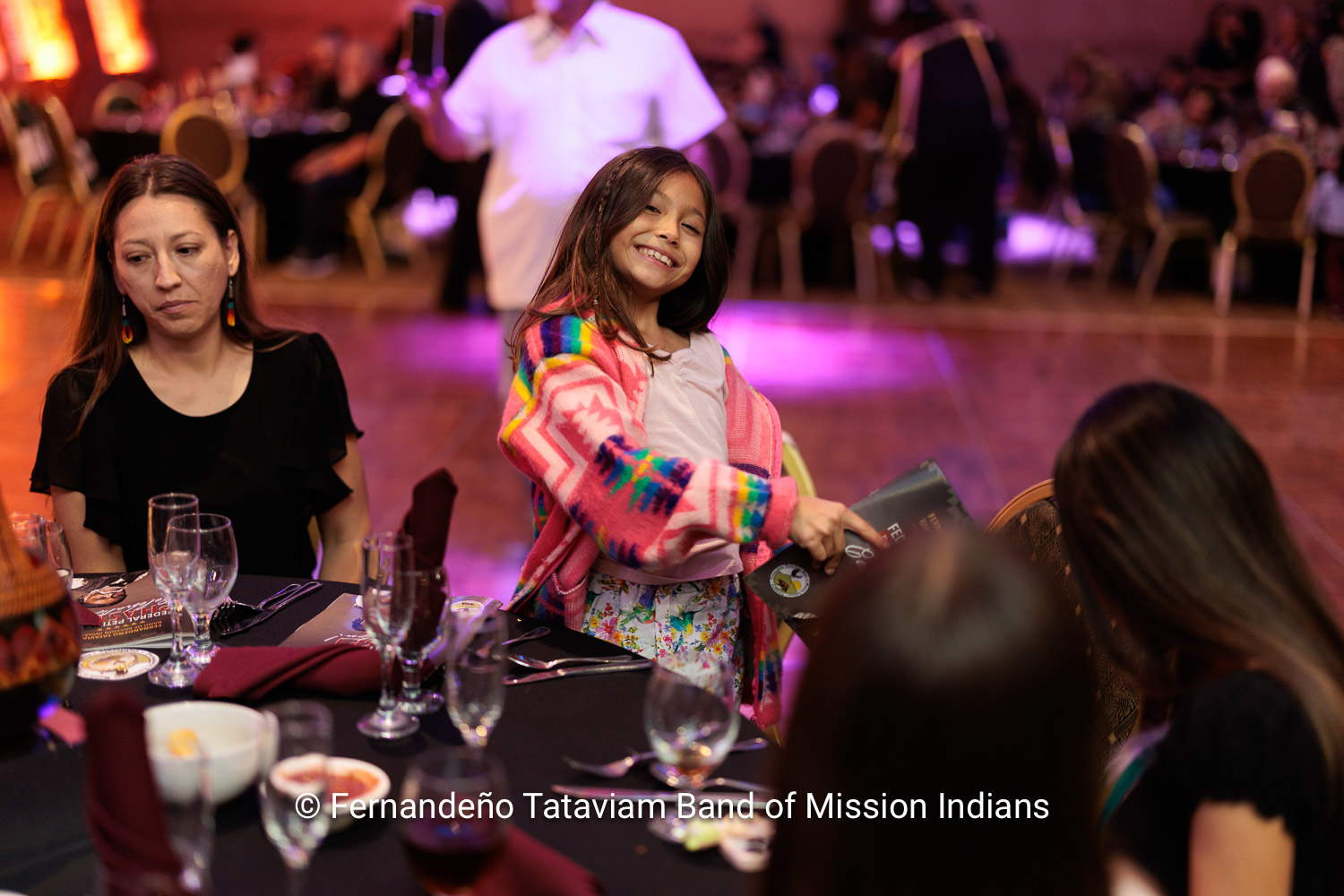
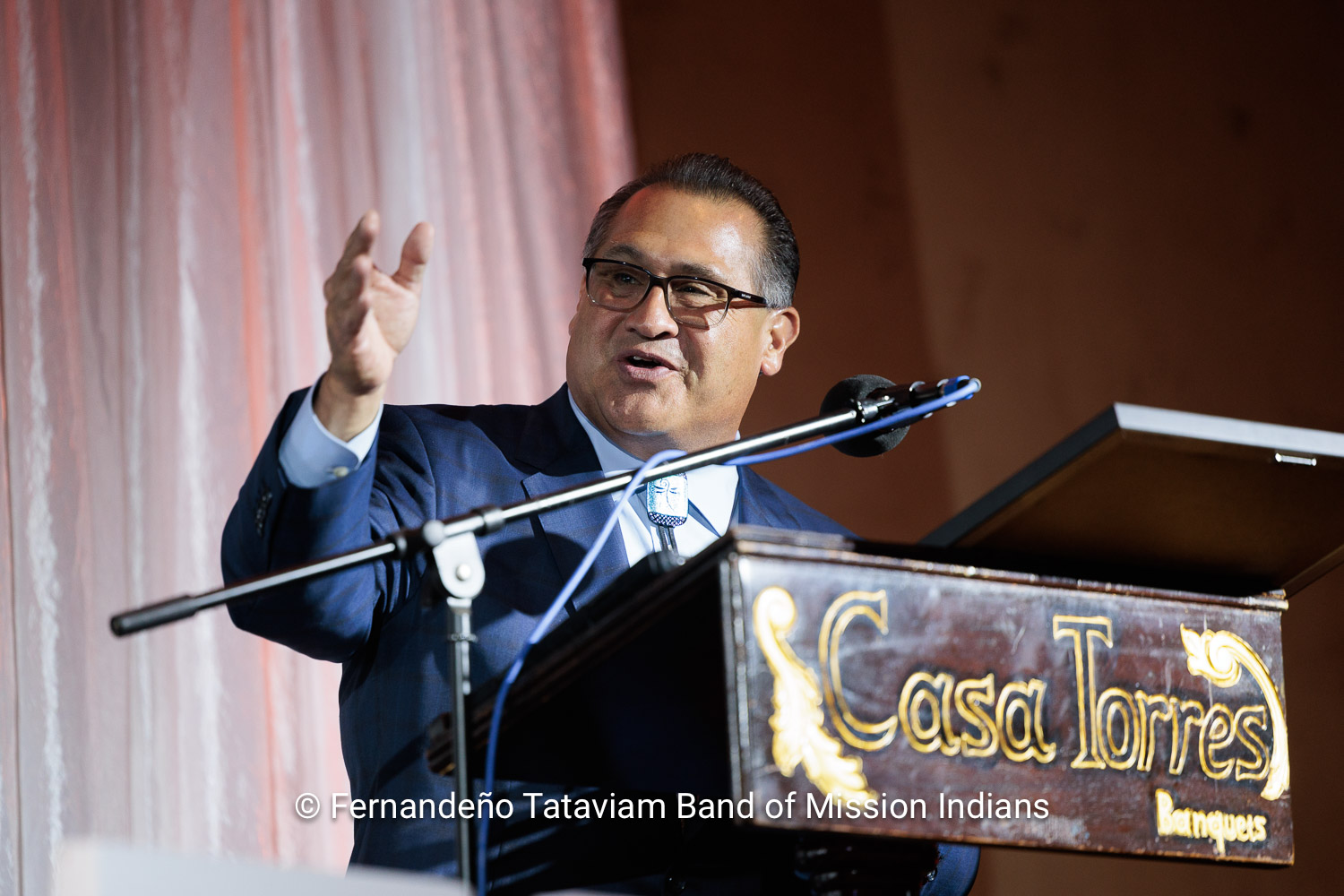
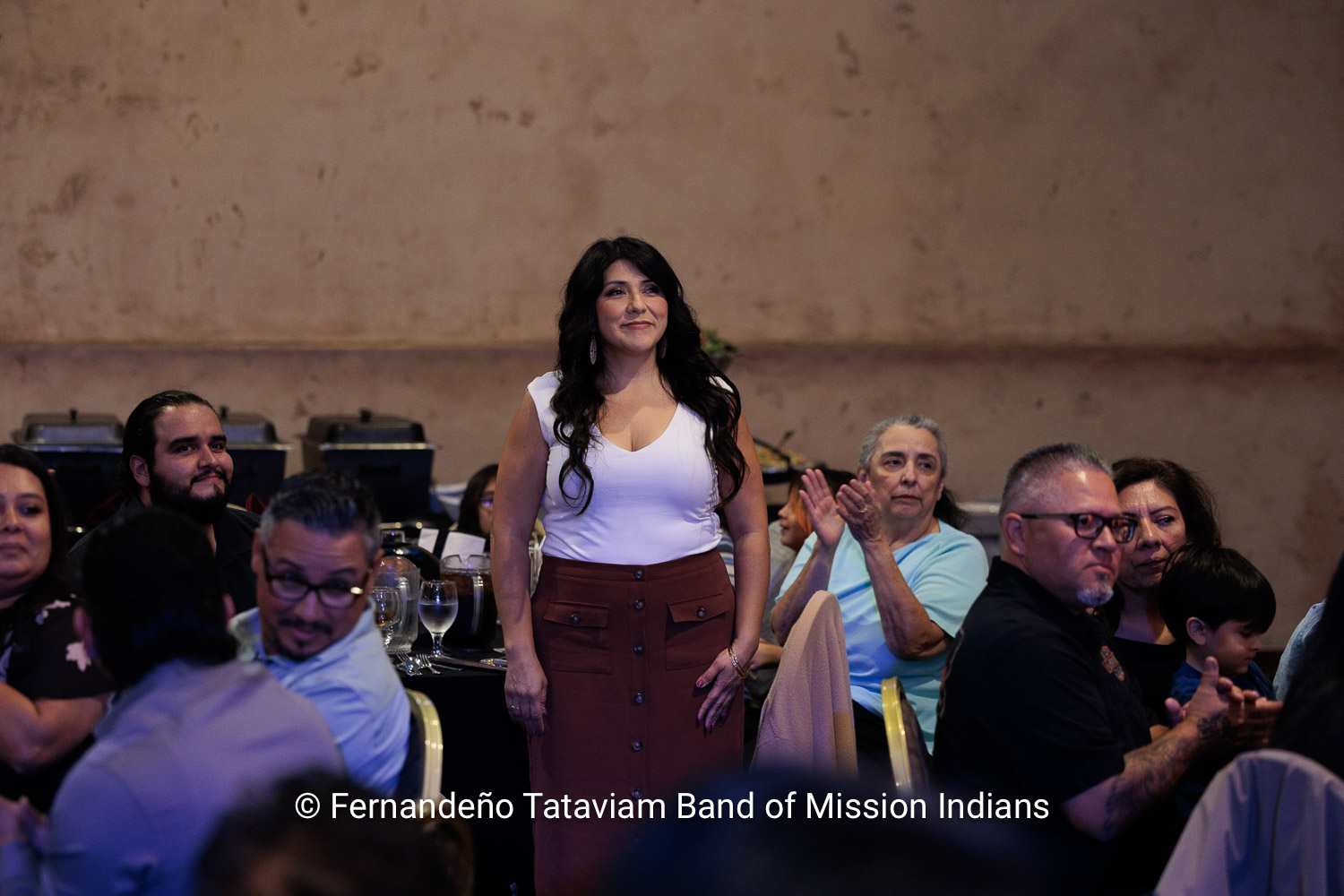
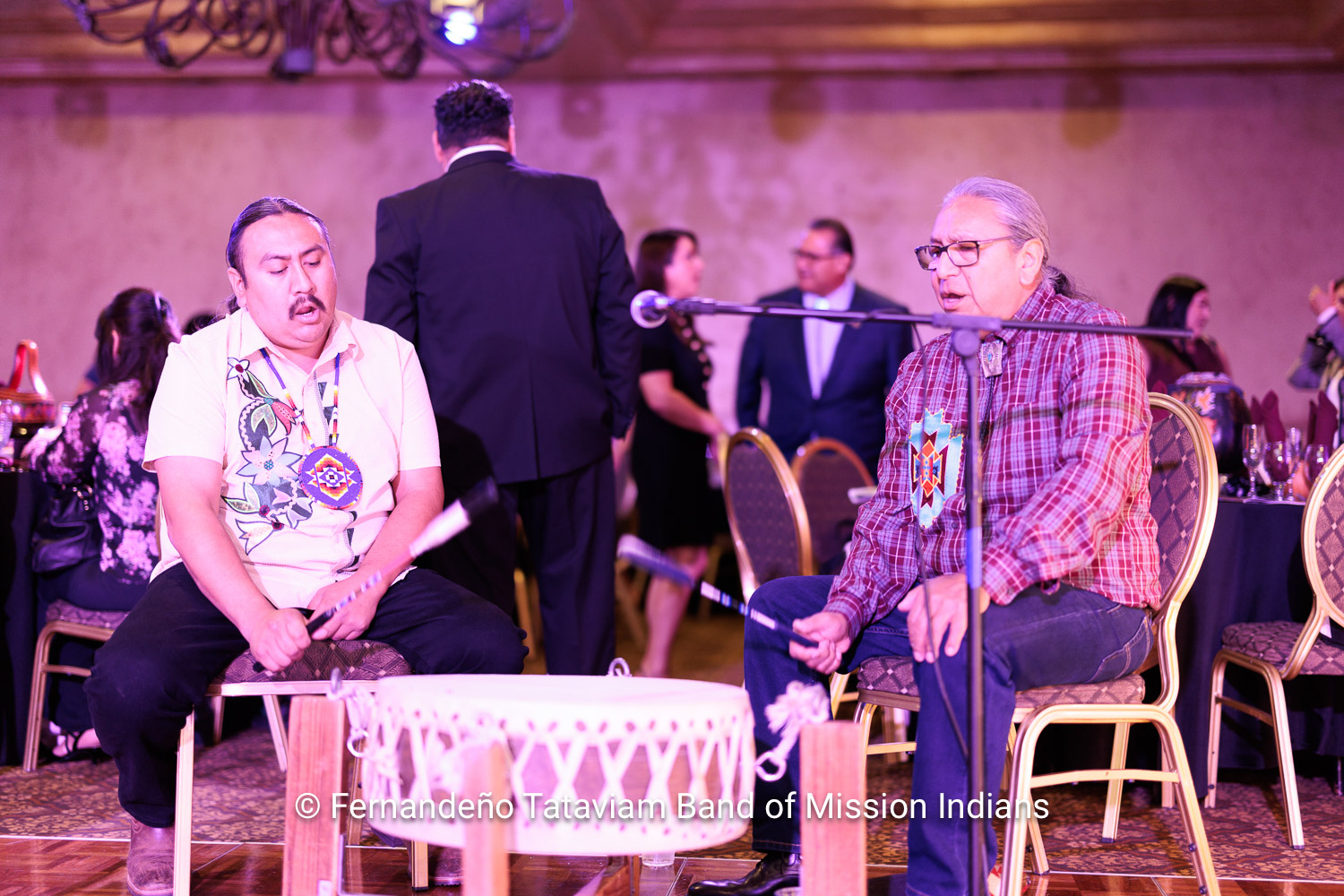
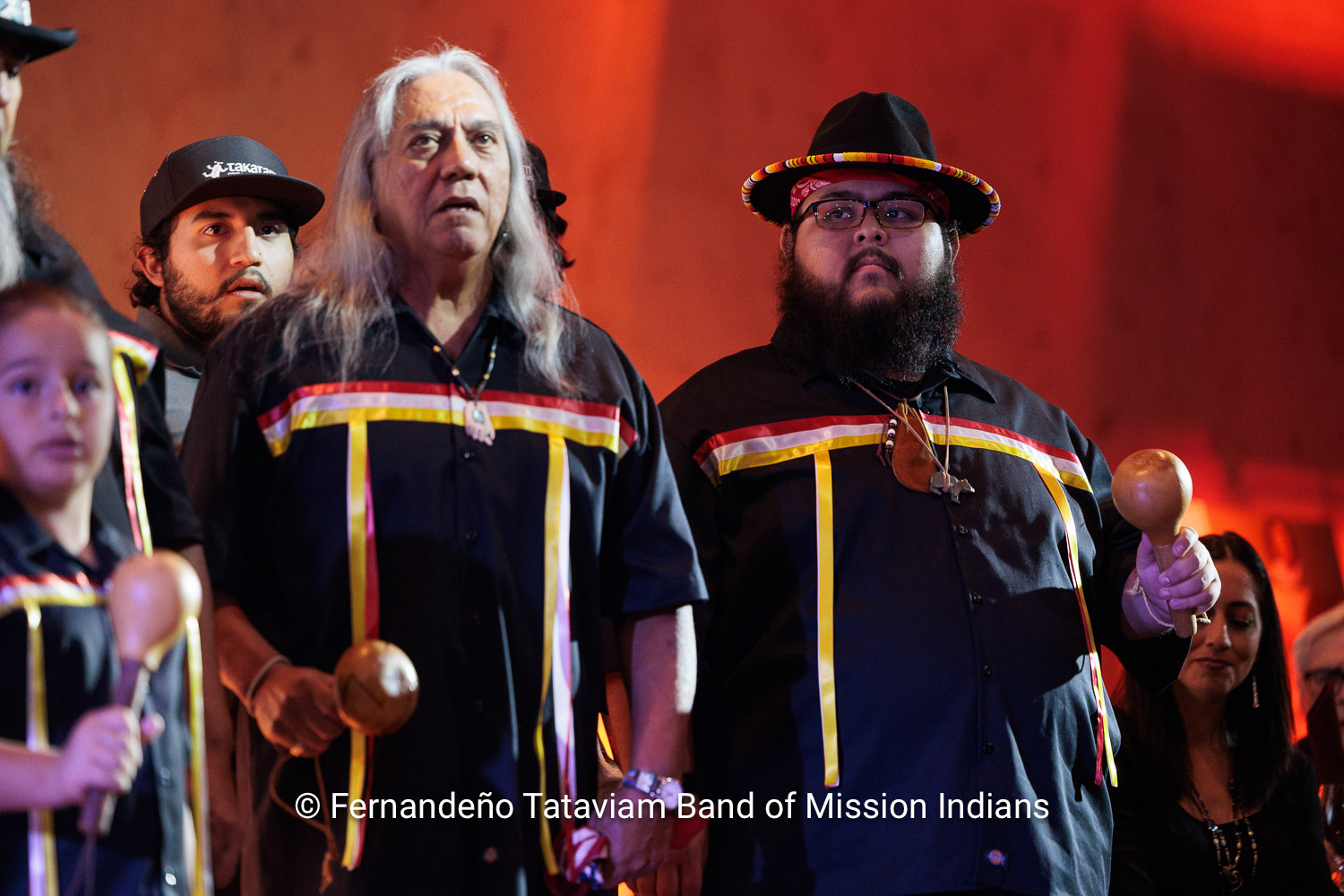
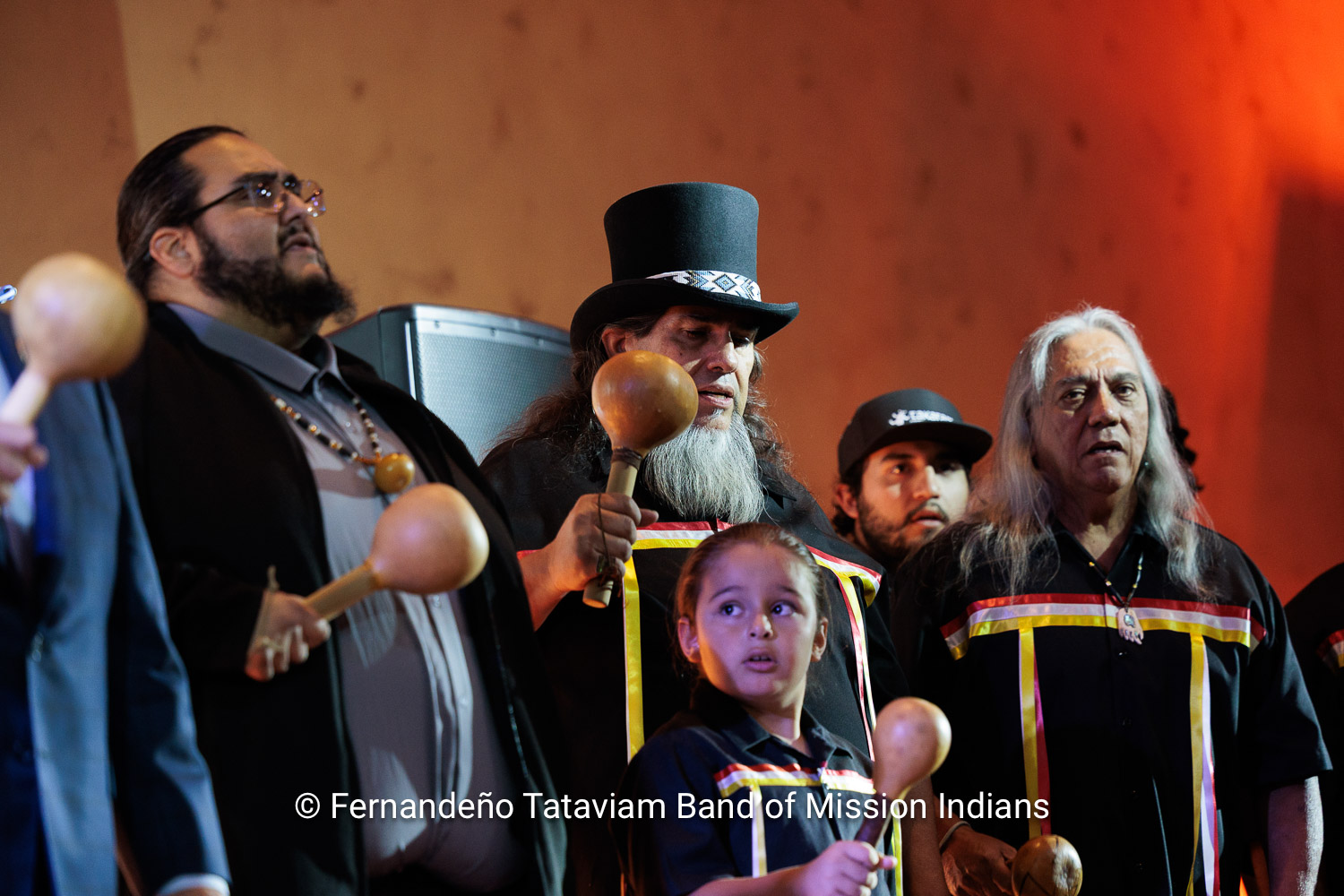
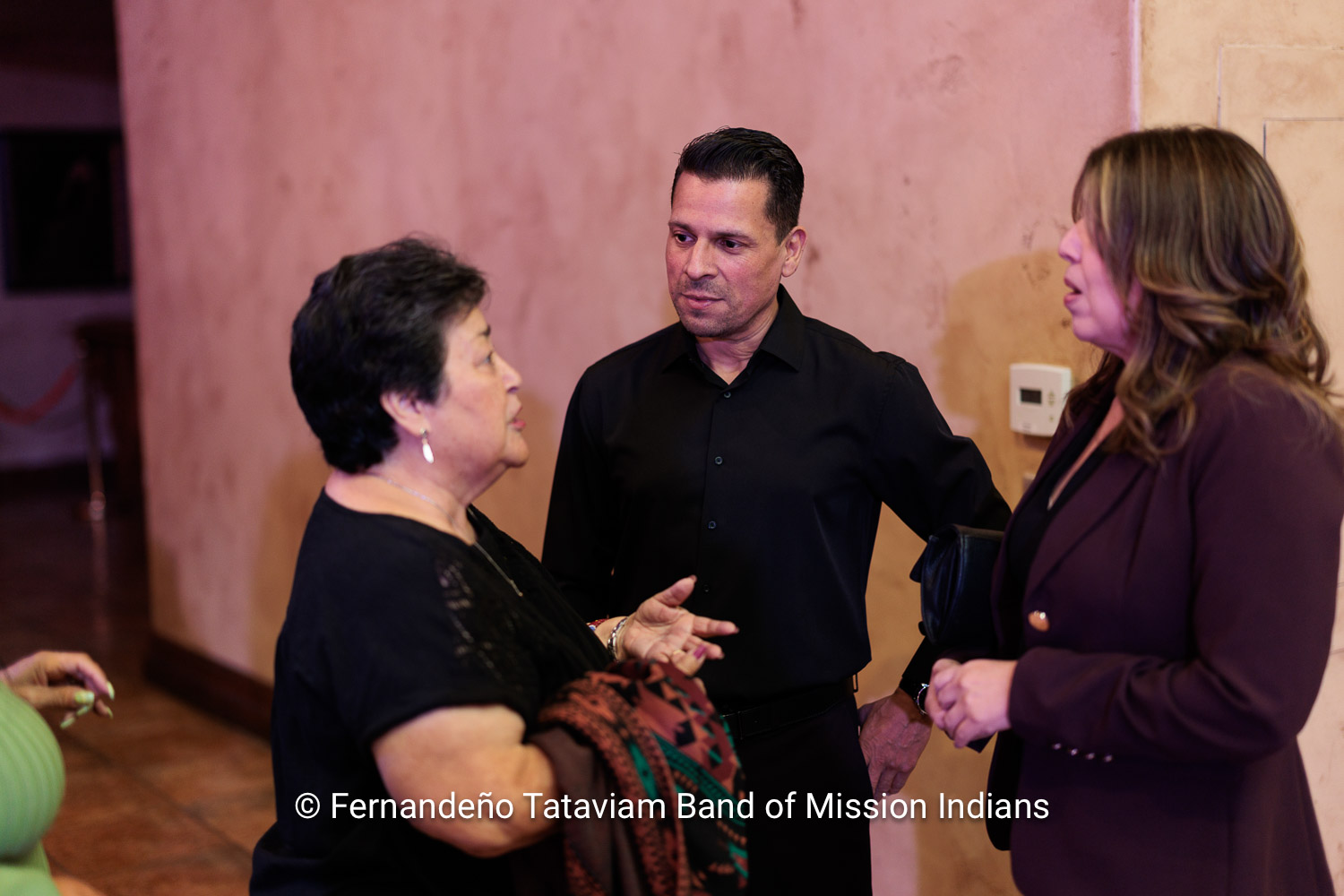
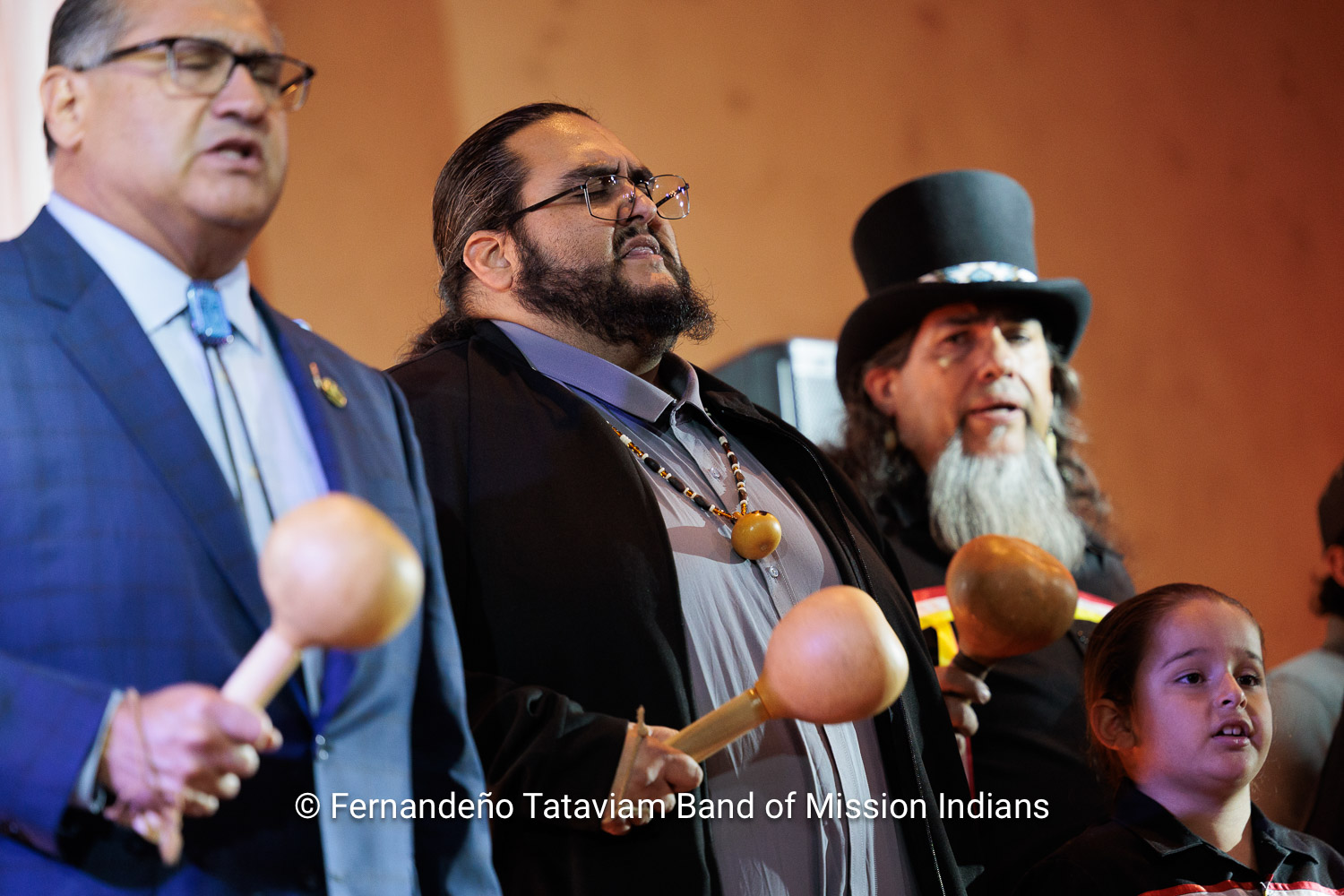
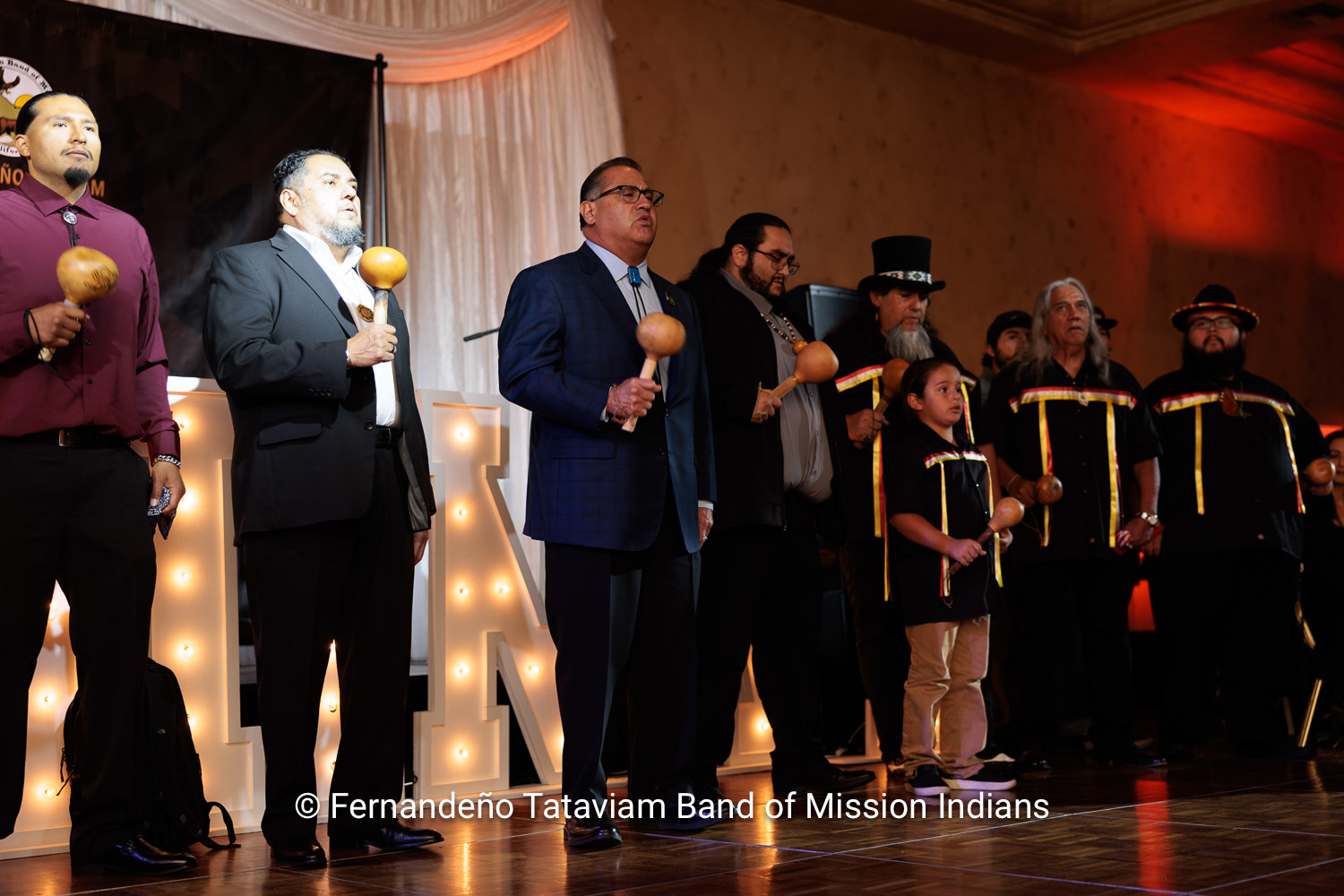
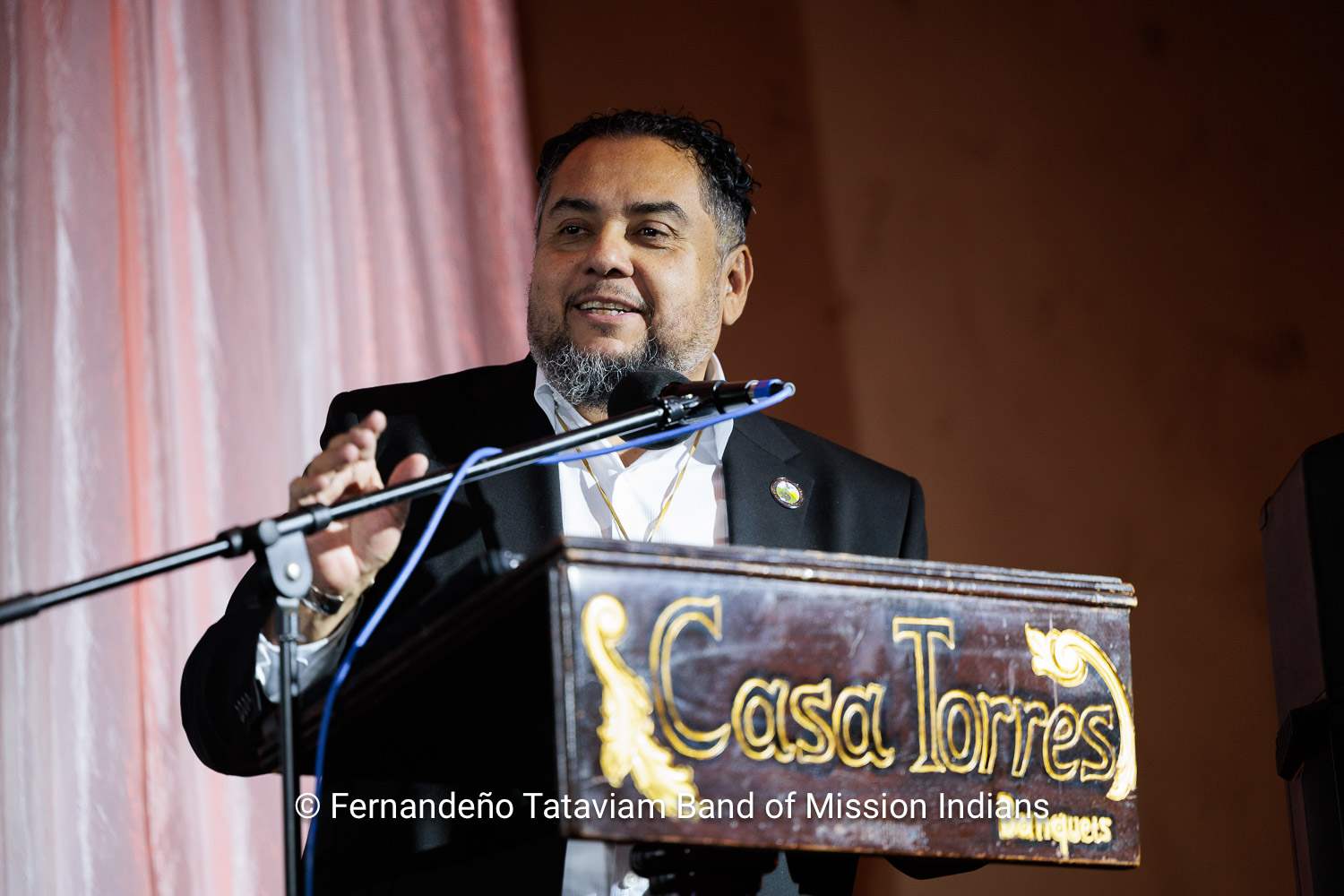
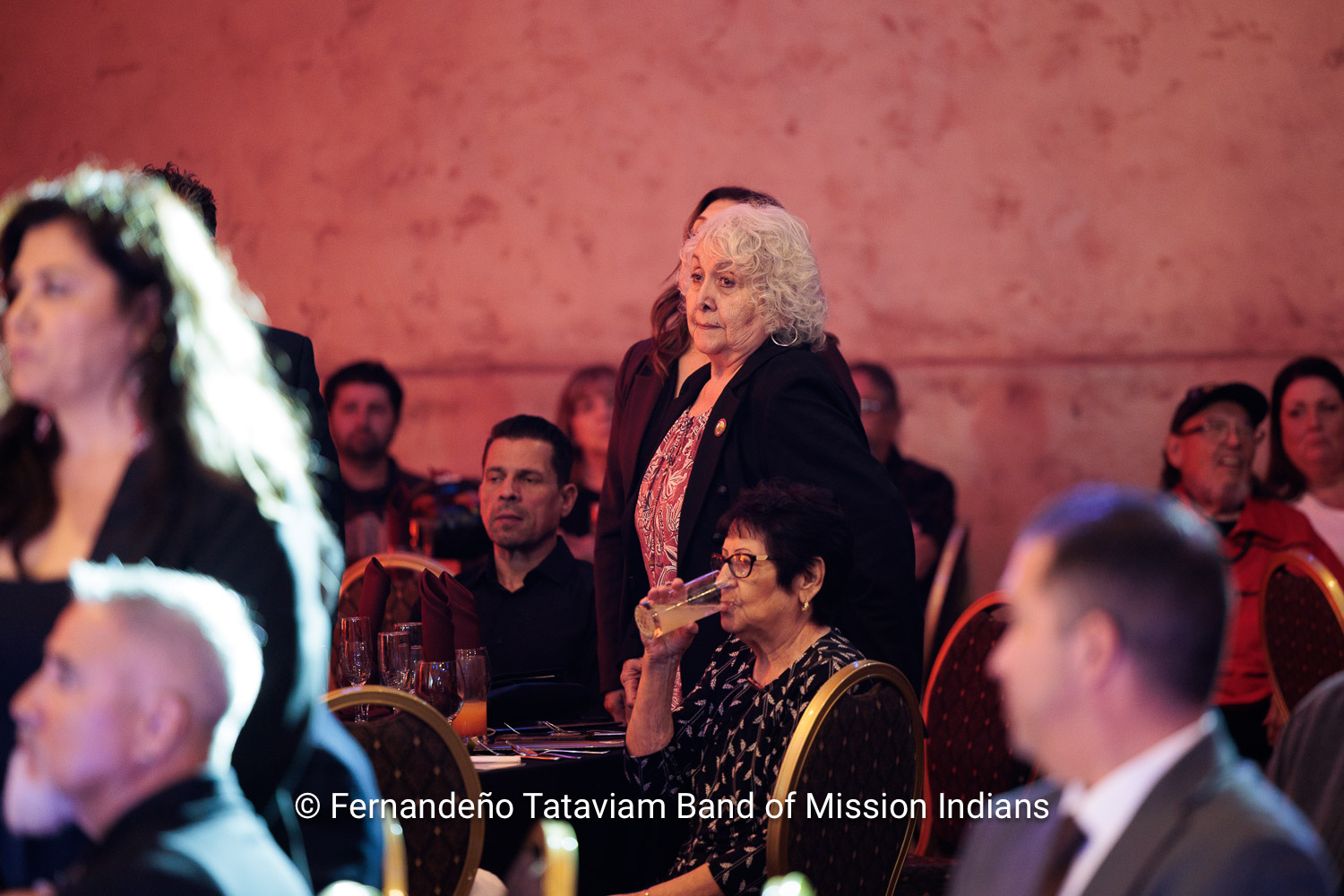
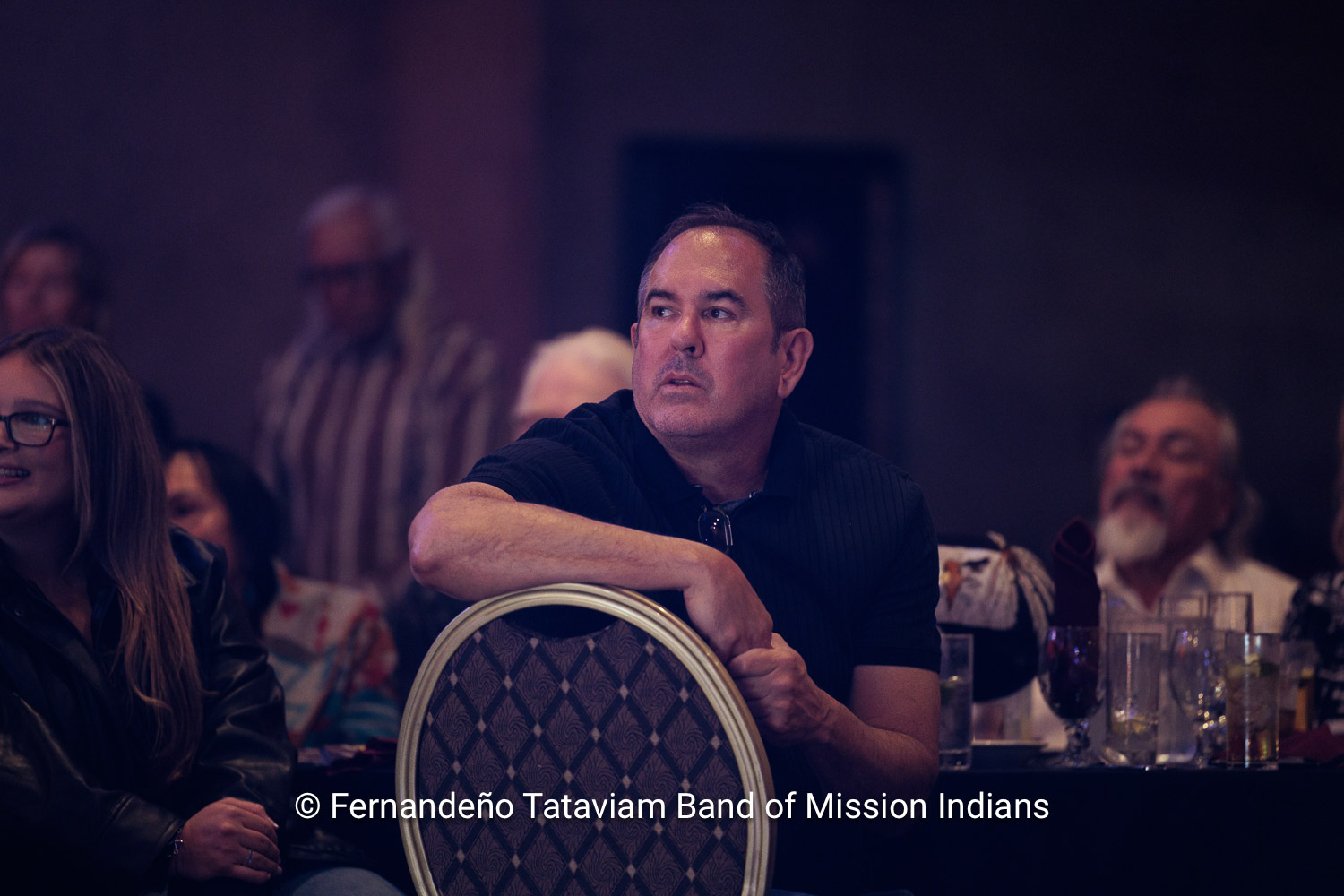
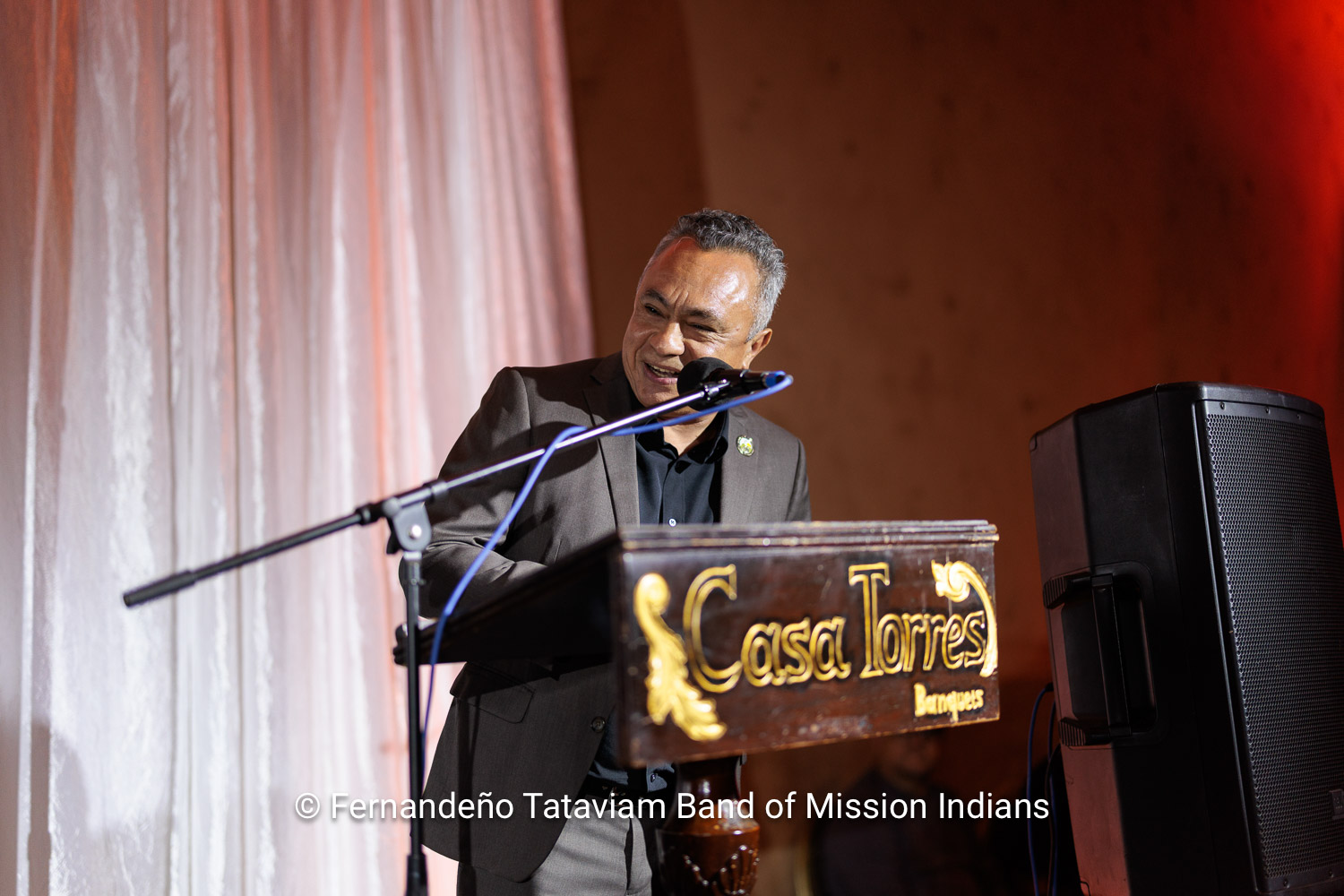
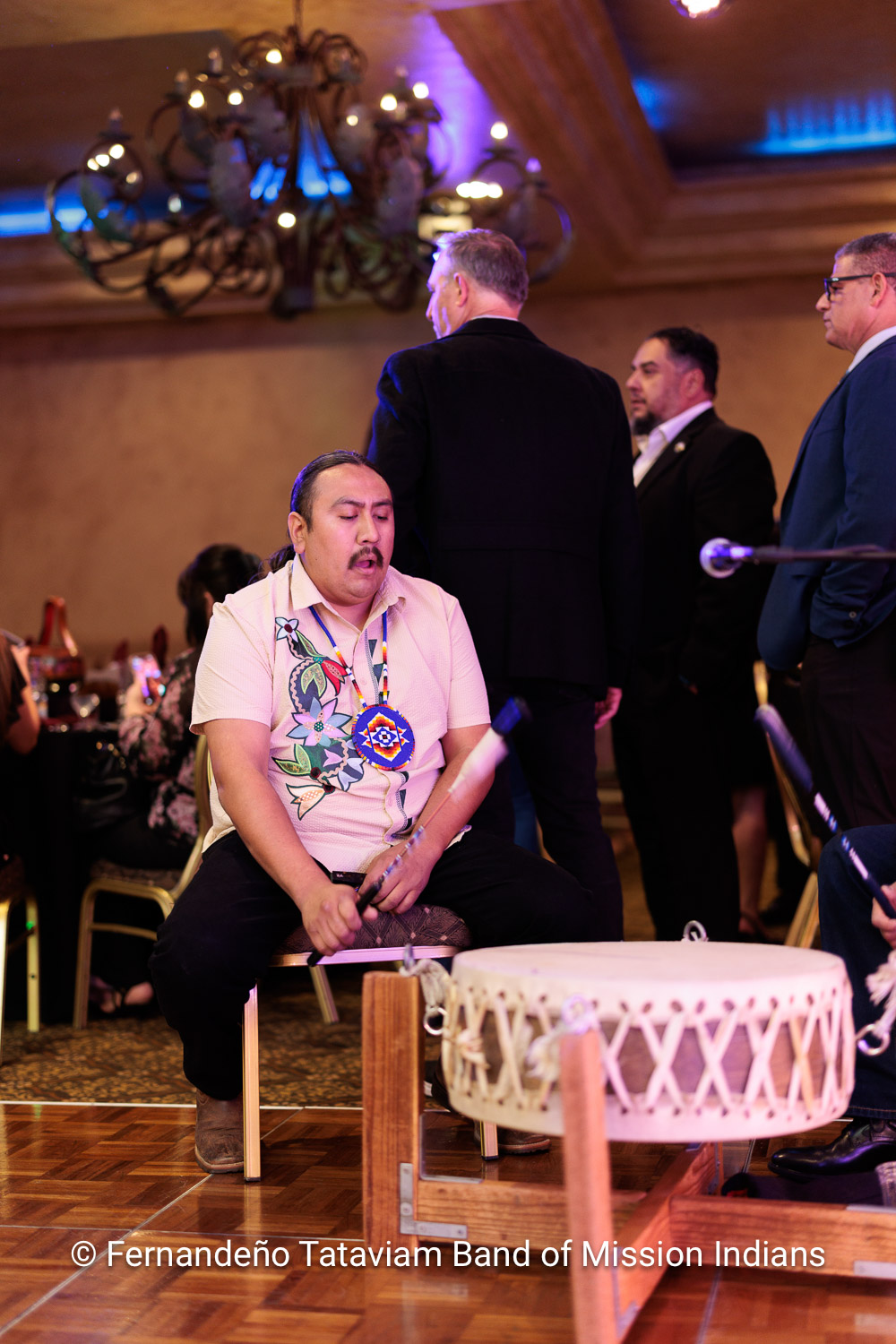
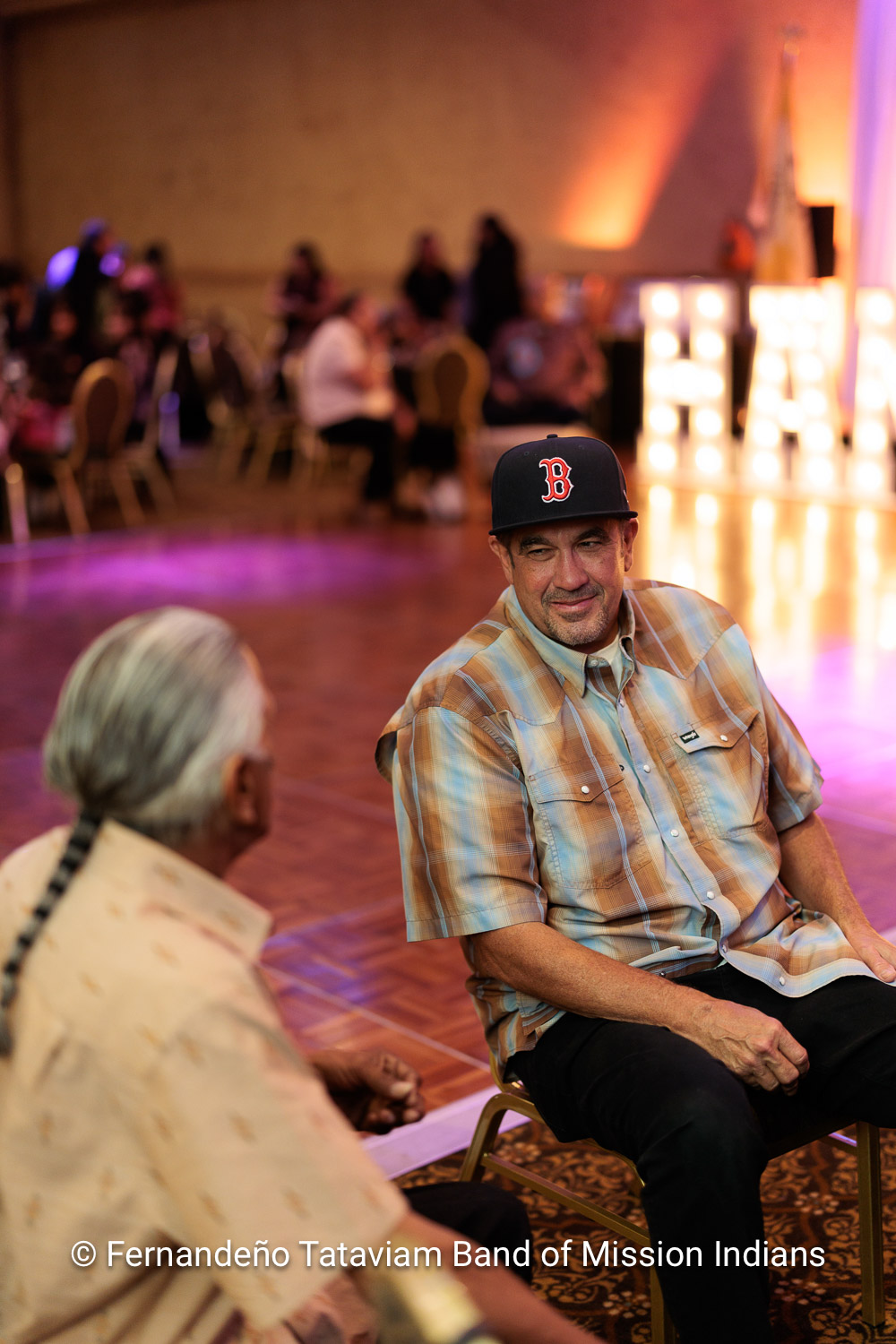
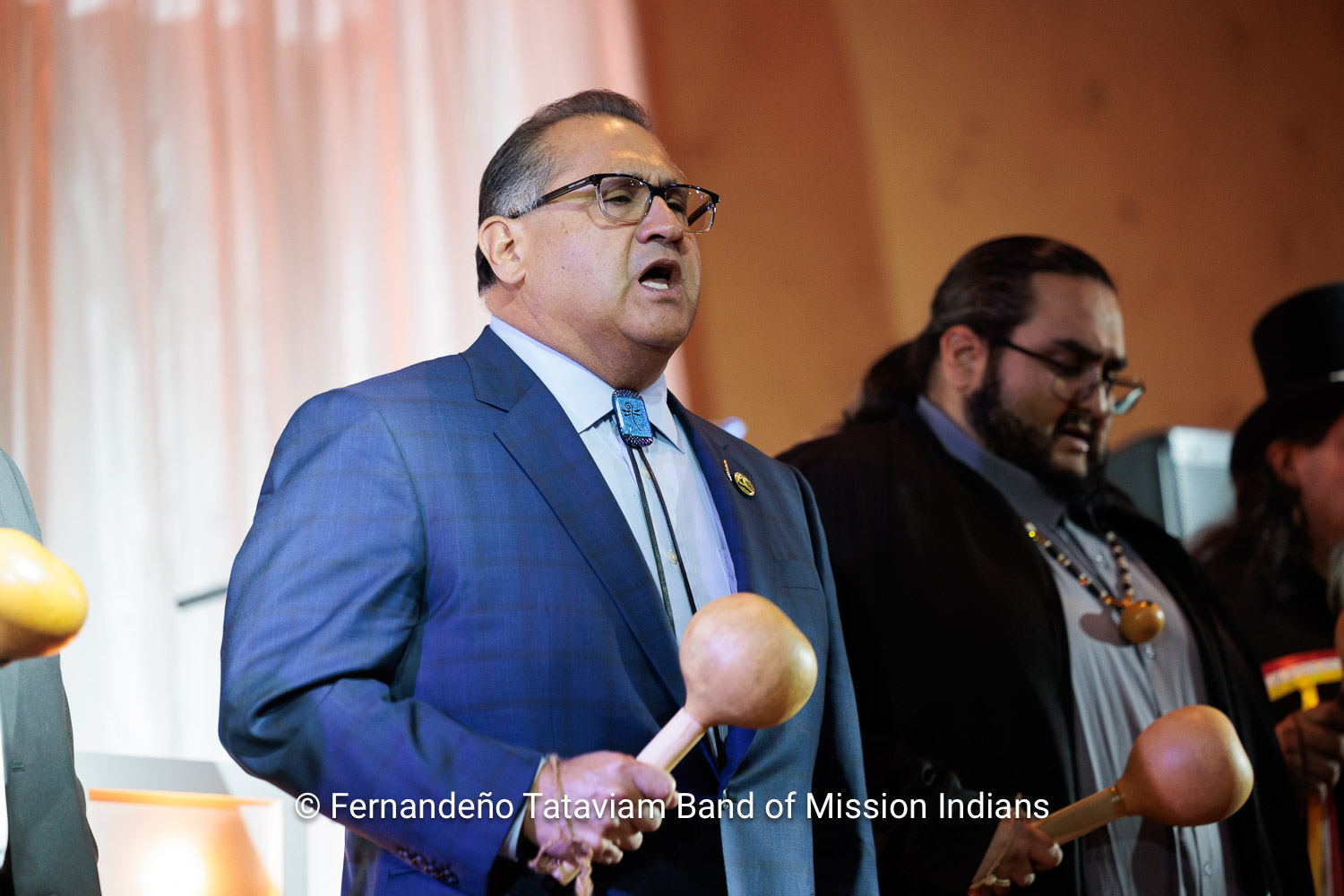
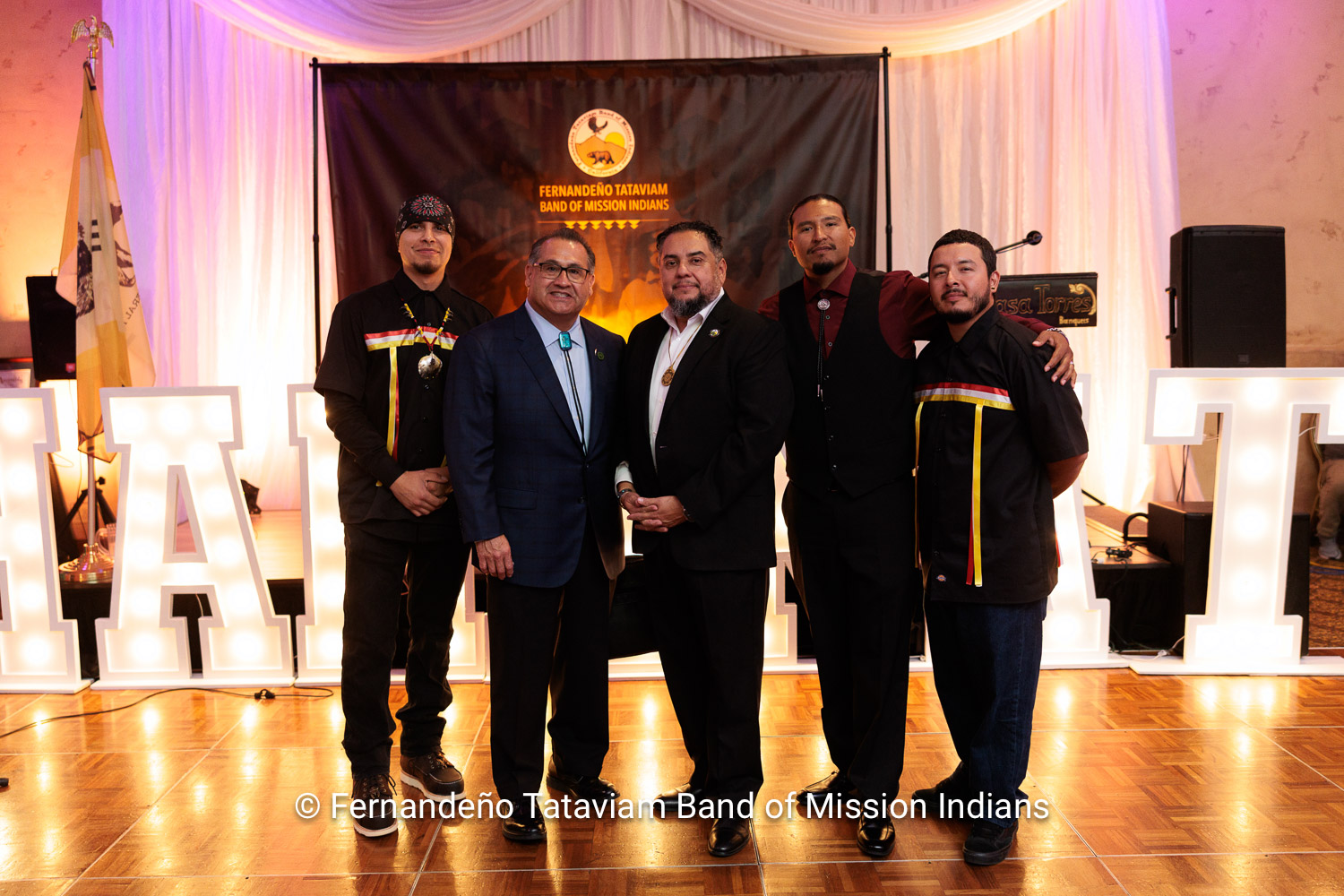
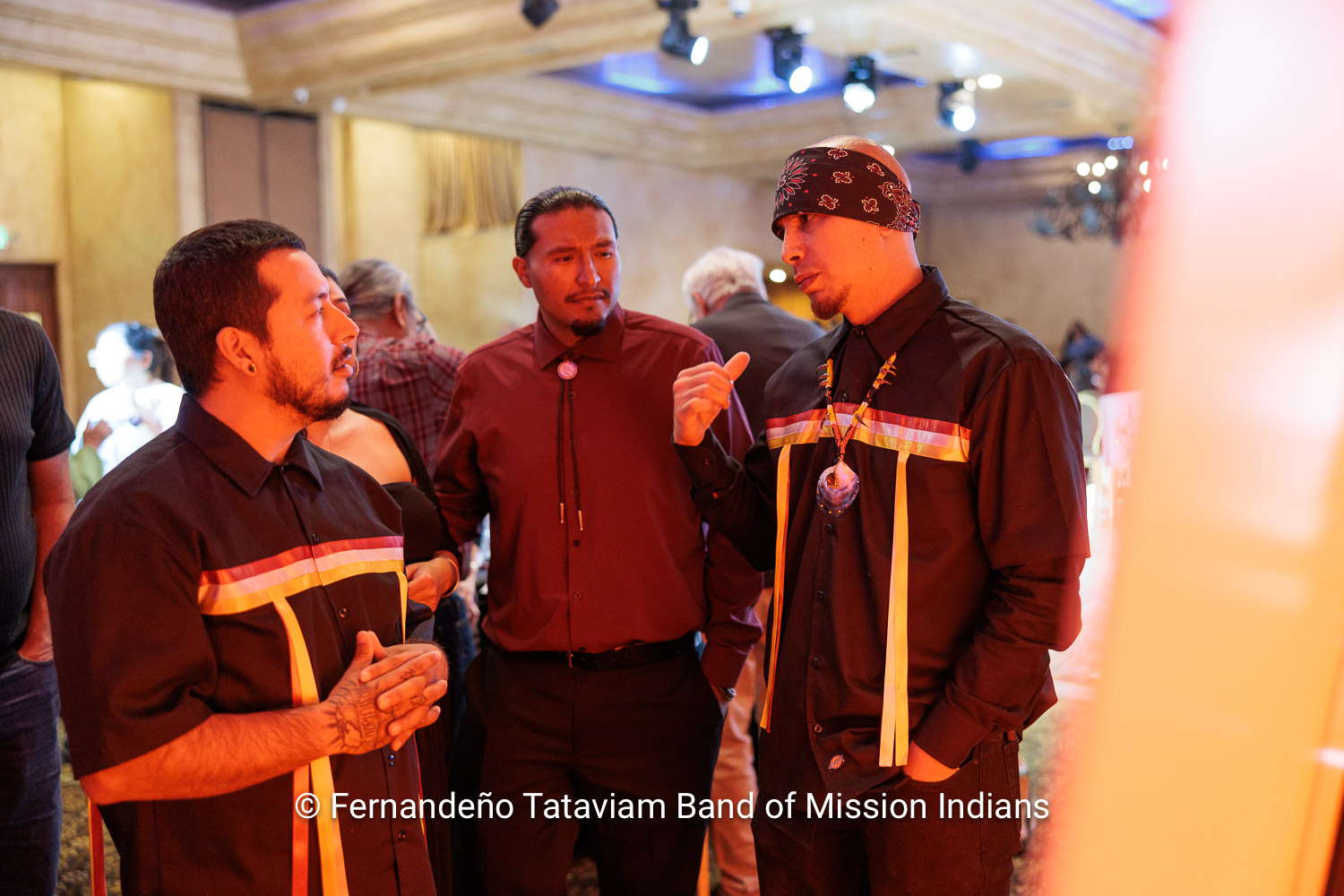
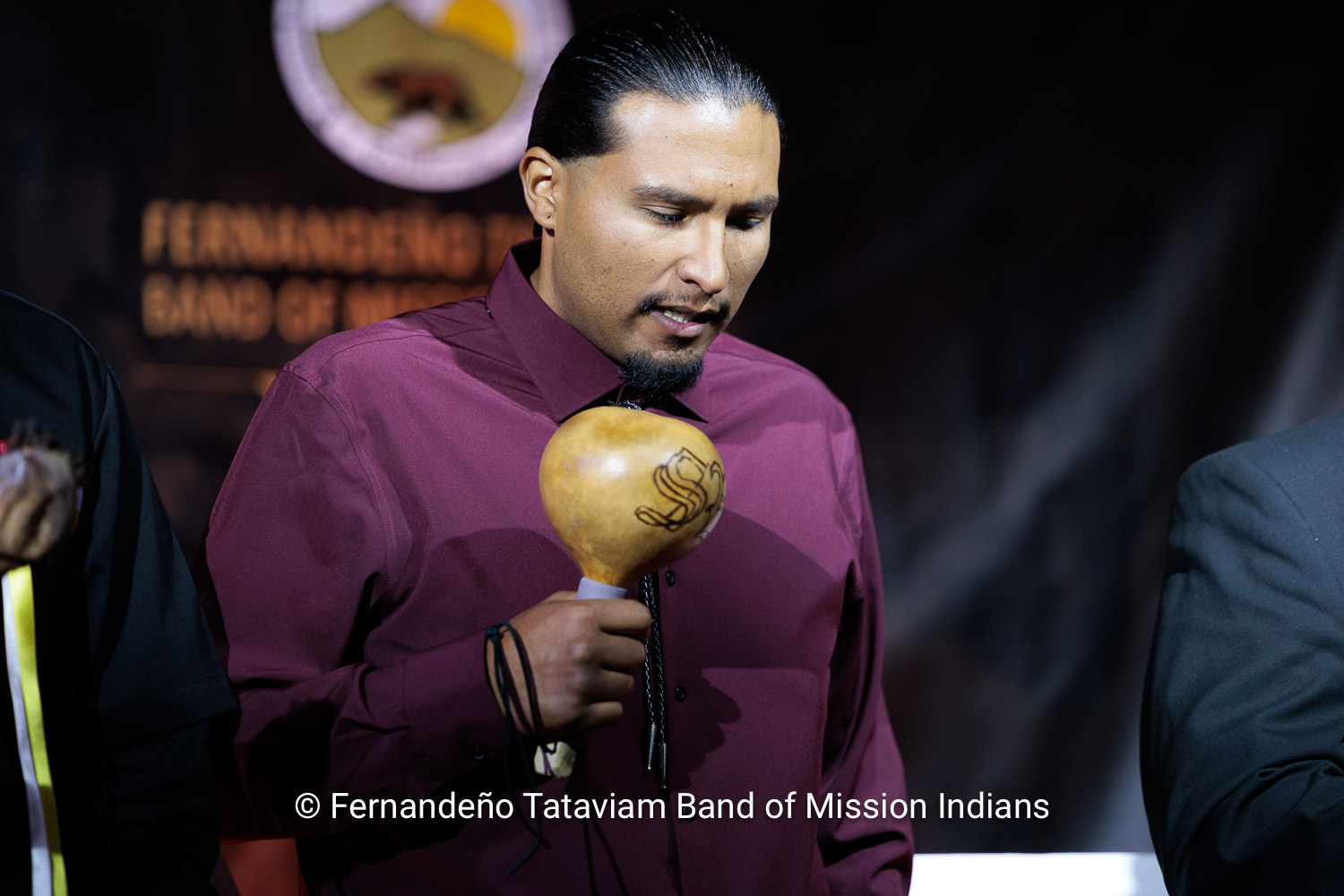
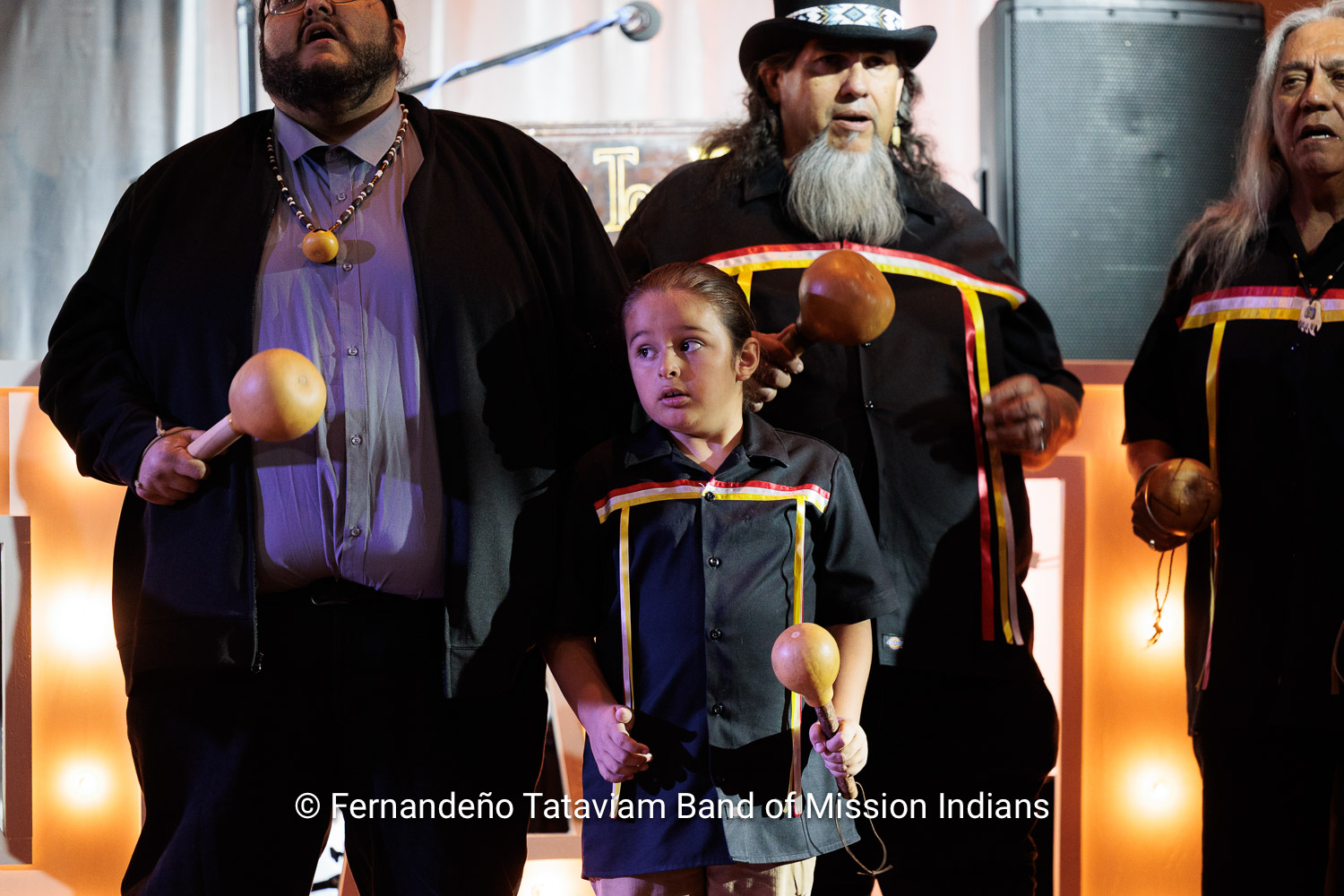
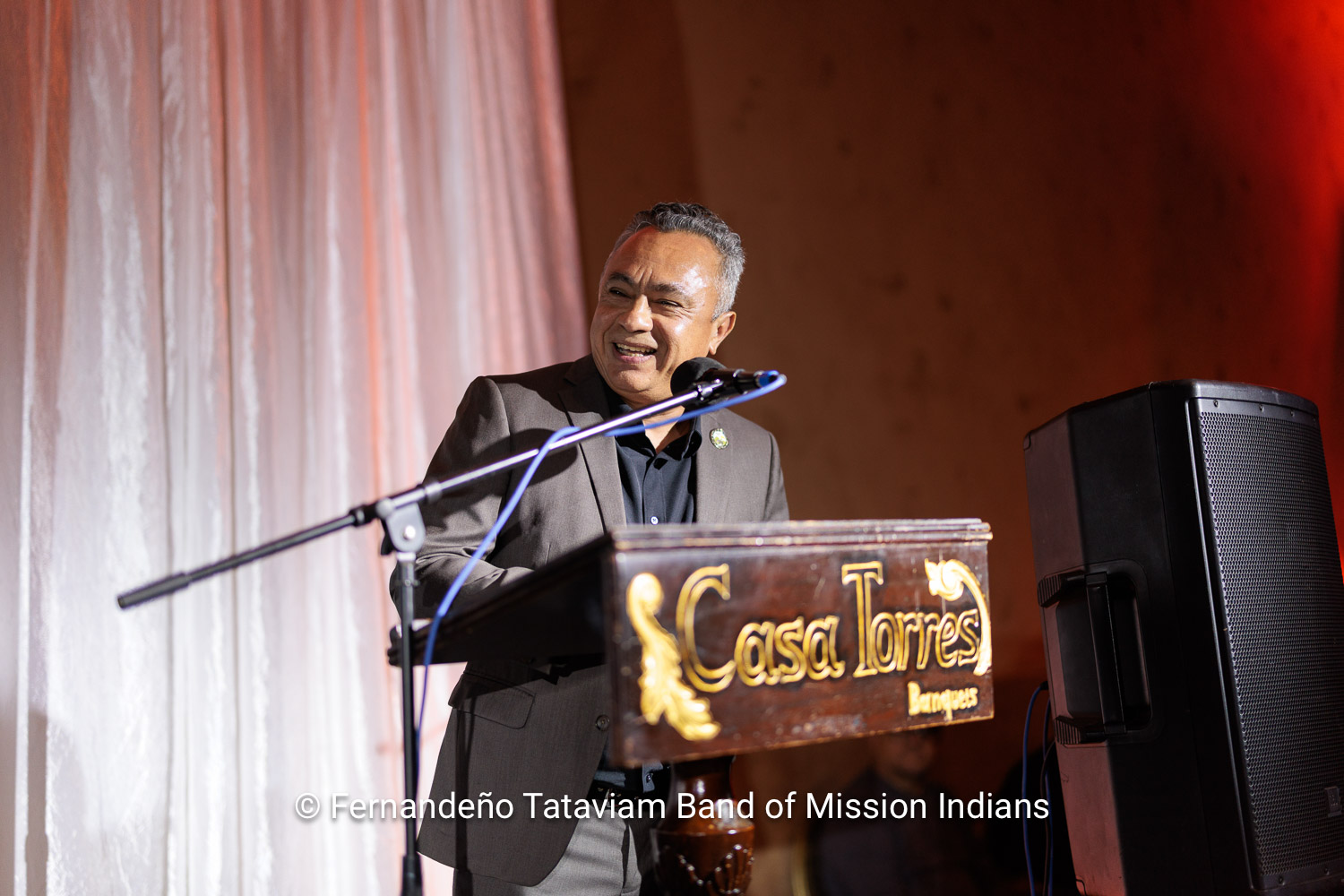
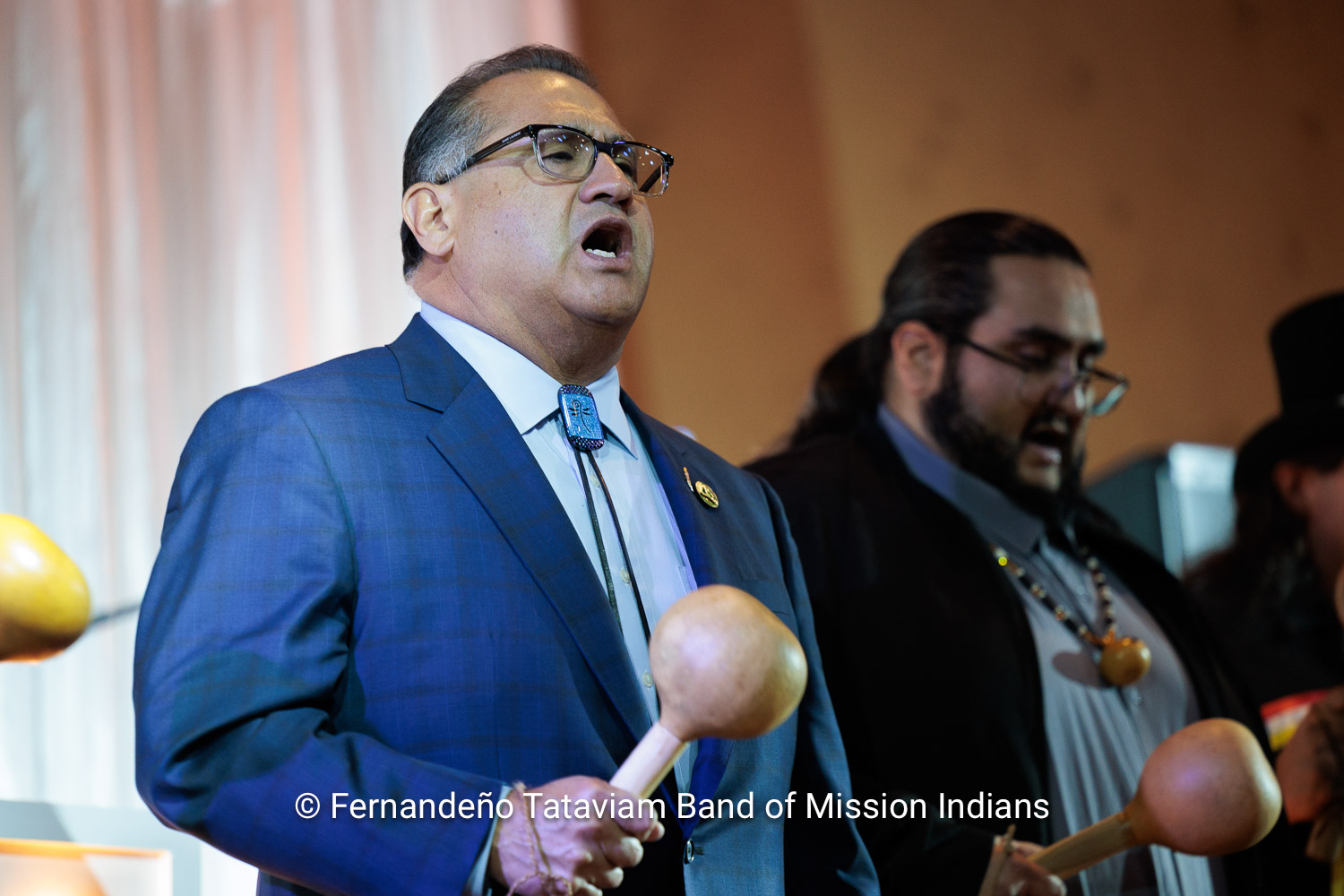
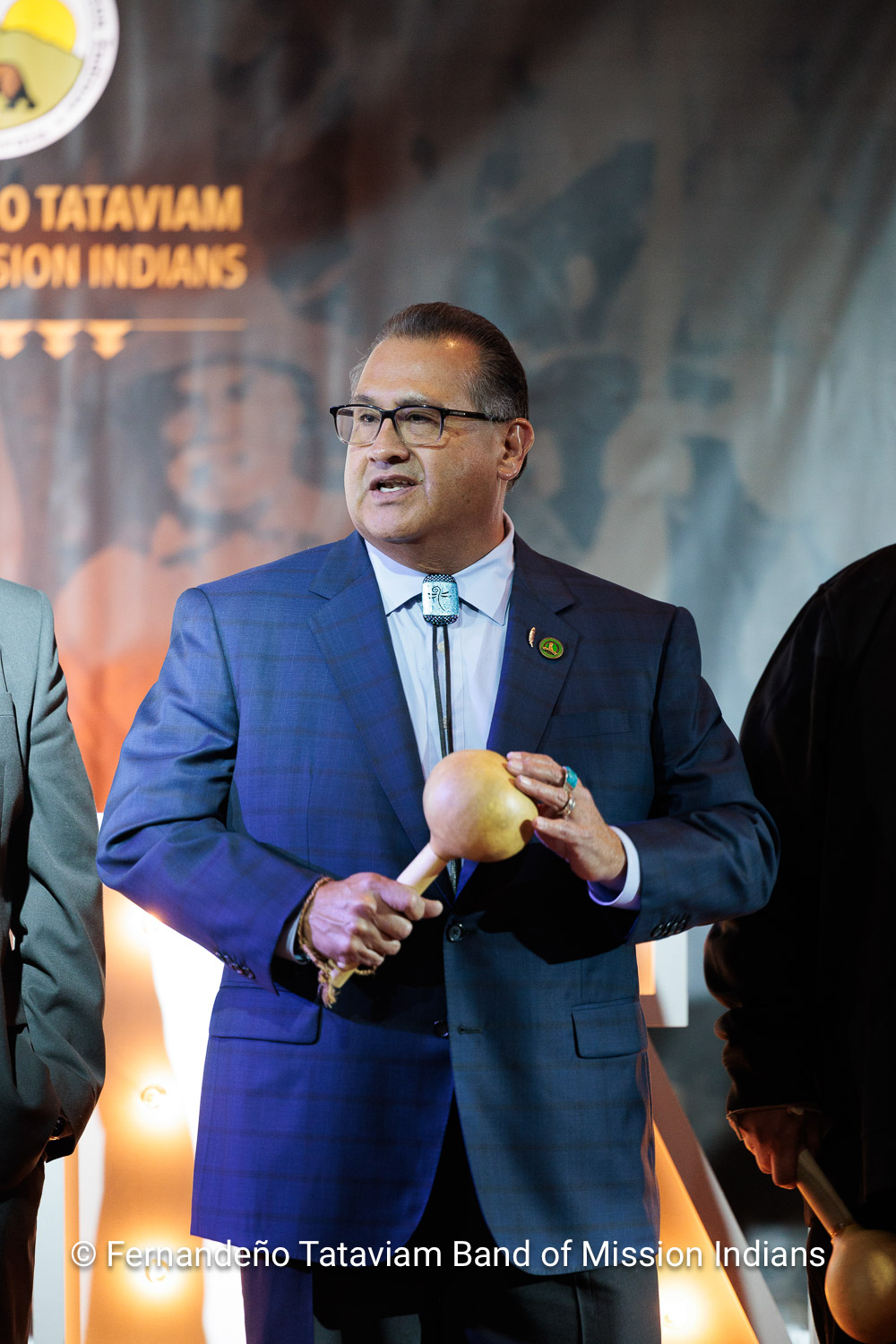
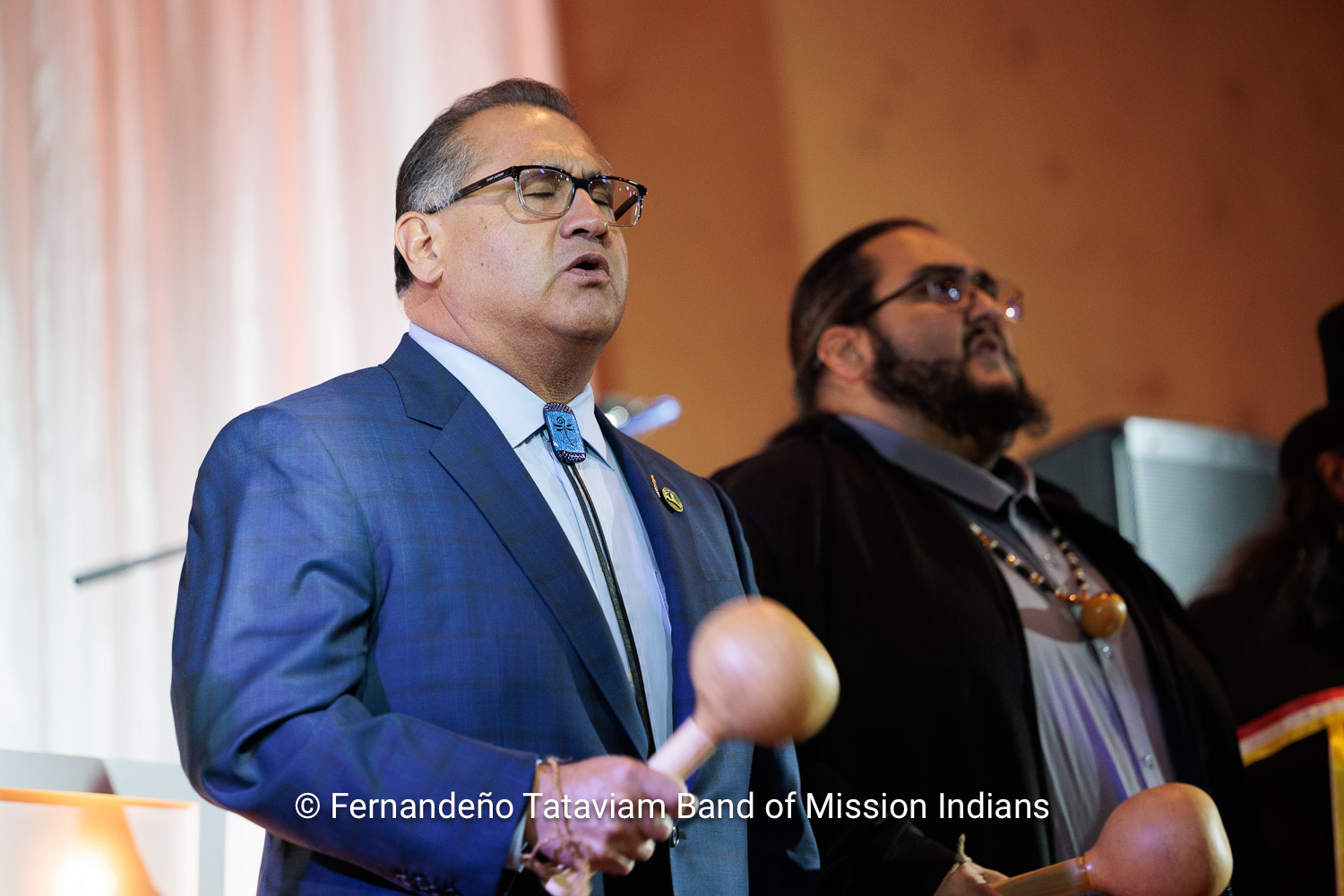
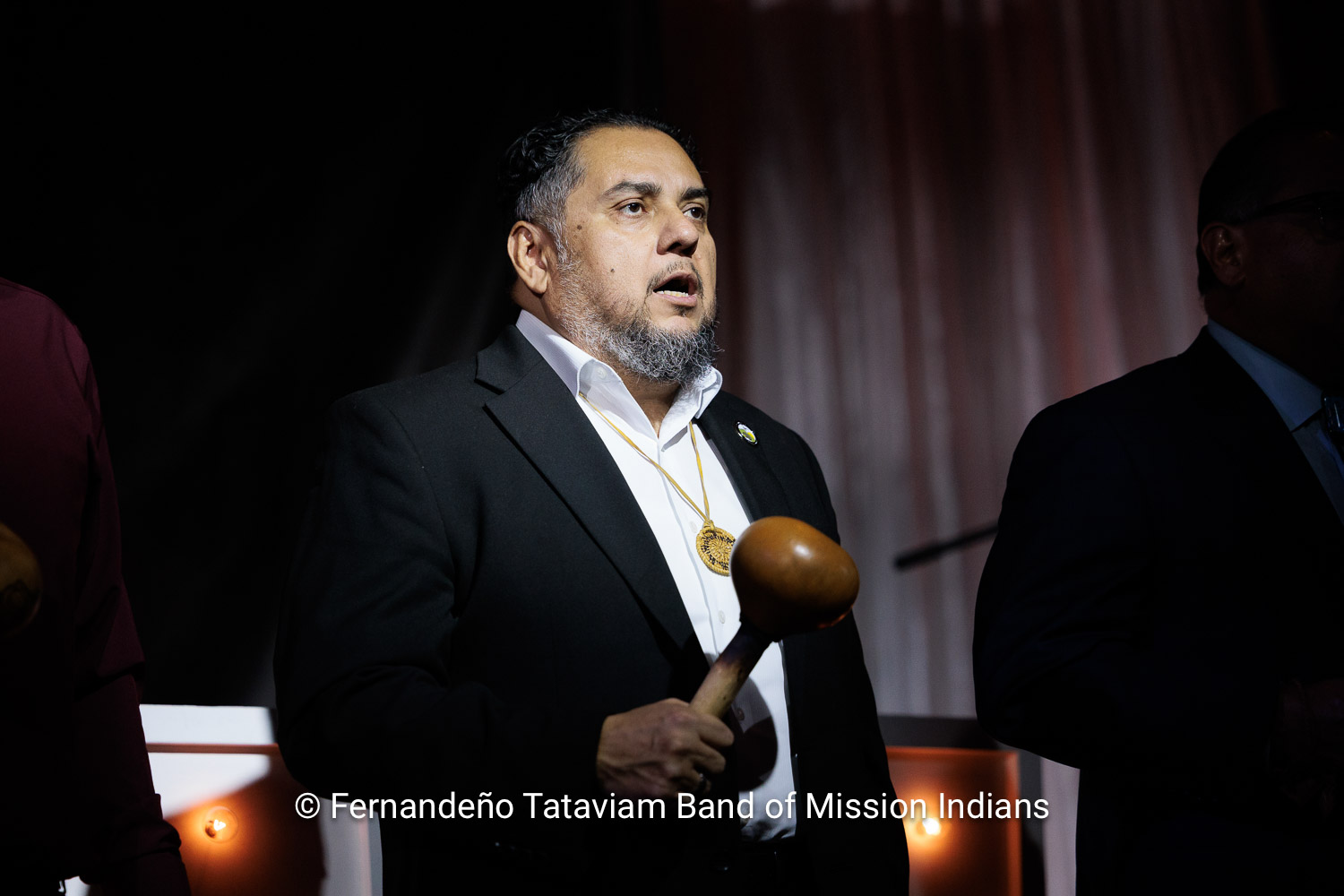
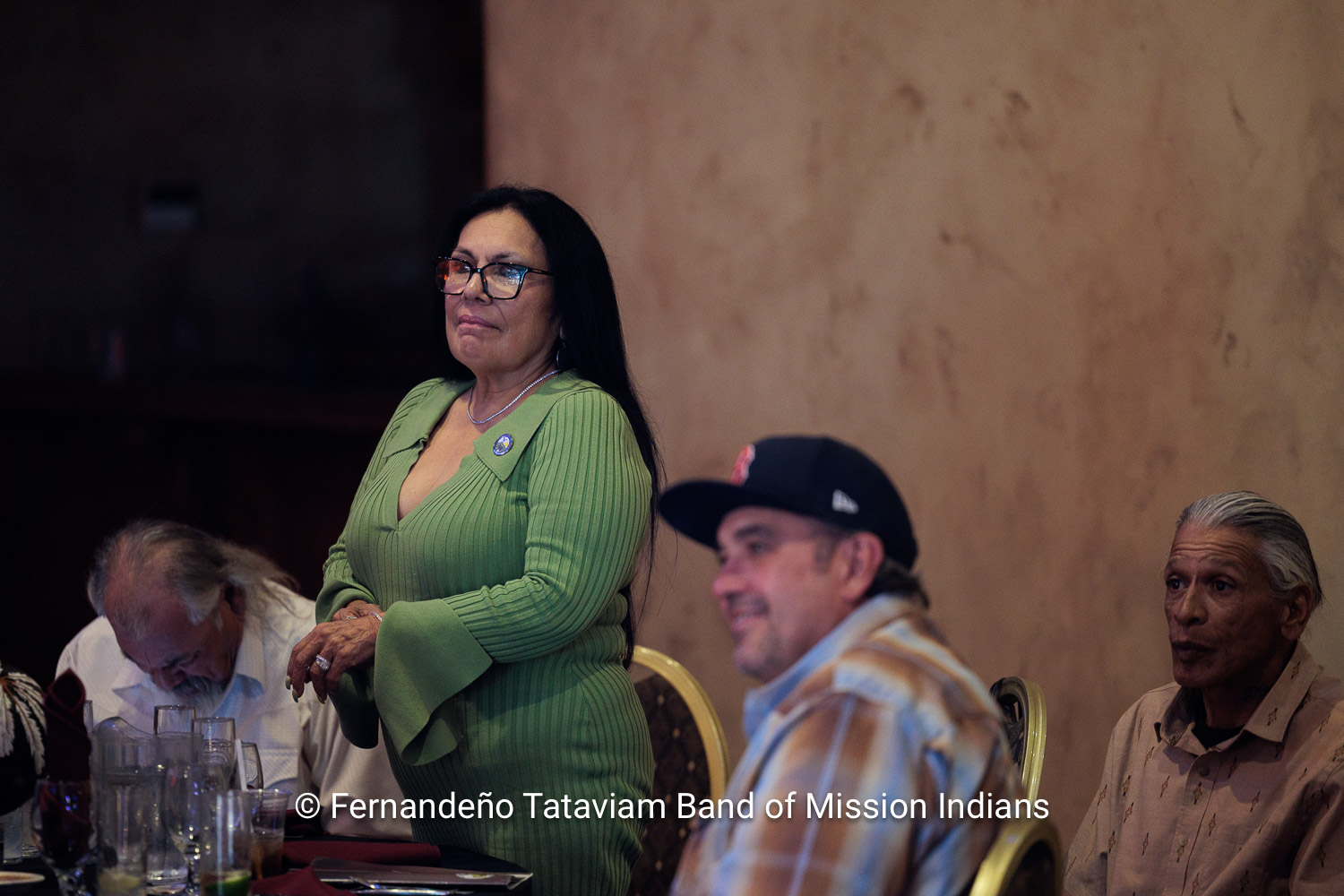
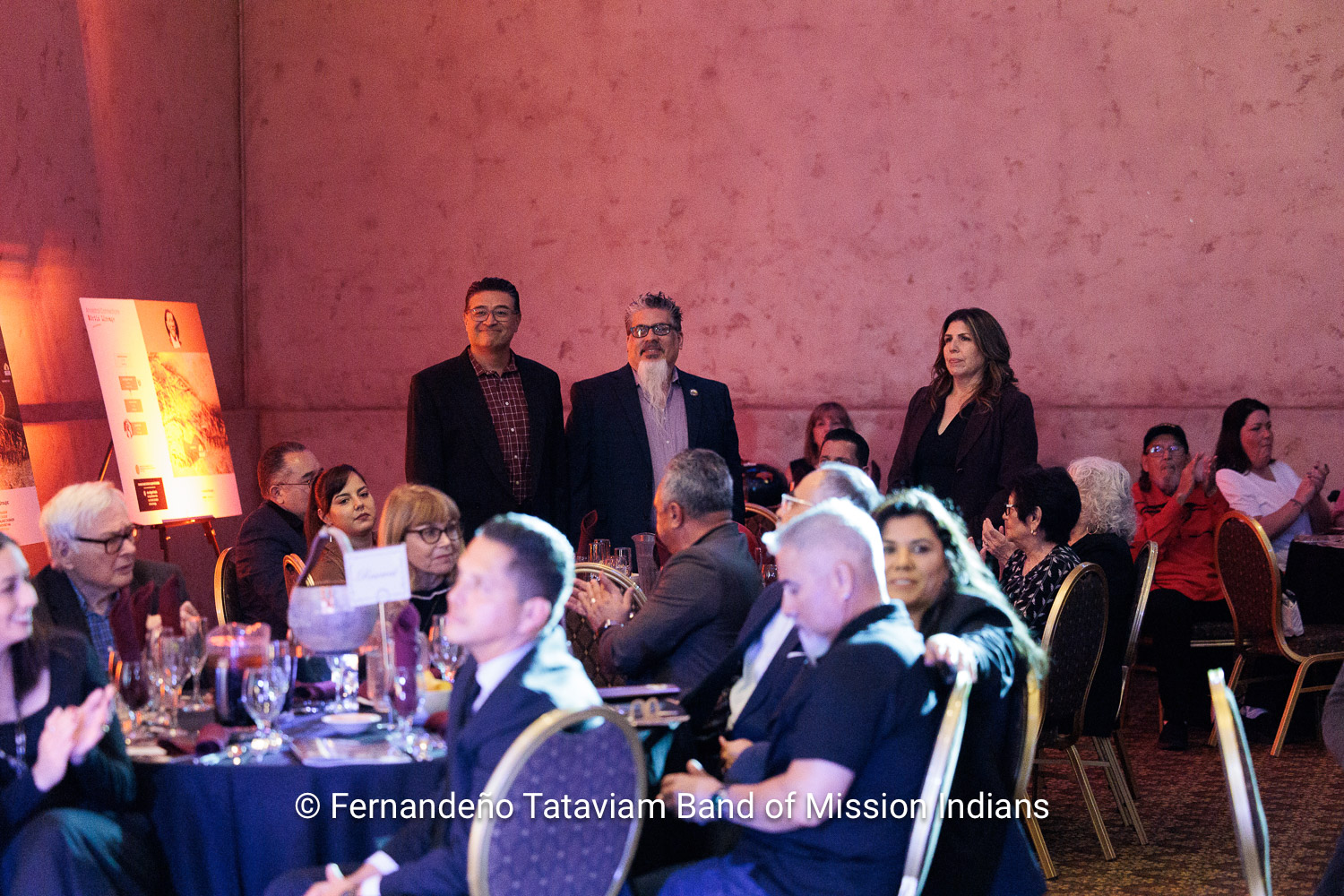
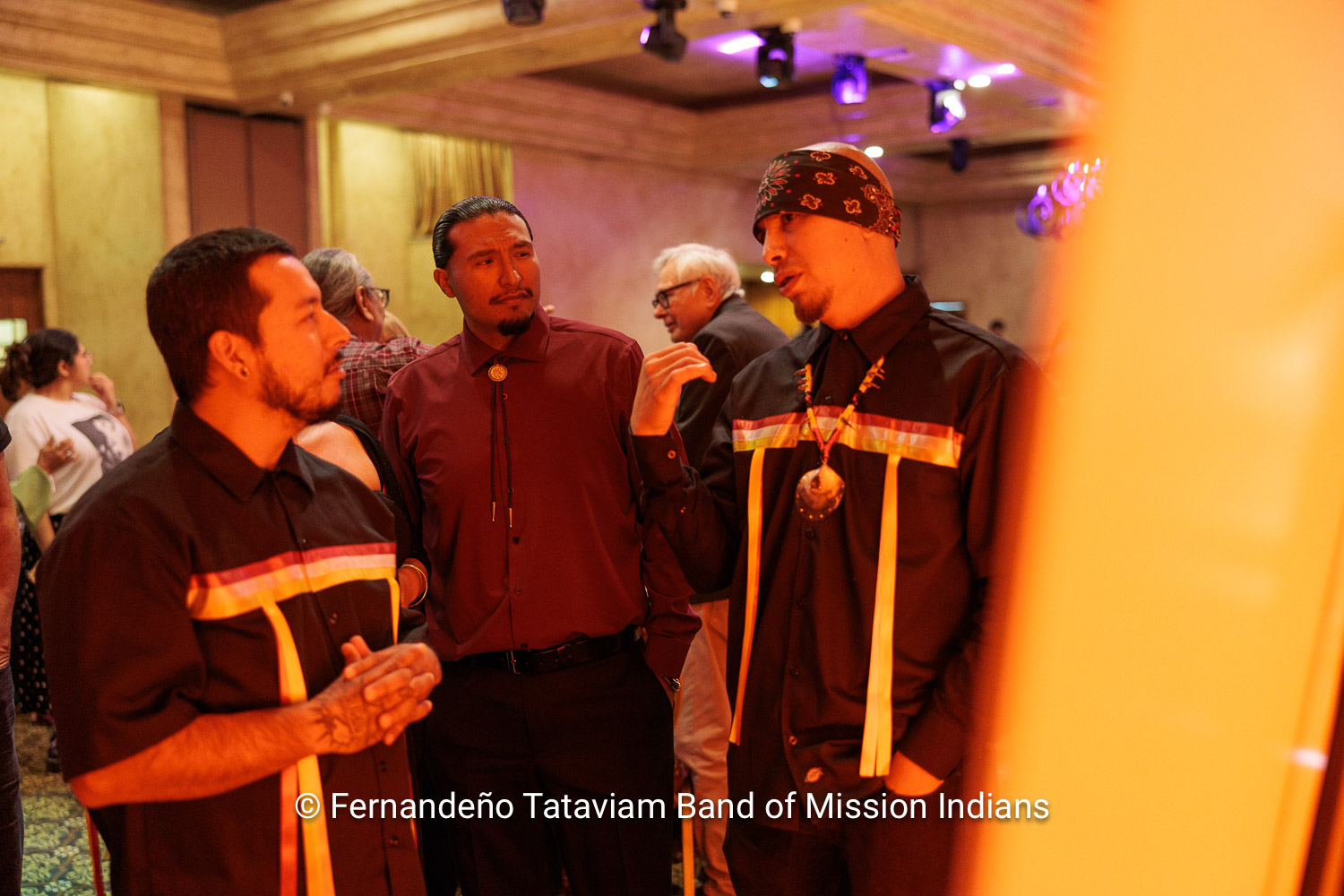
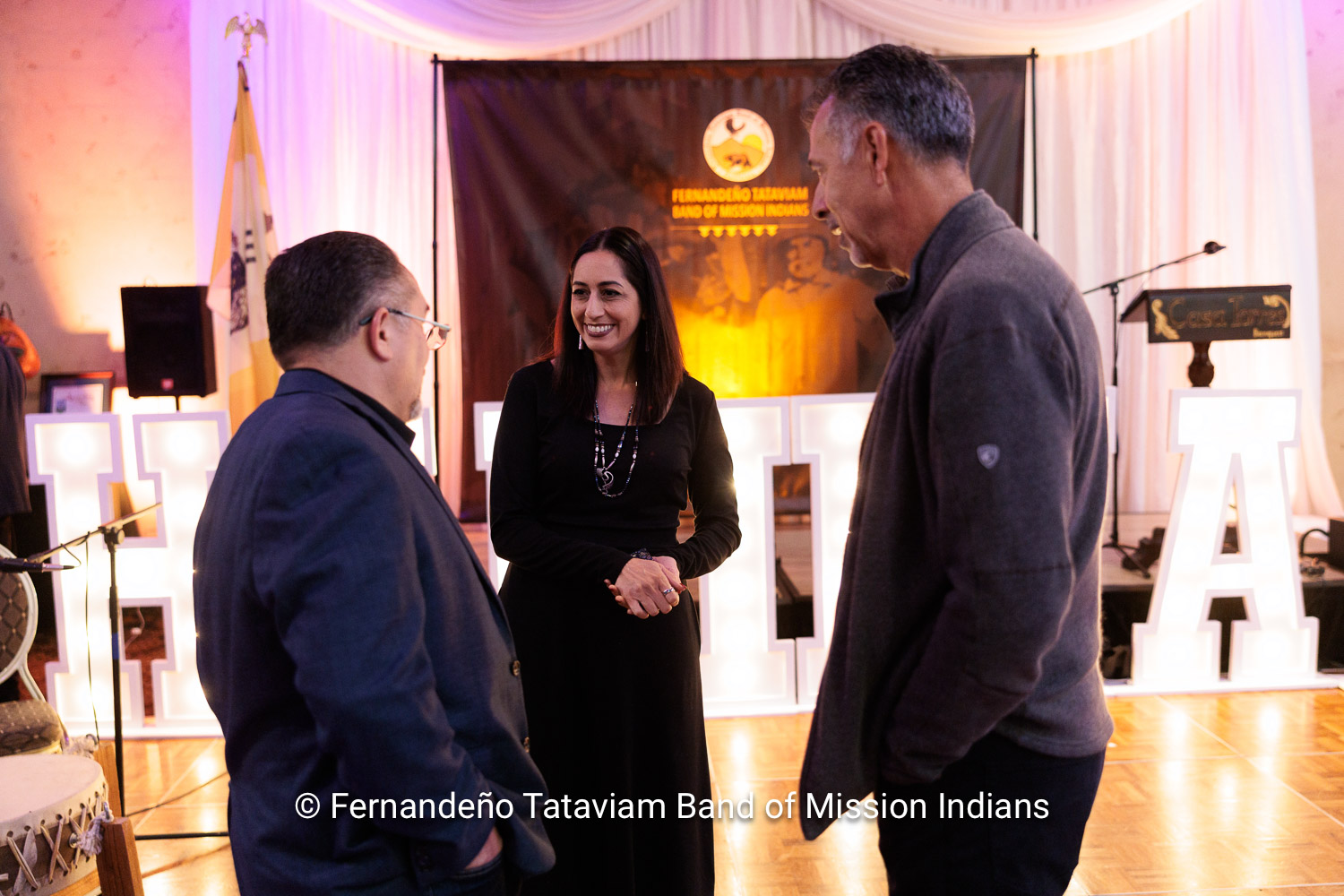
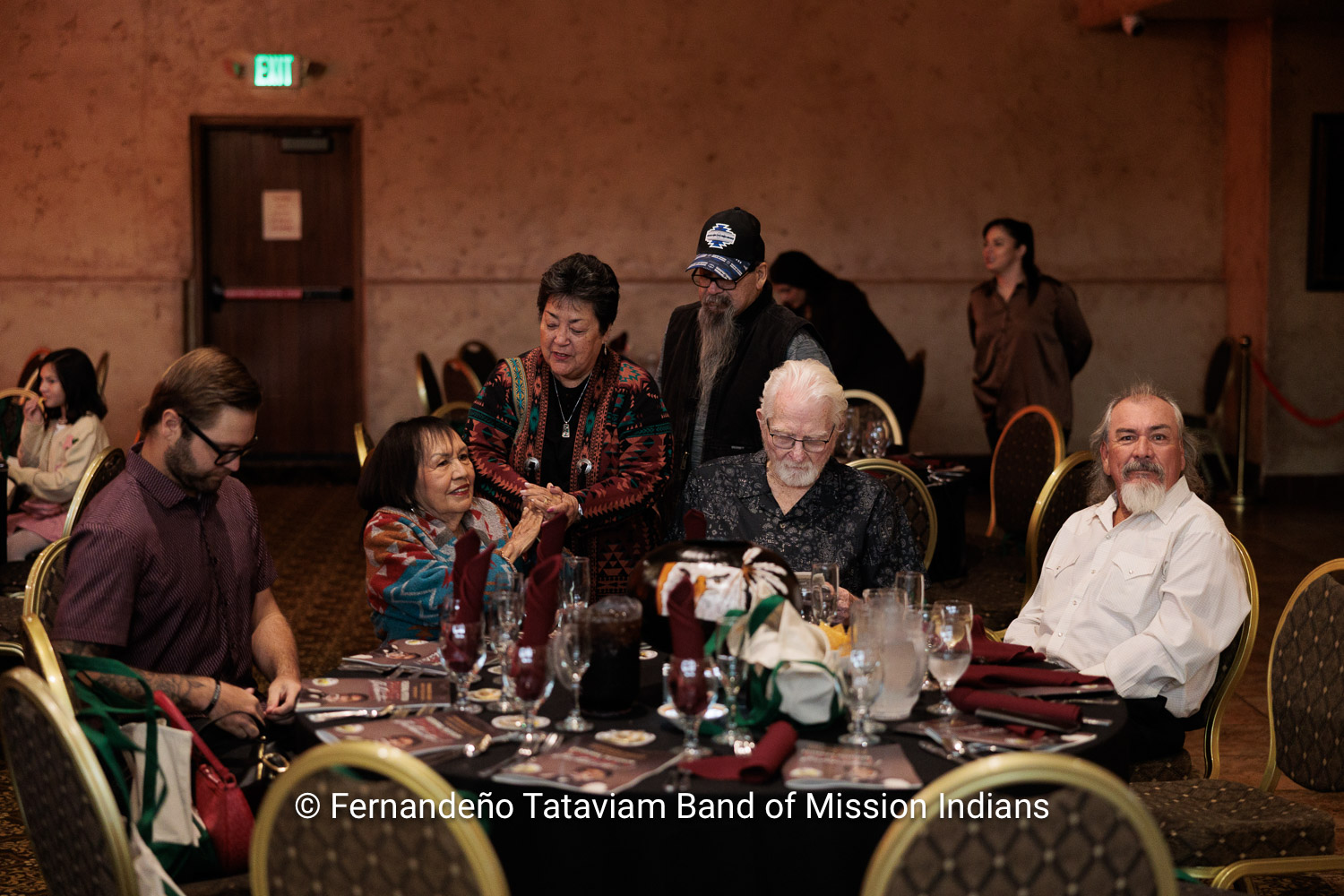
Chief Administrative Officer Miguel Luna opened the evening by welcoming Tribal Citizens, families, and invited guests and reflecting on the generations of perseverance behind this milestone. The program included an invocation by Council of Elders Chairman Dennis Garcia and traditional songs offered by the Fernandeño Singers, led by Vice President Mark Villaseñor. A shared dinner provided time for families and guests to gather in celebration.
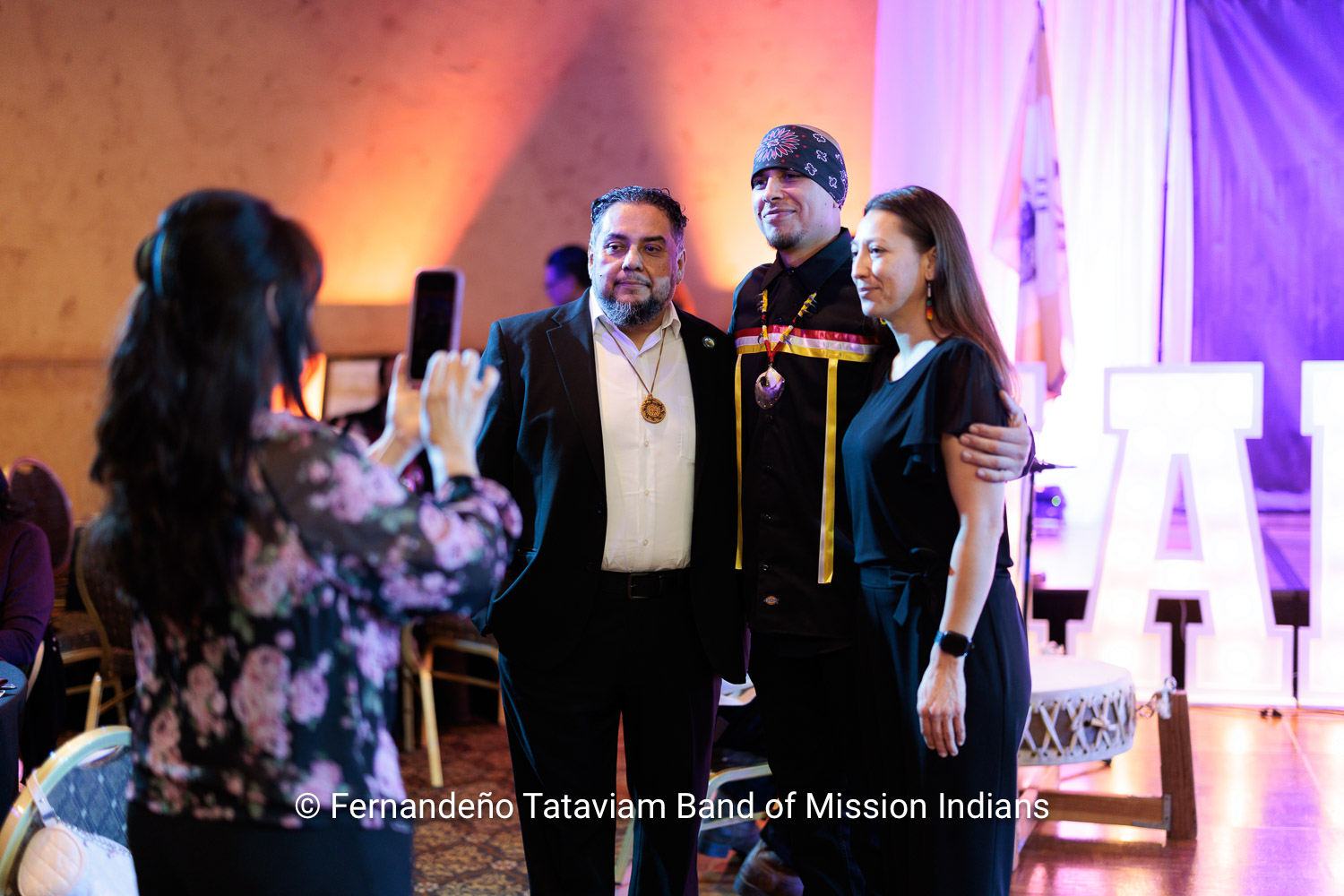
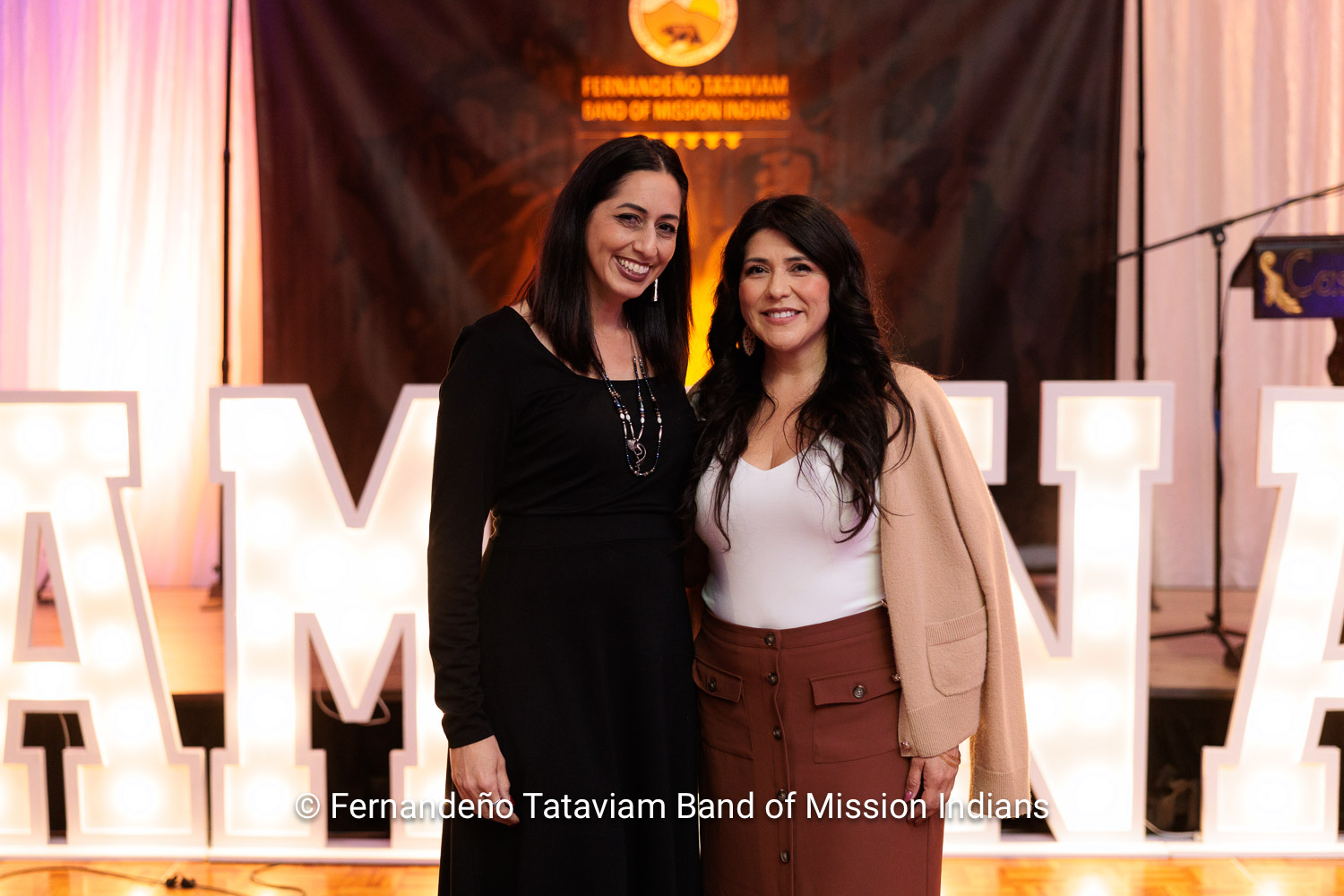
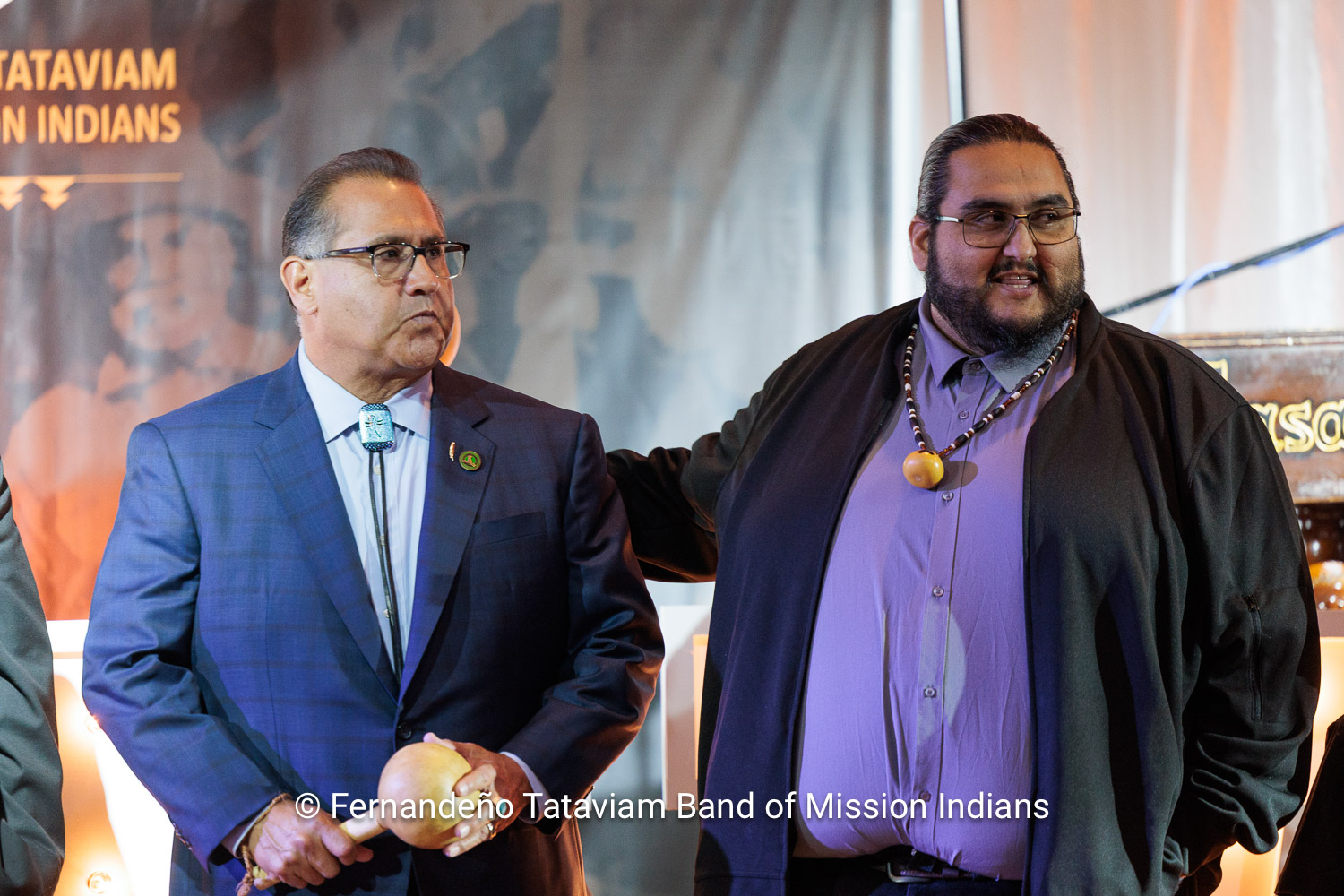
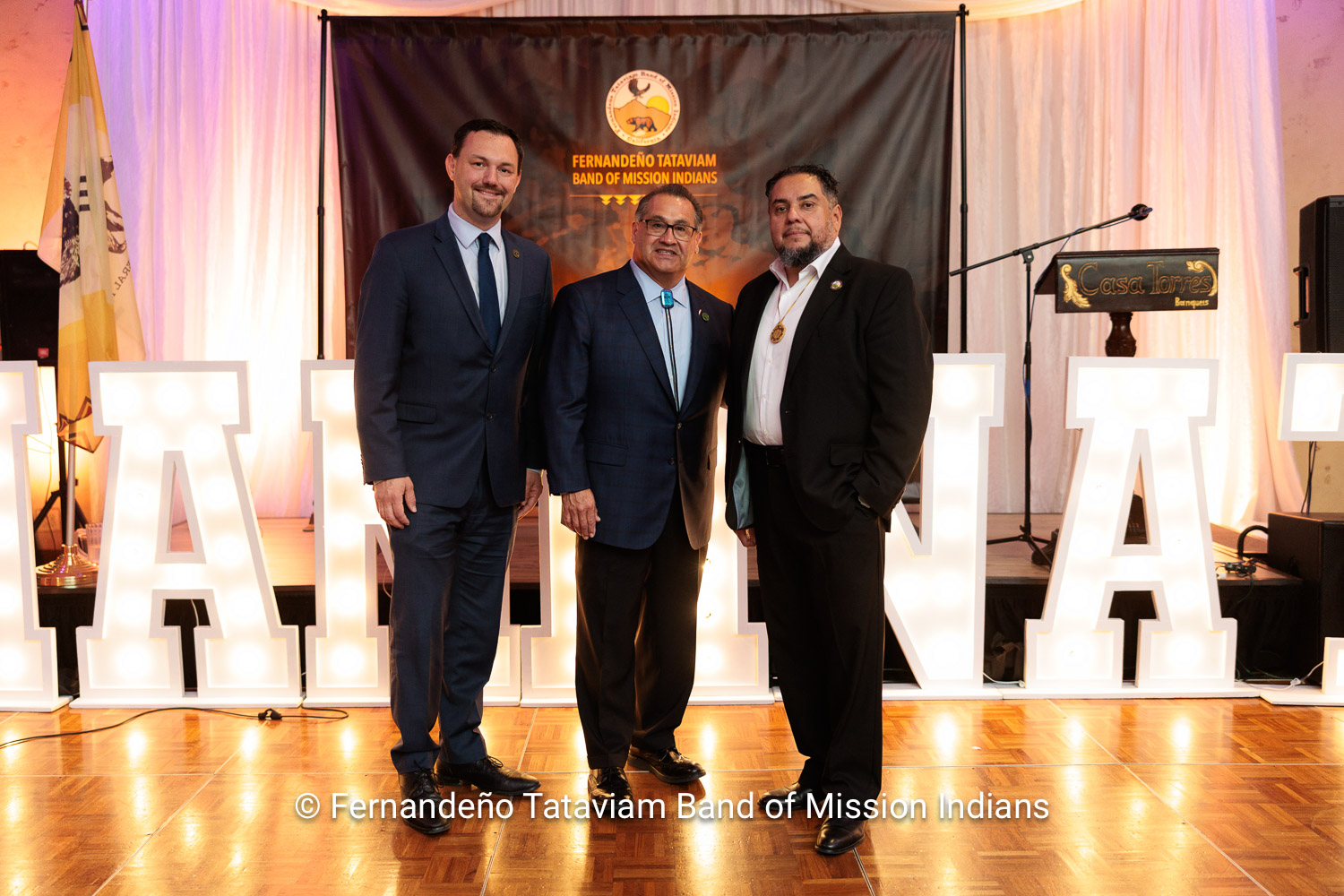
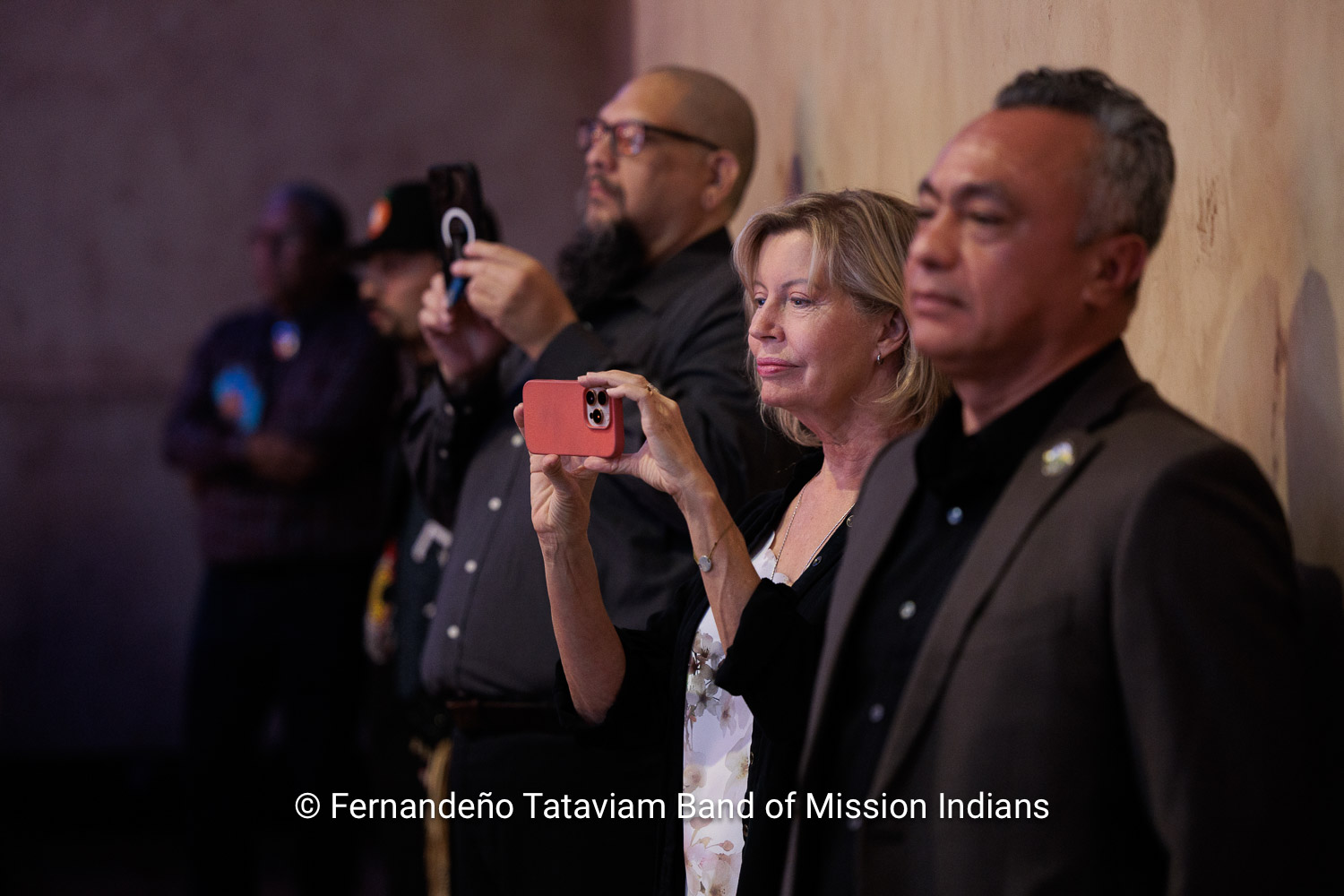
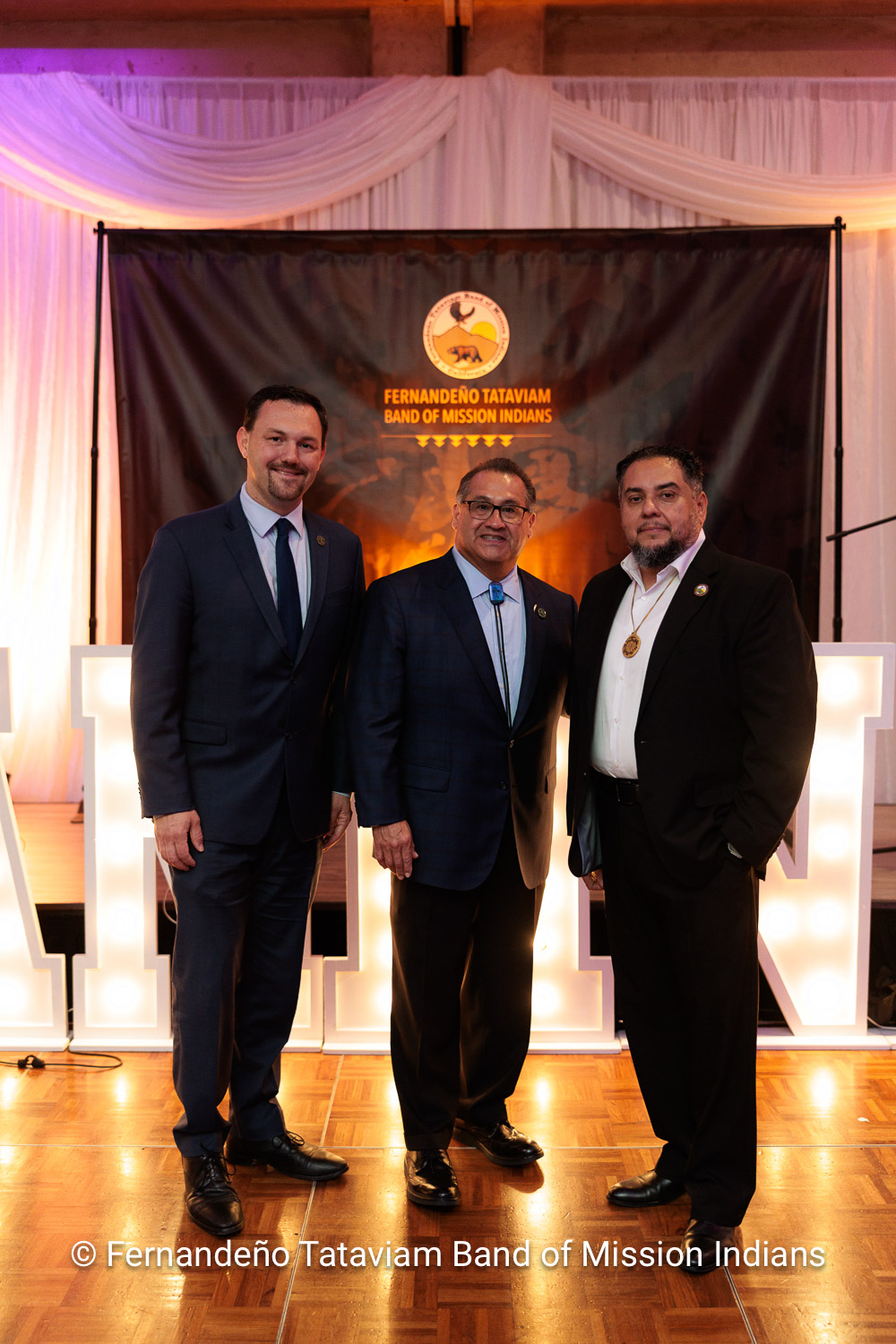
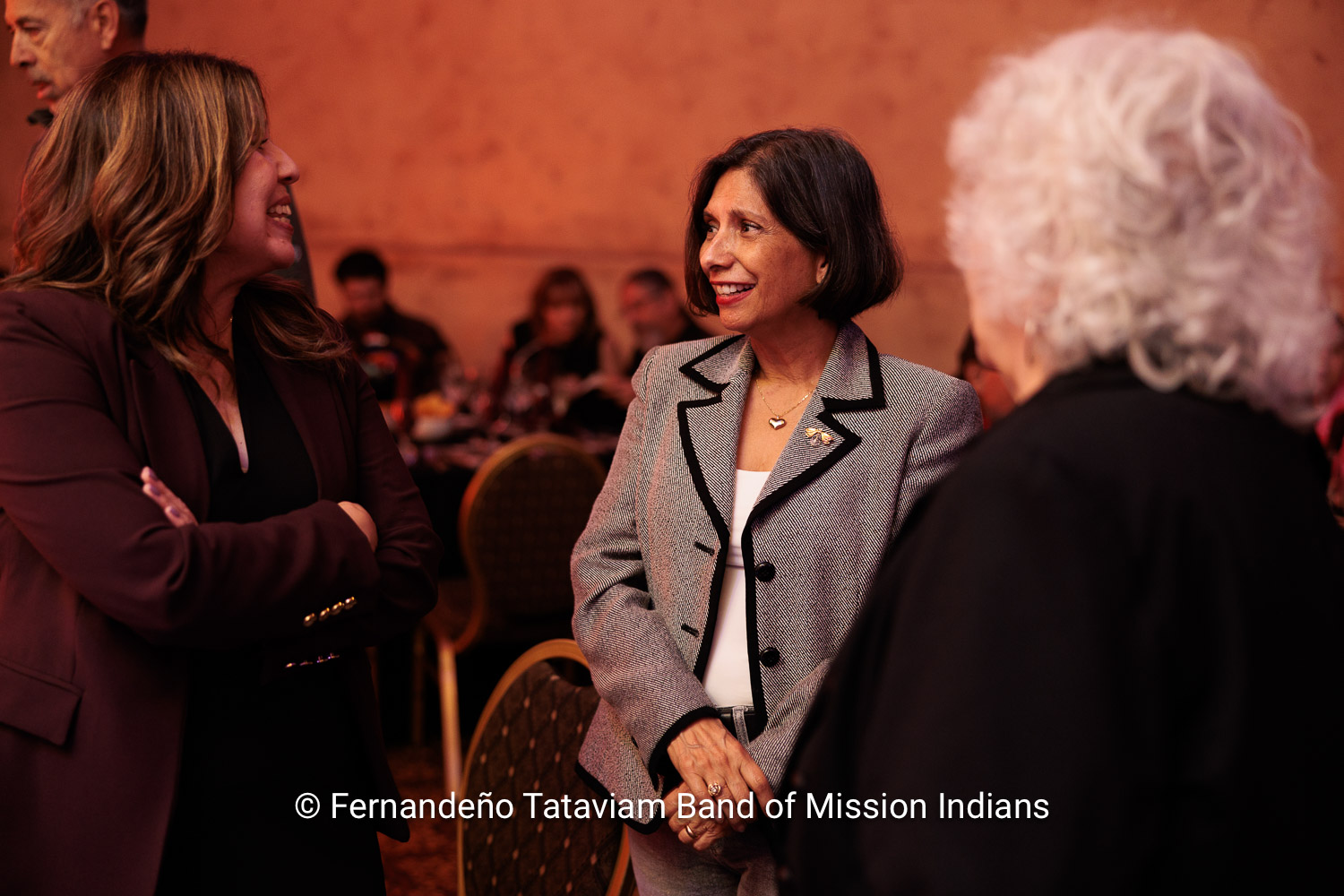
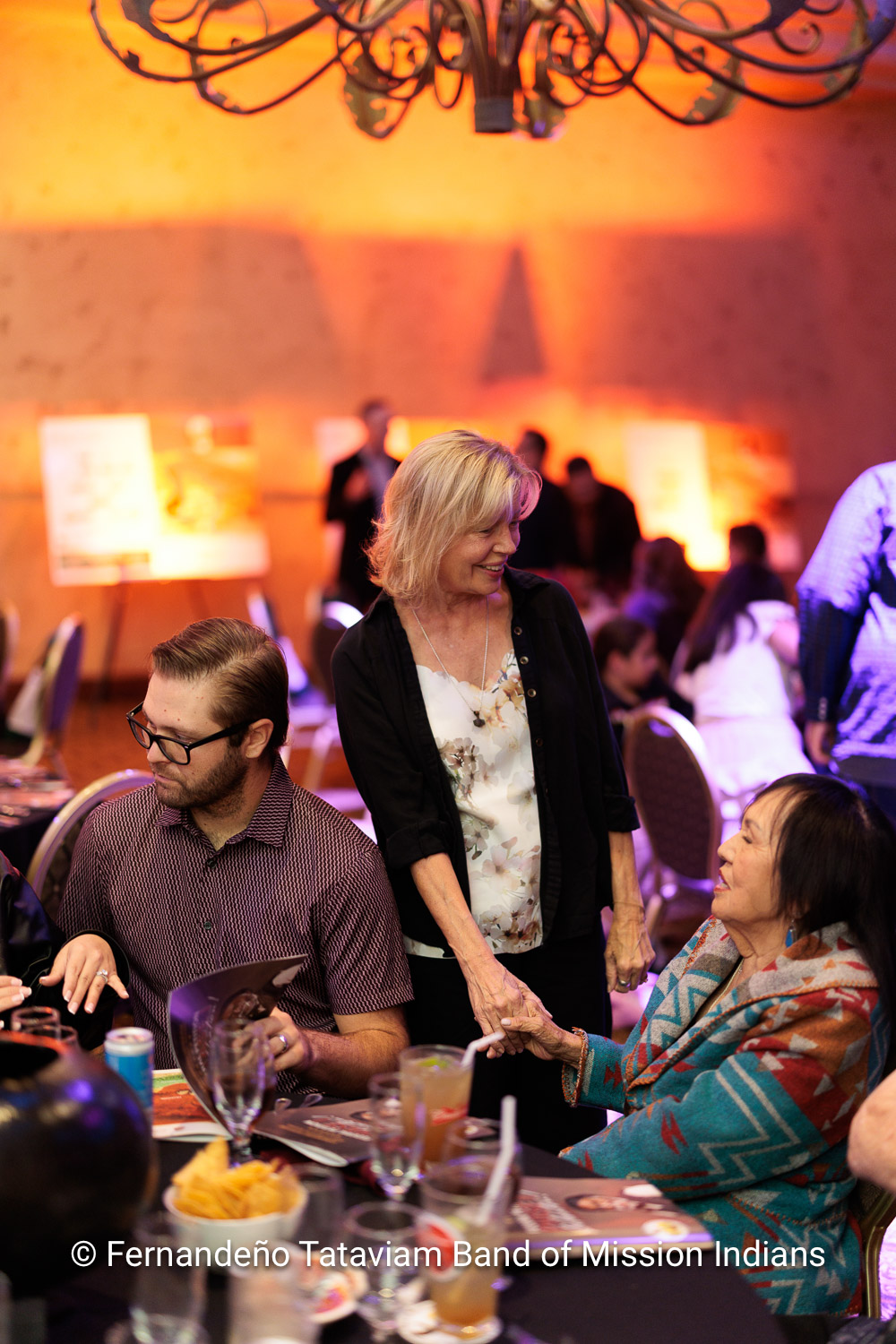
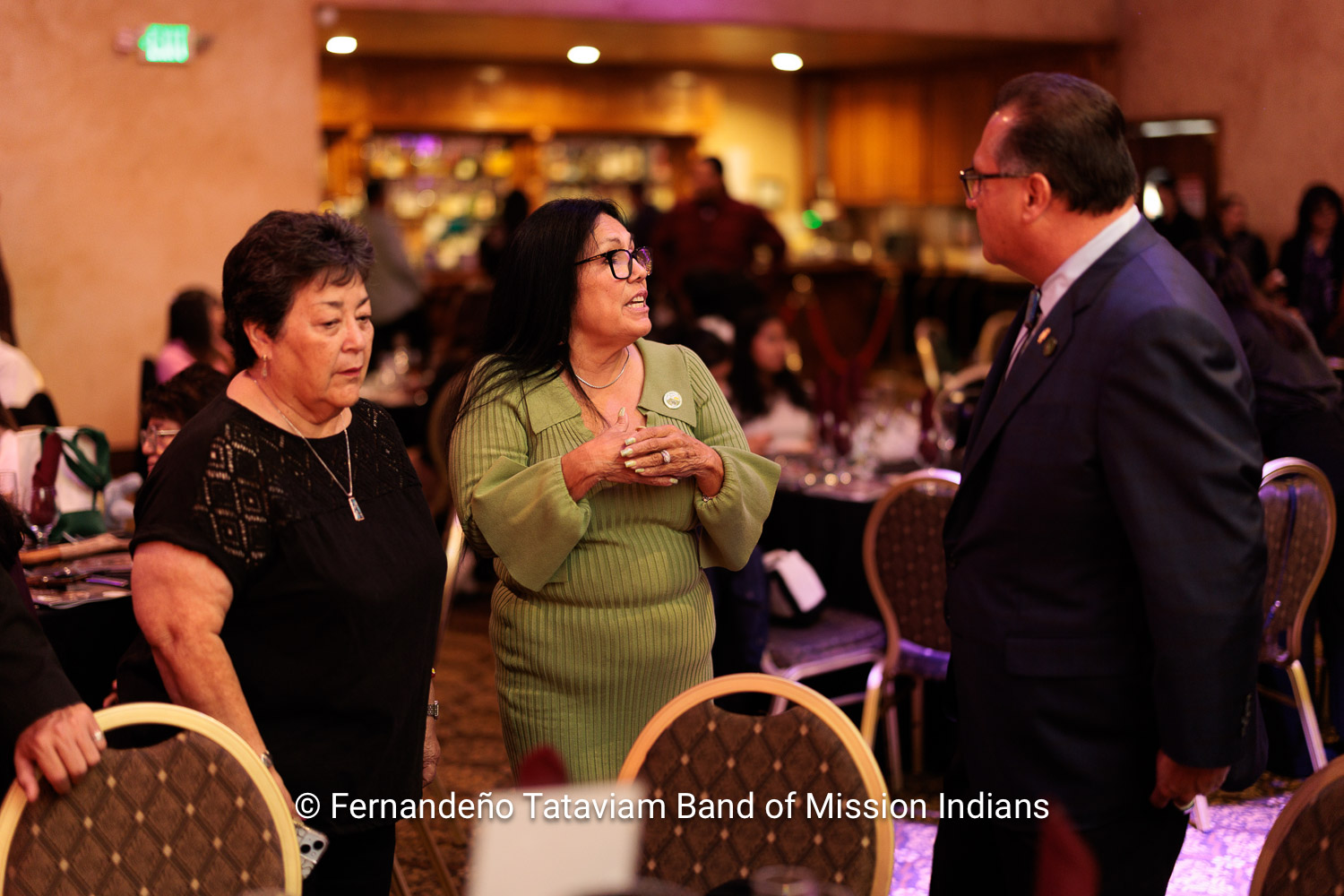
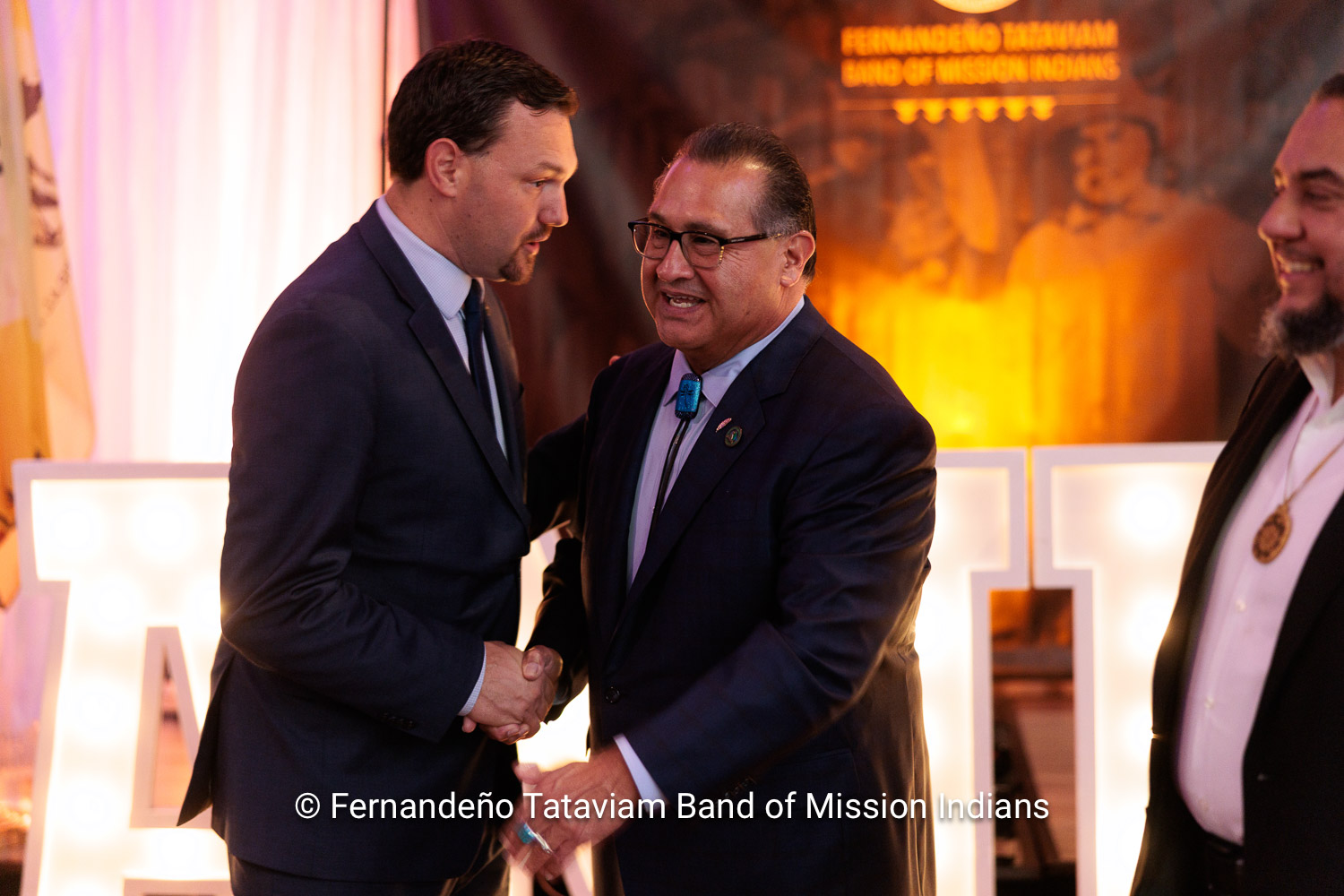
Joining the celebration were Congressmember Luz Rivas; Assemblymember Nick Schultz, representing California’s 44th Assembly District; Assemblymember James C. Ramos, representing the 45th Assembly District; and San Fernando Mayor Victoria Garcia.
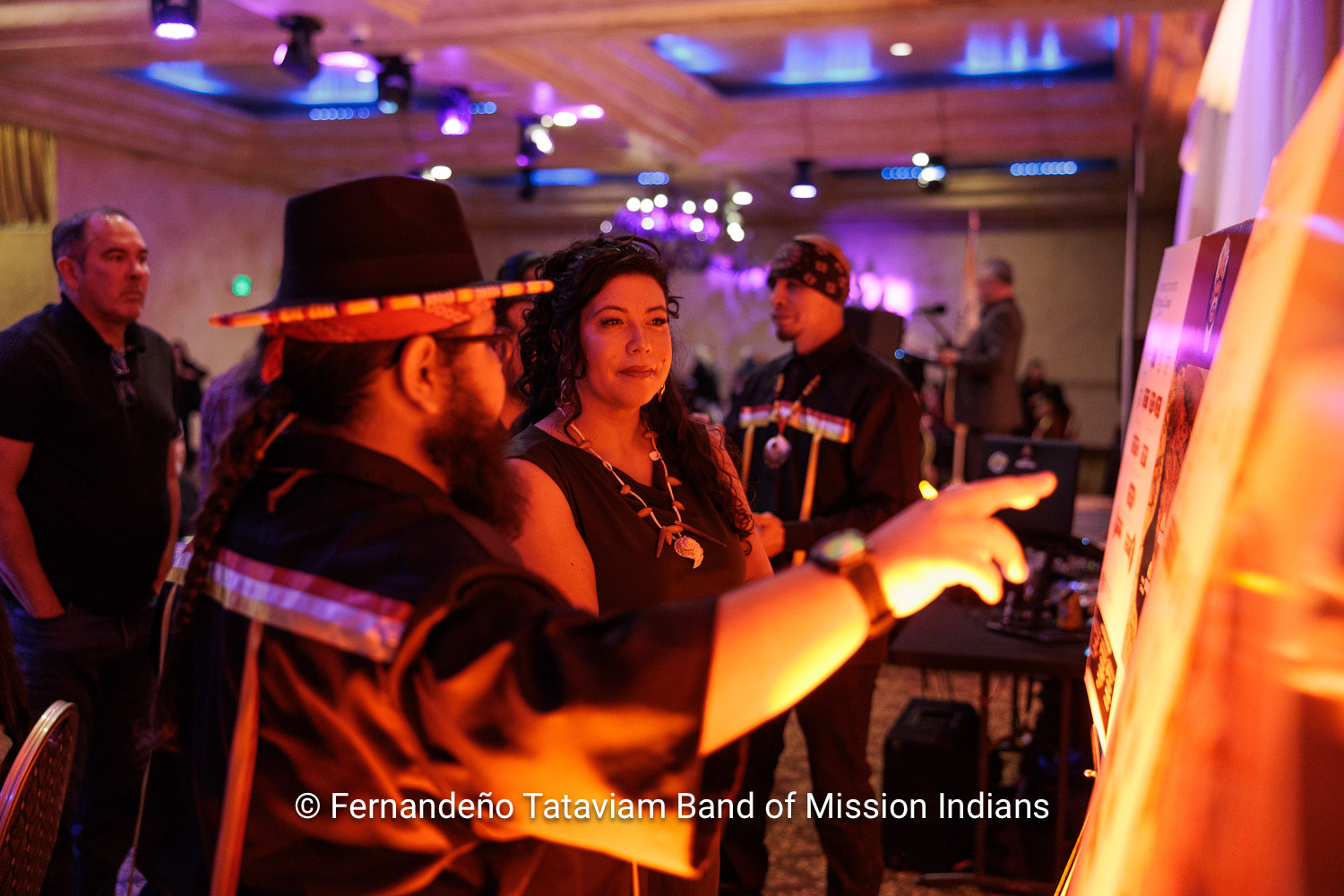
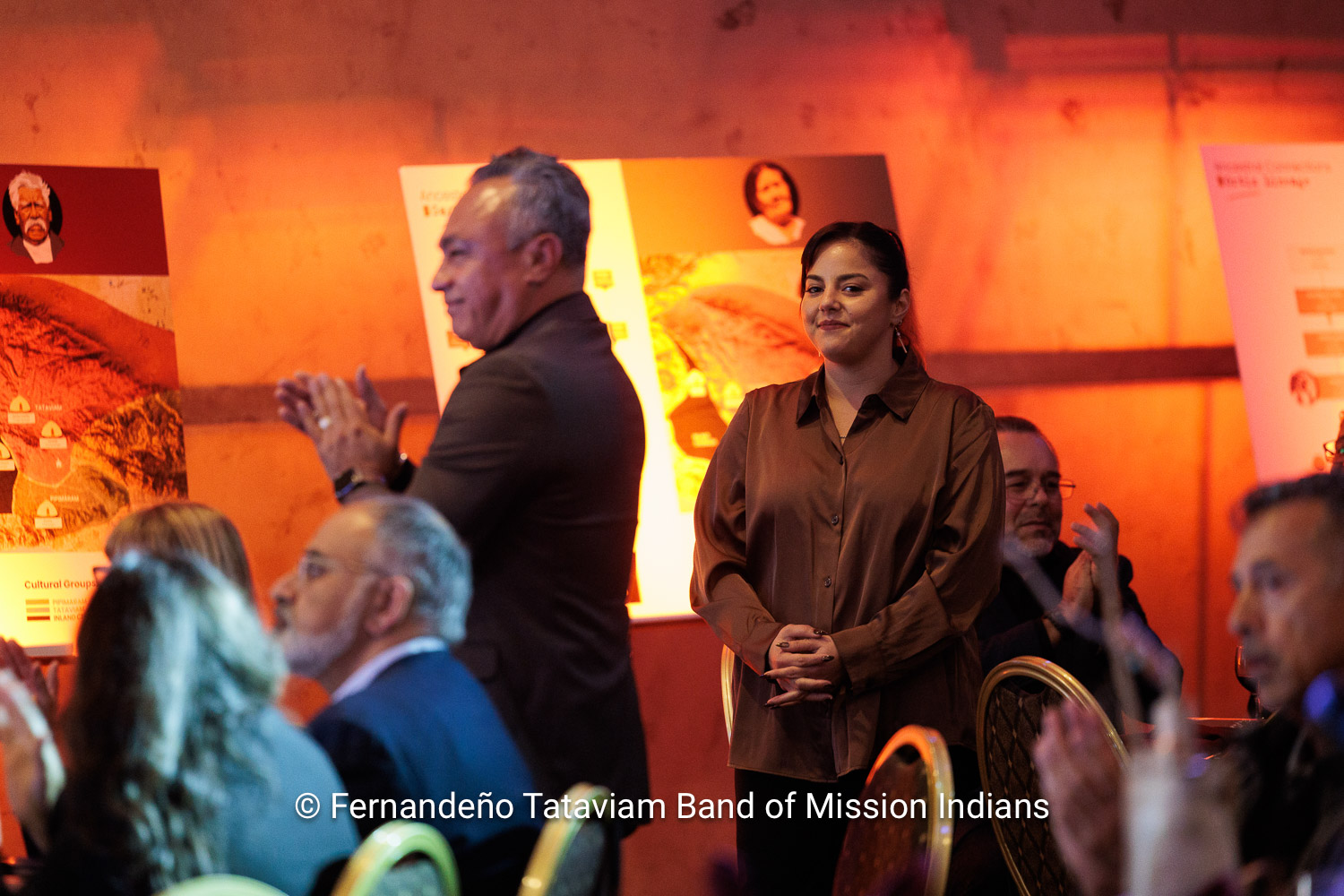
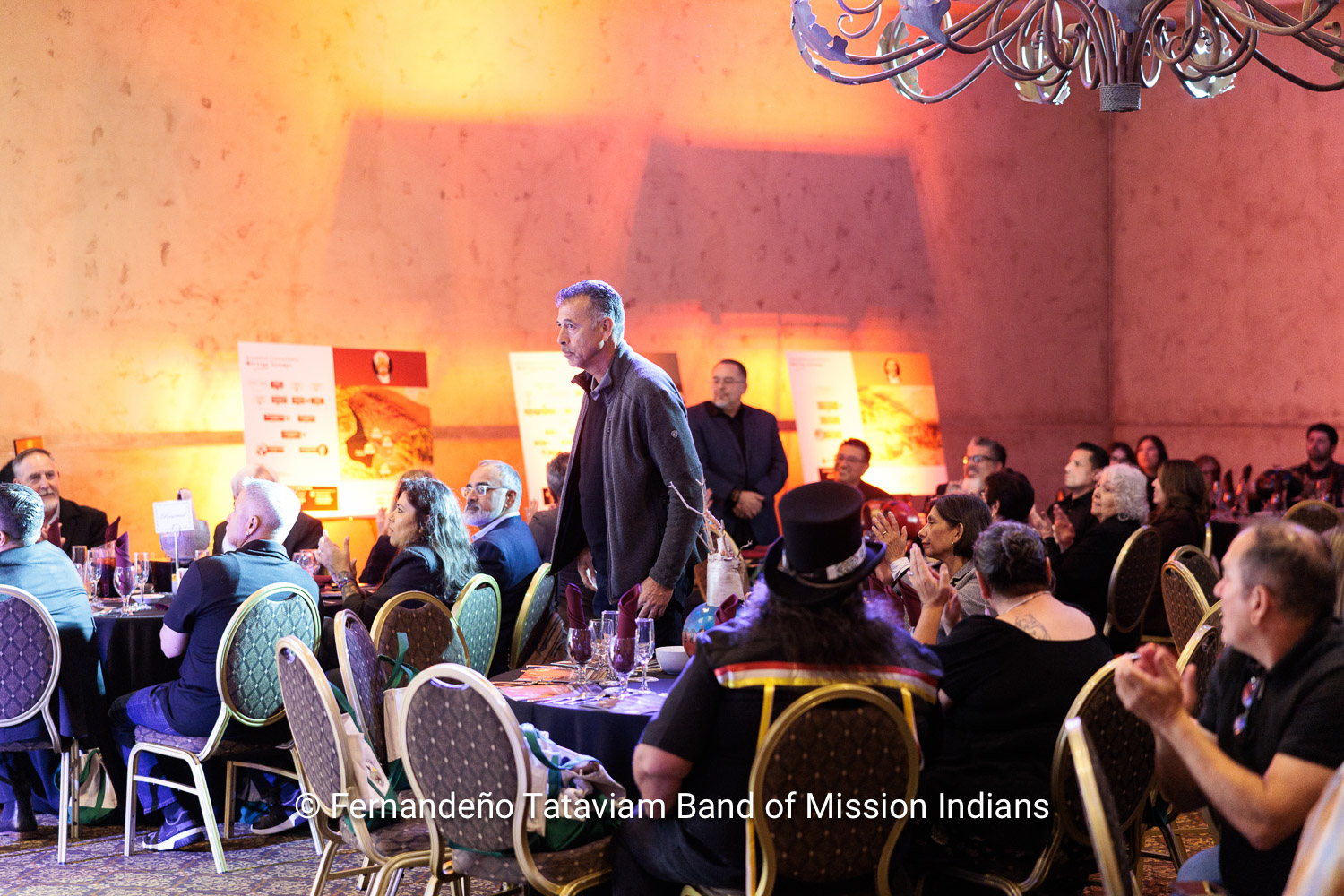
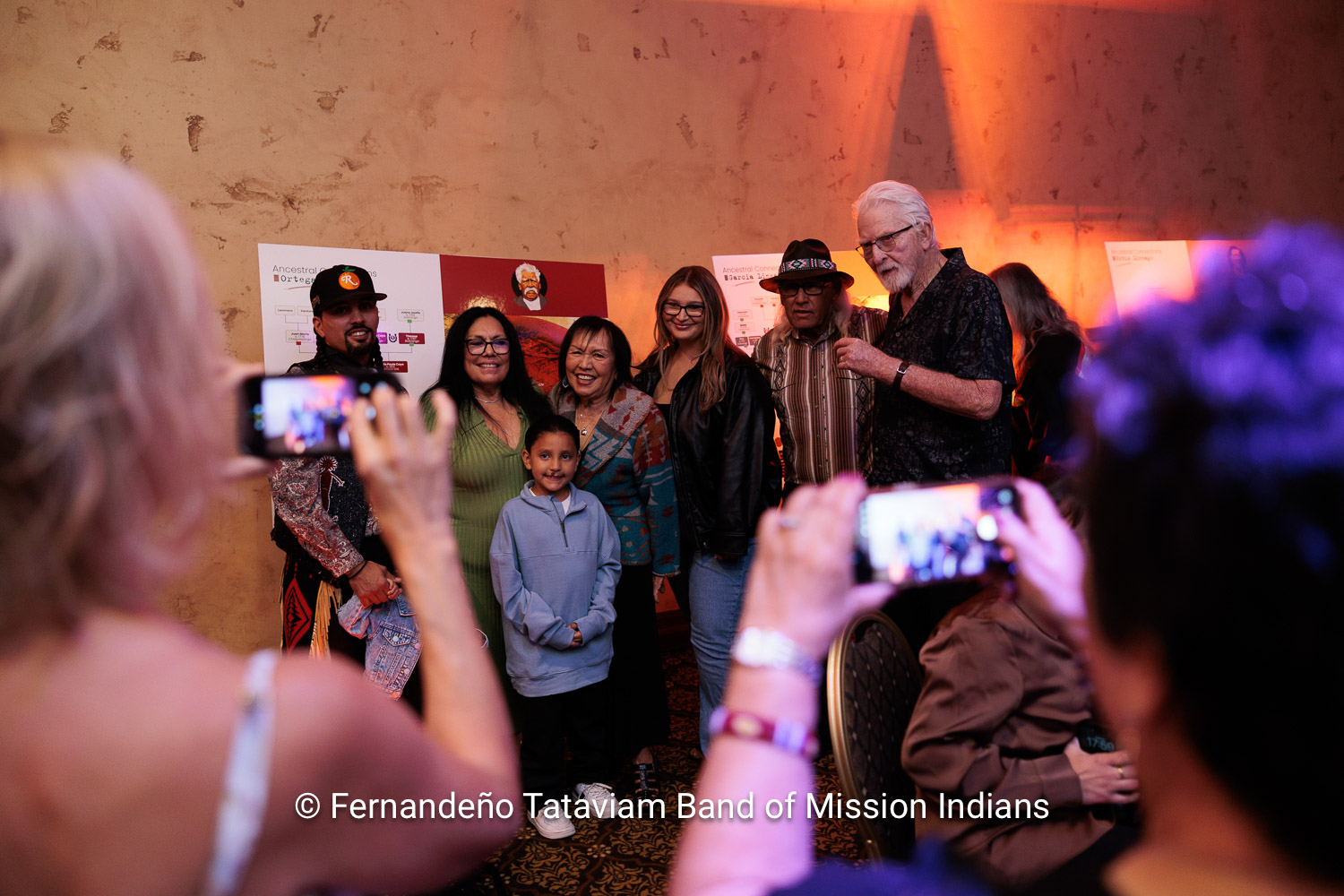
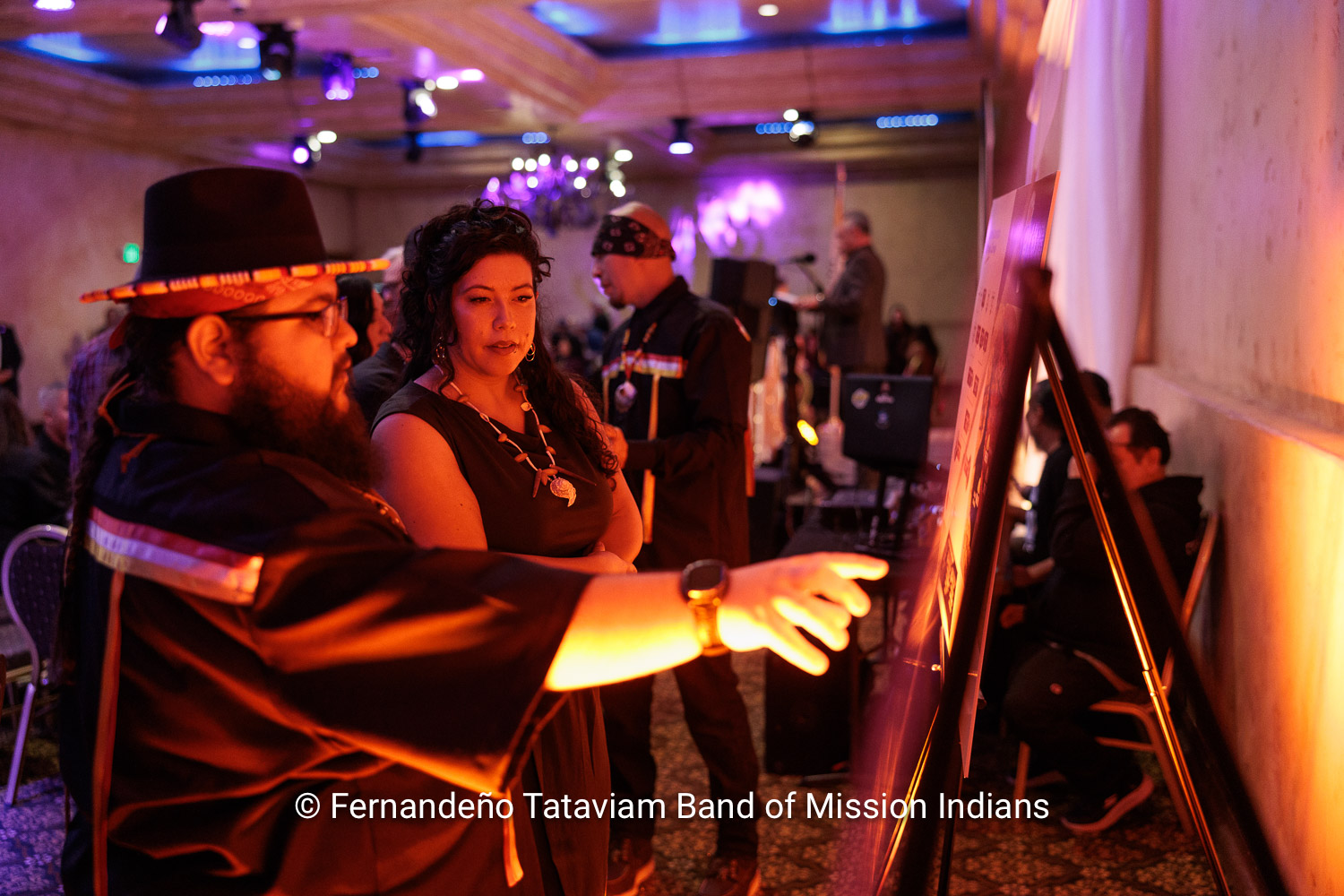
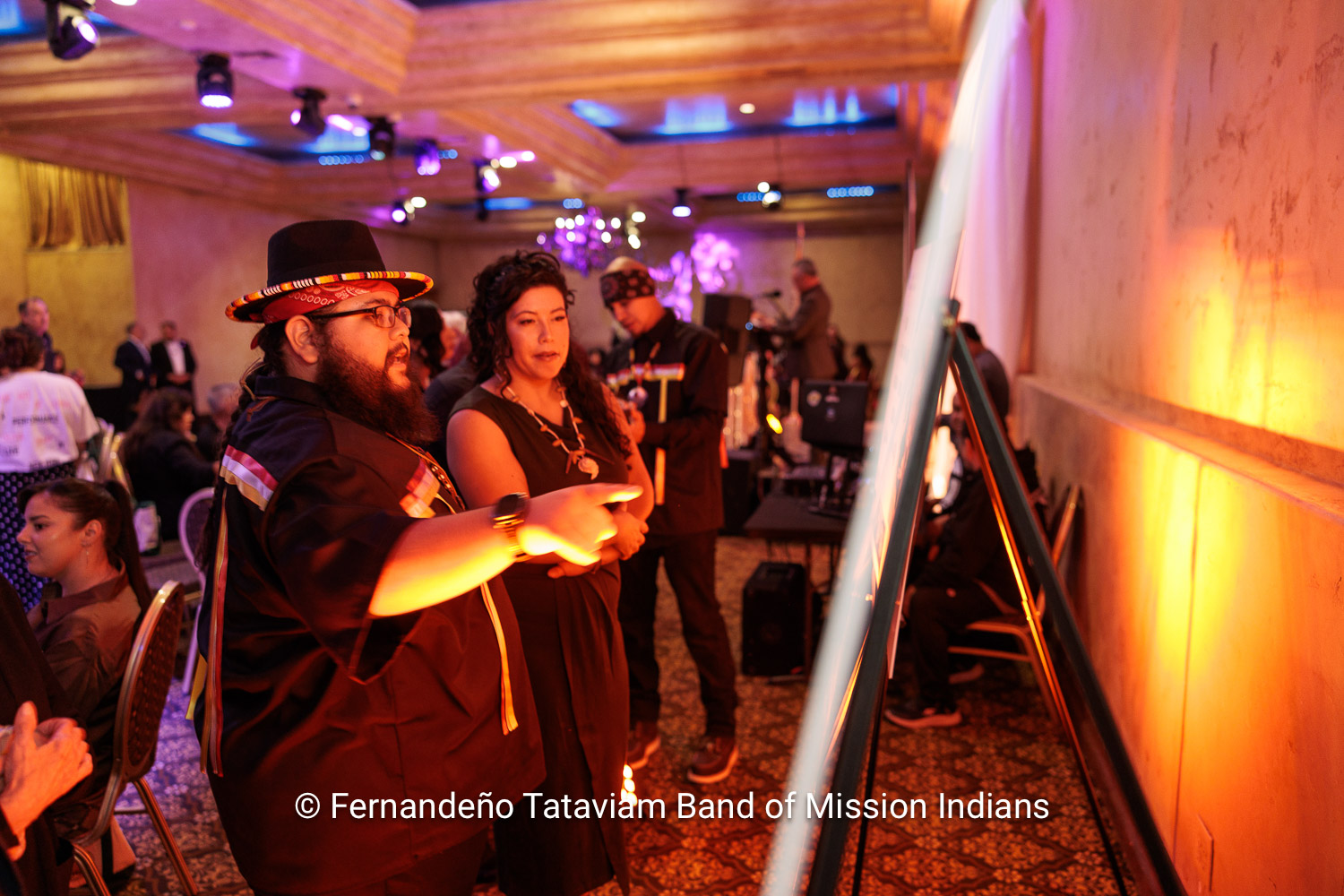
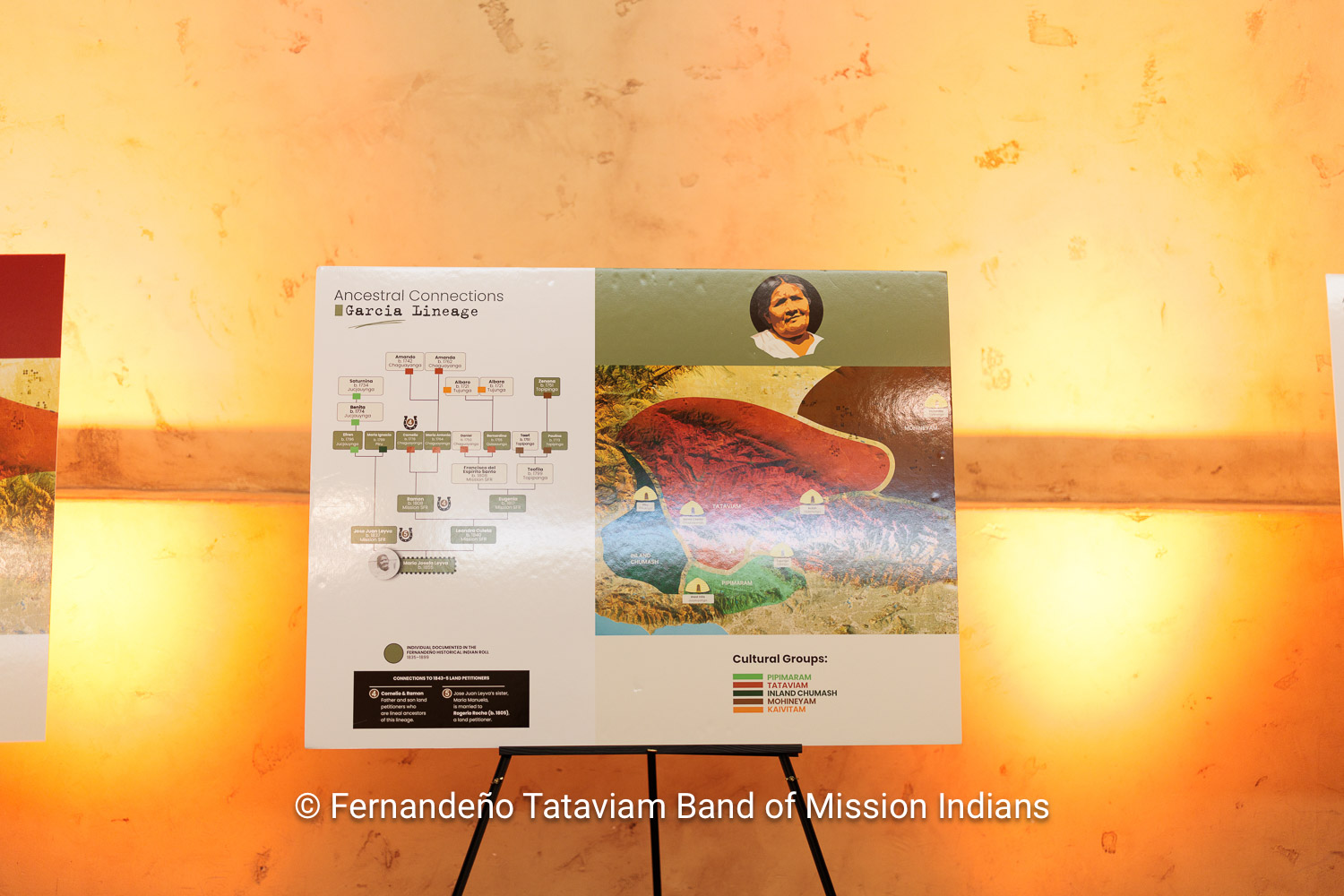
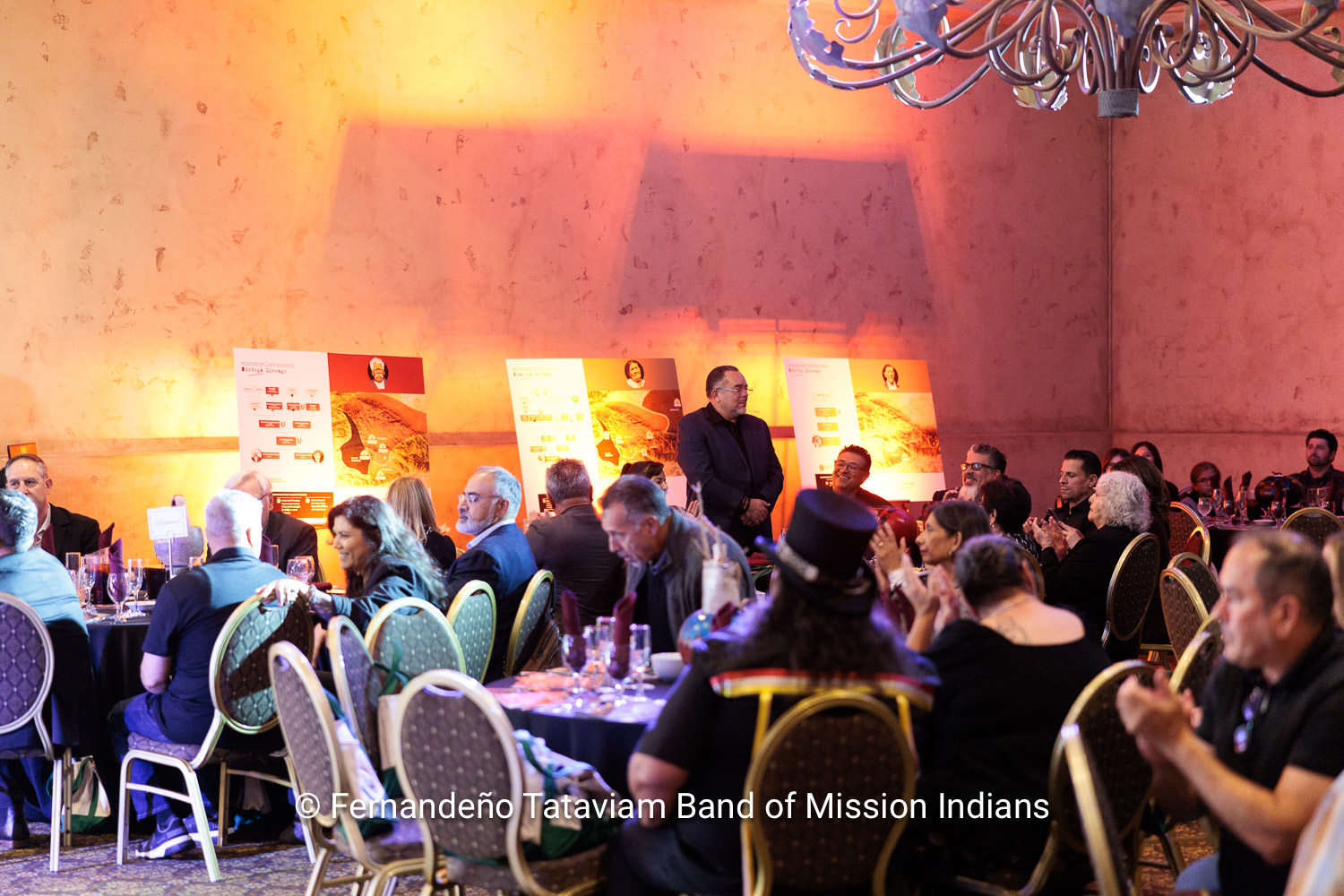
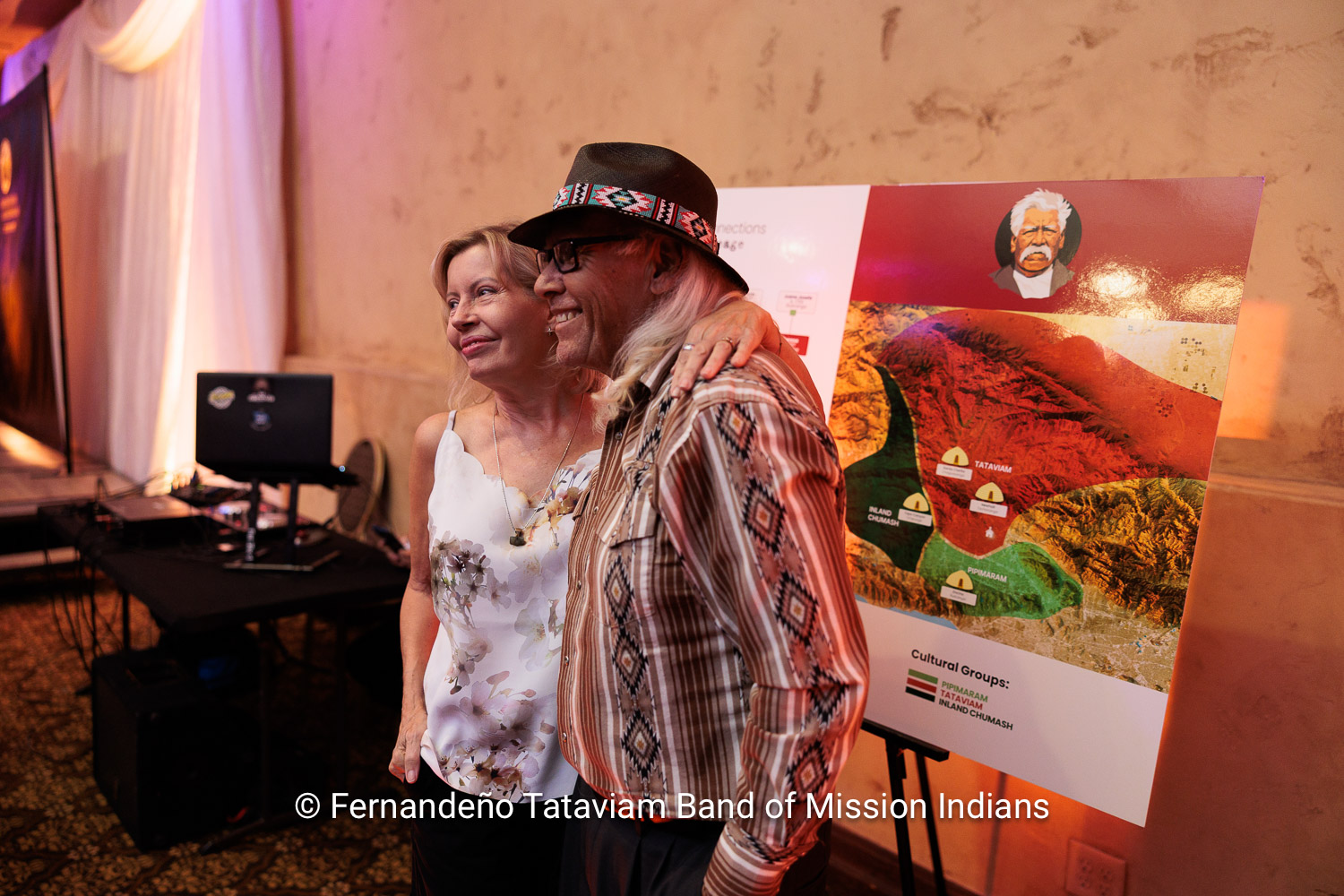
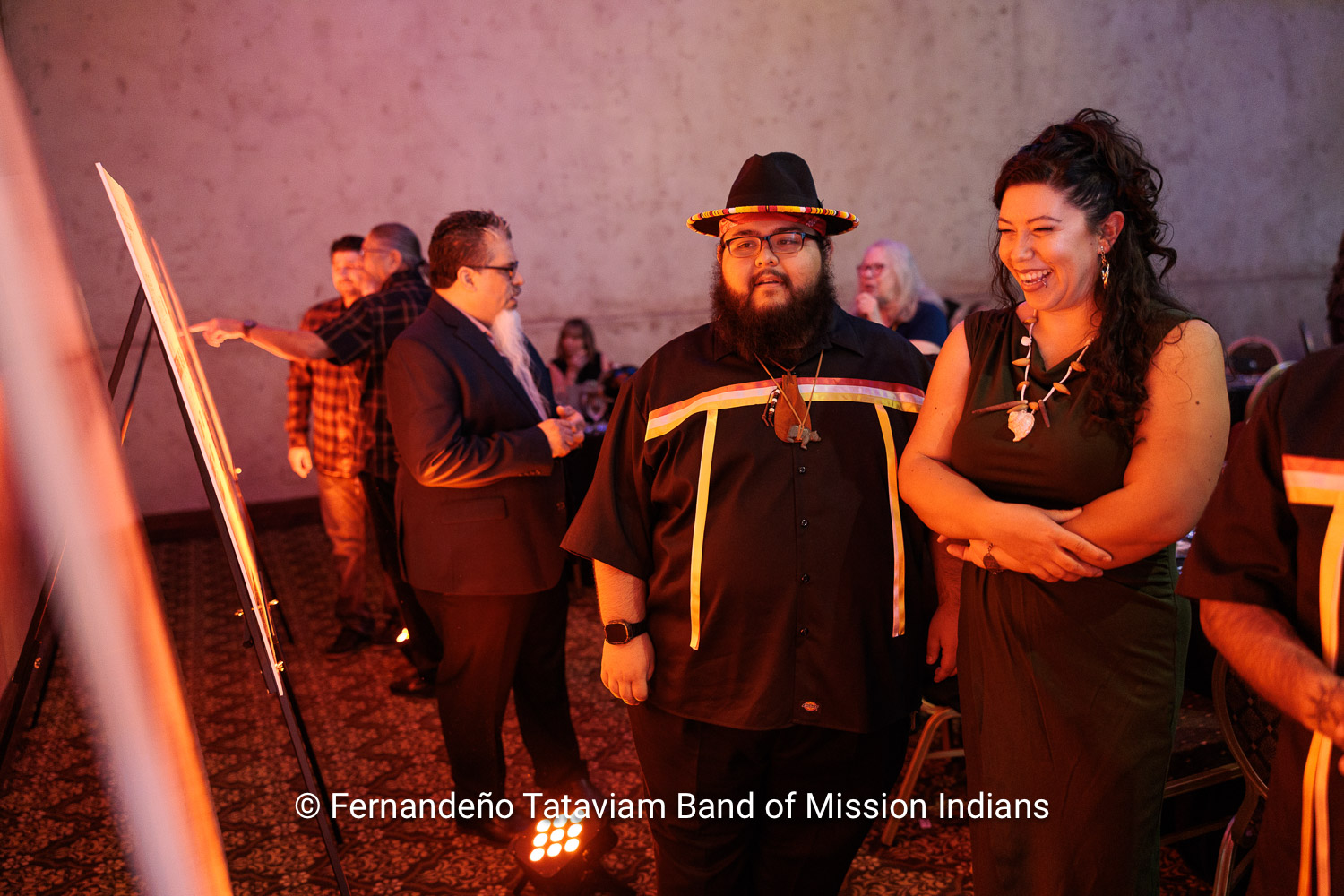
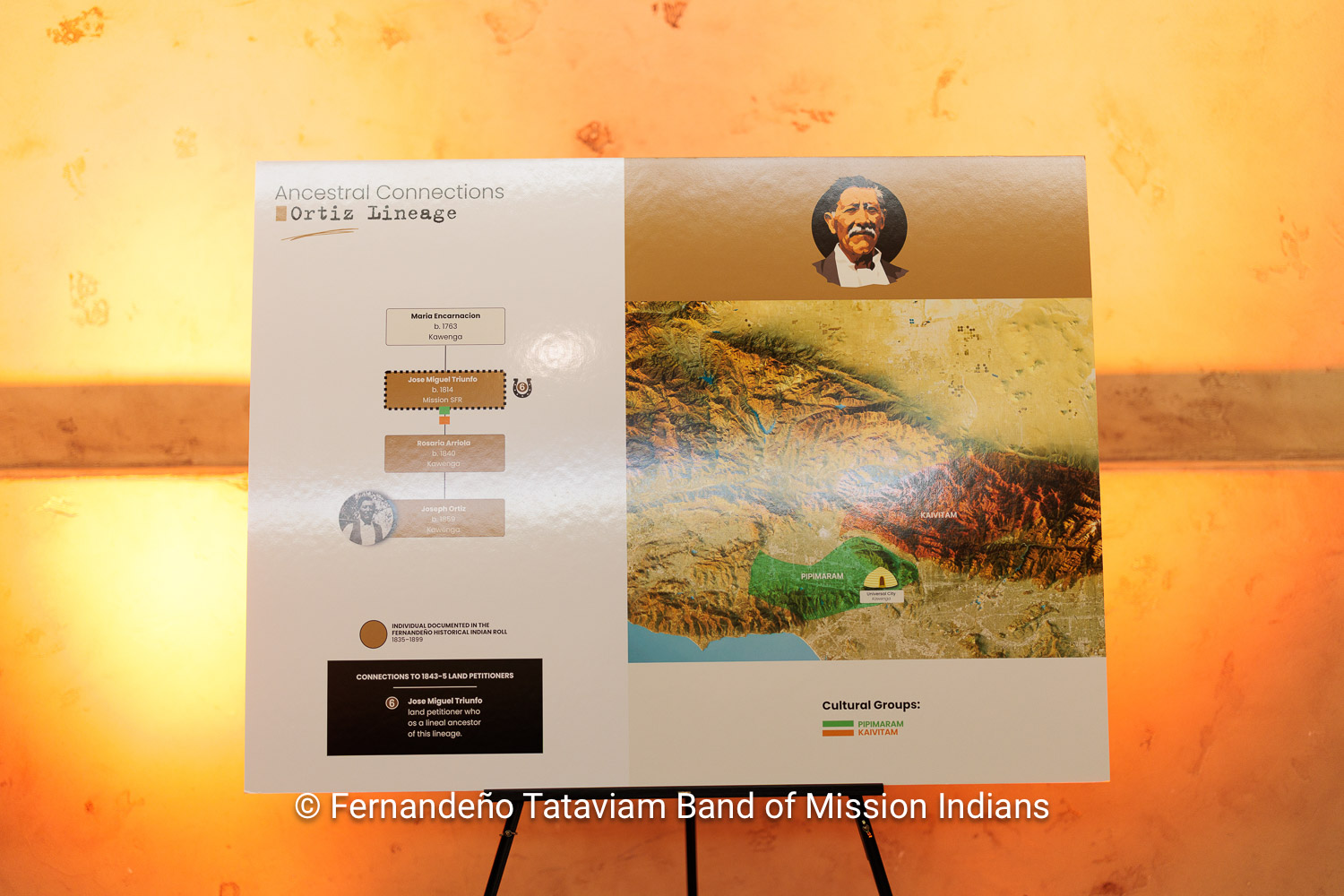
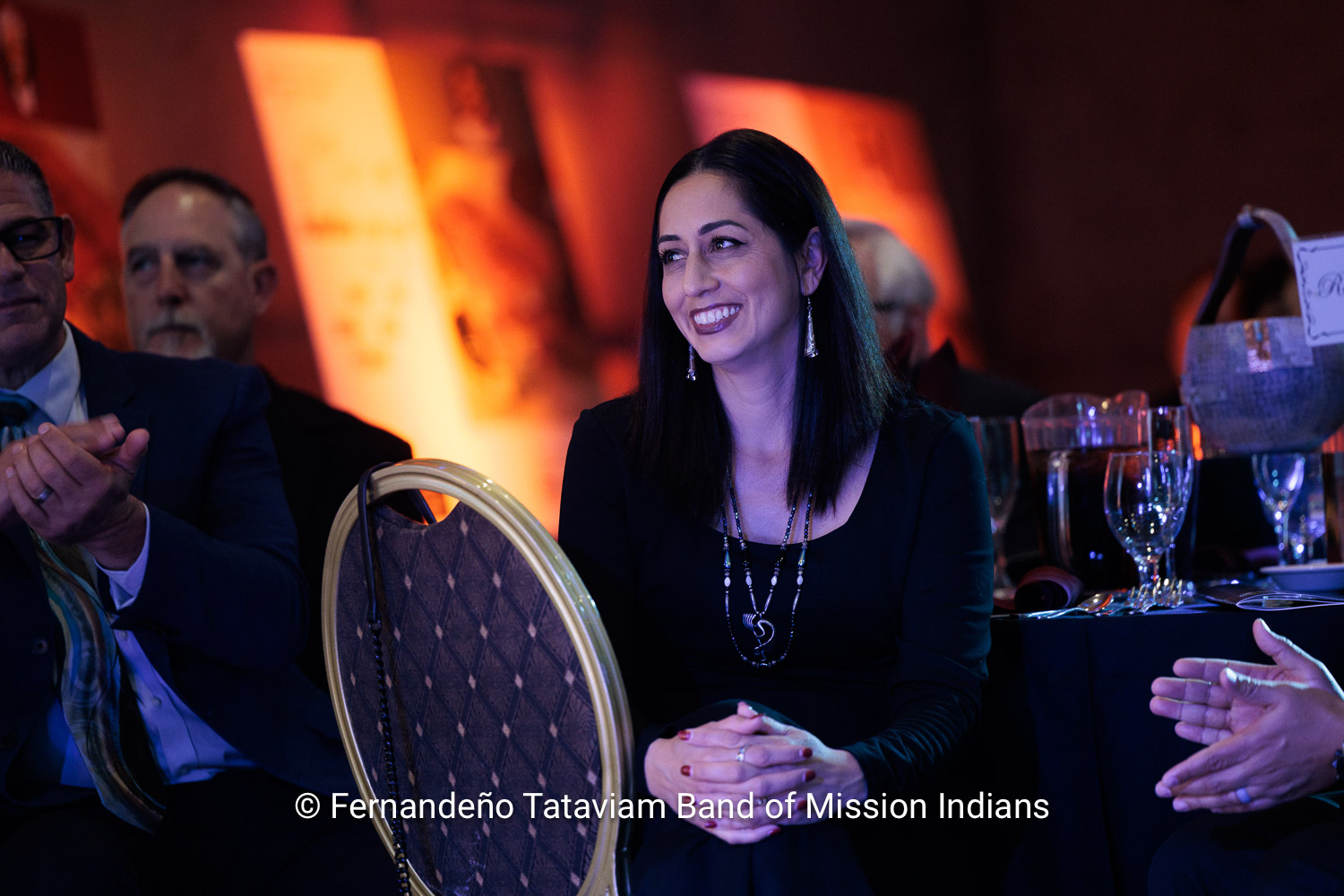
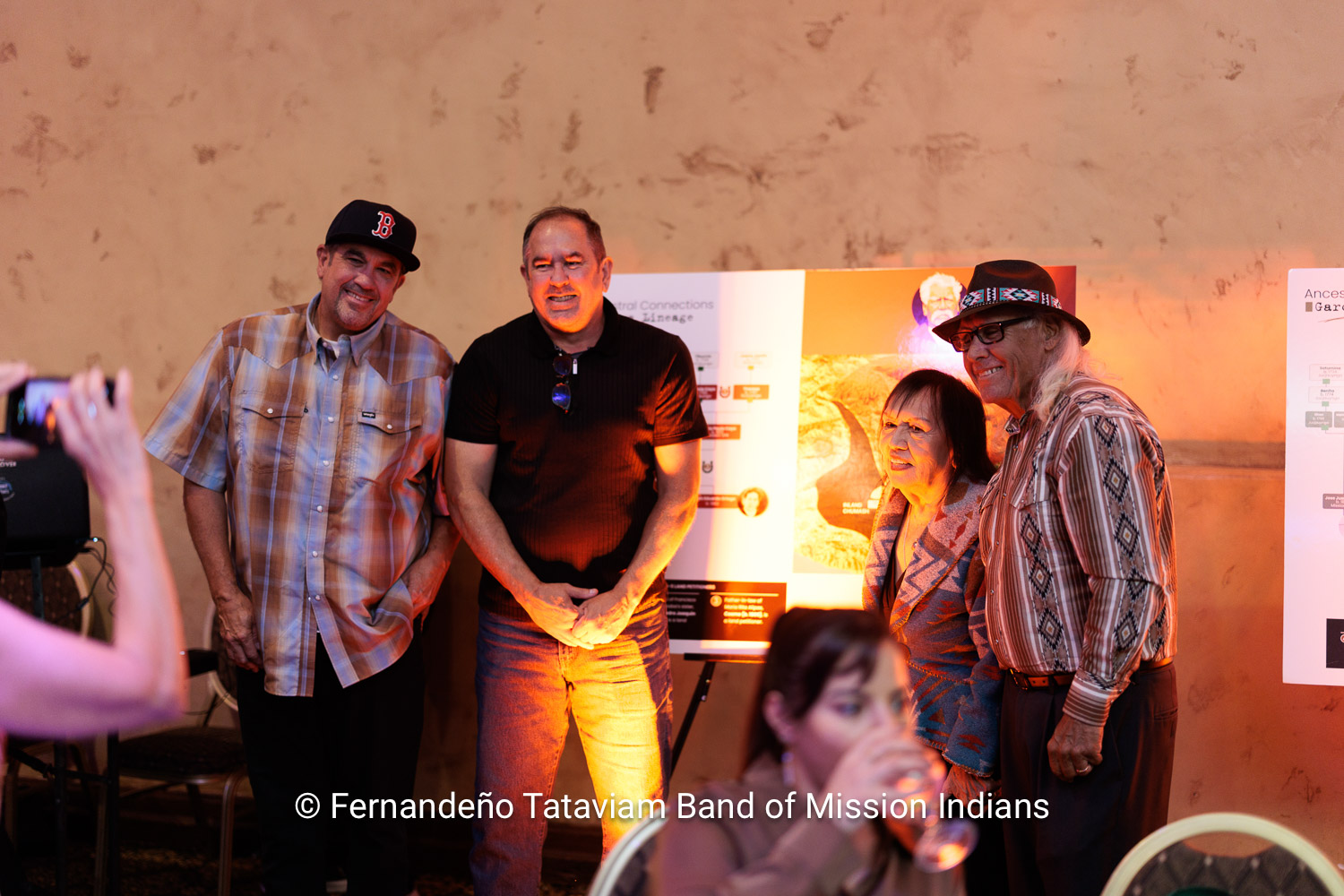
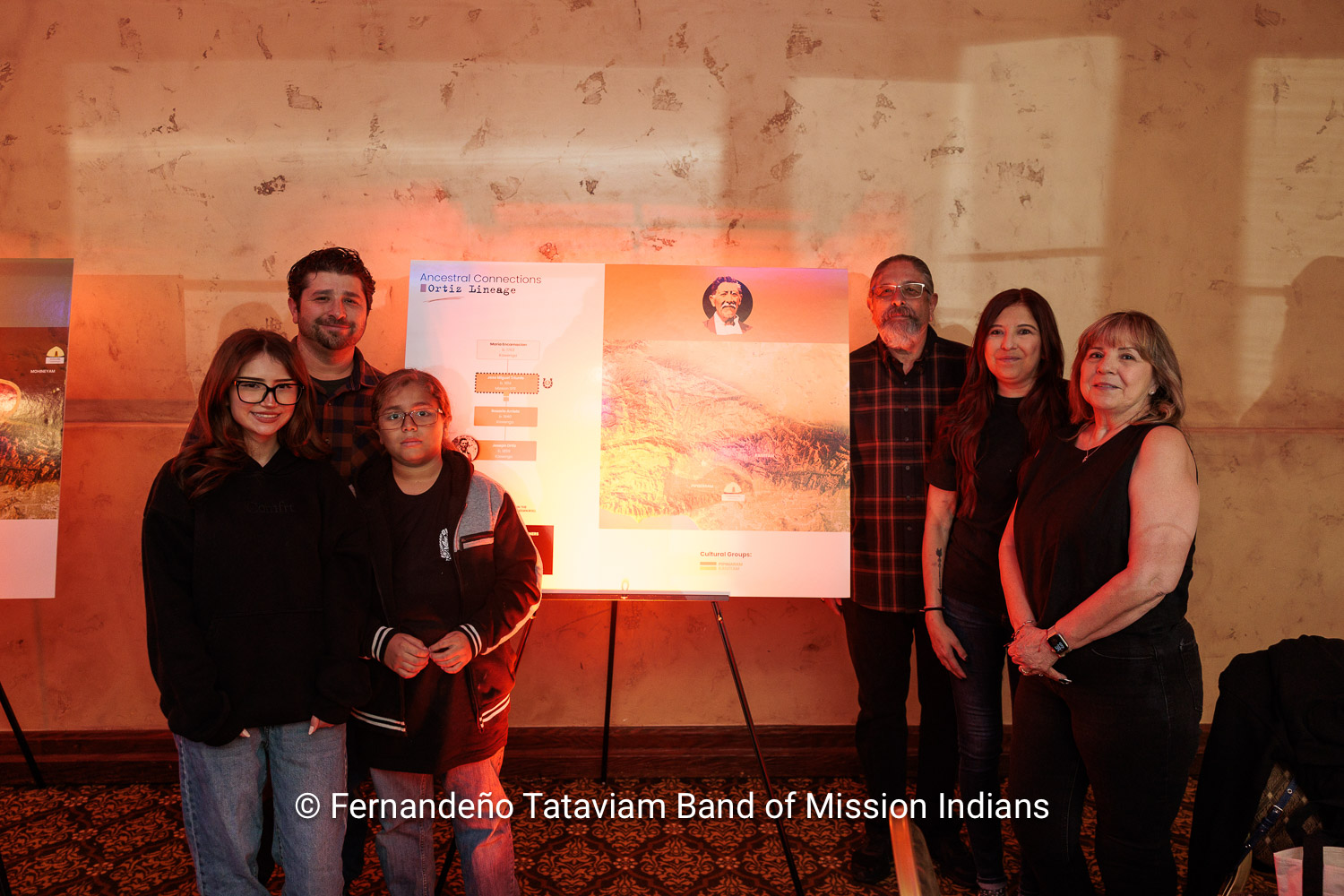
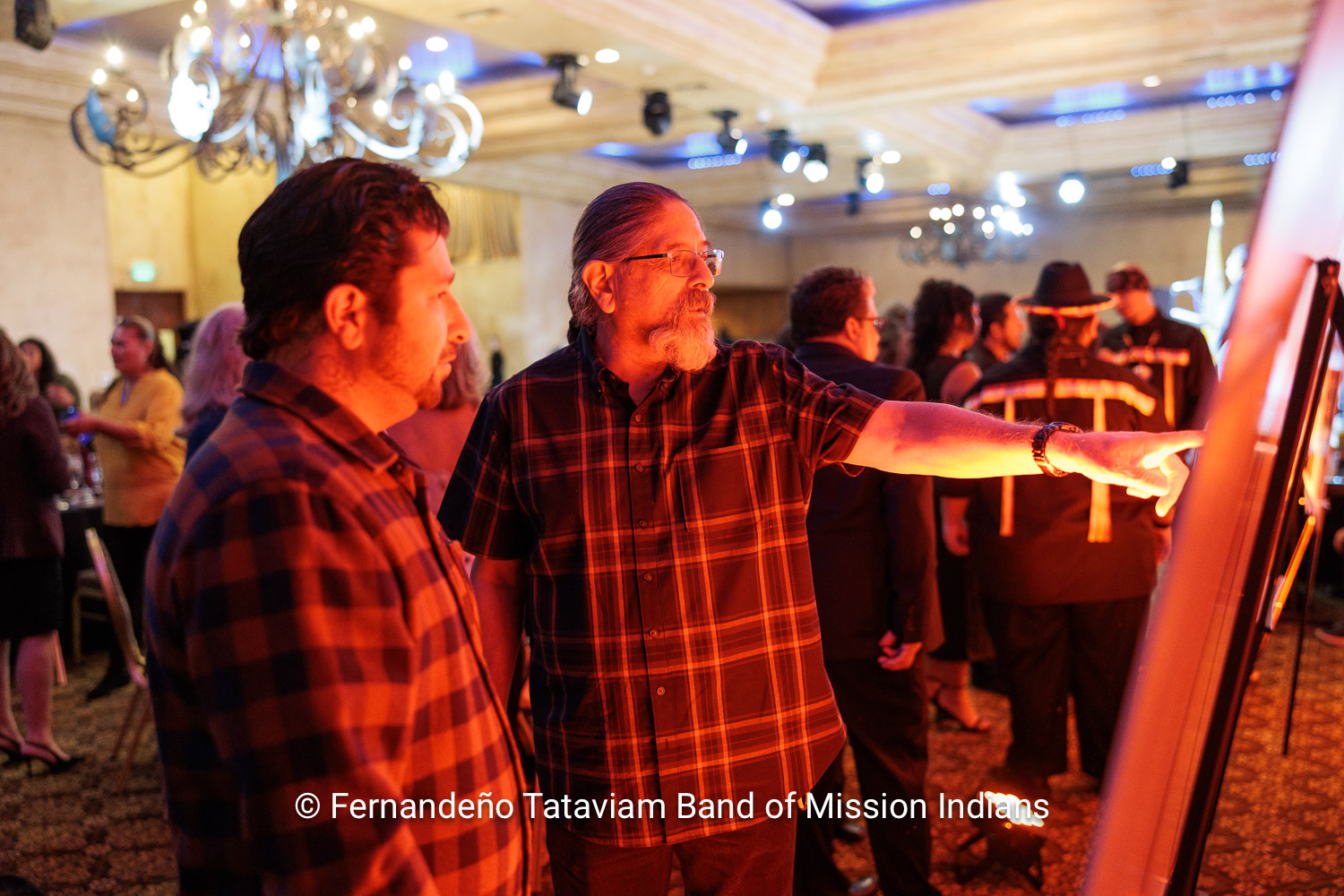
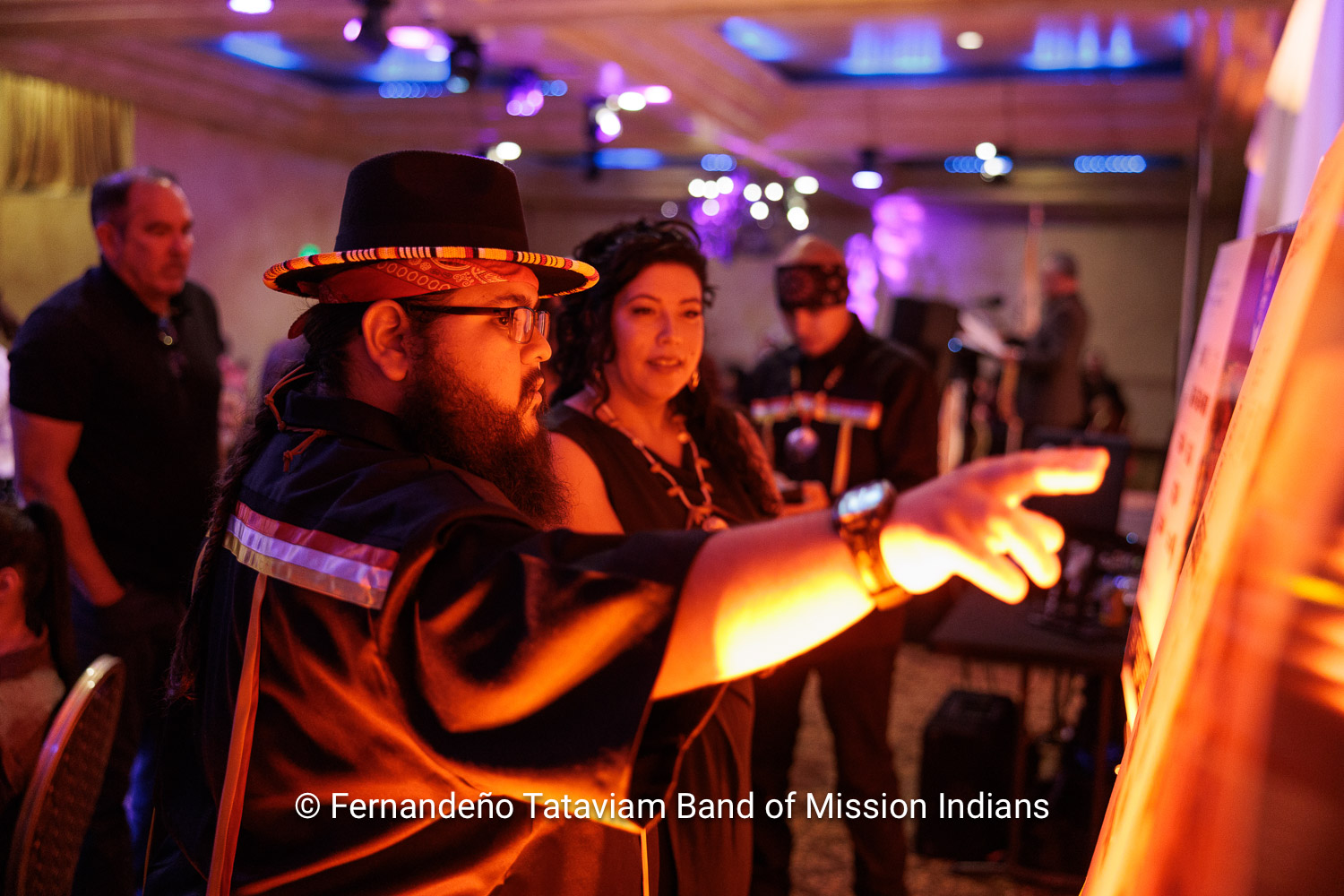
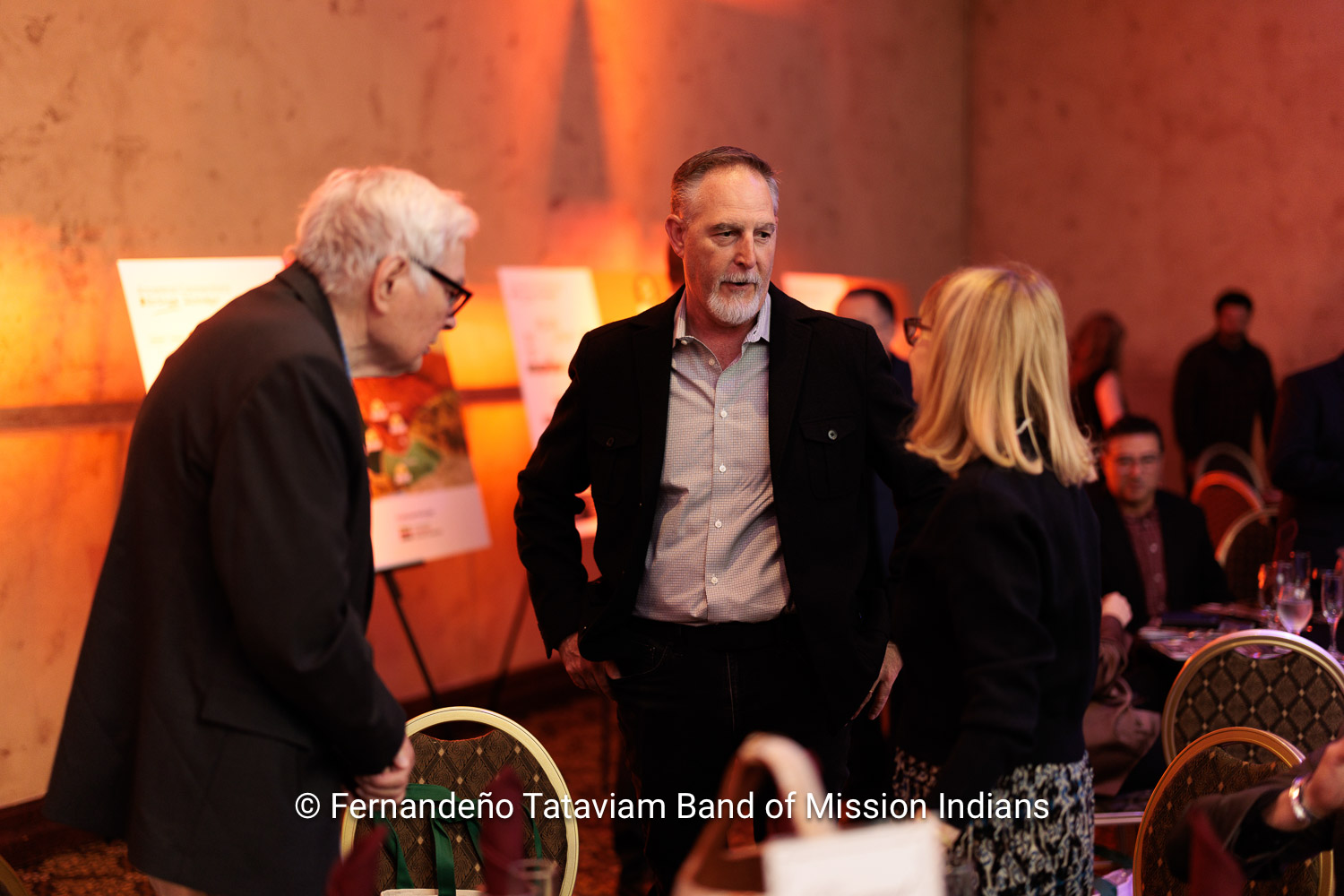
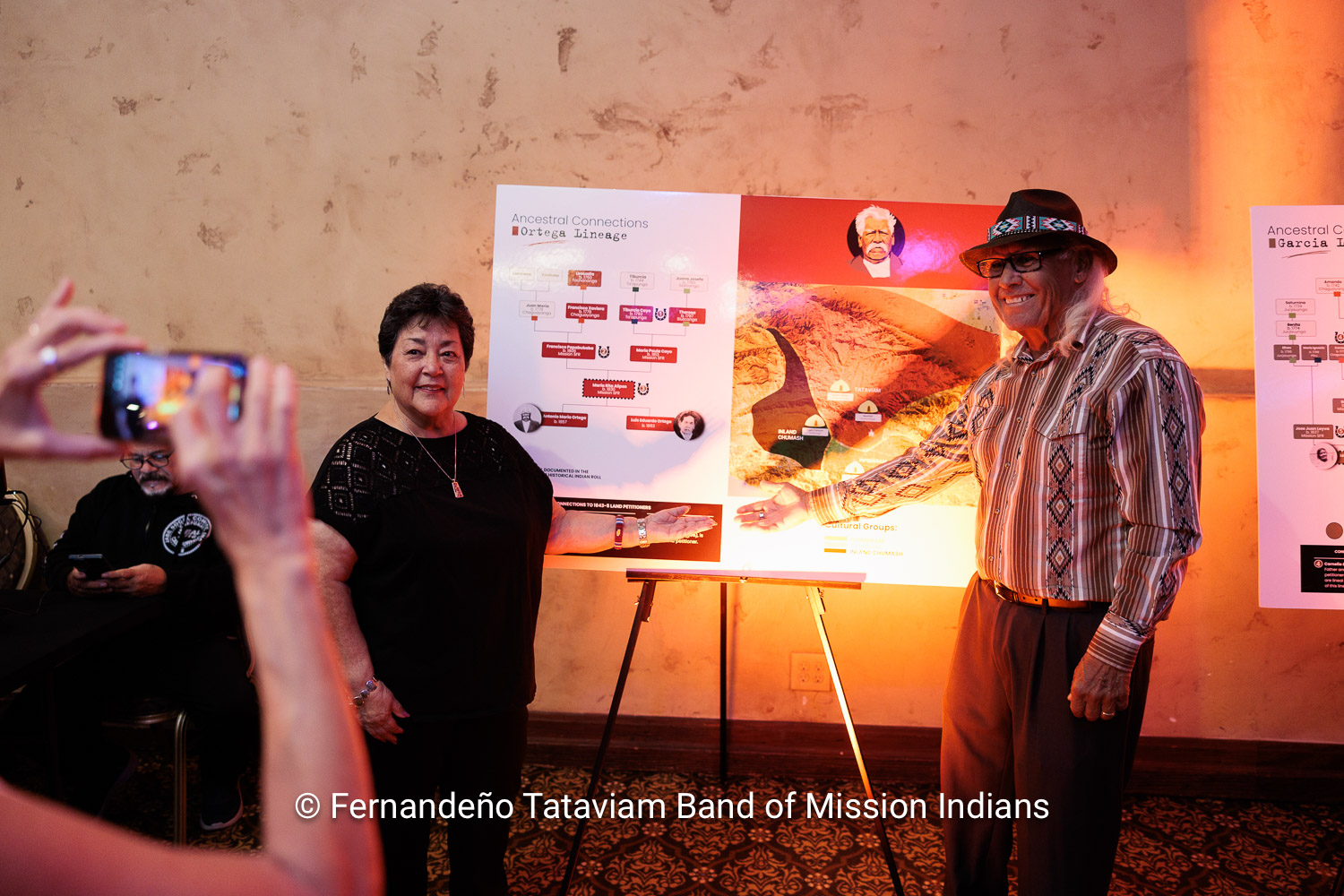
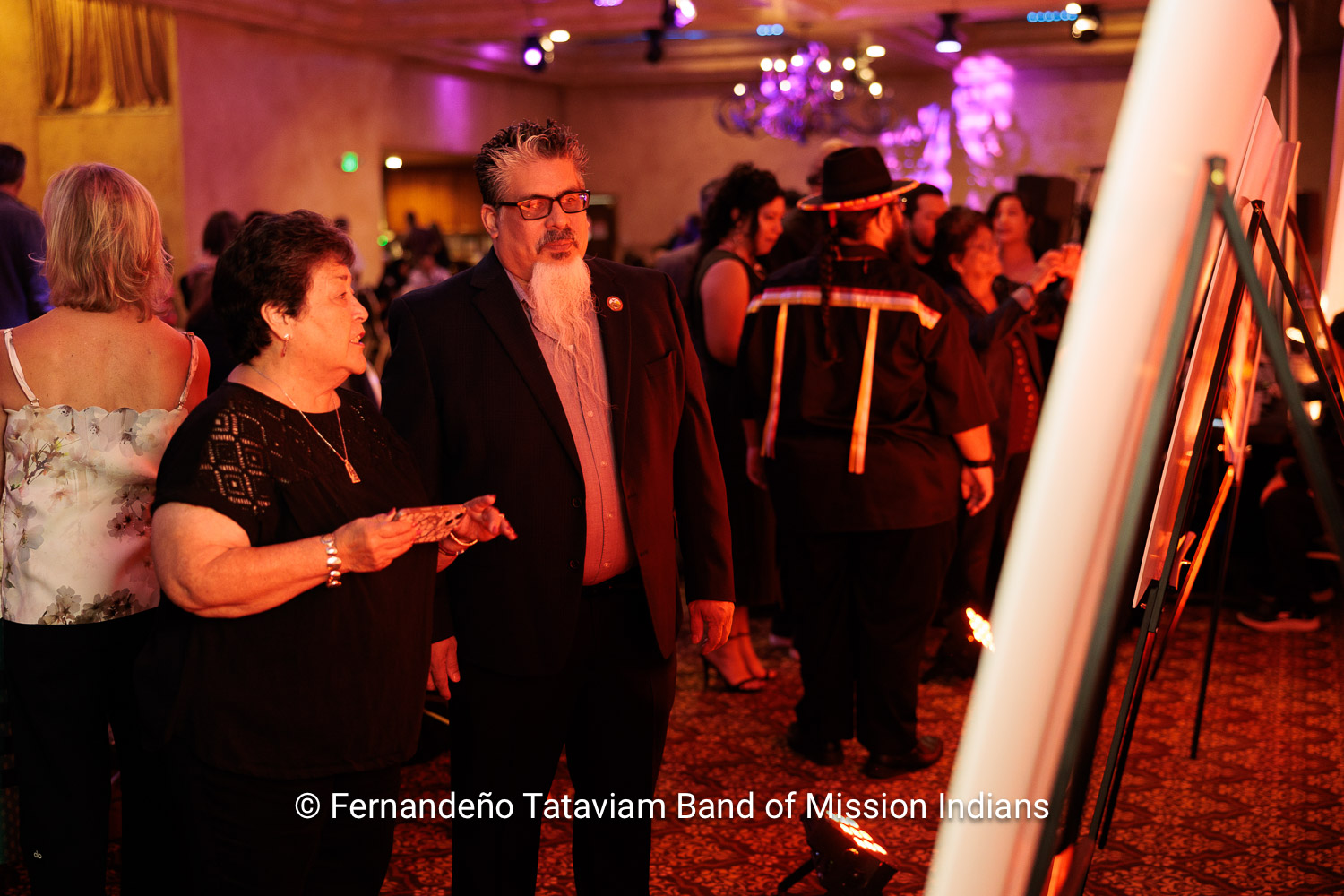
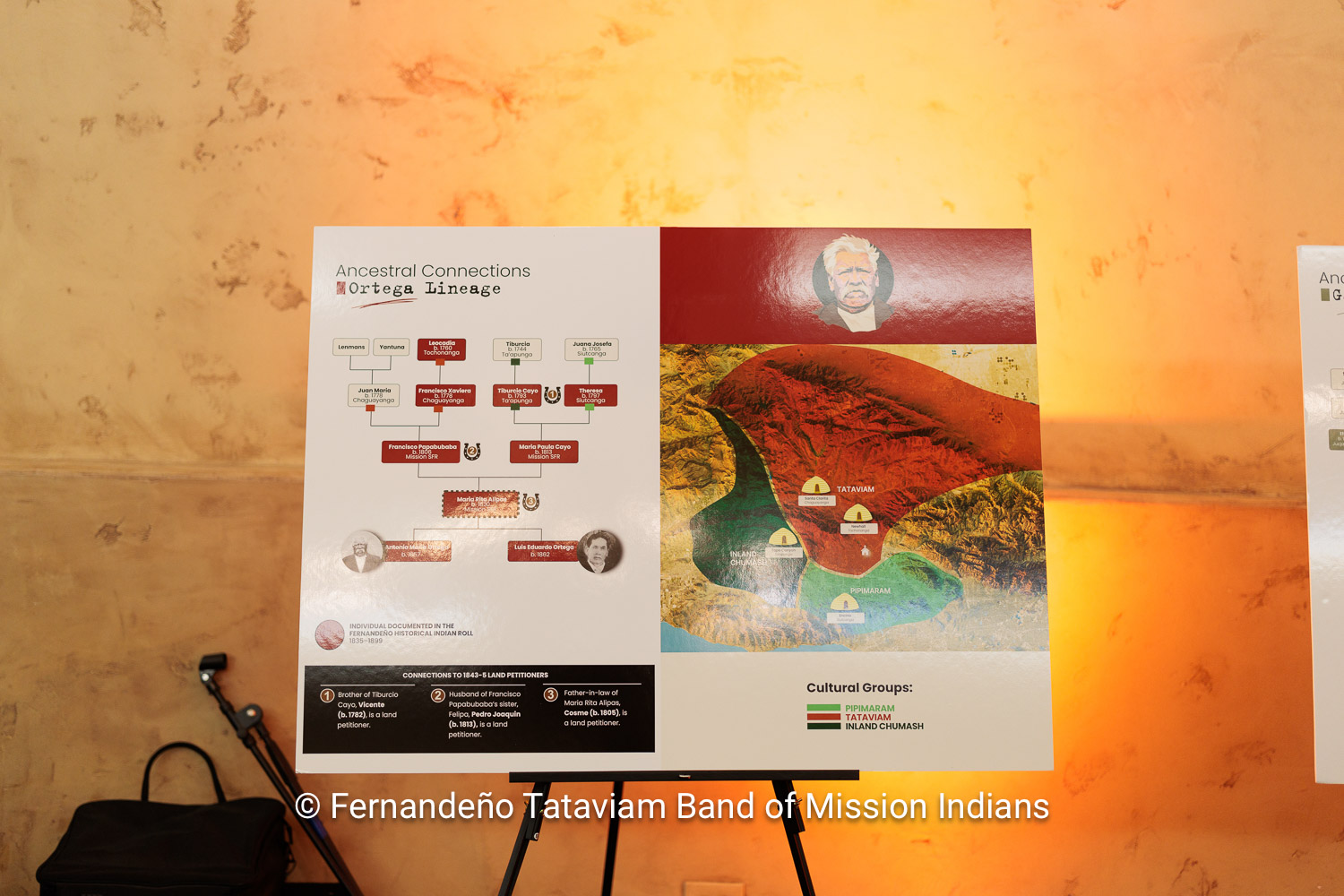
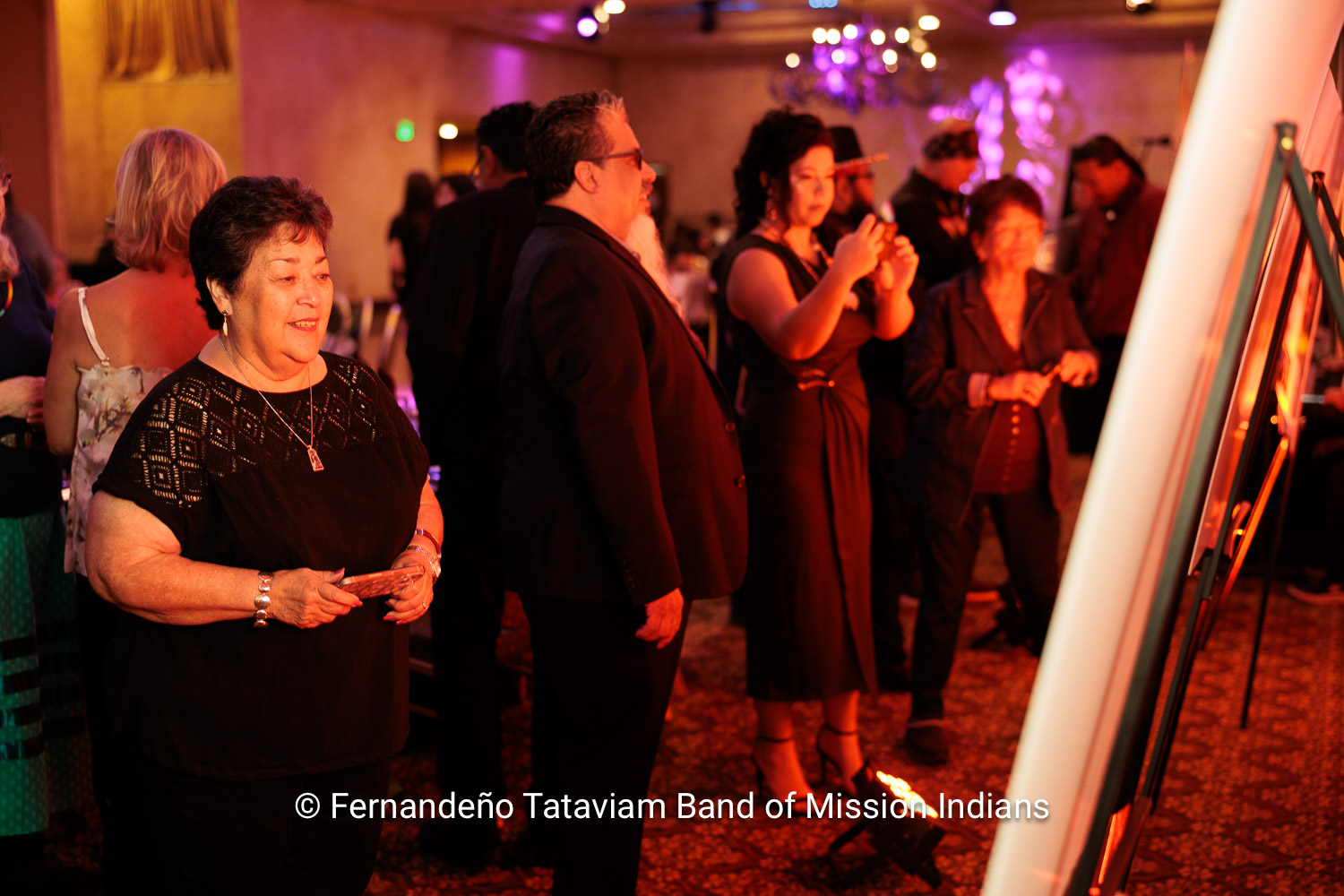
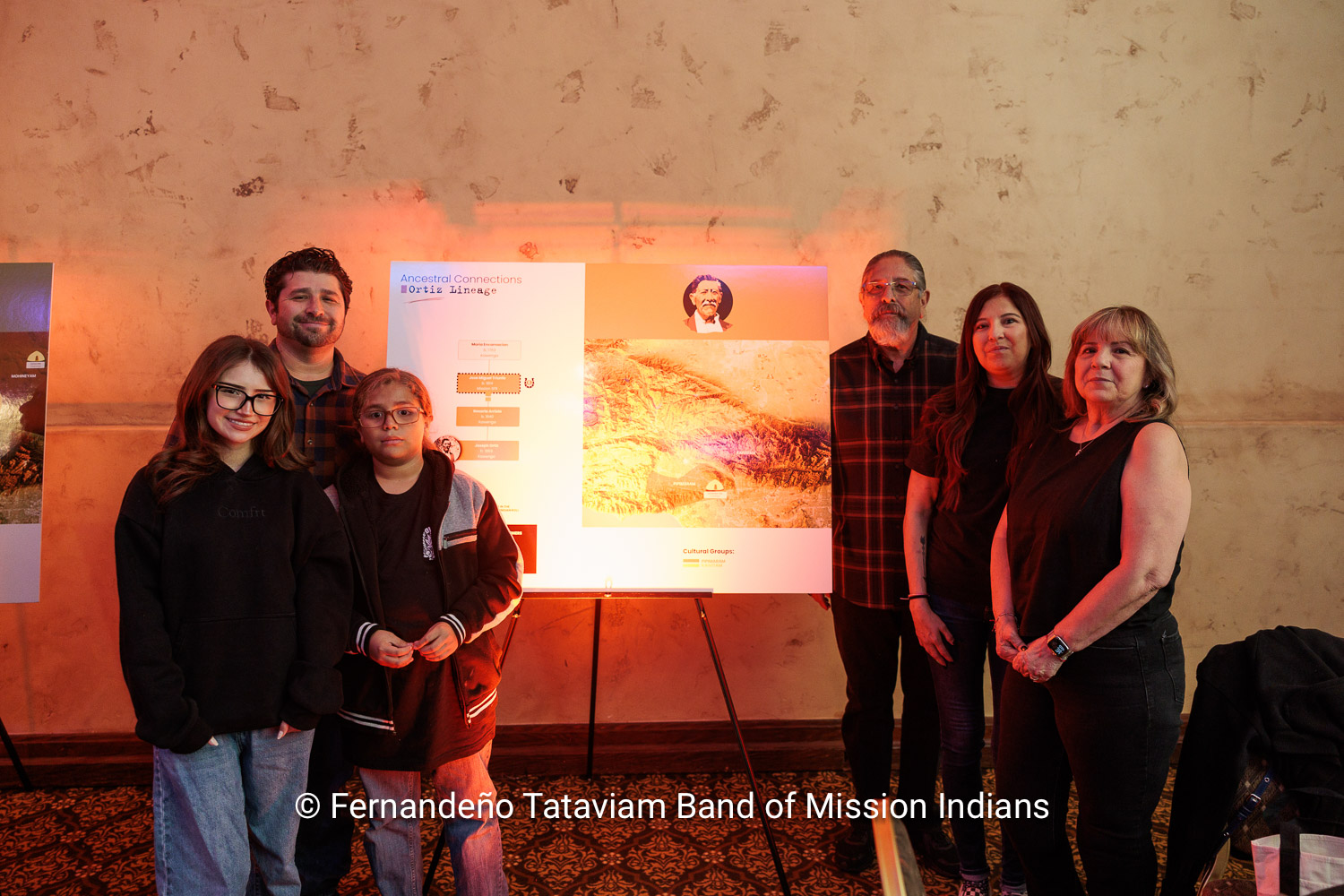
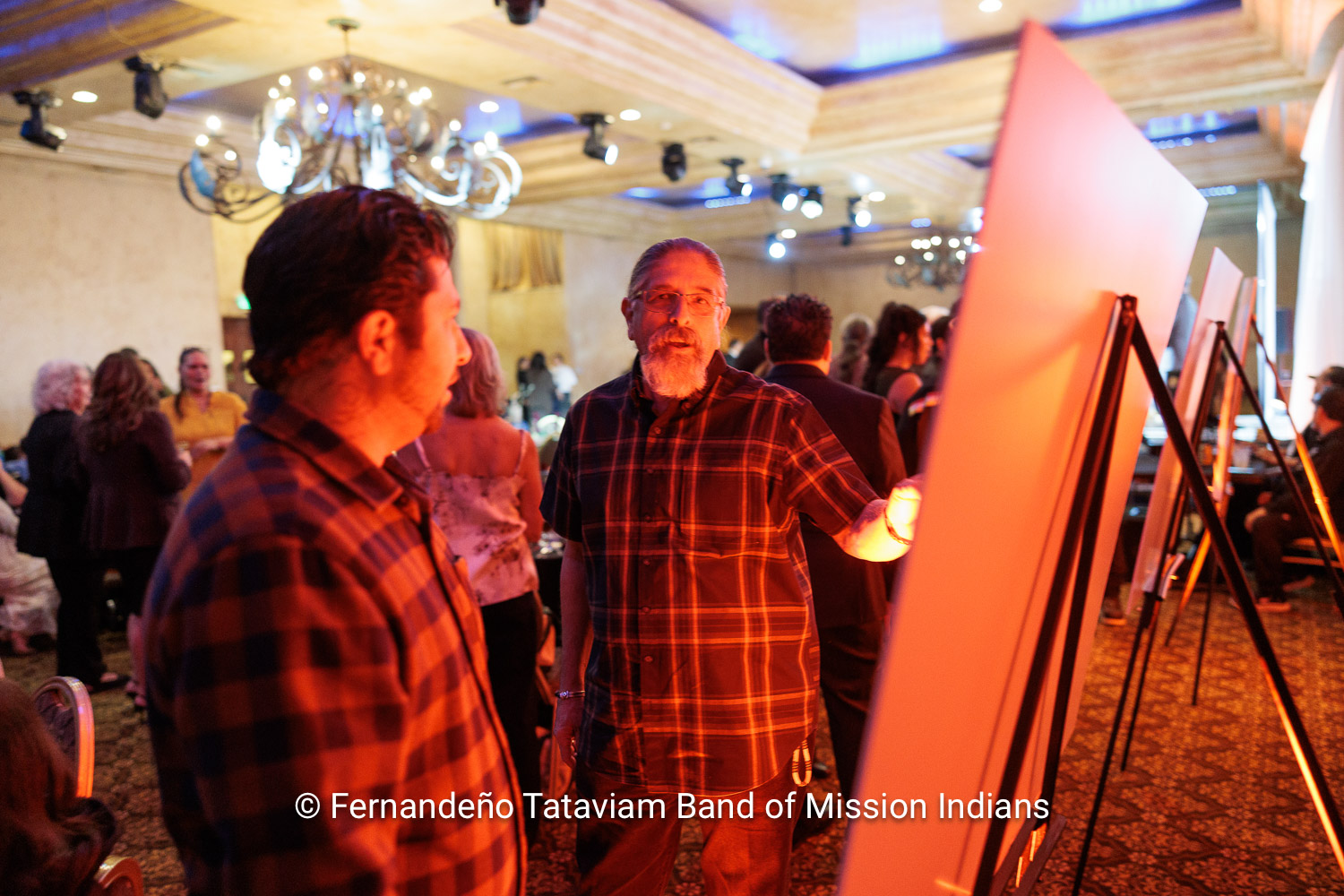
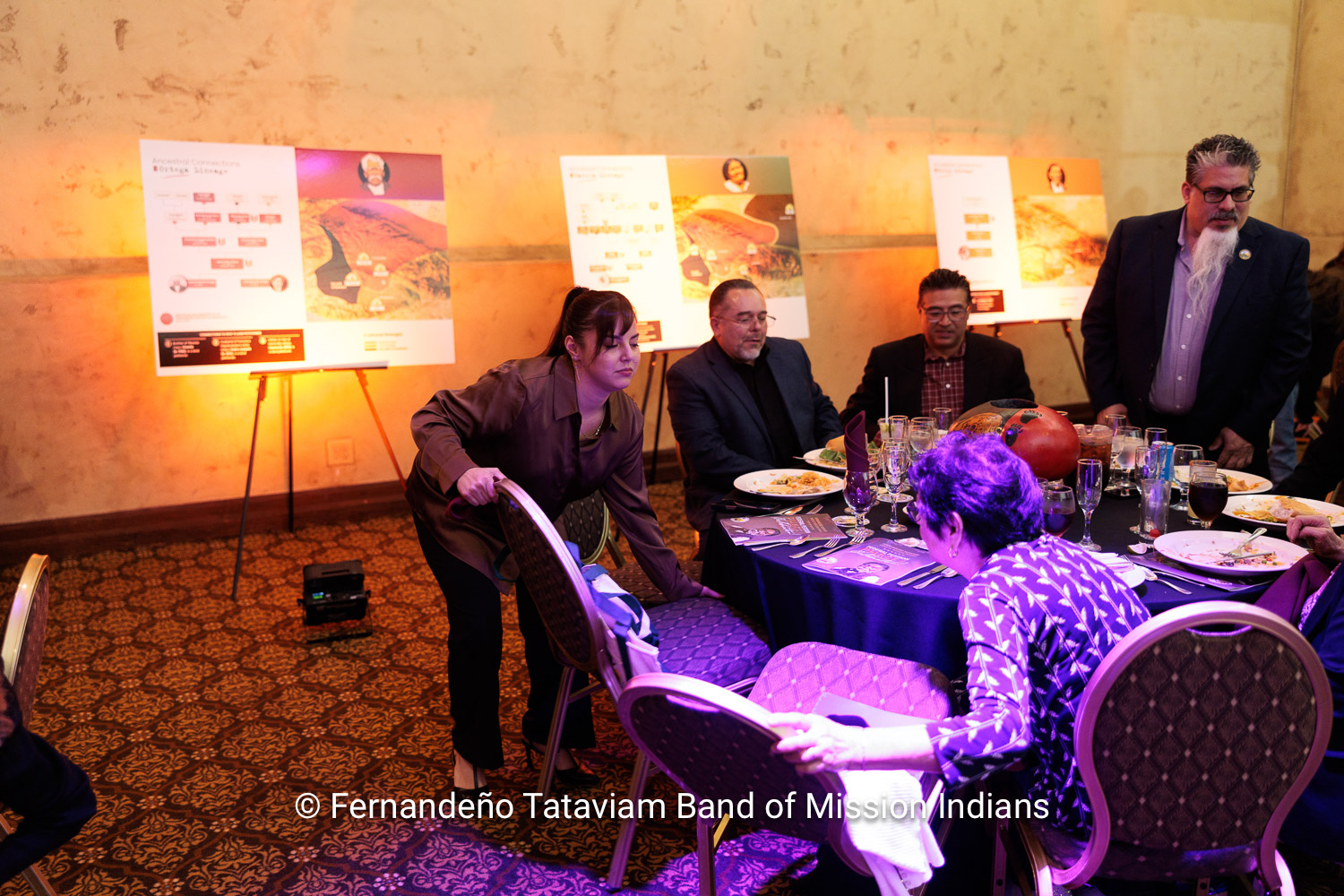
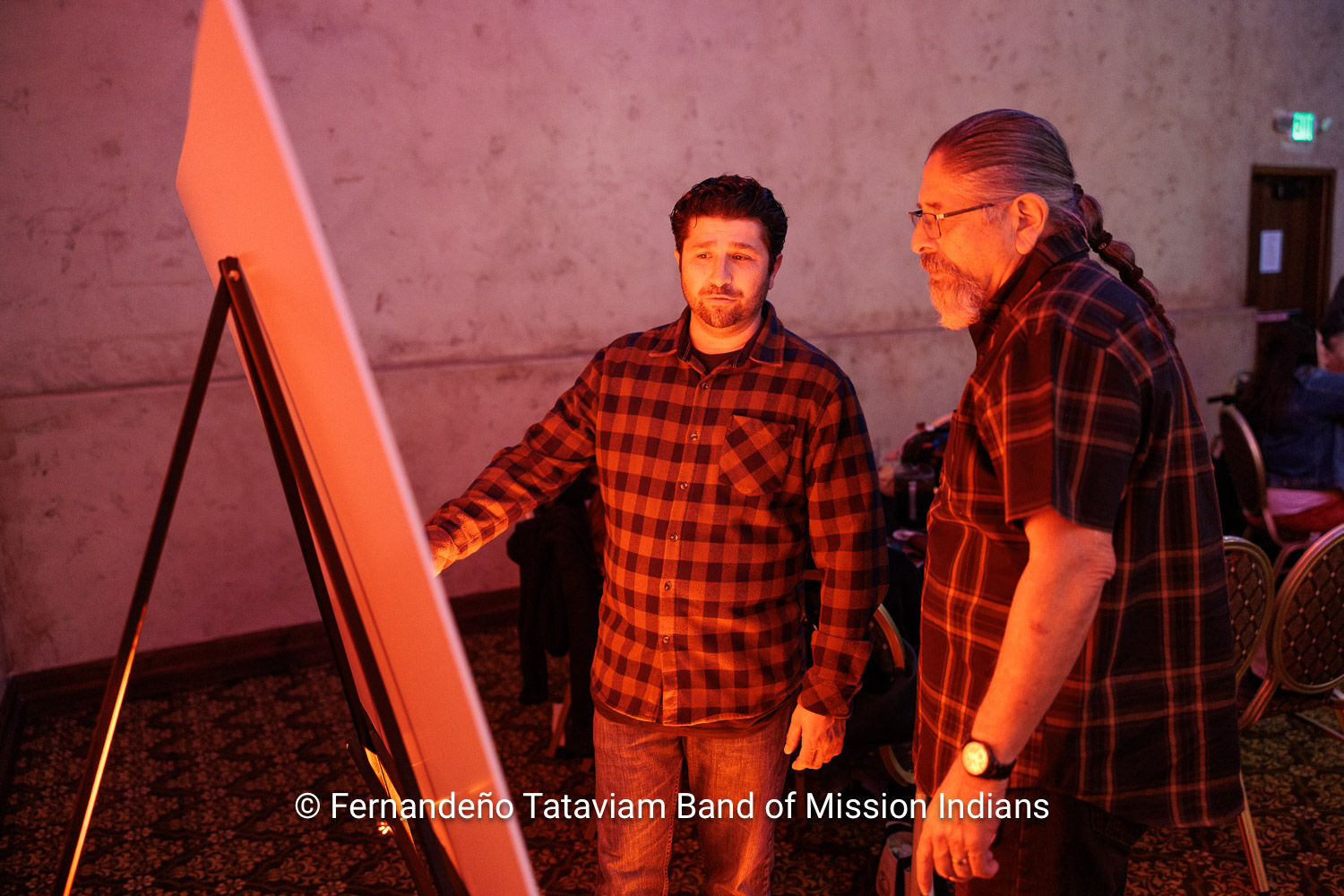
Chief of Staff Kimia Fatehi reflected on the lives behind the historical records assembled for the petition. Kinship diagrams displayed at the event connected ancestral names across generations, offering a visible expression of the relationships that continue through today’s Tribal families. Her remarks also honored those who contributed to the Tribe’s journey but did not live to witness this milestone. Their perseverance remains part of the foundation for the work carried forward today.
Recognizing Progress and Building for the Future
Phase I reviewed four mandatory criteria concerning the Tribe’s governing document, descent from a historical Indian tribe, membership, and the absence of congressional termination. Meeting these criteria represents years of historical research, genealogical documentation, legal analysis, and contributions from Tribal Citizens.
Vice President Villaseñor highlighted how the Tribe continues to strengthen its institutions while pursuing acknowledgment. His presentation recognized Pukúu Cultural Community Services, Tataviam Land Conservancy, Tiüvac’a’ai Tribal Conservation Corps, Paséki Strategies Corporation, and Native First Lending, along with the developing Fernandeño Community Health initiative.
Together, these efforts advance community well-being, cultural revitalization, land stewardship, workforce development, and economic opportunity.
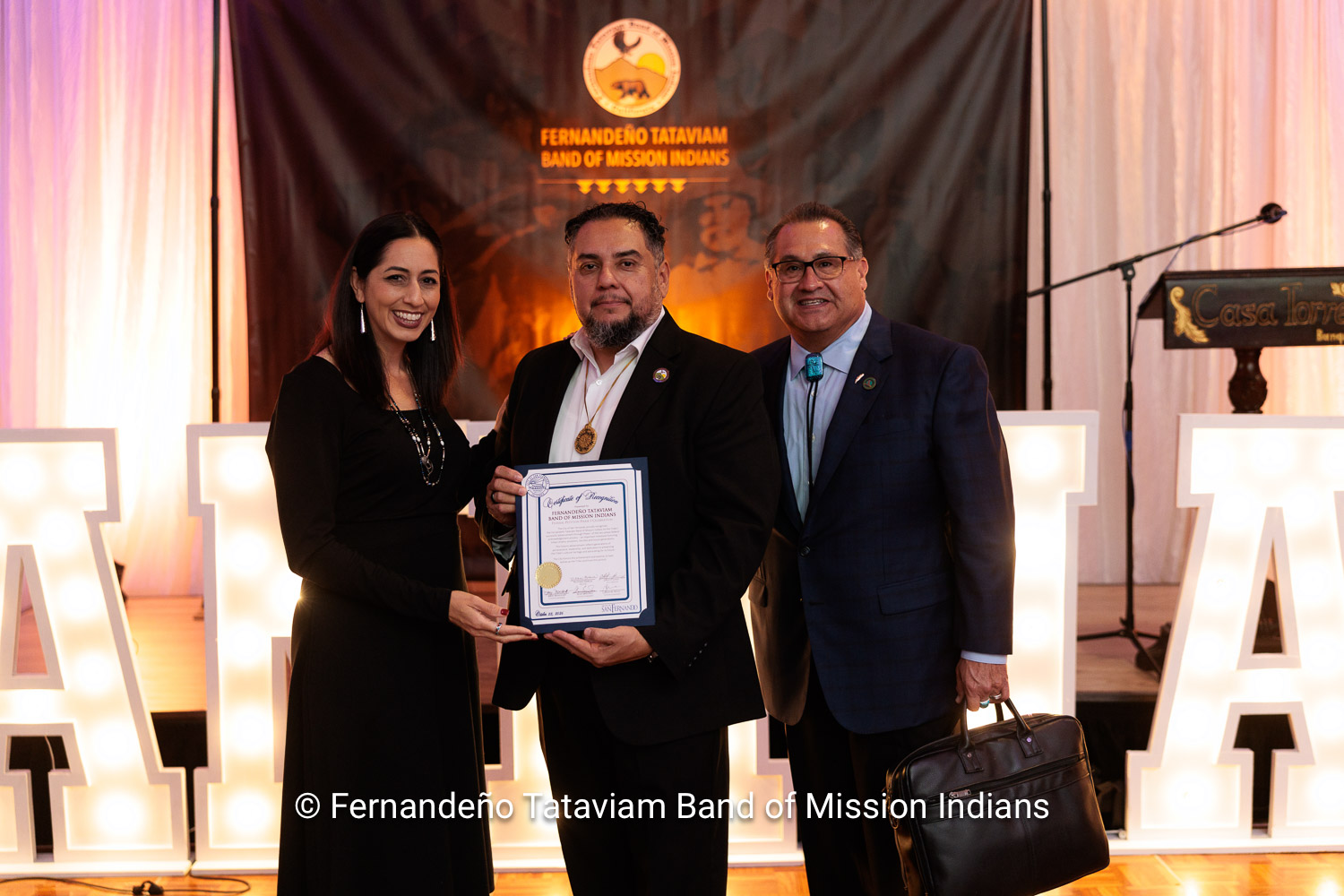
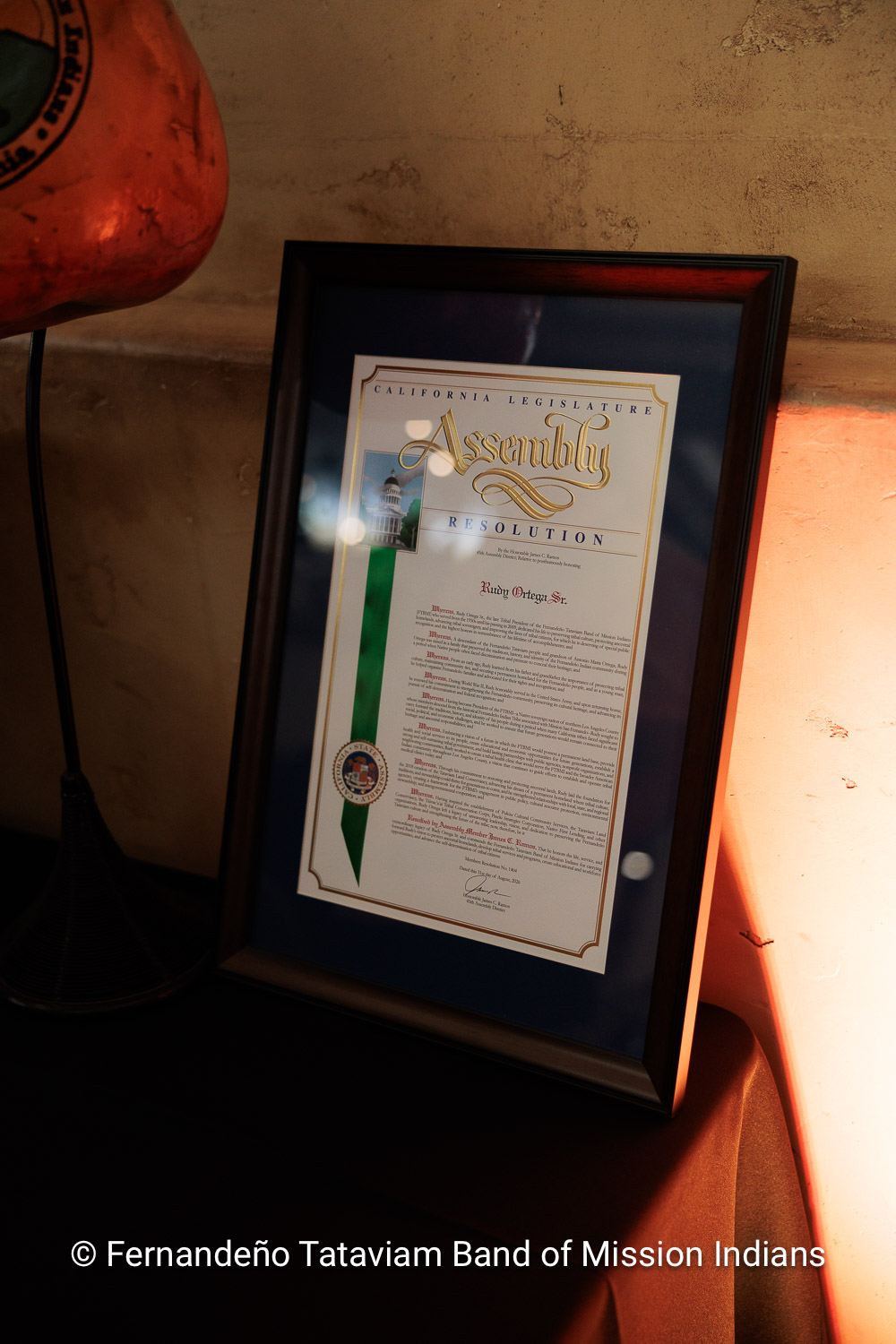
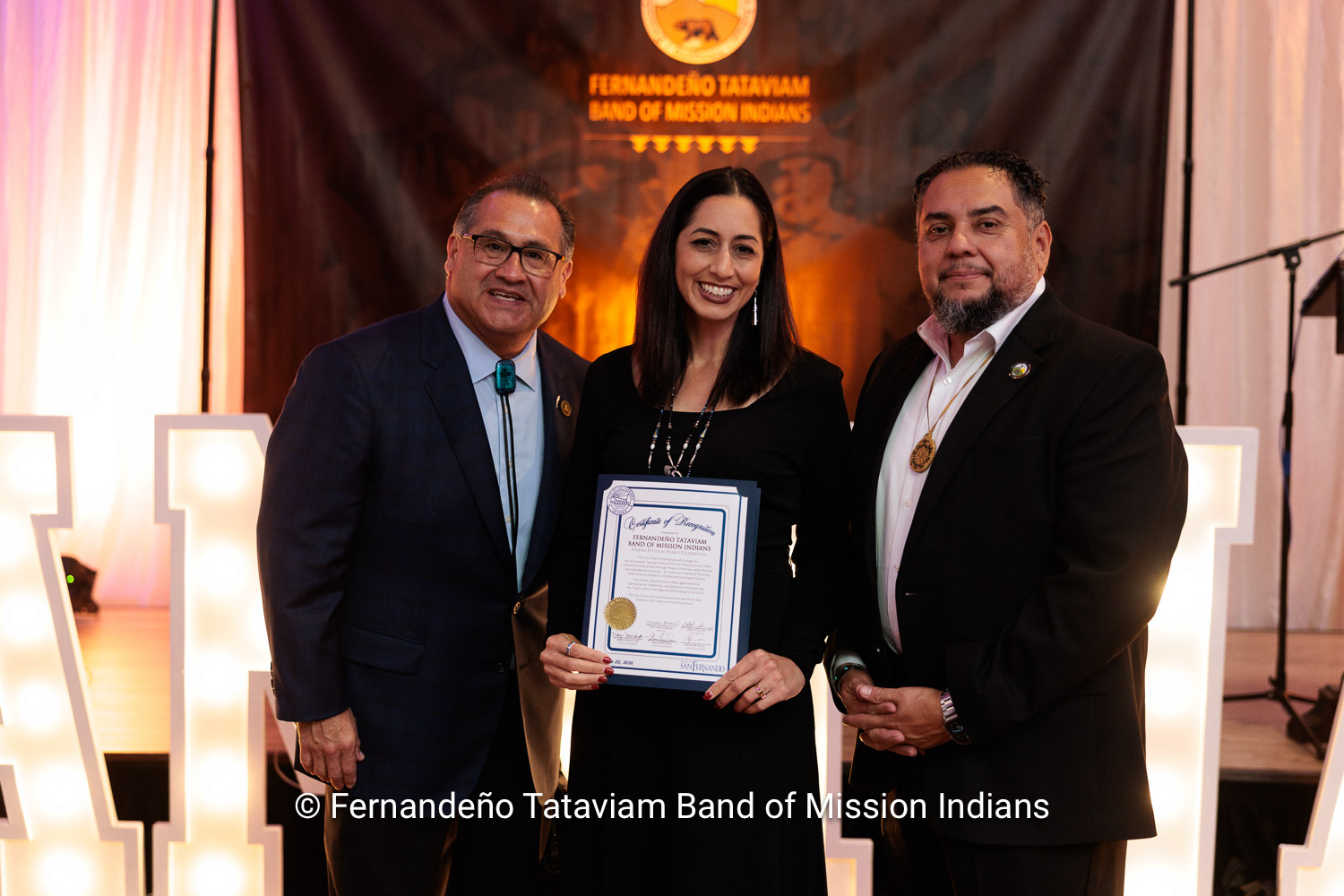
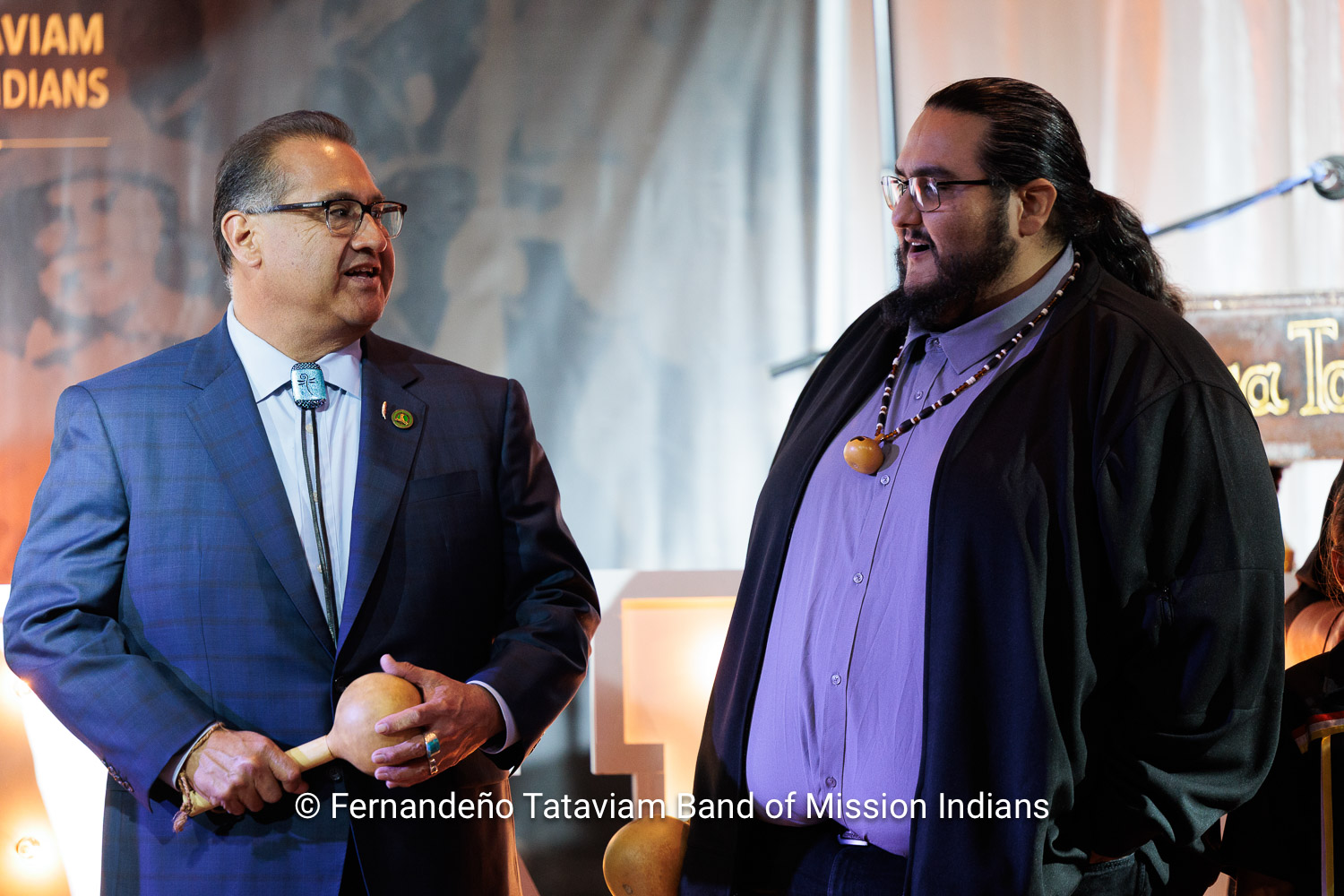
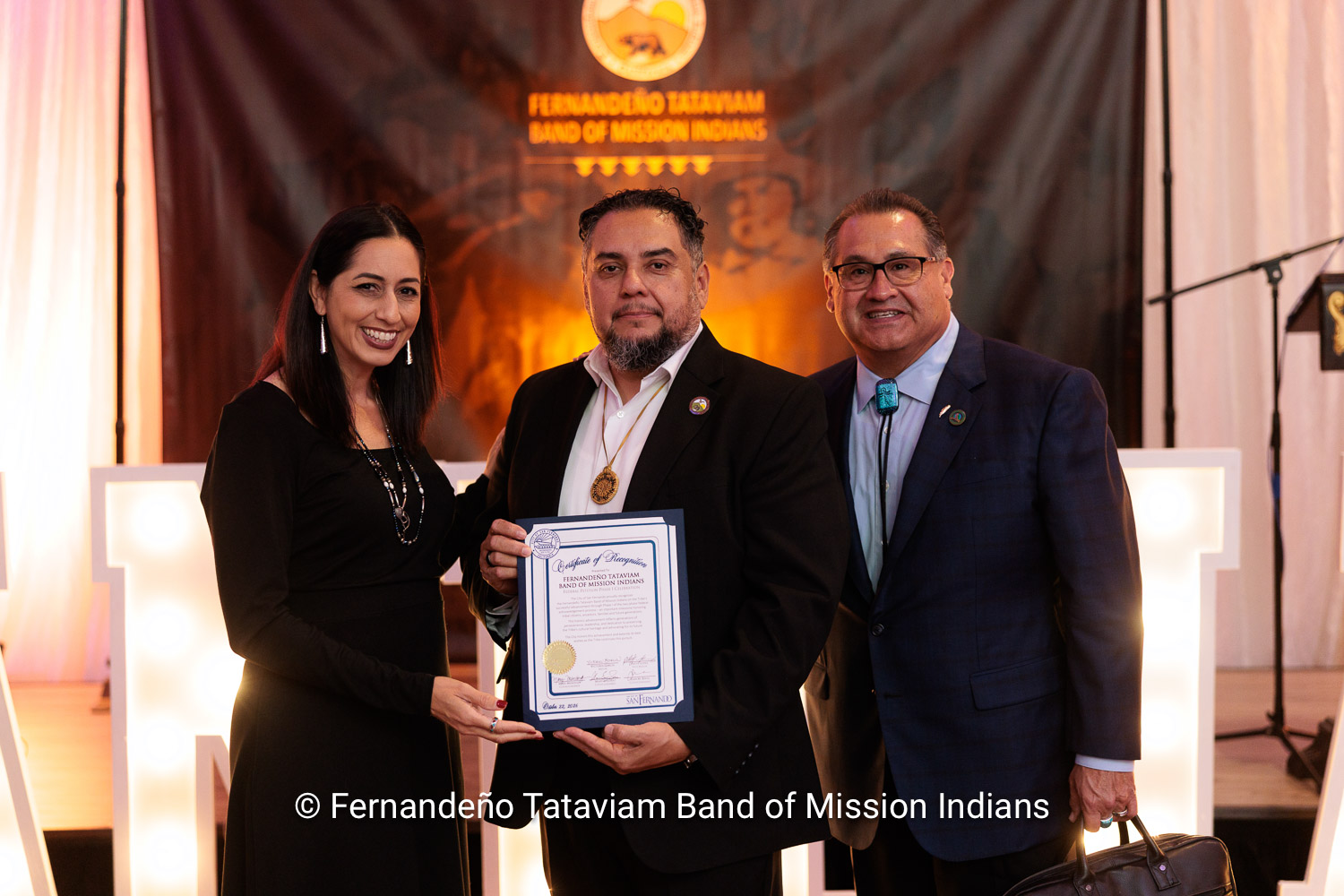
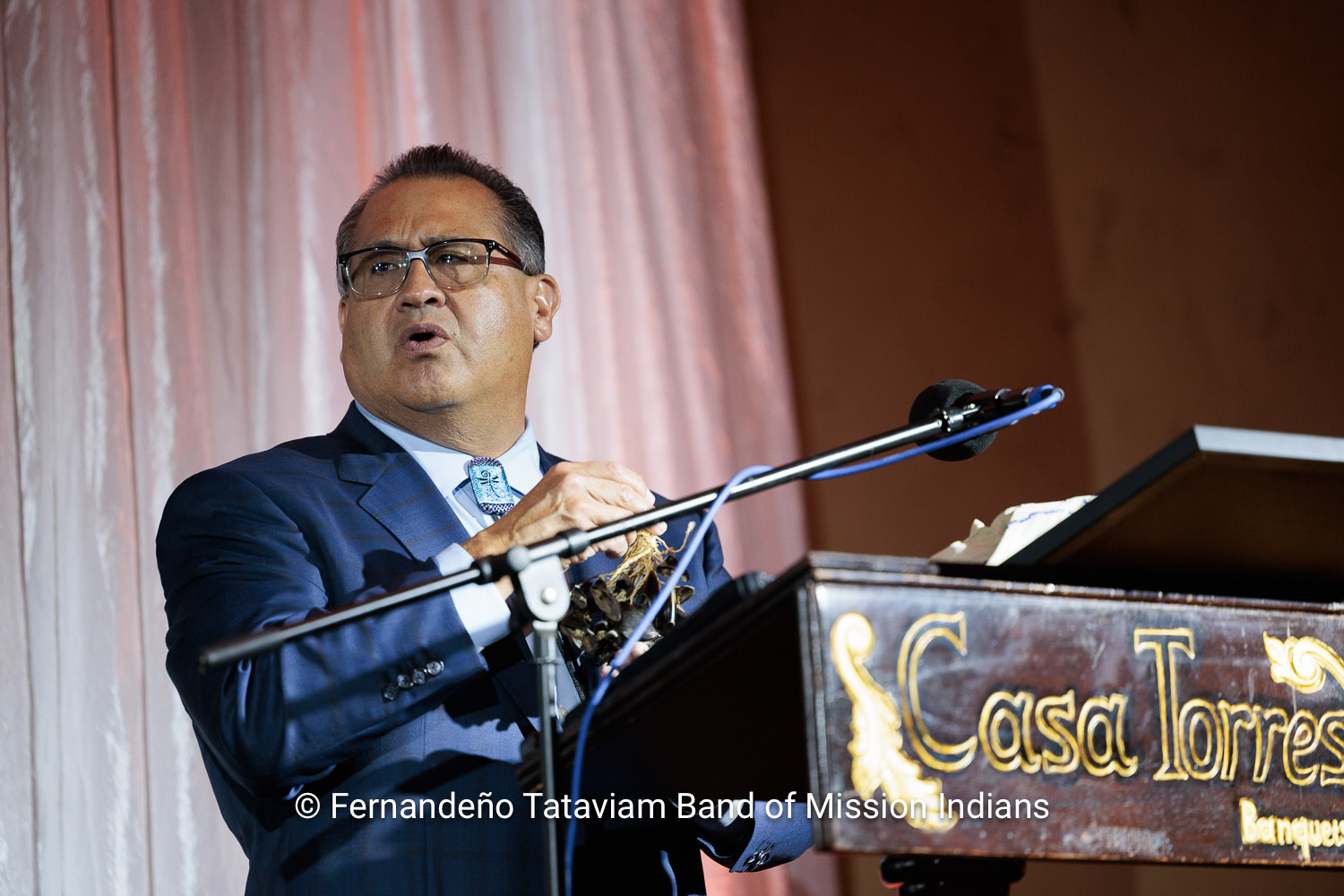
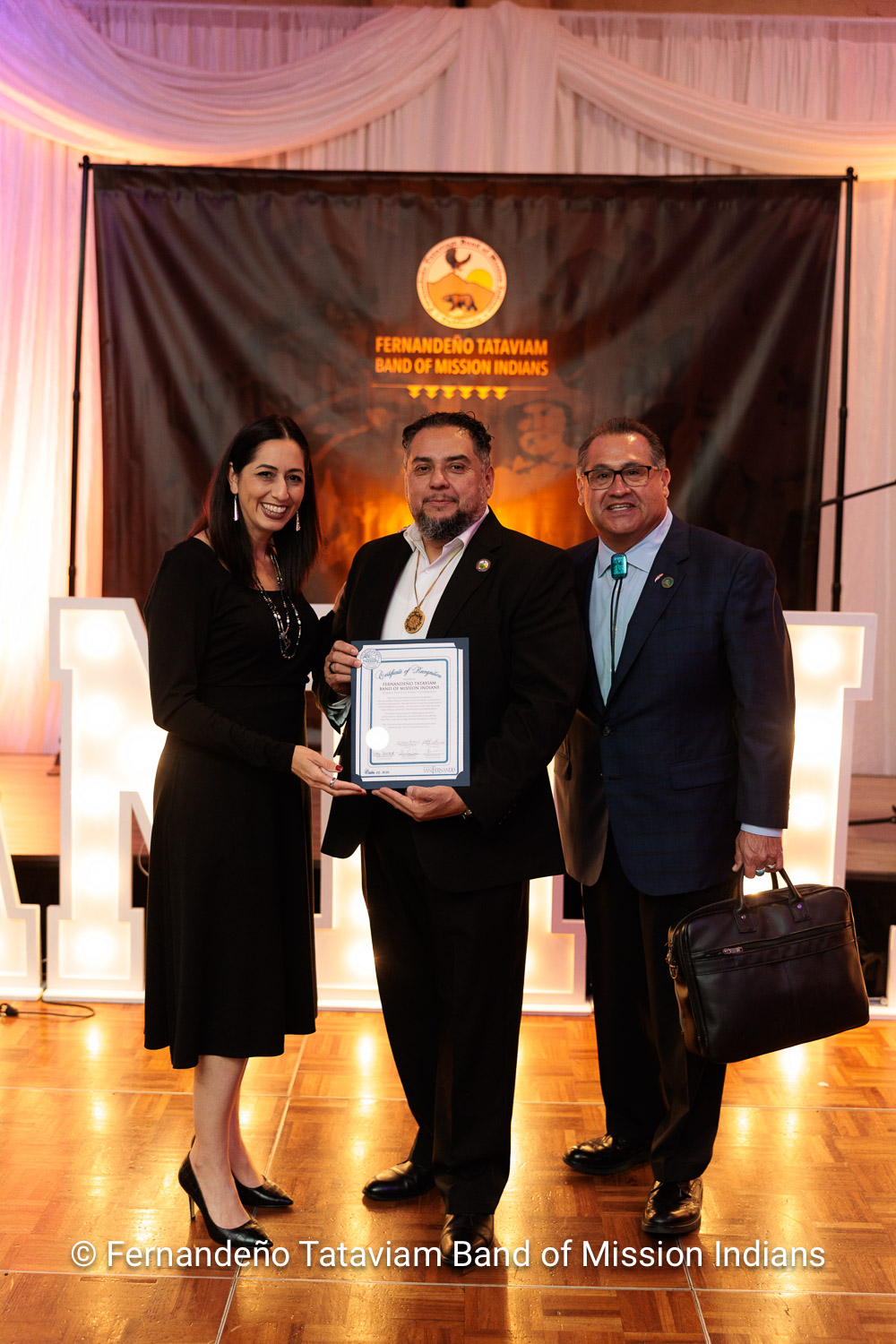
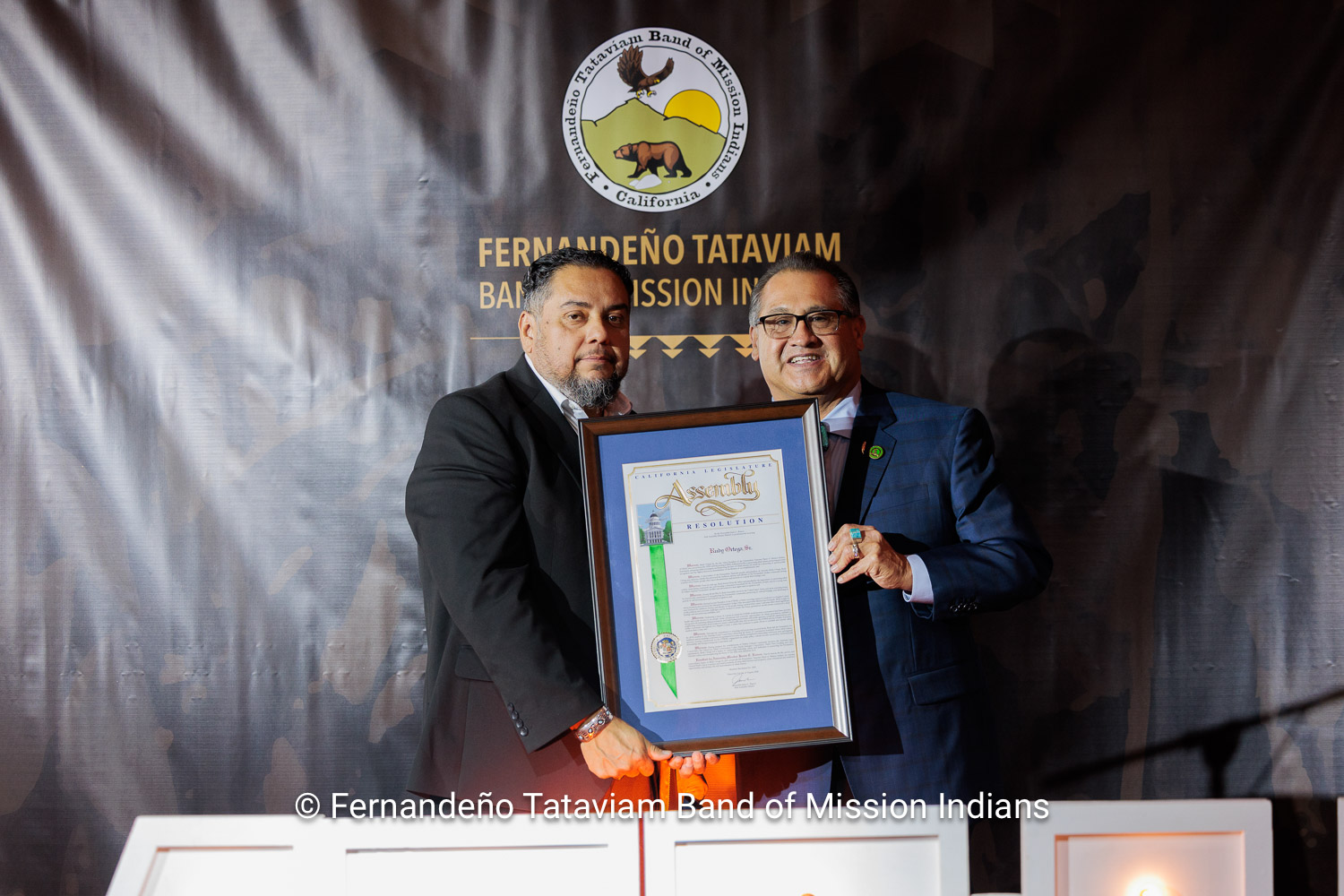
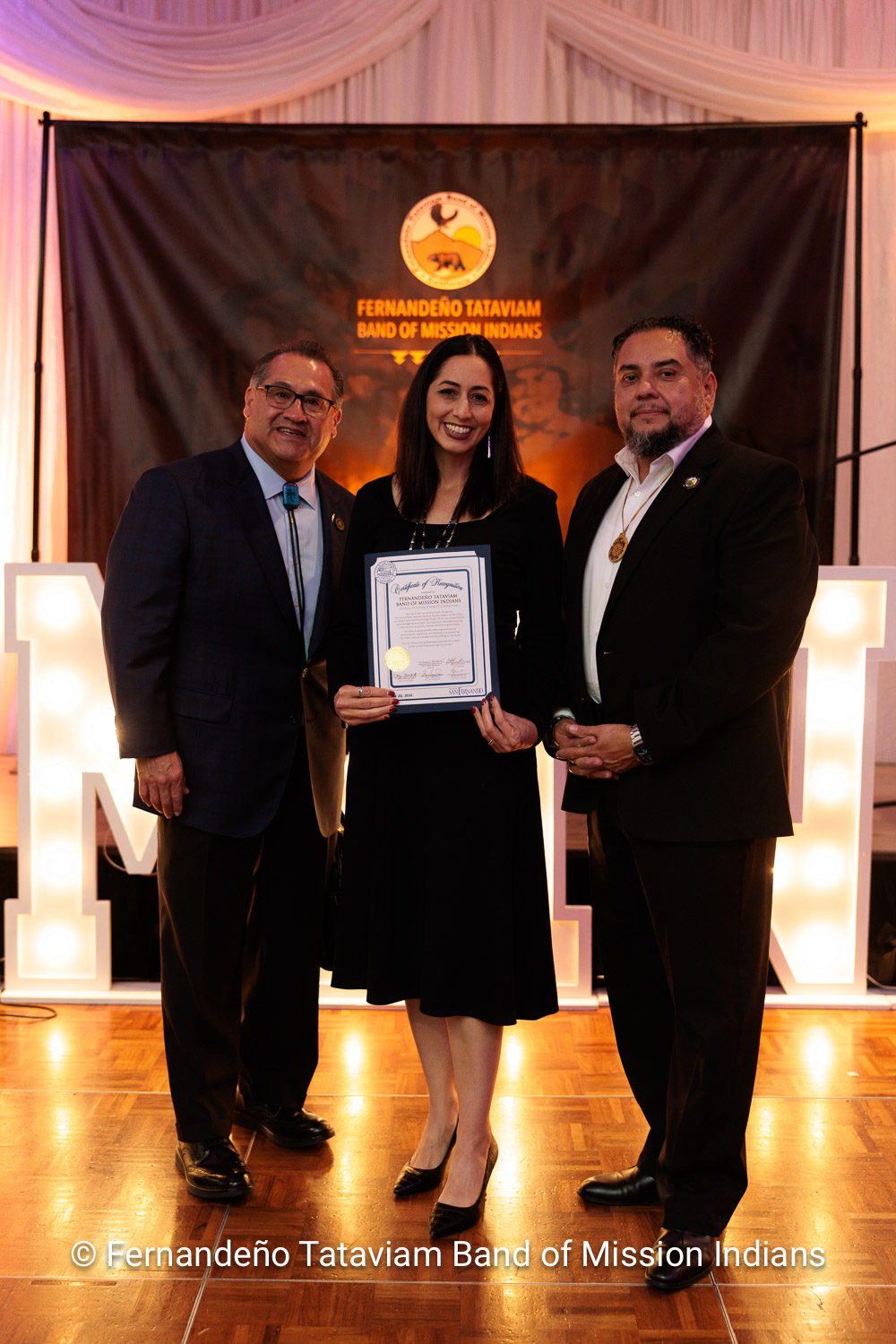
Assemblymember Ramos, who made history as the first California Native American elected to the Legislature, offered special remarks and presented a state resolution recognizing the milestone and the late President Rudy Ortega Sr.’s contributions to the community. President Rudy Ortega Jr. then reflected on the dedication behind the petition and announced that the Tribe had officially entered Phase II of the federal acknowledgment review.
Phase II will examine three remaining criteria: the Tribe’s identification as an American Indian entity, its continued existence as a distinct community, and its maintenance of political influence or authority over its members. The Office of Federal Acknowledgment will review the petition’s historical evidence and provide technical assistance identifying any gaps or areas requiring clarification. The Tribe will have an opportunity to respond with additional documentation and explanations, continuing the careful research and preparation that brought the petition through Phase I.
The President emphasized that the petition remains one part of the Nation’s broader responsibilities. Protecting ancestral lands, supporting Citizens, revitalizing culture, and building institutions for future generations continue alongside the federal process.
Honoring Decades of Dedication
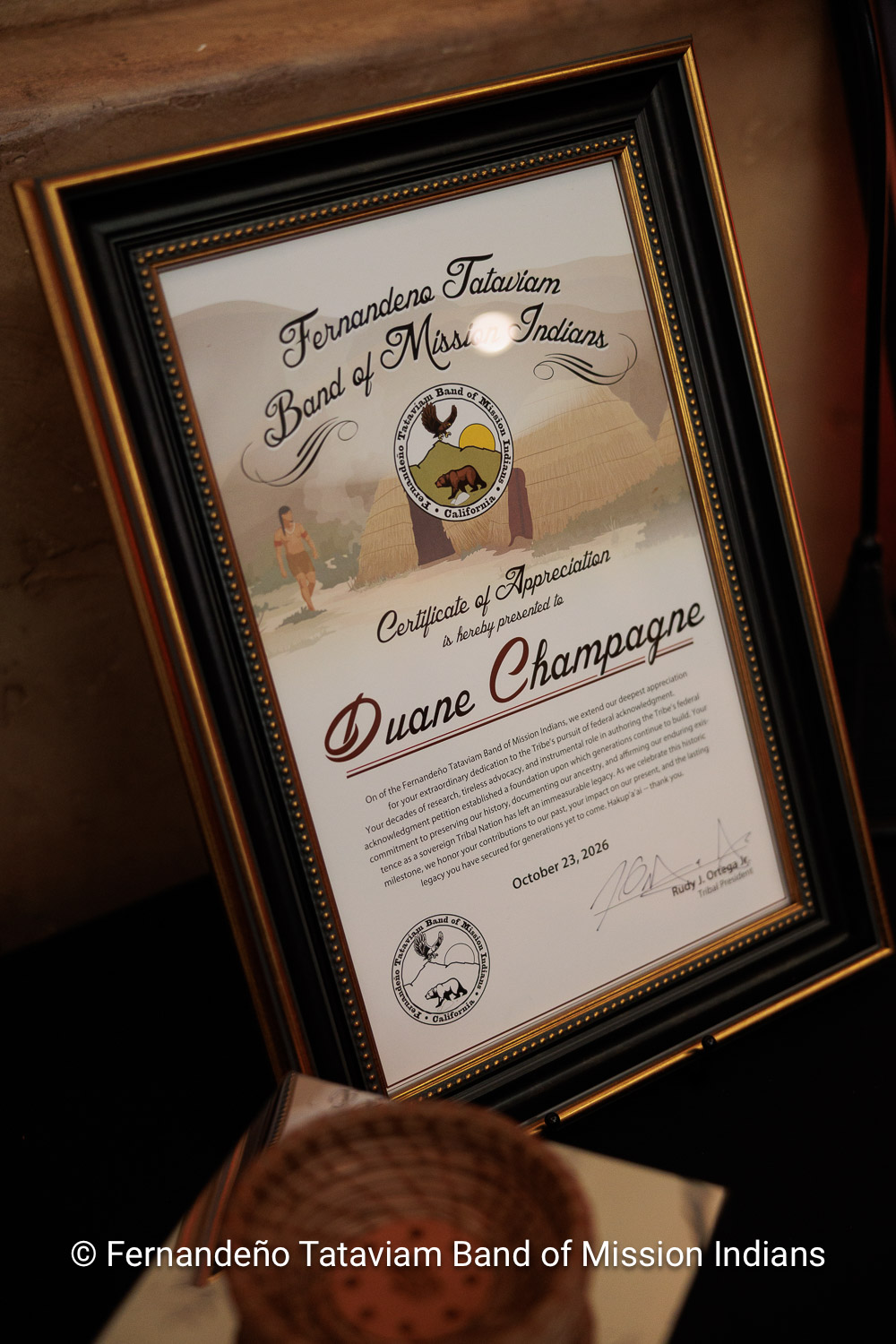
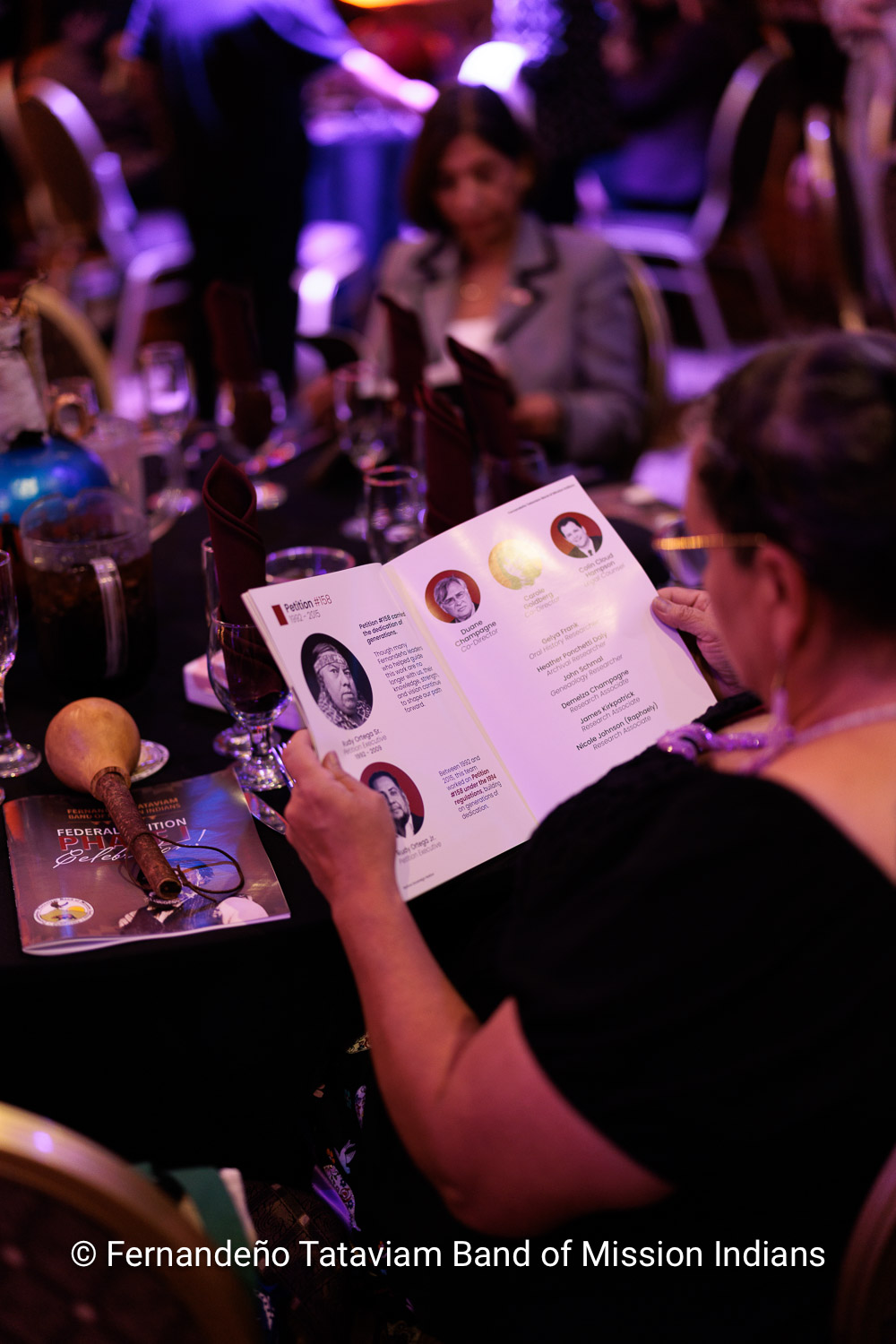
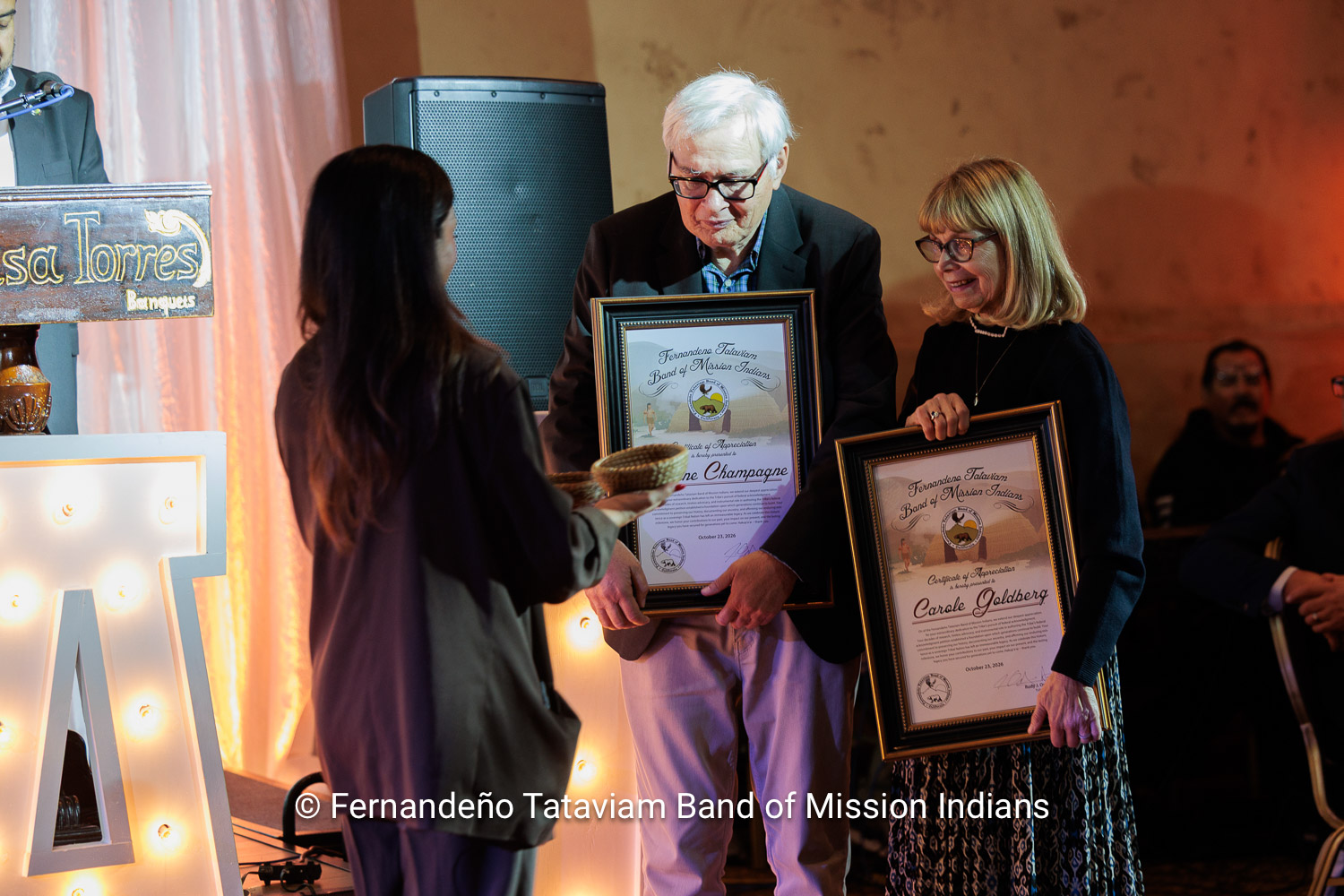
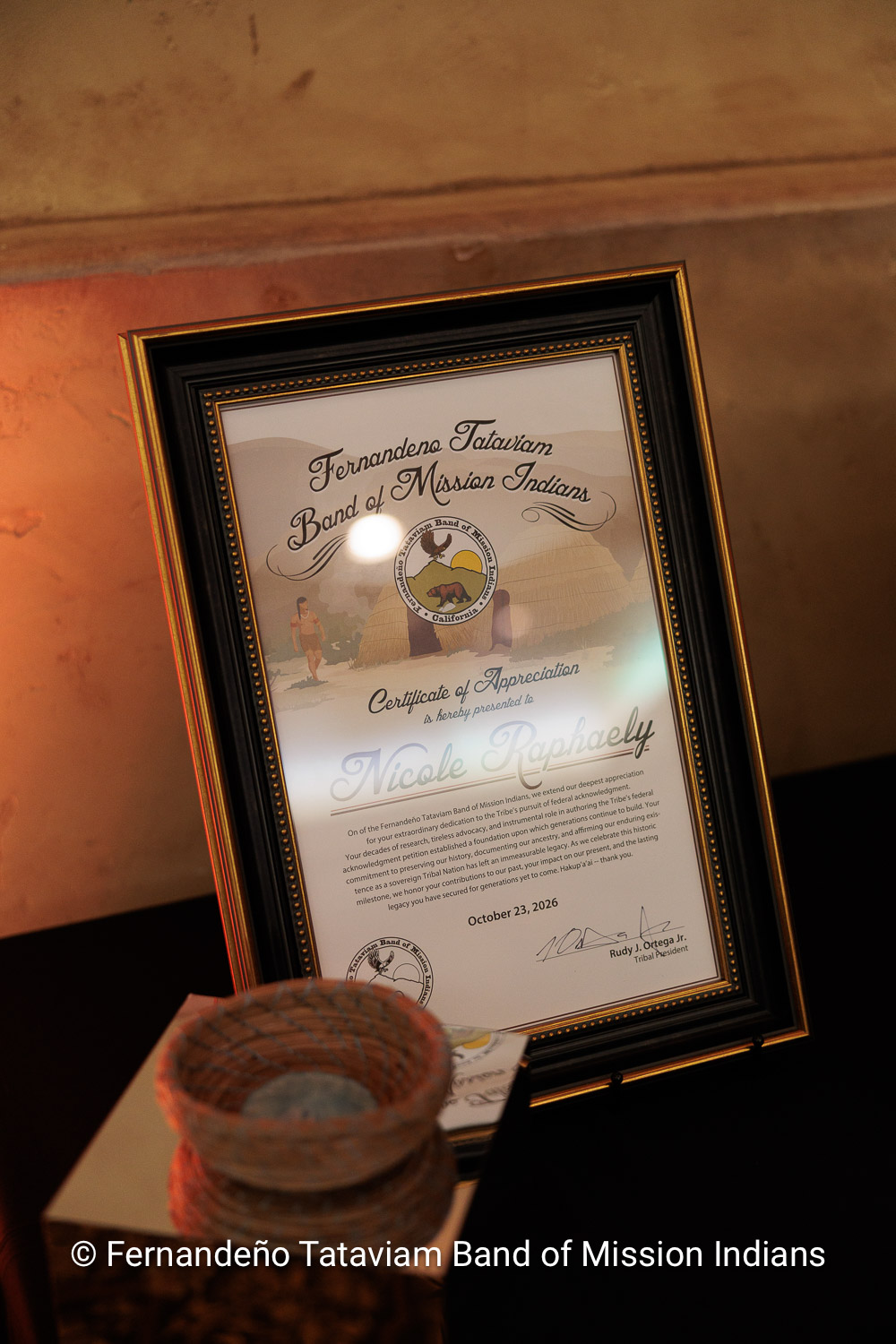
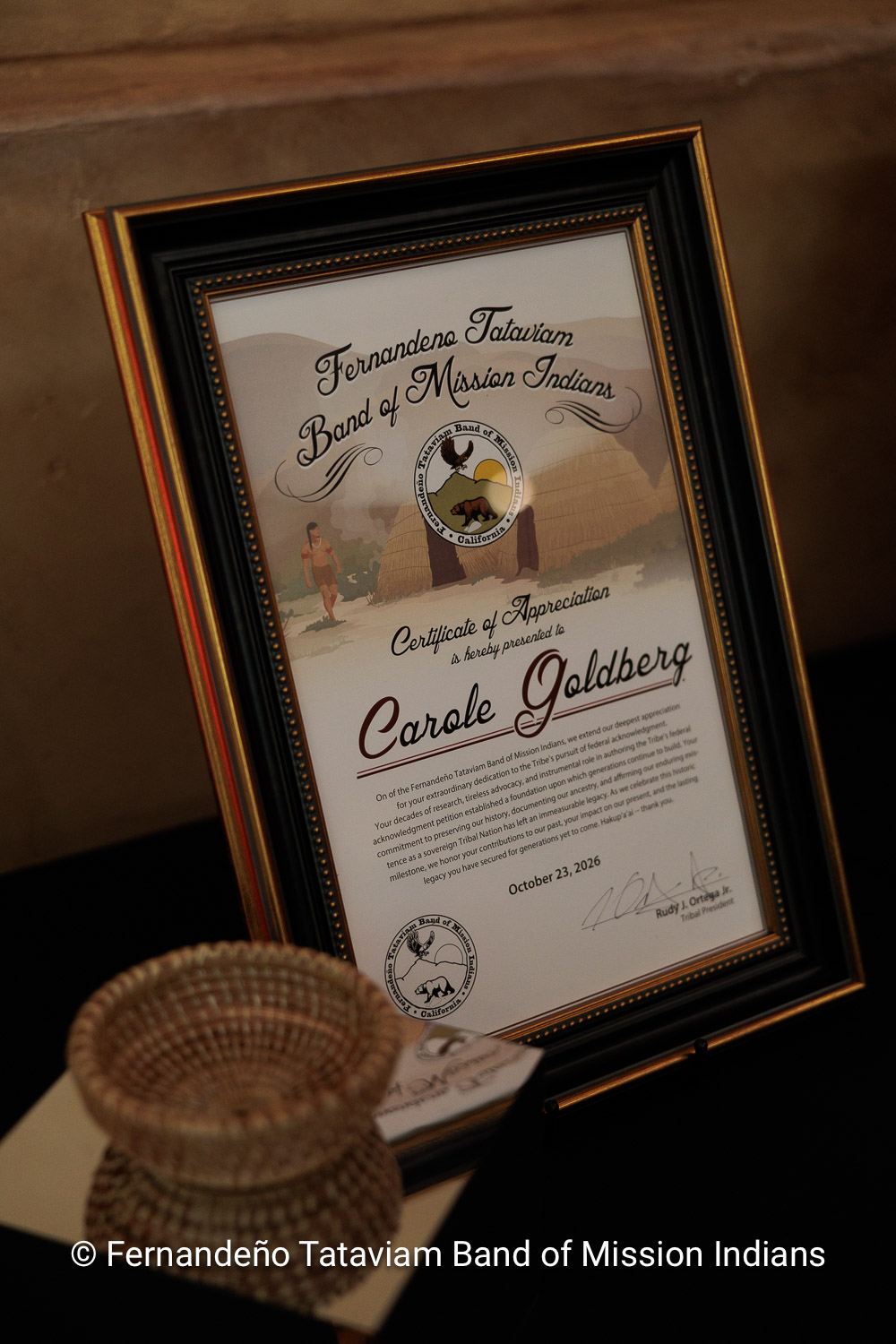
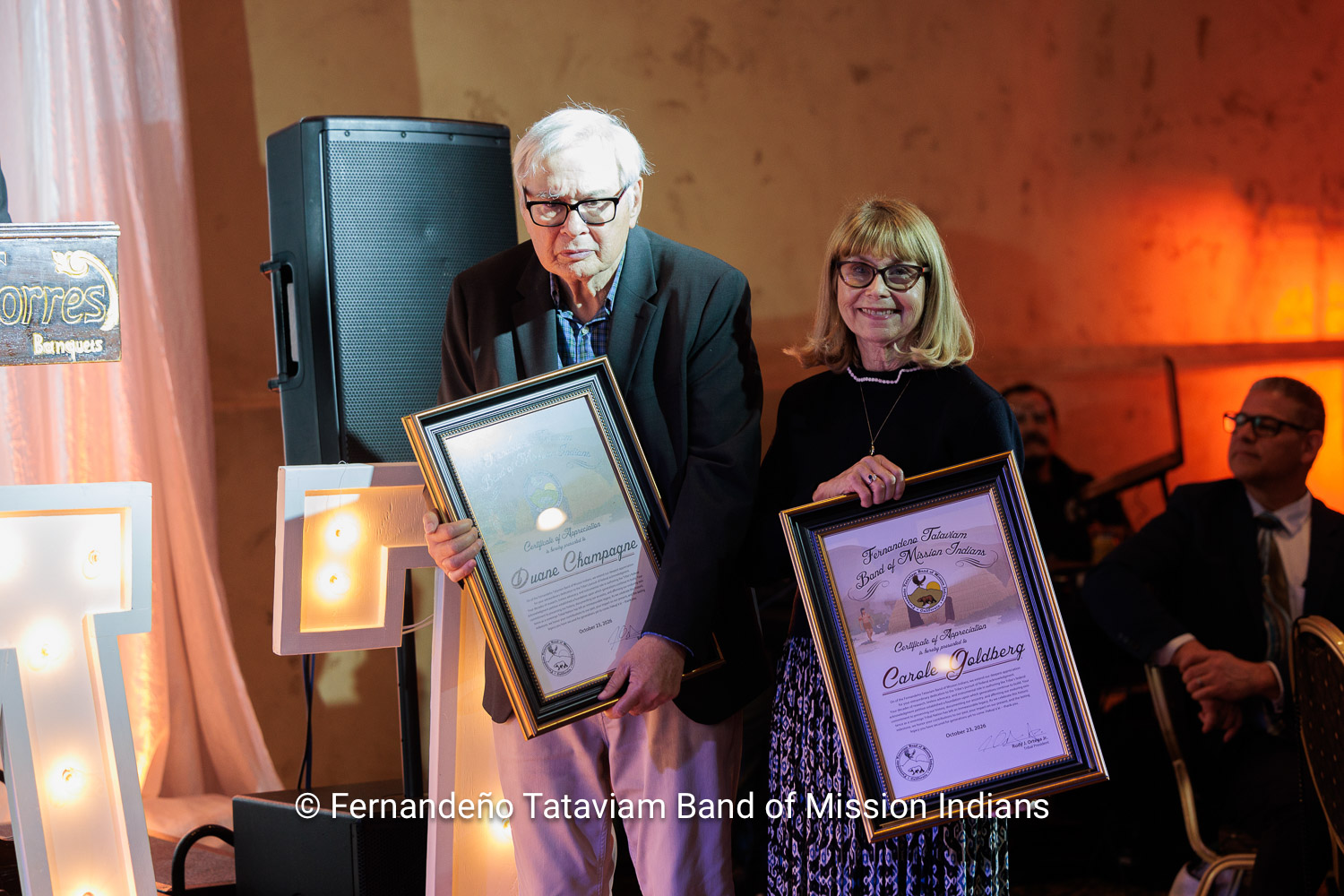
A special presentation recognized Dr. Duane Champagne, Professor Carole Goldberg, and Nicole Johnson Raphaely for their longstanding contributions to the Tribe’s petition.
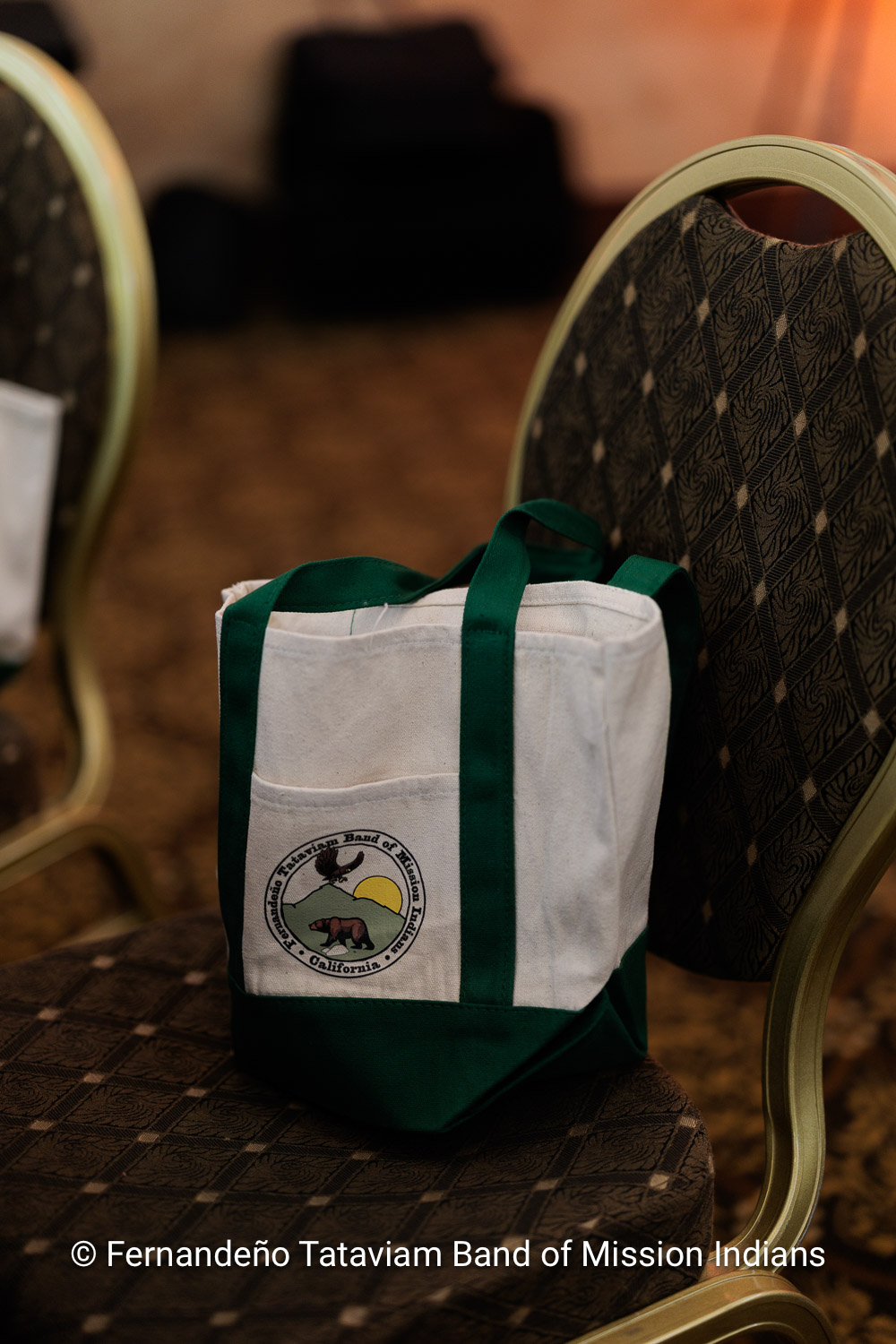
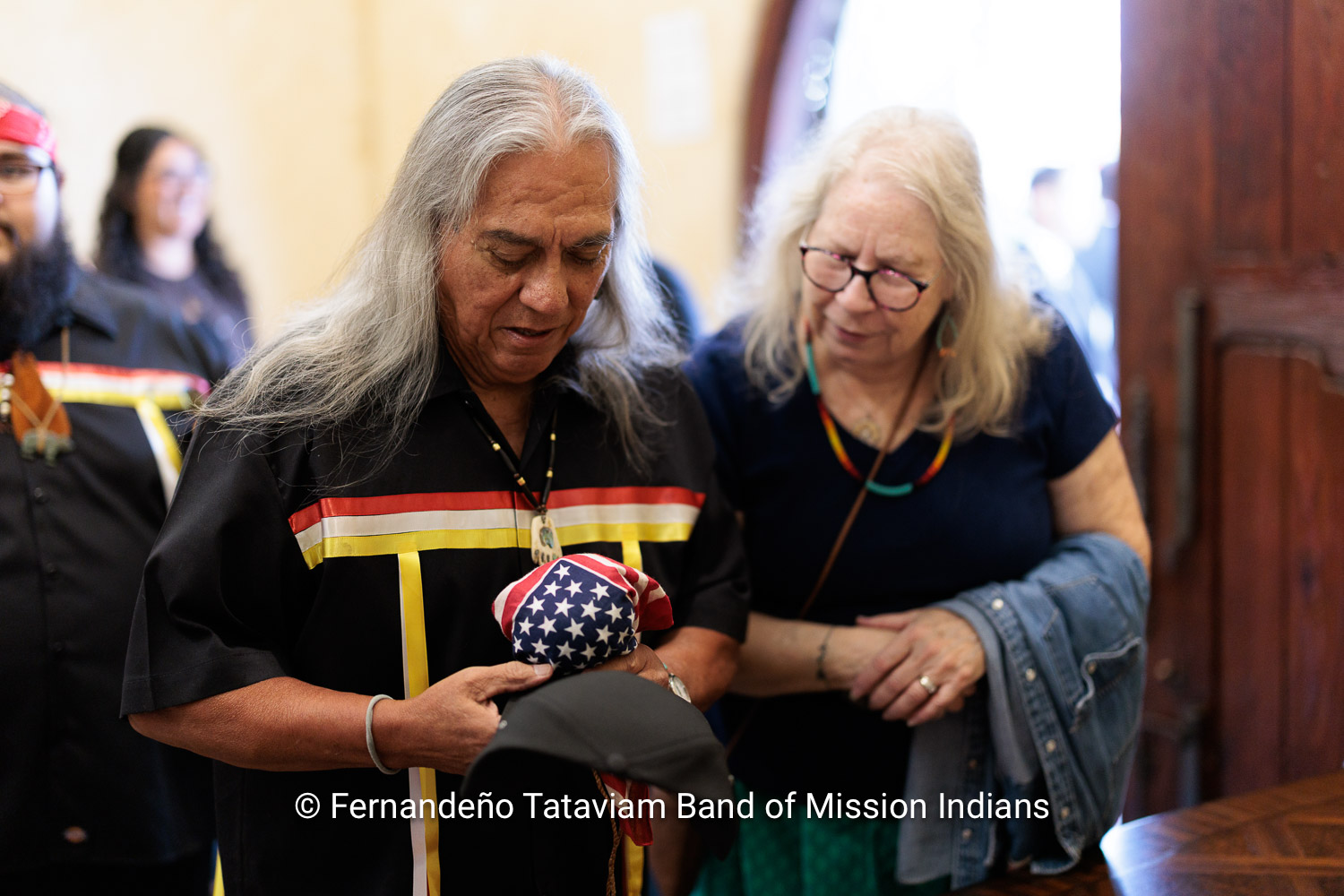
President Ortega honored their scholarship, legal expertise, and years of work documenting the Tribe’s history and continuity. Each received a certificate of appreciation, a Tribal resolution, and a basket made by Tribal Citizen Tina Garcia—gifts expressing the community’s gratitude for their dedication.
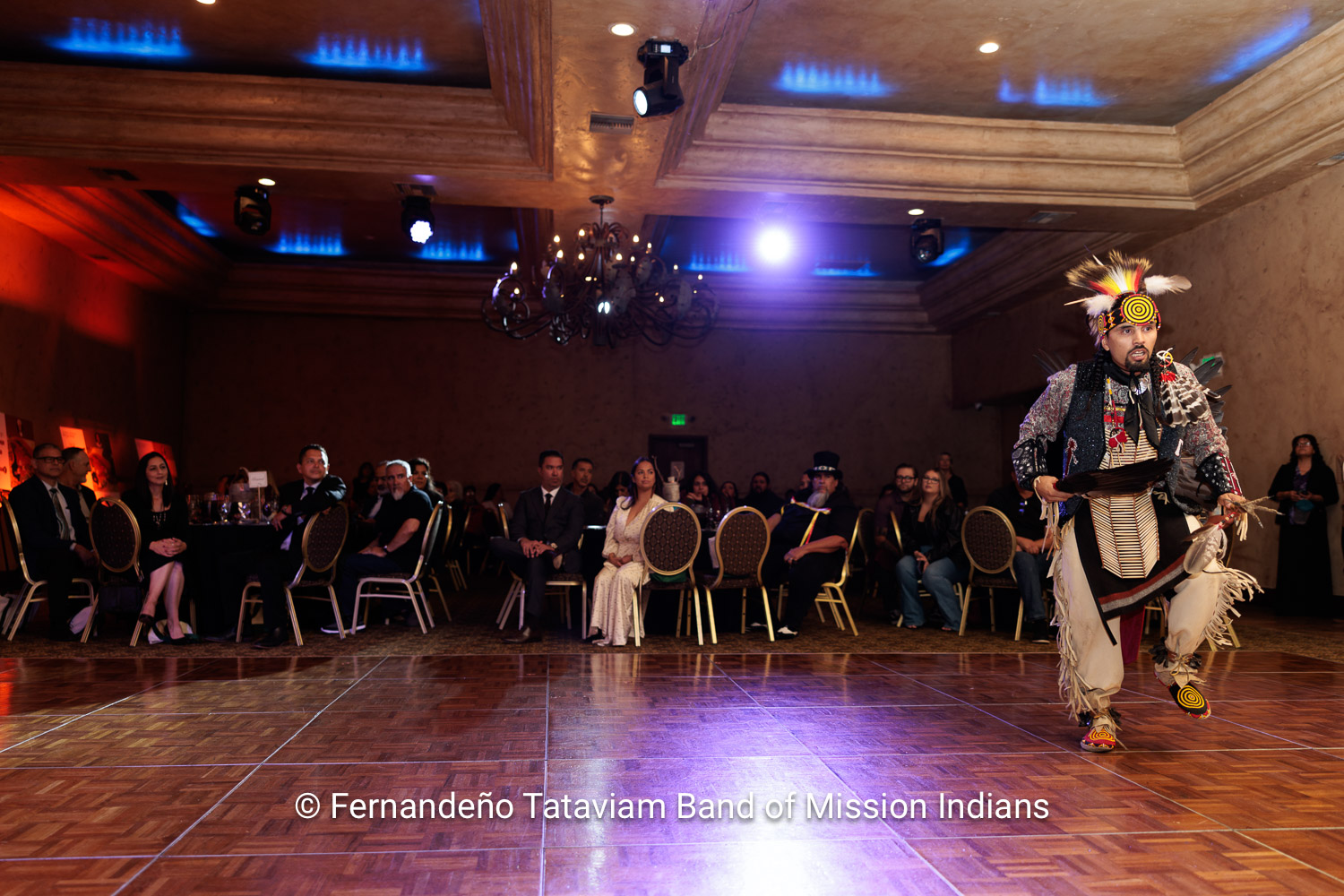
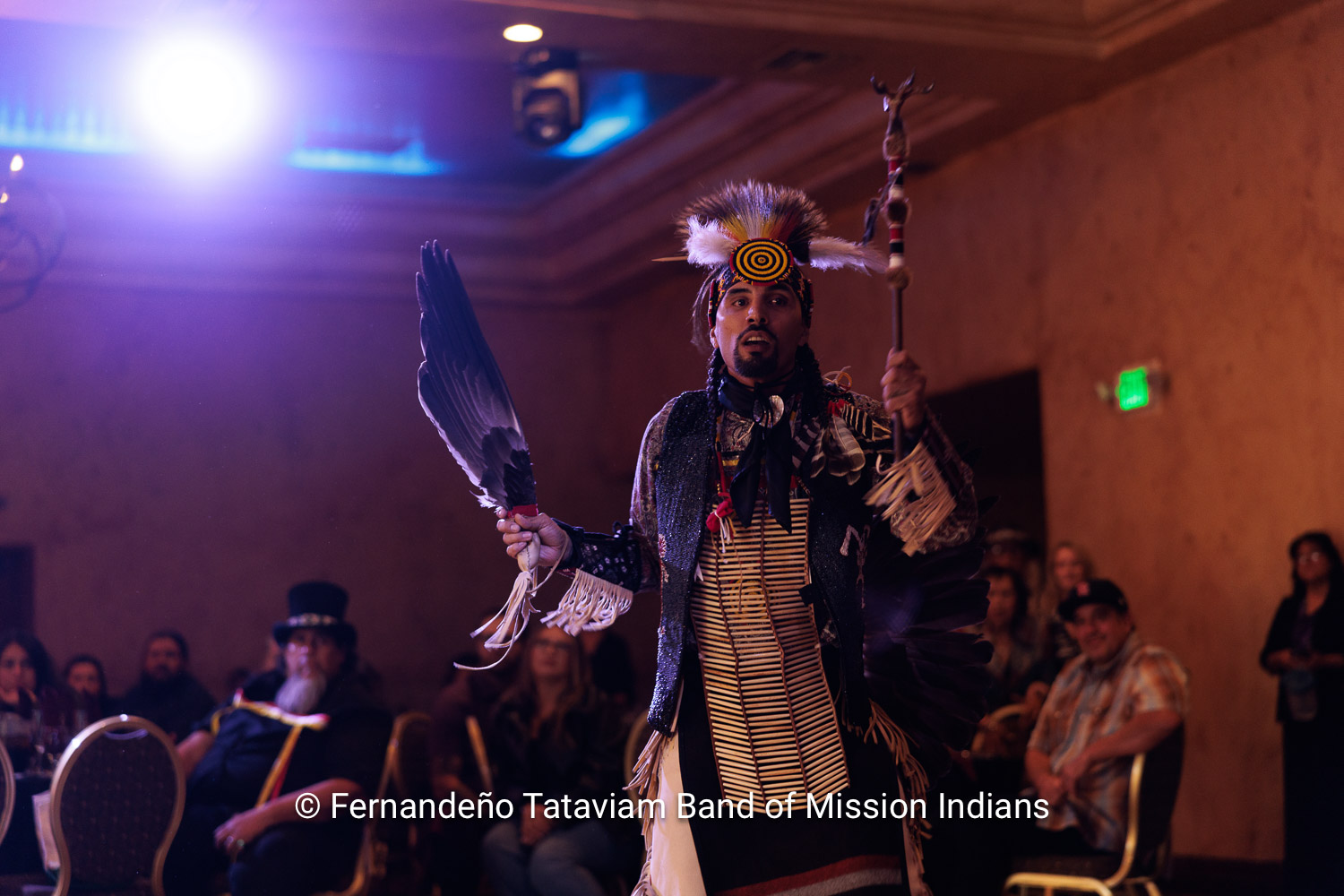
Hale & Company provided honor drums for the petition authors, accompanied by dancing from Tribal Citizen Aaron Martin, adding a meaningful tribute to those whose dedication helped advance the Tribe’s petition.
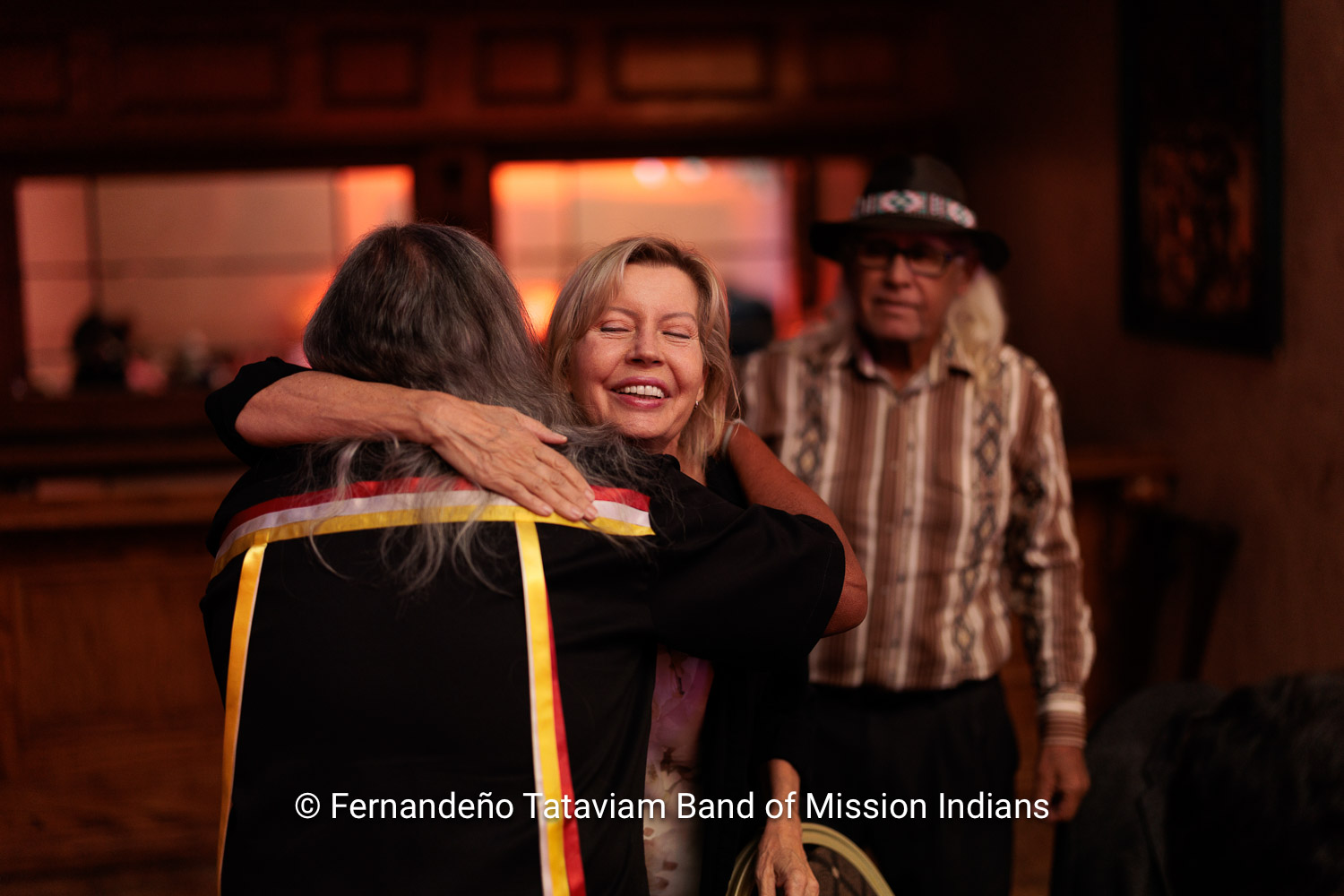
The celebration also recognized the essential contributions of Tribal Citizens and families. Their enrollment, participation, knowledge, and support helped document the living relationships at the heart of the Nation.
Art and Celebration
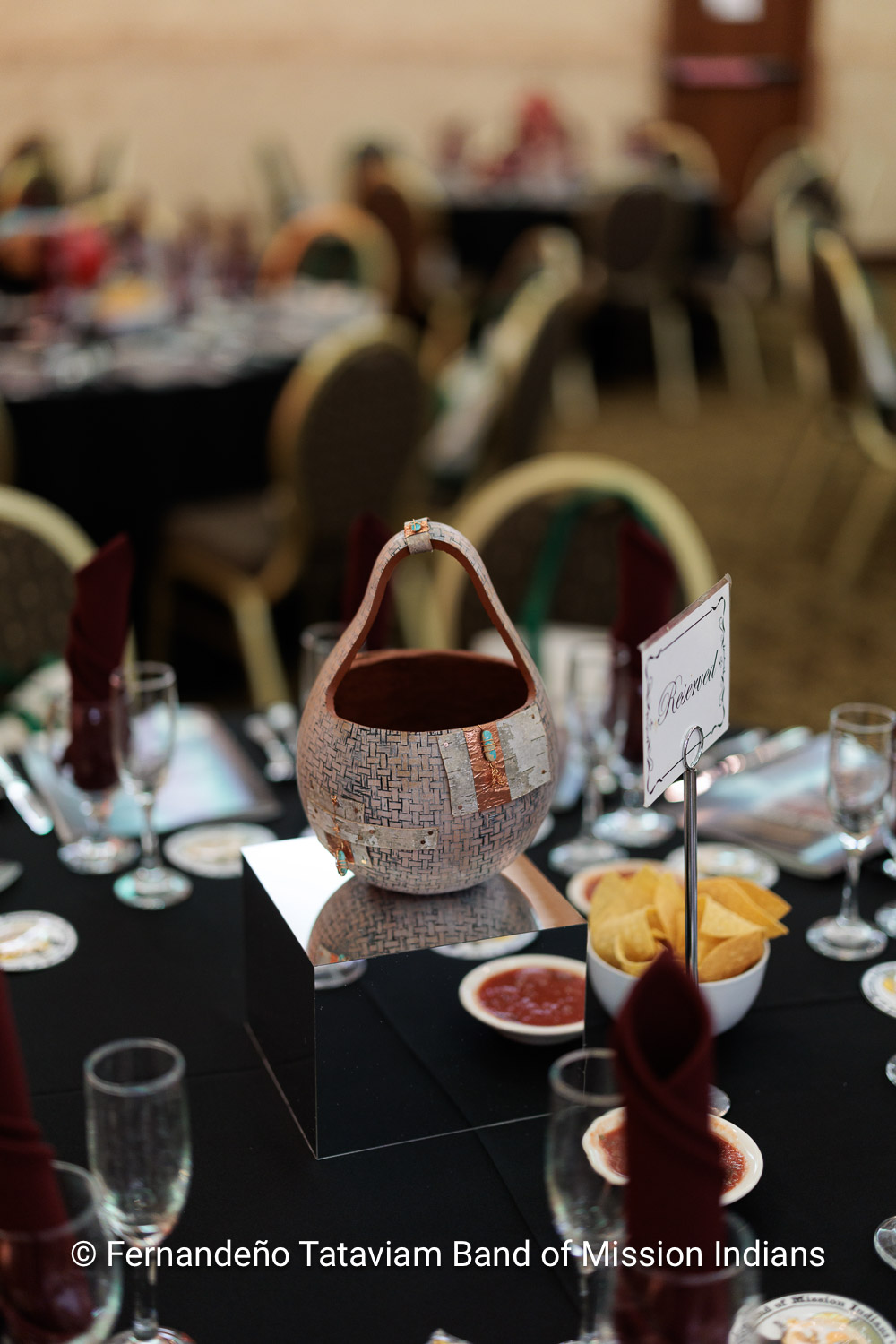
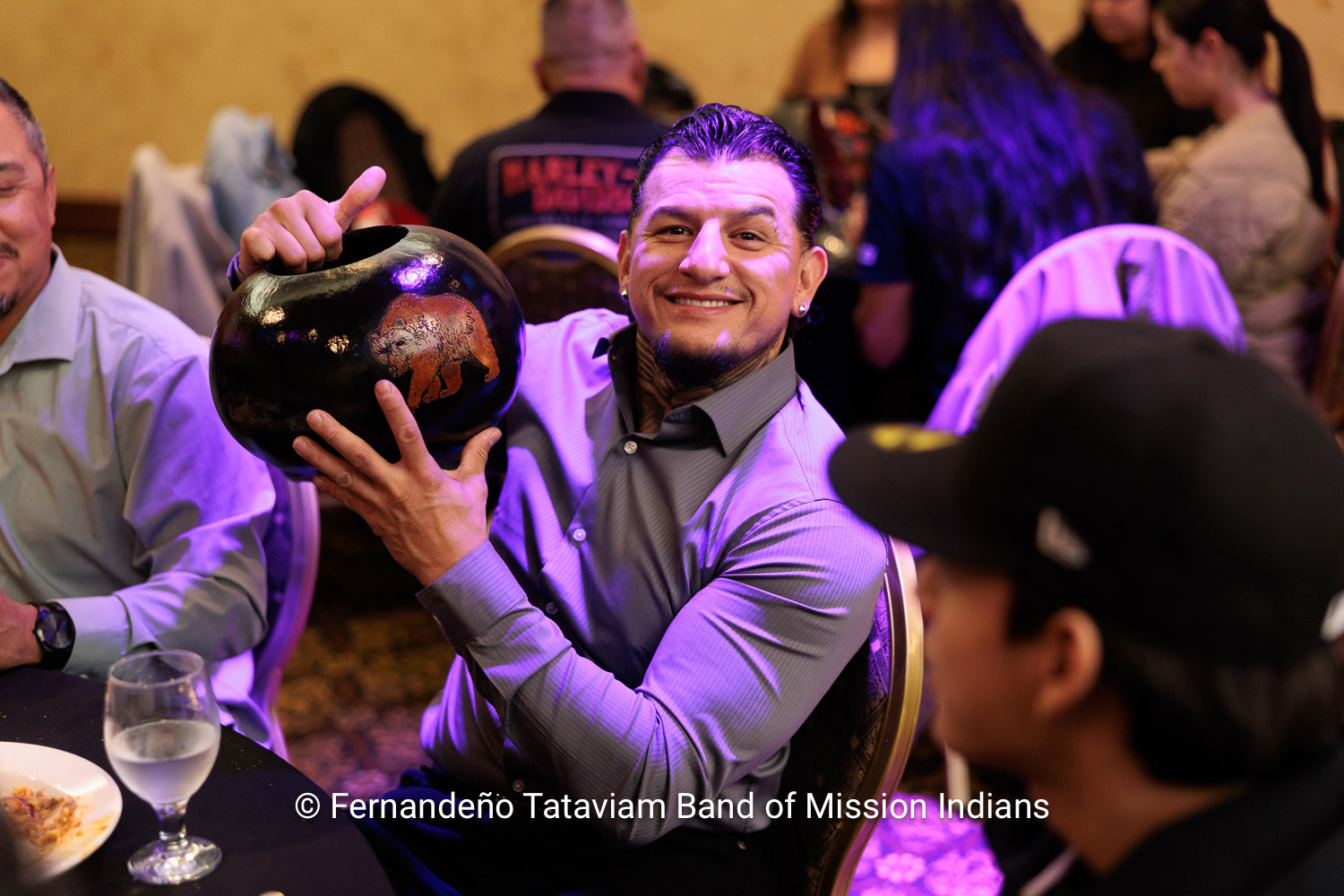
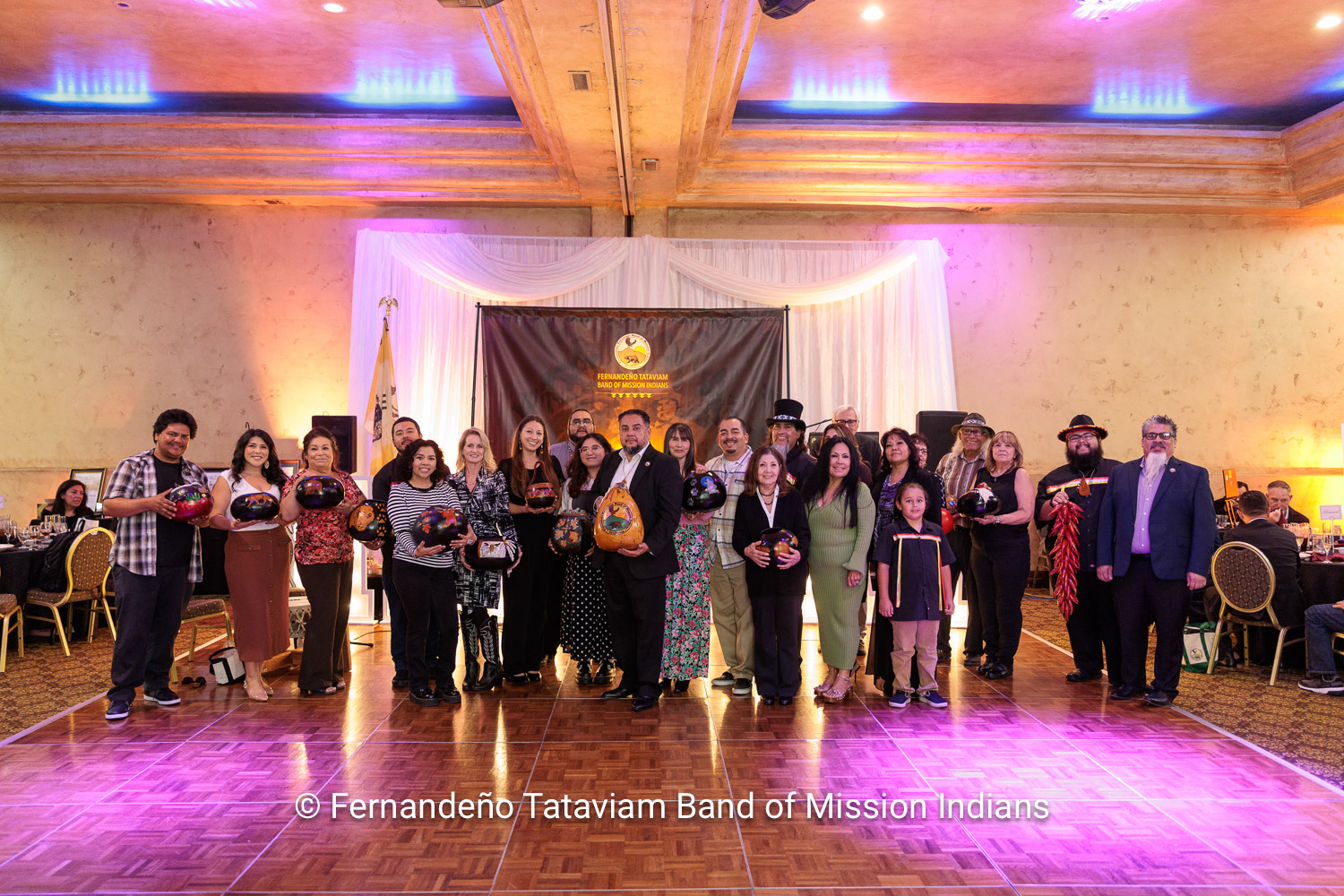
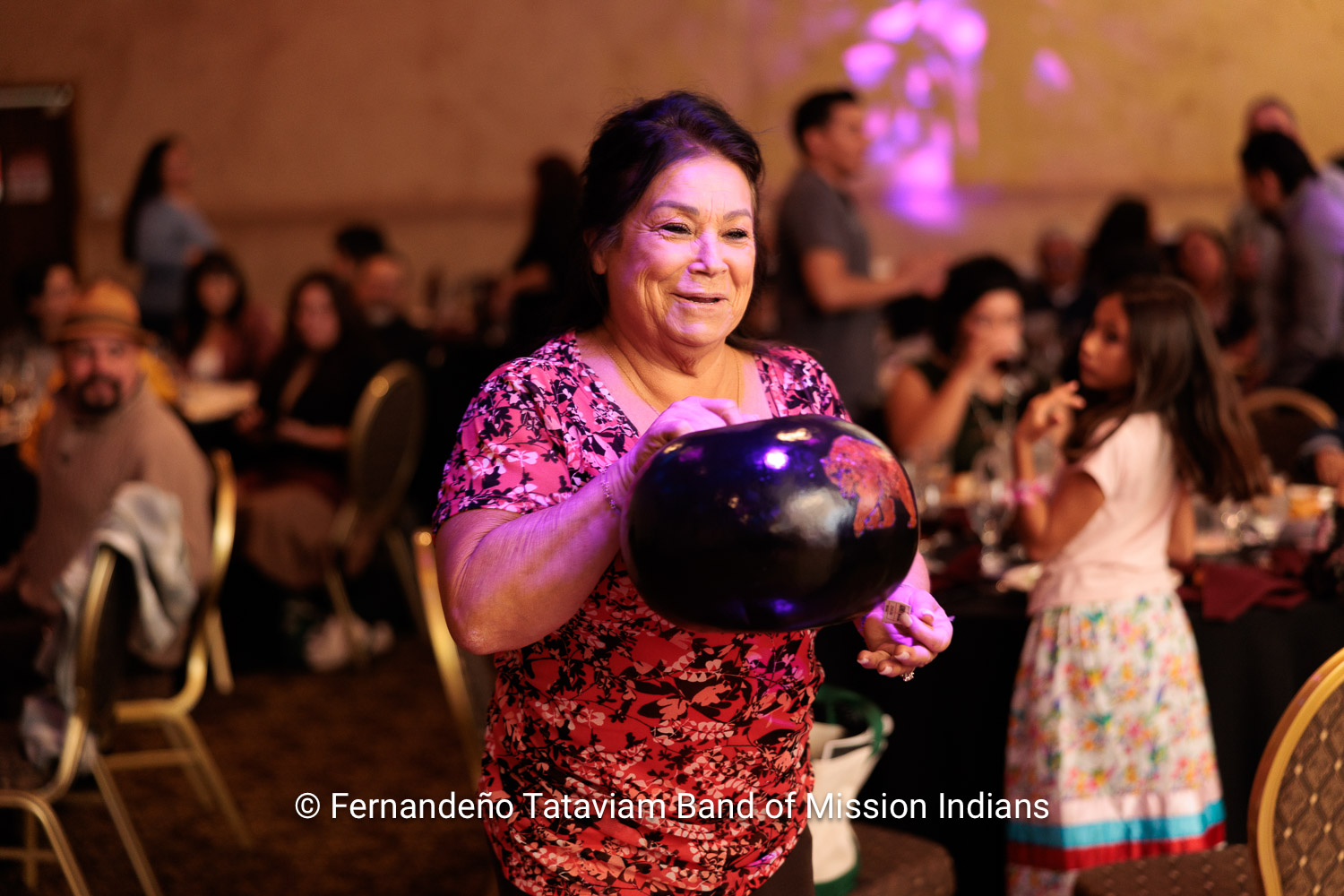
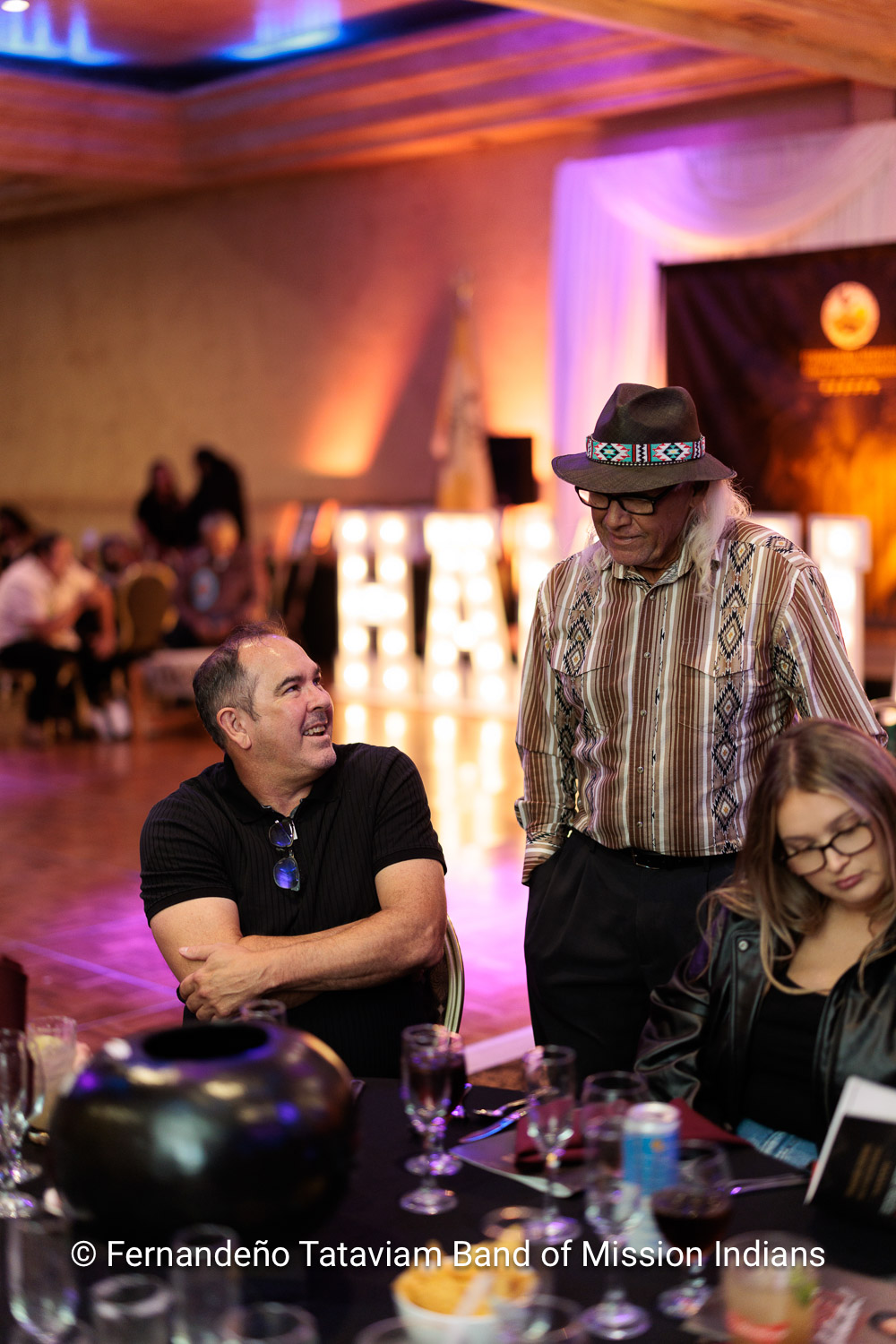
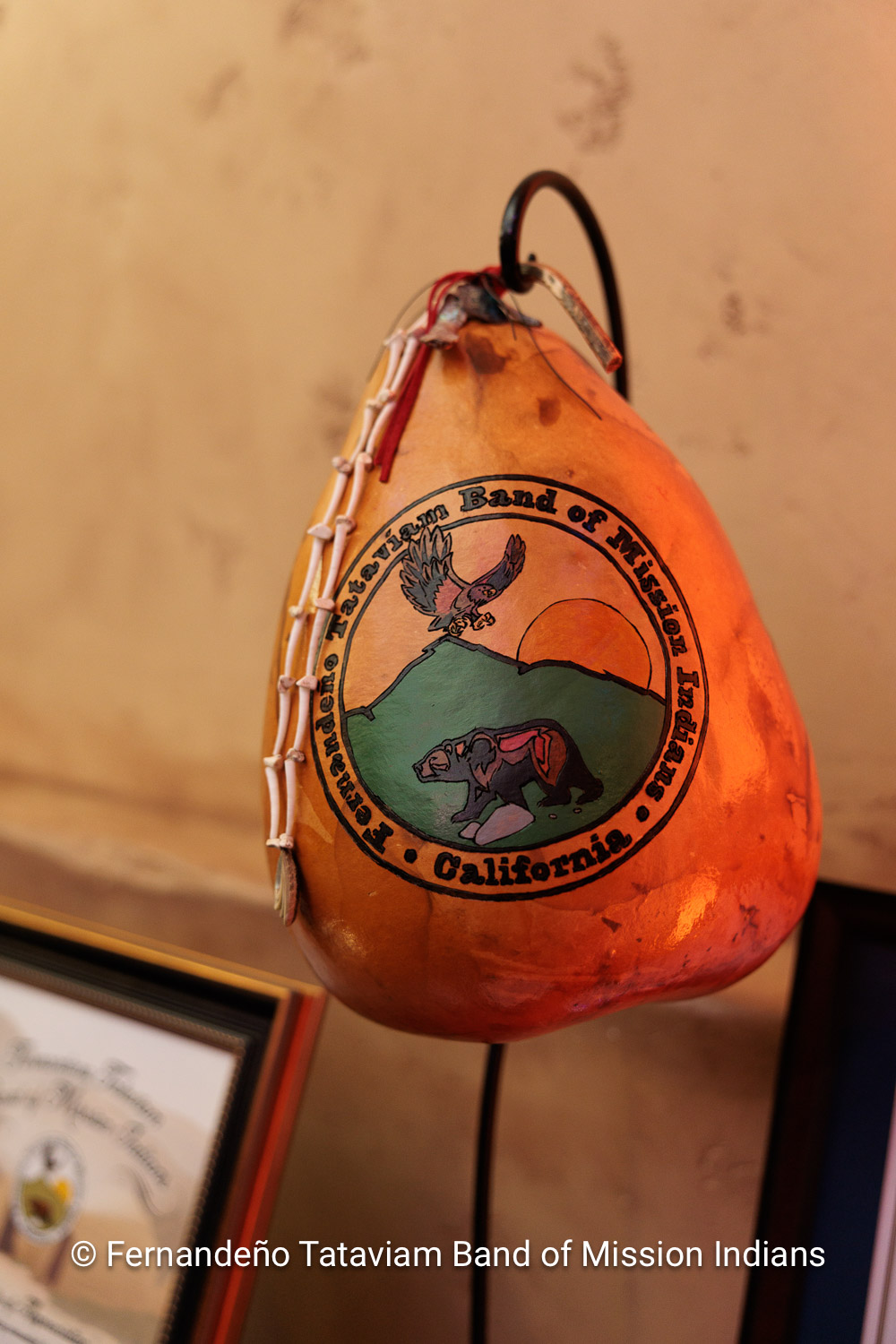
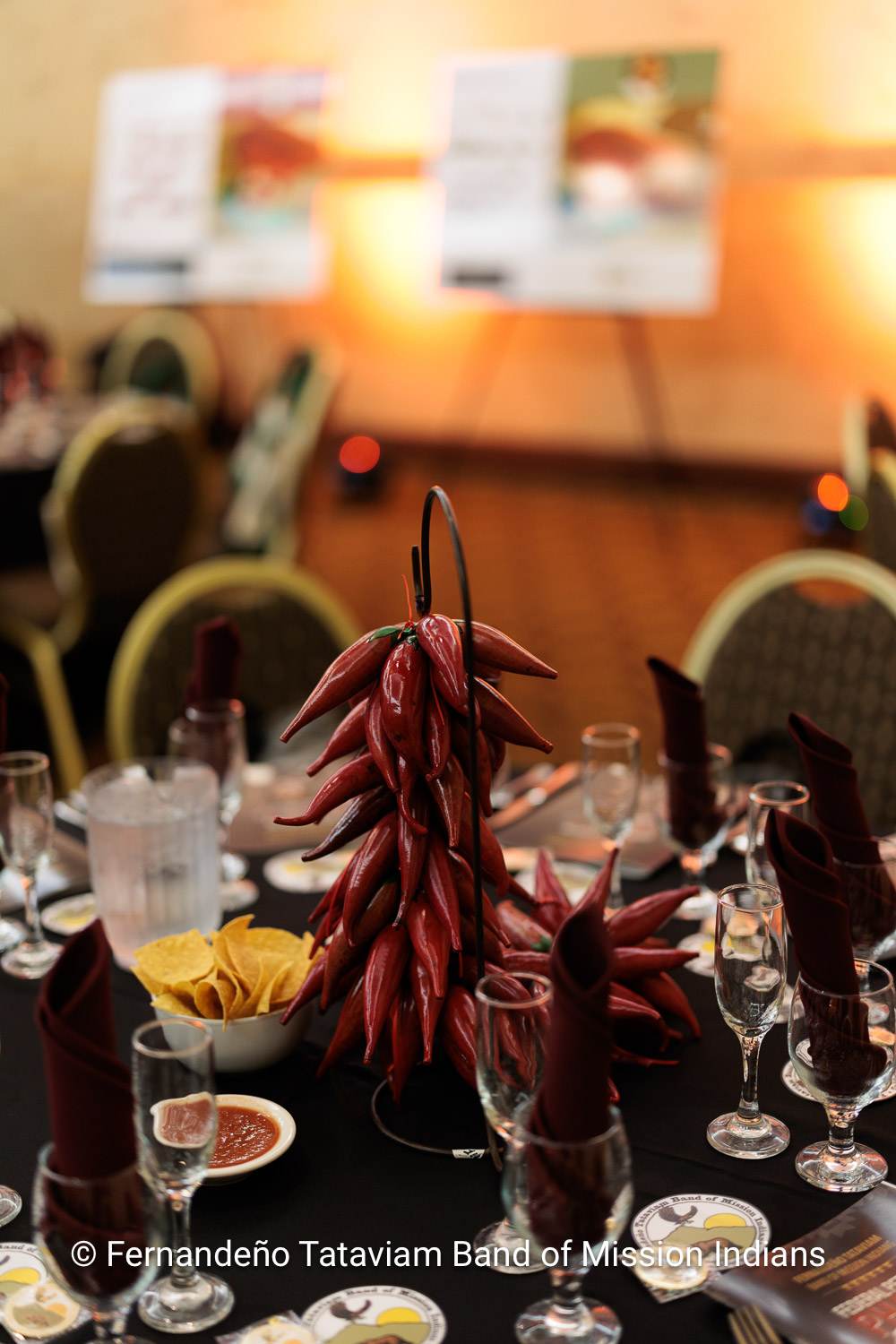
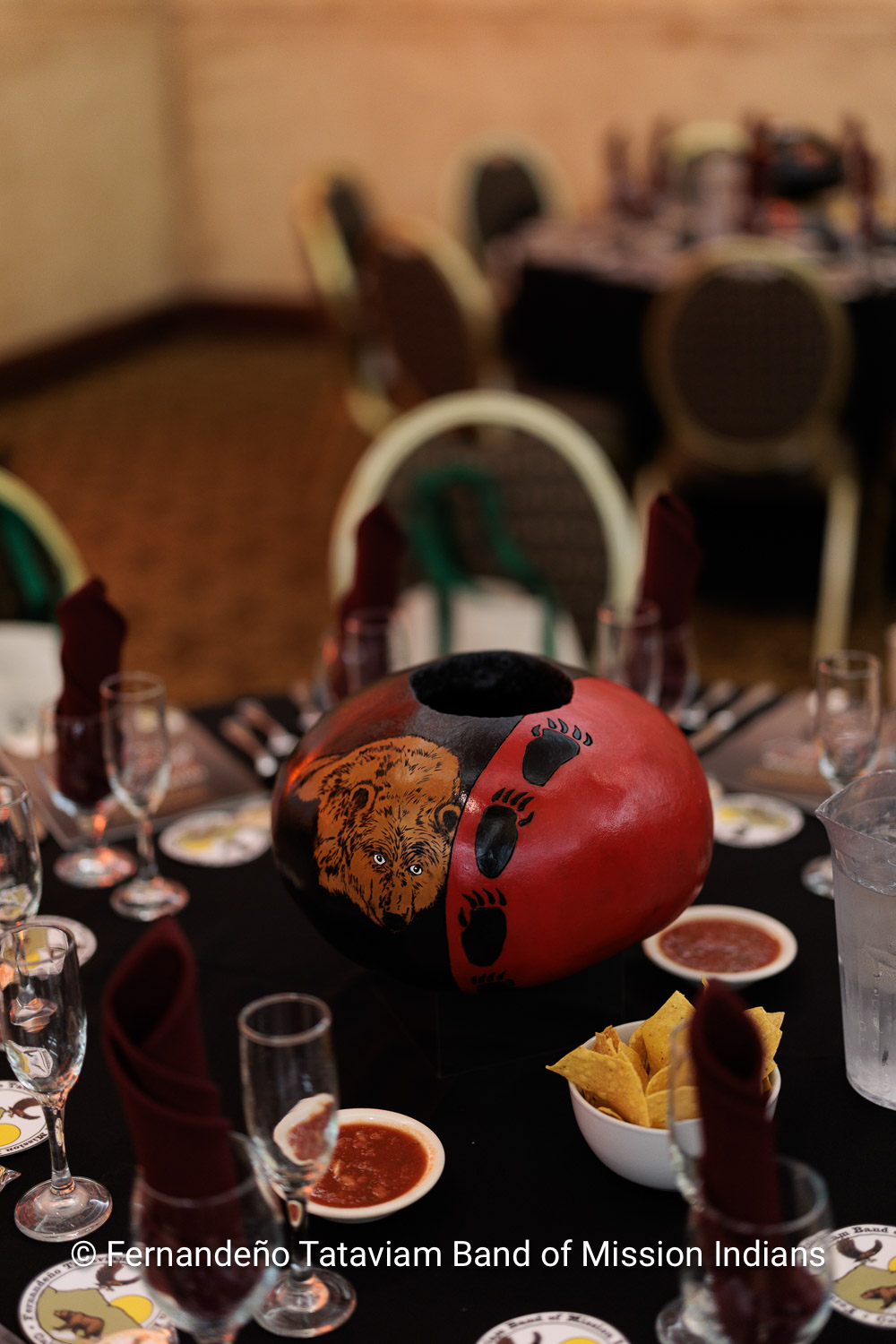
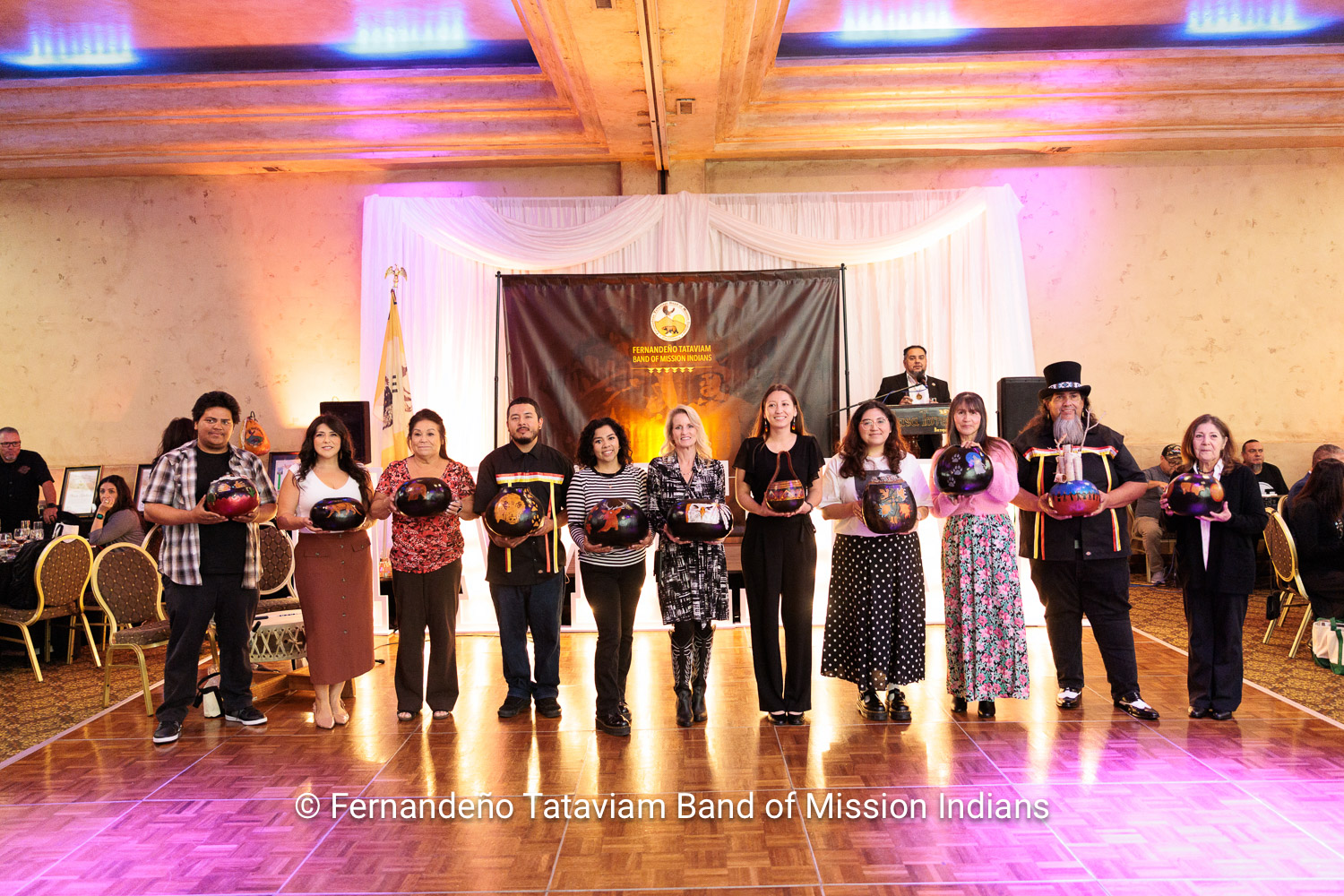
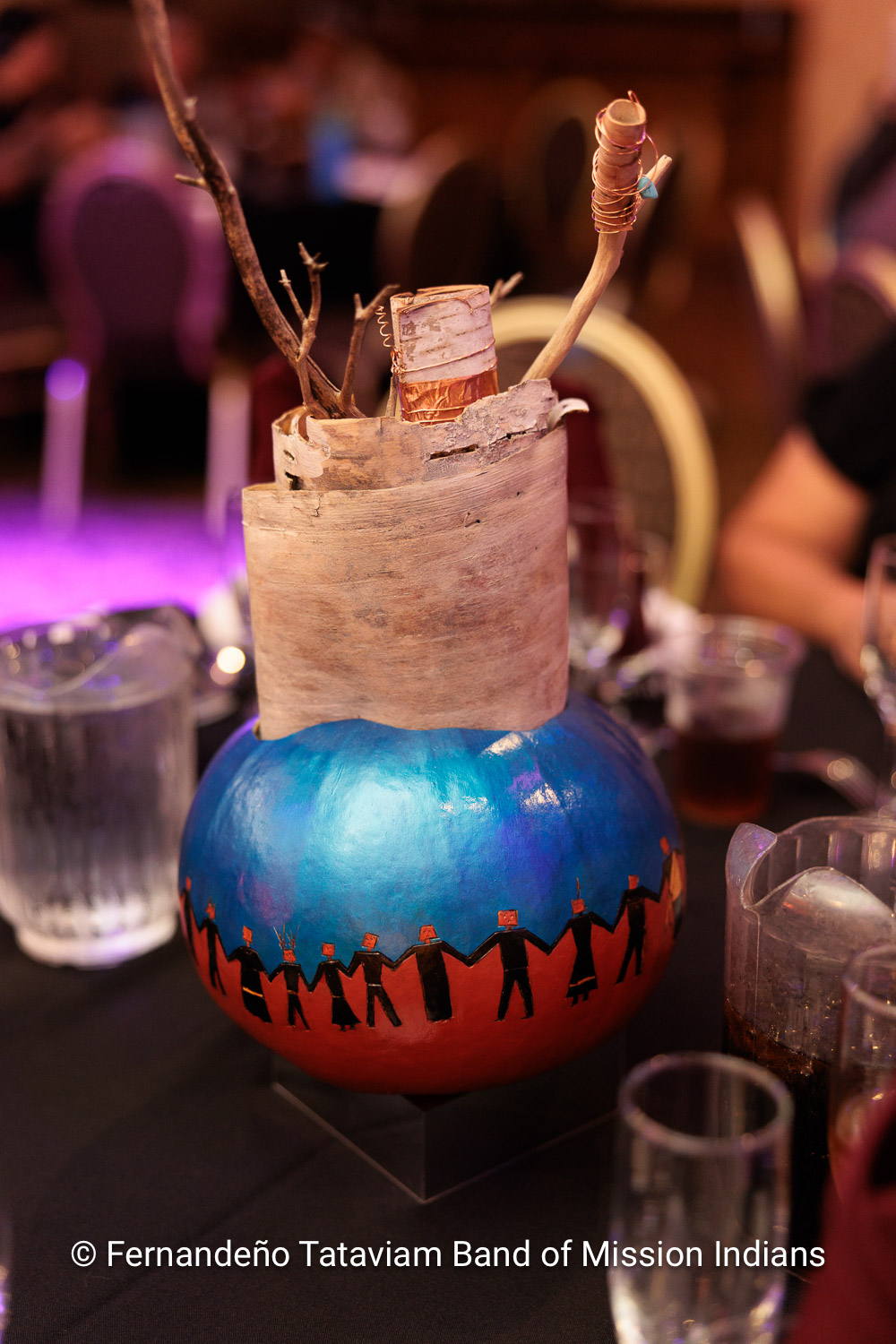
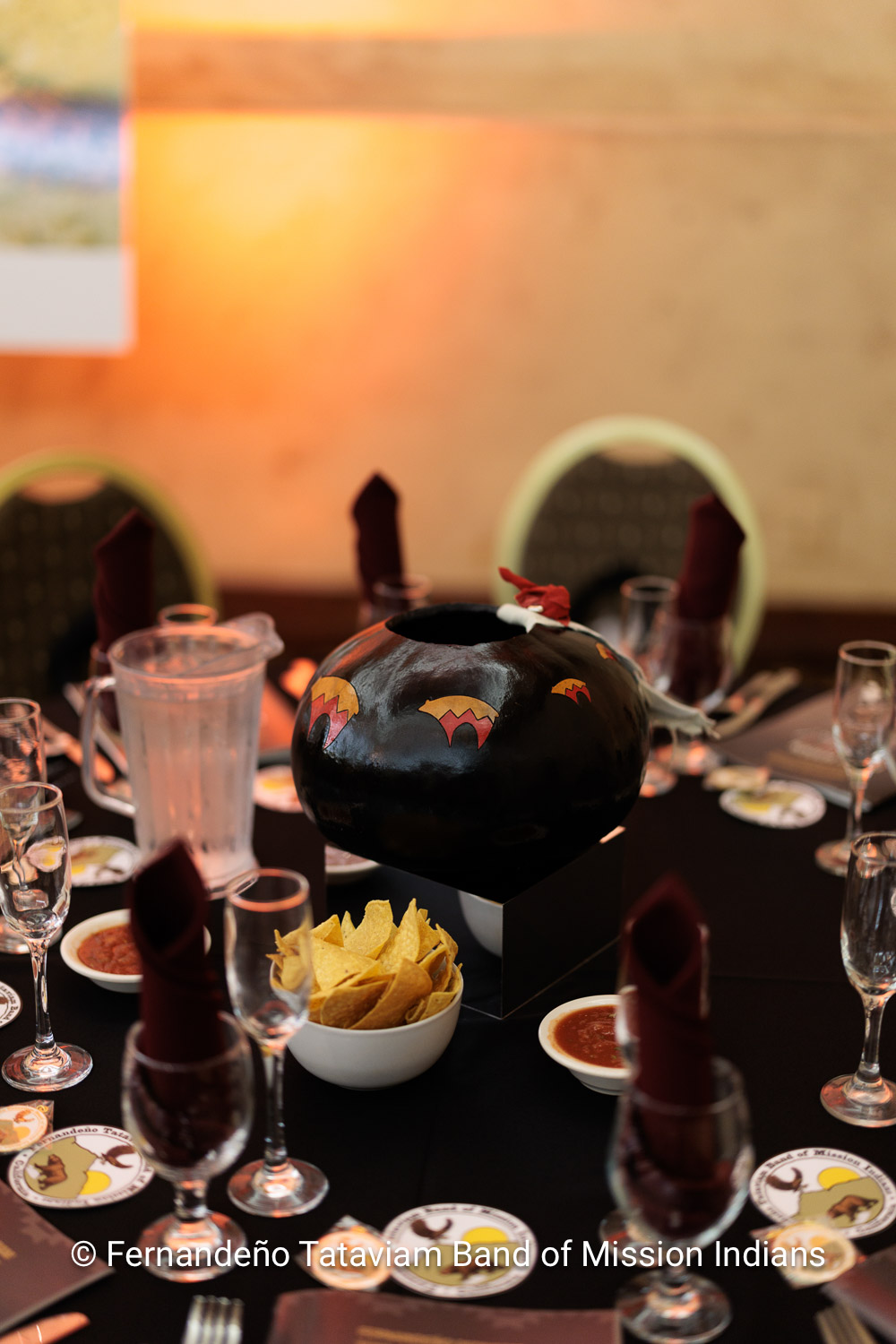
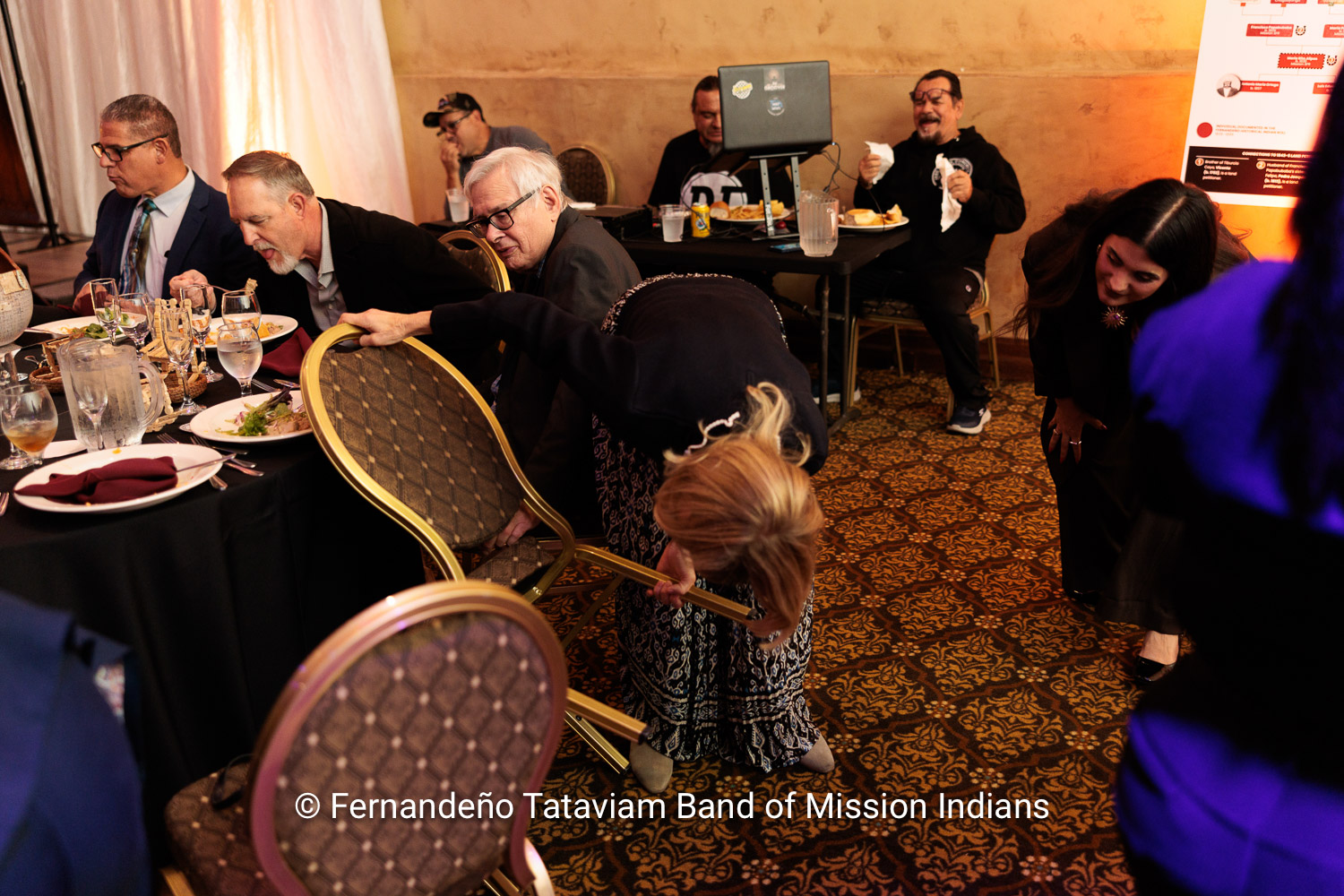
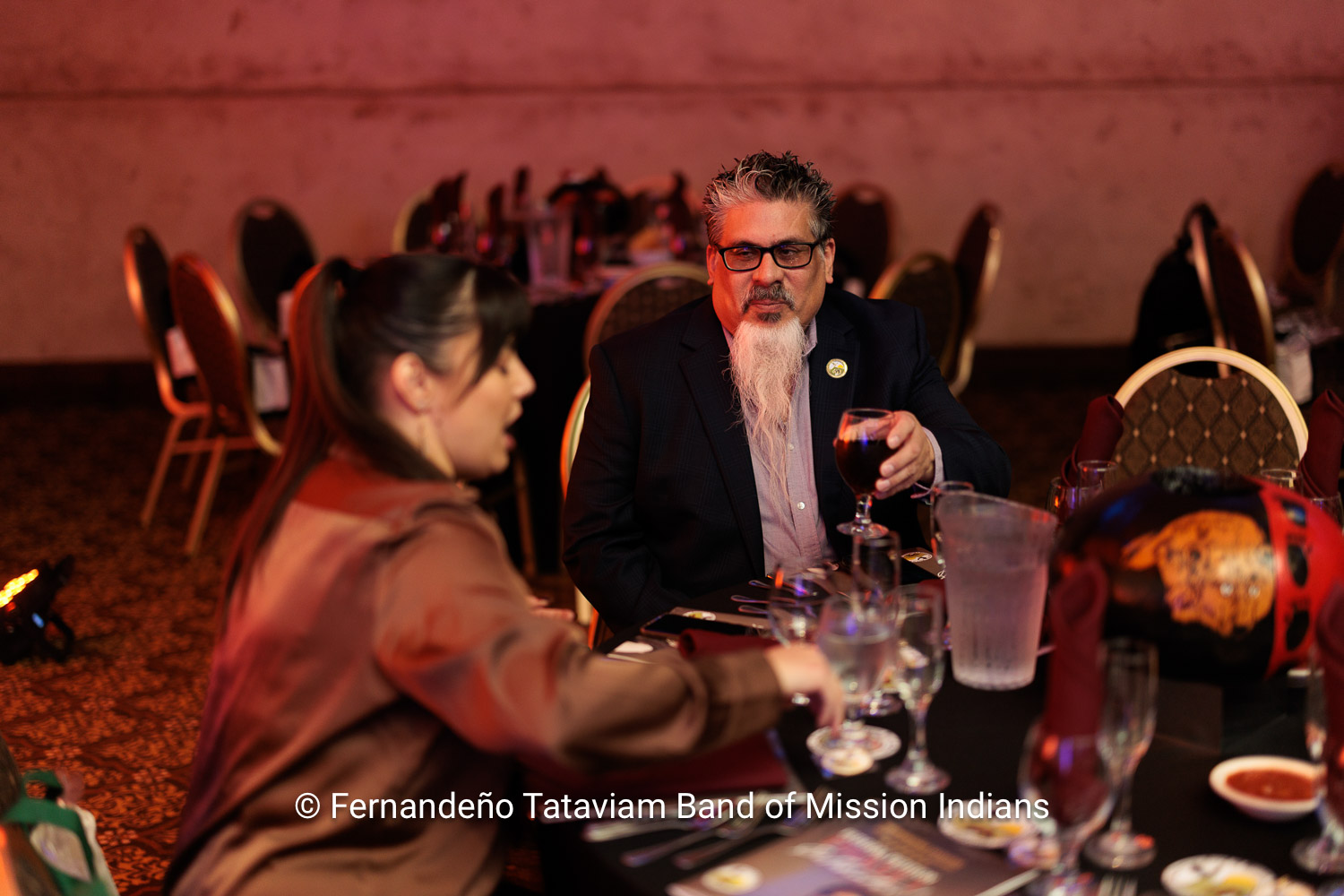
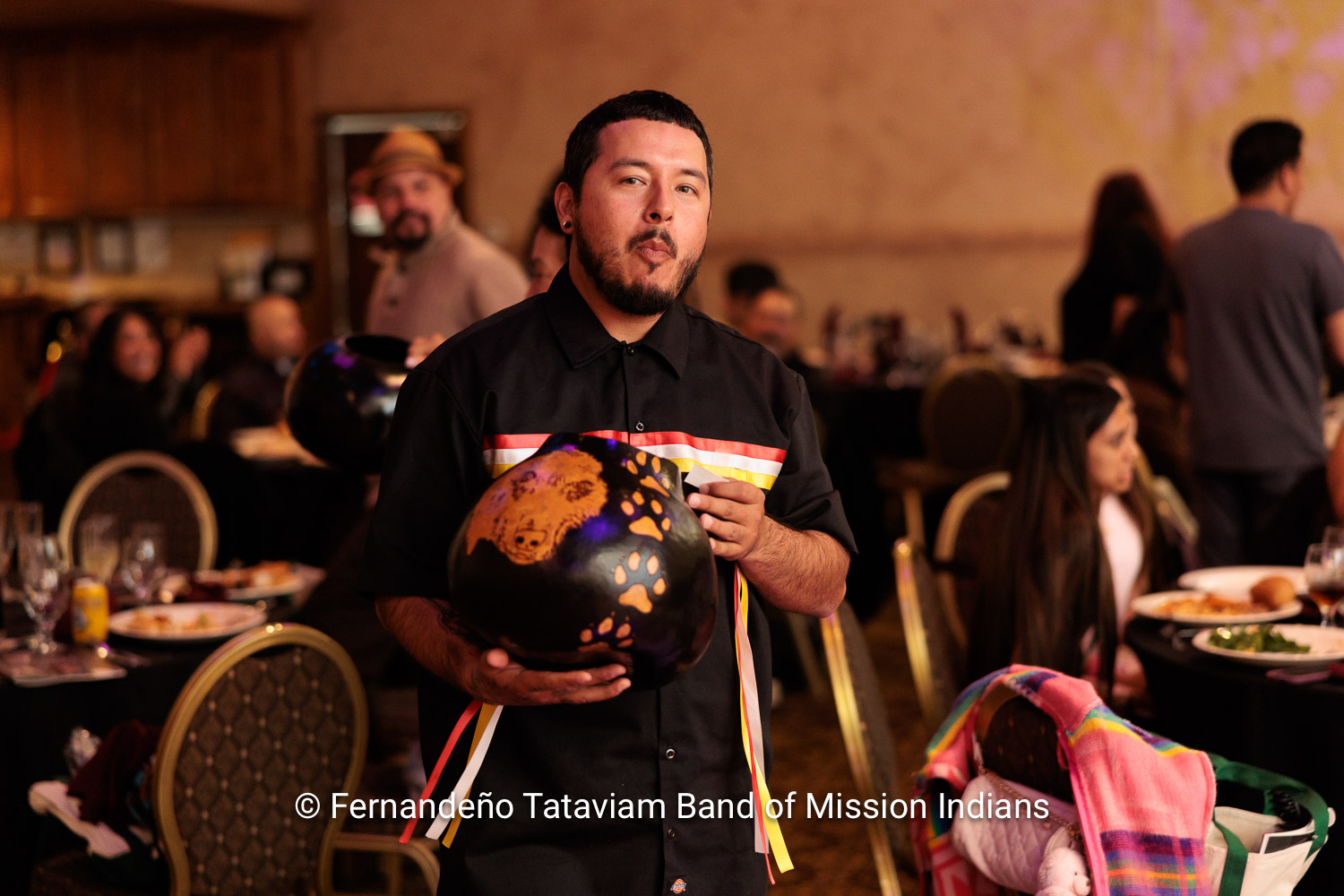
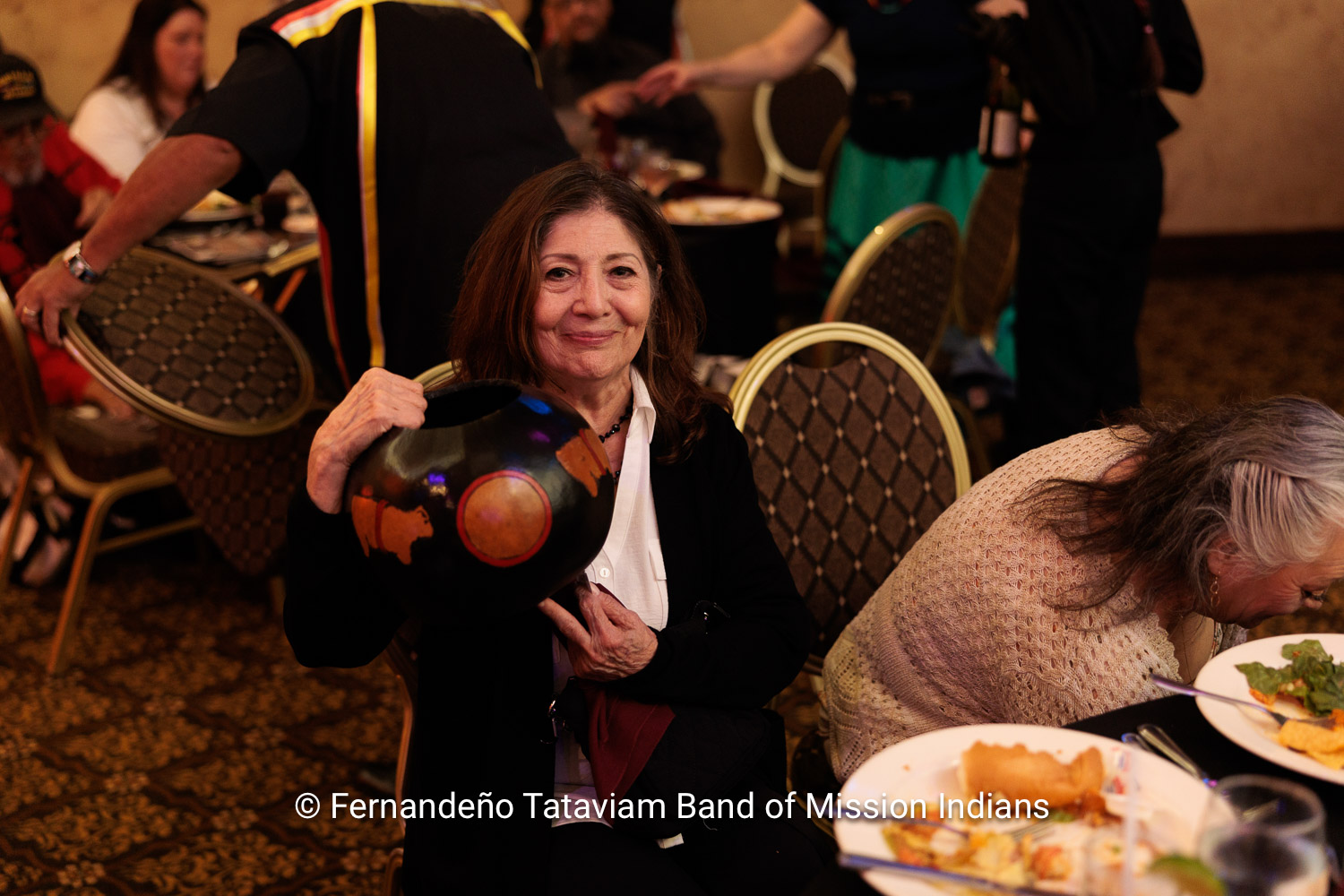
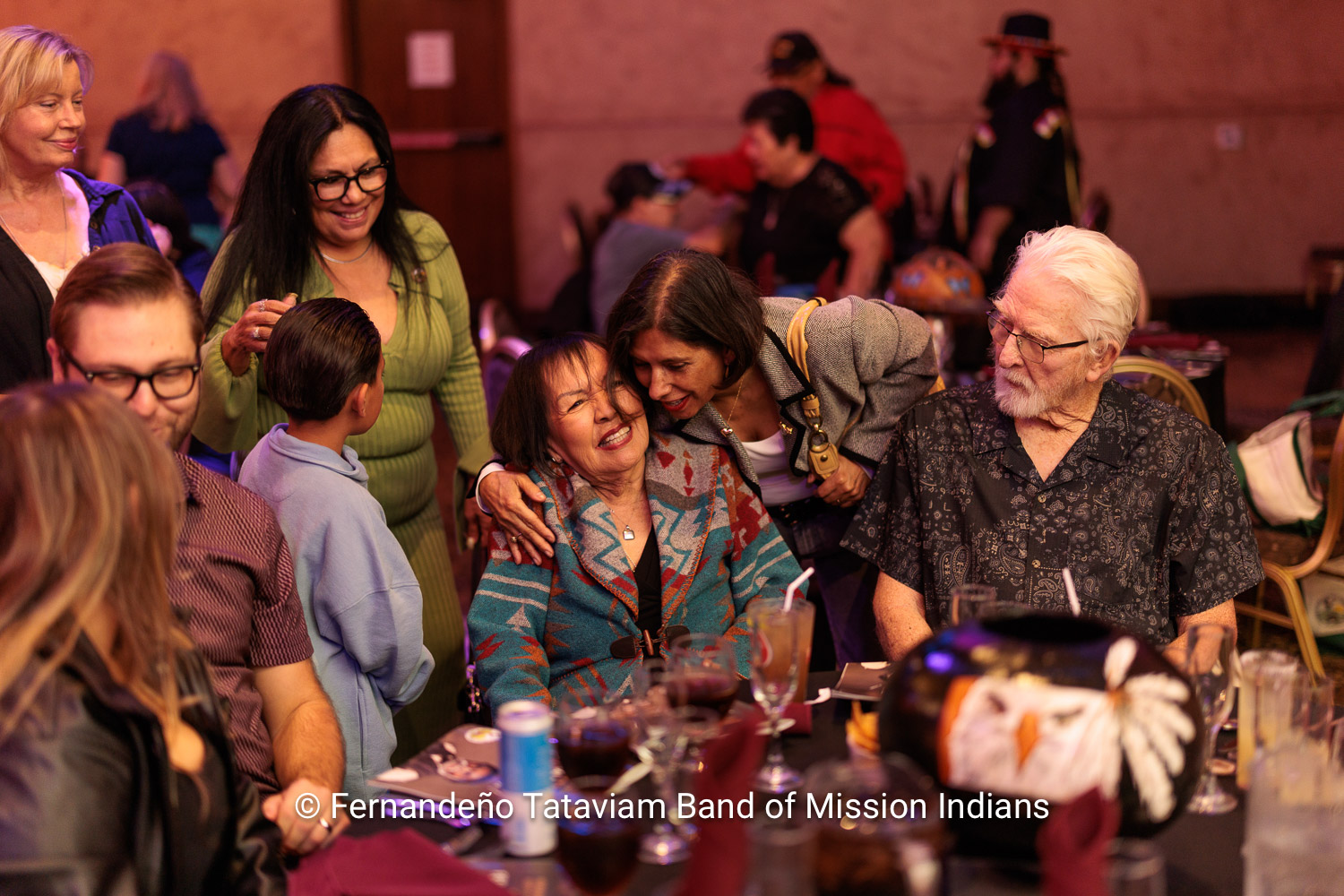
Handcrafted gourd centerpieces by award-winning artist Nadiya Little Warrior brought art and culture to each table. A surprise ticket hidden beneath one chair at each table gave the winning guest the centerpiece to take home—a special keepsake from the evening. President Ortega was also gifted a special gourd, engraved with the Tribe’s emblem, in recognition of his years of dedication to advancing the FTBMI.
As the celebration closed, the focus turned toward the next generation. The Phase I milestone offered an opportunity to celebrate progress, remember those who helped make it possible, and renew the commitment to a future shaped by the Fernandeño Tataviam people.